Rethinking Communism’s History, by Paul Mason
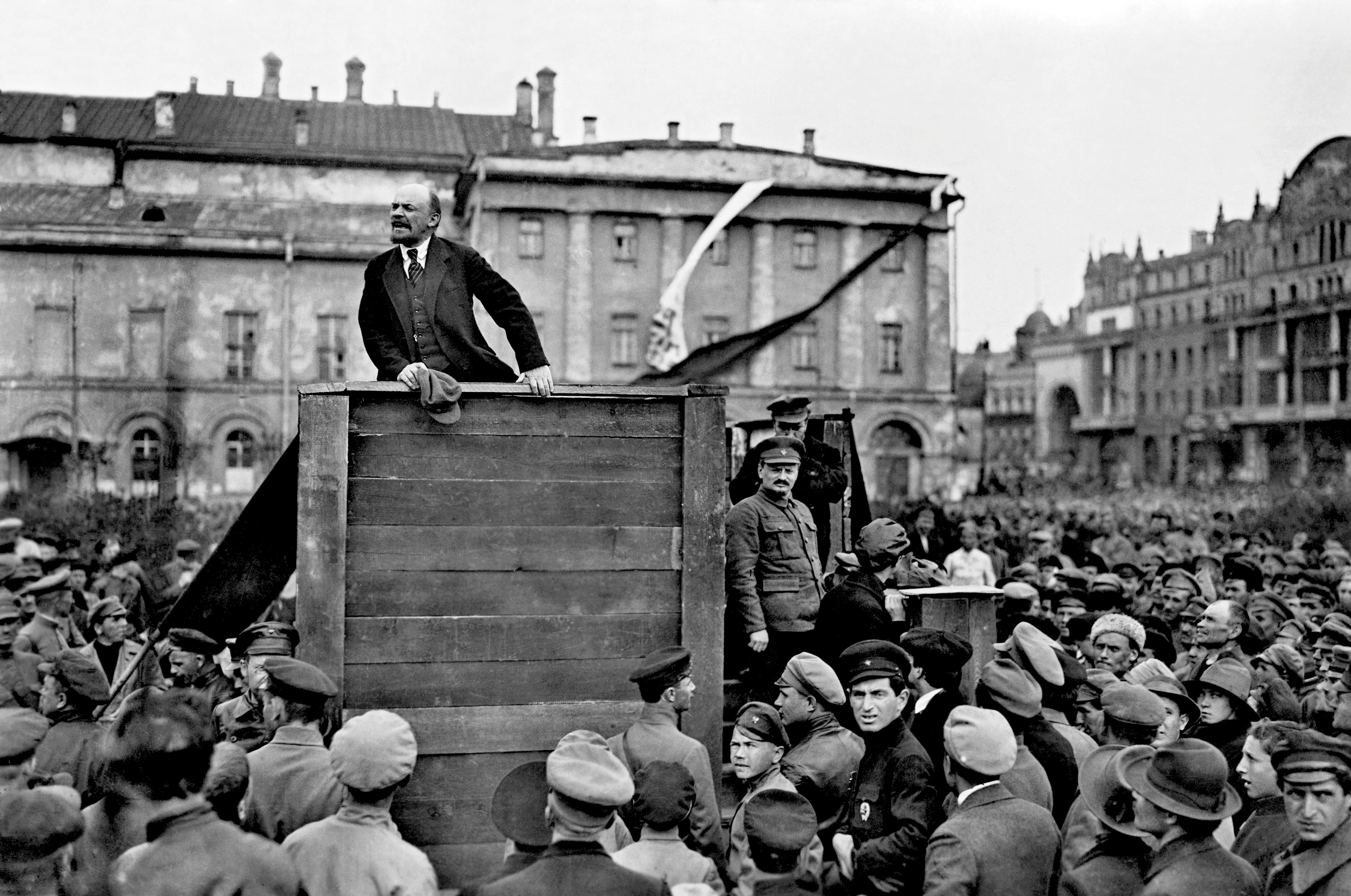
Karl Marx was never the original architect of the communist tradition, which traces deeper roots from French revolutionary thought and the utopian ideals of Babeuf and Blanqui.

Pairing a free editorial newsletter with exclusive subscriber-only magazine features, author interviews and other benefits on Saturdays, we are offering history lovers a more rewarding reading experience while supporting independent historical writing.
Live Last read · last published · next check
Karl Marx was never the original architect of the communist tradition, which traces deeper roots from French revolutionary thought and the utopian ideals of Babeuf and Blanqui.
One unforgettable delivery, a genius athlete and a defining figure for many - but still the most teasing historical question remains...
Our weekly round-up of the best new history writing, interviews, reviews and podcasts from our site, plus exclusive features for paid subscribers
The bestselling historian discussed his latest title, The Cauldron, with Justin Doherty, pinpointing how empire, religion, ideology and geopolitics have shaped one of the world's most disputed regions
Our weekly round-up of the best new history writing, interviews, reviews and podcasts from Aspects of History, plus exclusive features for paid subscribers
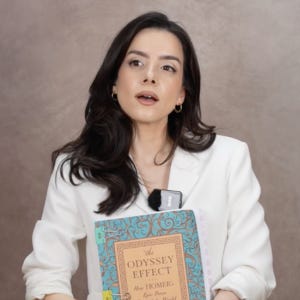
The classicist and the creator behind Youtube’s MoAn Inc. discusses her debut title, the lasting appeal of Homer's poem, and Christopher Nolan's ambitious new blockbuster adaptation.
There’s nothing like a summer blockbuster to get cinema back to the top of the agenda.
A timely reflection on his latest book, the historian and broadcaster explores how the moral clarity and internationalism of Franklin D. Roosevelt and Harry S. Truman shaped the post-war order.
Pairing a free midweek editorial newsletter with exclusive subscriber-only magazine features, interviews and other benefits on a Saturday, we are offering history lovers a more rewarding experience
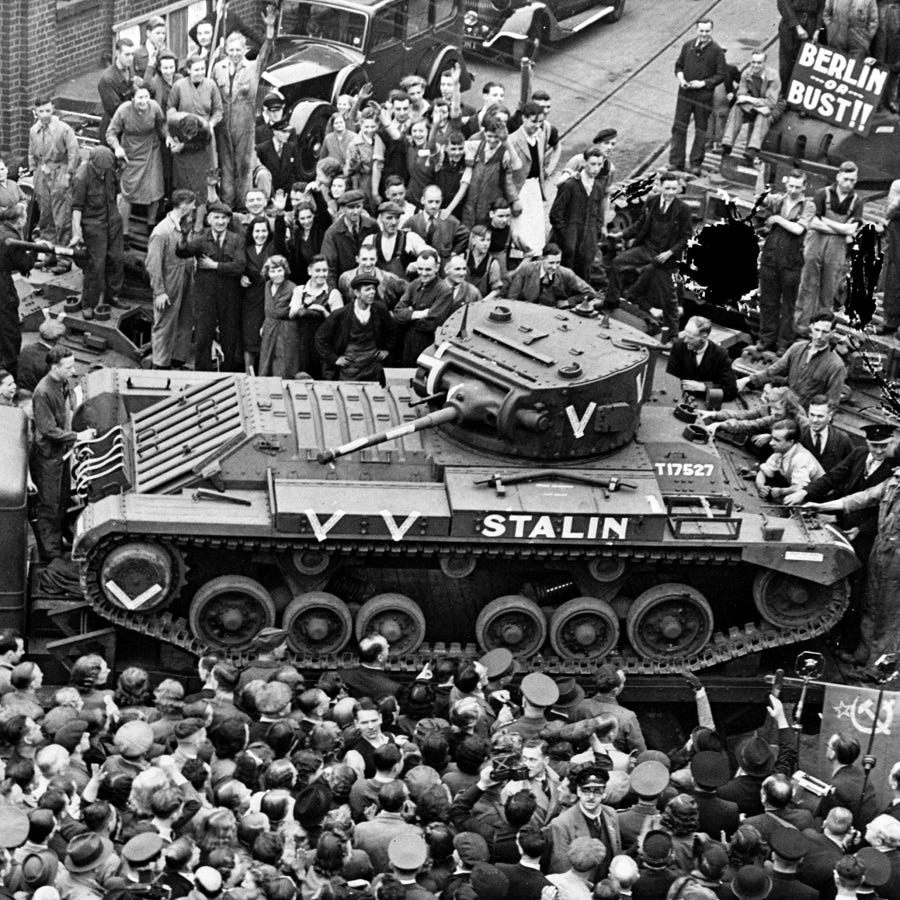
Sean McMeekin argues that it was an allied intervention on behalf of Soviet Russia that led to the triumph of Stalin in Asia, the consequences of which we continue to see today
The power of pilgrimage, the enduring legacy of war, and the significance and delicate nature of truth, memory and reconciliation in an age of renewed global instability – each of these proved to be the inescapable findings of a 1,300km journey on foot across the landscapes of Central Europe, so scarred by conflict over the centuries.
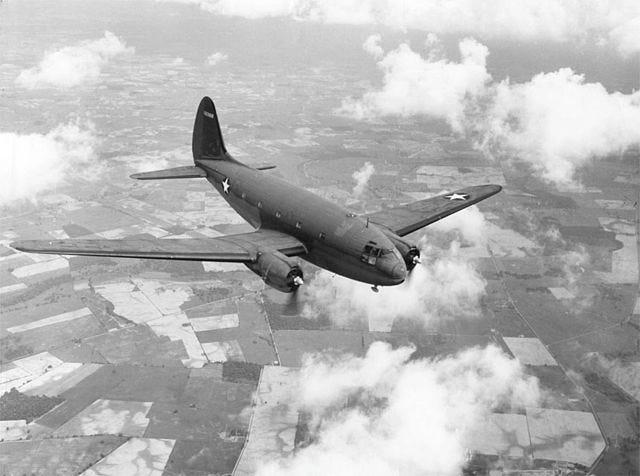
Allied pilots flew treacherous flights over the Himalayas to provide supplies to Chang Kai Shek’s army, and Caroline Alexander describes the mission.
Intelligence gathering in German-occupied Belgium during both wars has been disregarded in the main, but Helen Fry maintains the impact of such efforts were highly significant.
He remains one of history's most scrutinised figures, but Alexander the Great's victories were far from inevitable.
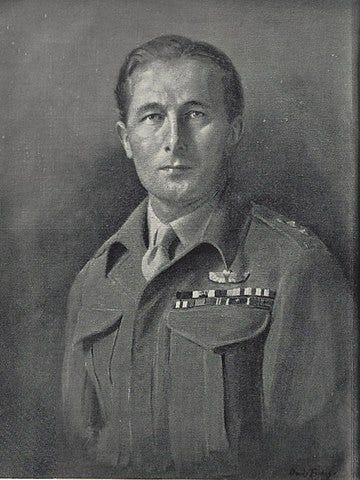
Bill and David Stirling, Jock Lewes and Paddy Mayne were all remarkable SAS officers, but Gavin Mortimer insists there was one more, Roy Farran, who had an extraordinary career.
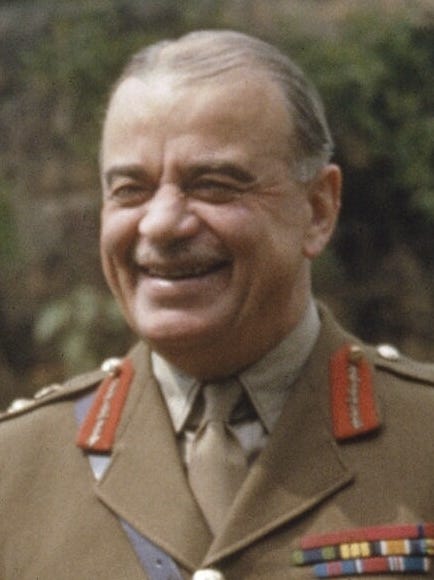
While ‘Pug’ Ismay's public persona and memoirs were models of discretion and diplomacy, his private letters and papers expose sharp judgments of his peers, explains John Kiszely.
Roman Britain might appear a staid topic at first glance, one littered with the usual headliners and the iconic events, Julius Caesar's brief expeditions, Claudius' conquest, Boudicca's revolt and Agricola's northern campaigns.
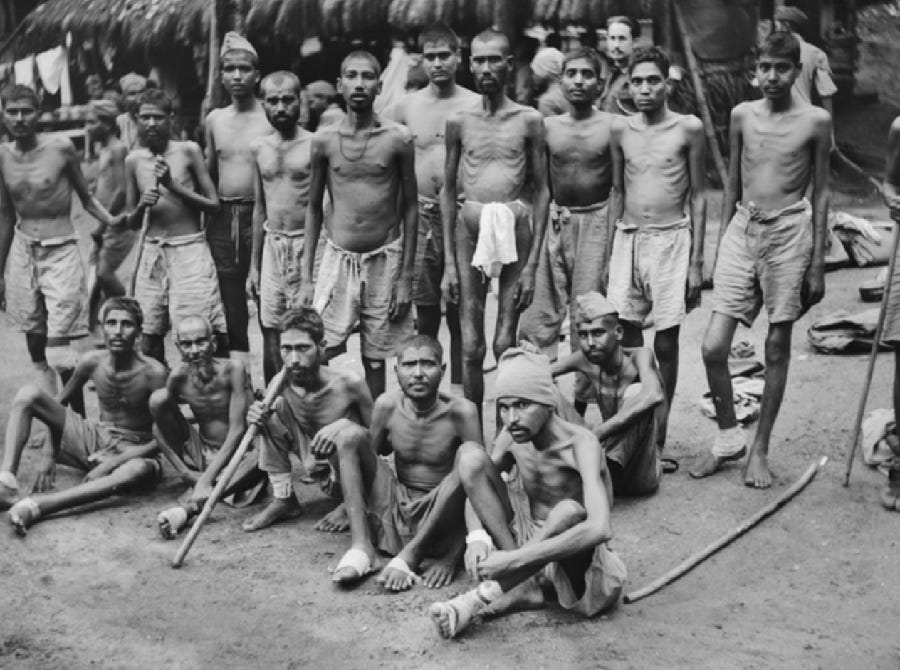
So many stories have emerged in Gautam Hazarika's new book on Indian POWs
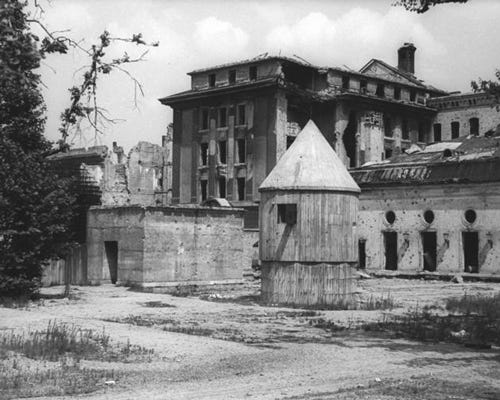
Giles Milton retells he story of Hitler's death in the bunker.
This week, it's a special episode as three of the Aspects of History gang – Antonia Senior, Richard Foreman and Jane Thynne – join Zeb Baker-Smith in person to talk through their recommendations for your holiday reading list.