
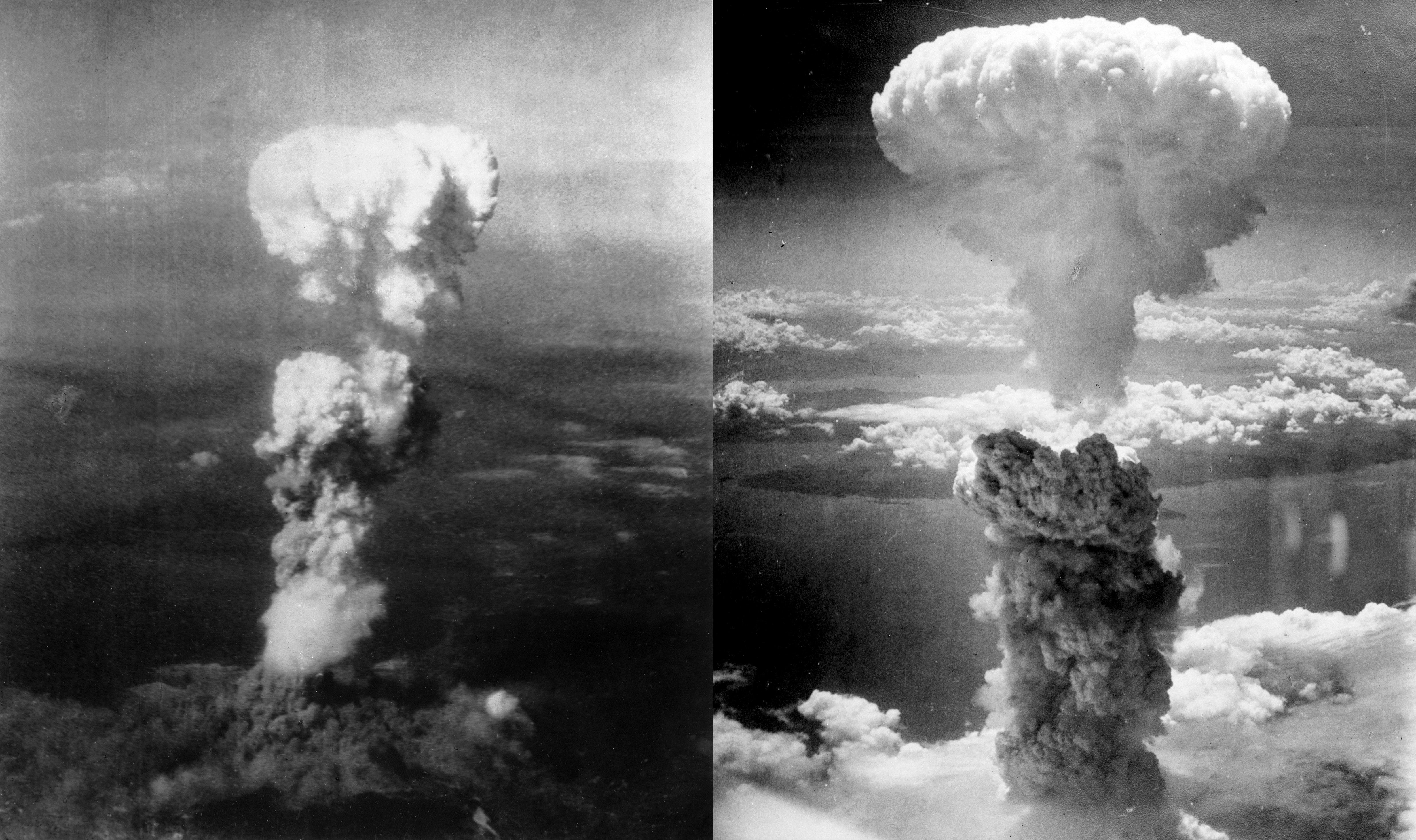
Welcome to the first of our newsletters as we begin August with a revamp of the Aspects of History Substack!
The question is always there: how can we make our offering on Substack more useful and more rewarding for our subscribers?
From this week then, Wednesday’s delivery will become our editorial newsletter – we see this as an opportunity to share the best new content from our website, revisit articles, both new and from the archive, the latest episode from the podcast, interviews and reviews. All with the intention of providing our readers with a glimpse behind the scenes at what we’ve been working on.
Then, each Saturday, our paid subscribers (monthly or, even better, yearly) will receive an exclusive from the latest or forthcoming issue of the Aspects of History magazine: features, interviews and insight from bestselling historians and authors that don’t appear on our website.
We hope this new set-up allows you the best possible chance to enjoy Aspects of History. Thanks, as ever, for reading, and for being part of our growing community.
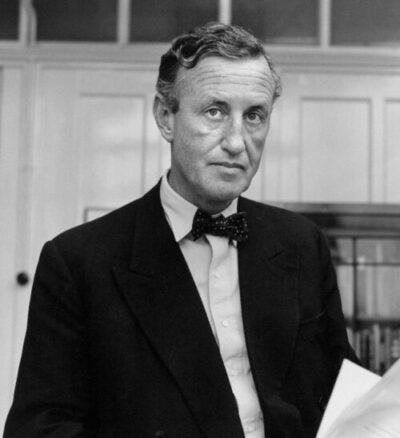
Ian Fleming created the most famous fictional agent in the world, James Bond. However, when he worked for Naval Intelligence during WWII, he made significant contributions to the real world of intelligence, outlines Alan Bardos, author of Hunter Class.
One of Fleming’s most important contributions was the formation of 30 Commando, a specialist unit that captured enemy intelligence.
After a disastrous debut on the Dieppe raid, 30 Commando had success during Operation Torch when they captured an Abwehr Enigma machine. They continued to make a name for themselves during the invasion of Sicily, where they seized another Enigma machine, radar and radio equipment, along with handbooks, logs and codes.
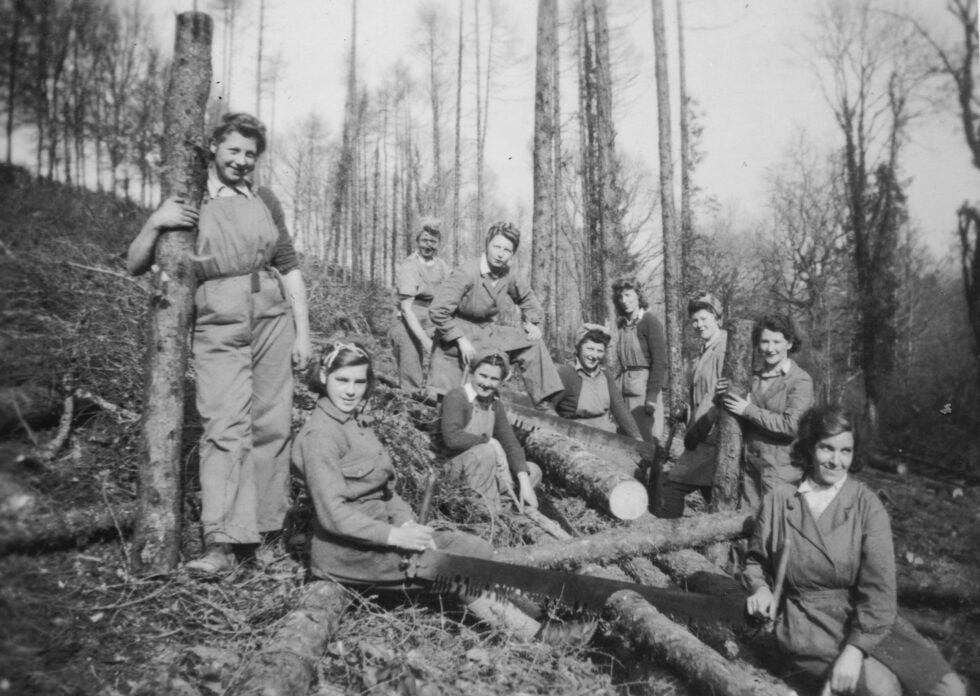
Joanna Foat shares the remarkable story of Britain’s forgotten Women’s Timber Corps – and the decade-long journey that inspired her four books including her latest novel, The Lumberjills Under Suspicion.
When I first stumbled across the story of the Women’s Timber Corps more than a decade ago, I was astonished that I had never heard of them. These young women had felled trees, driven timber lorries, worked in dangerous sawmills and helped keep Britain fighting during the war, yet their contribution had almost disappeared from public memory. That discovery changed the course of my life.

The author reflects on the lifelong influences behind his passion for the Second World War, his people-first approach to research and storytelling, and his determination to uncover the forgotten acts of courage in his new book, The Nazi Ghost Train.
What first attracted you to the period or periods you work in?
My work has taken in many areas, but my focus has been World War Two and I suppose I have to ask myself where that interest came from. There’s no doubt I was influenced by what I read as a child – everything from Warlord magazine and Commando books to Alistair MacLean and Jack Higgins. But one of the things which ignited my interest in resistance and the evasion lines, in particular, was the BBC TV series Secret Army which hooked me as a child and which I still revisit every few years. My passion is story-telling, bringing people and events alive for modern readers.

A powerful novel that melds an intimate cross-cultural love story with the political tensions of modern Tibet, assesses Margarita Salcevich.
There are historical novels that inform you, and there are historical novels that unsettle you, and it’s rare to find one that manages both. A Tibetan Girl Called Ata, the first English-language novel from Xiao Hei (the pen name of Zhang Pu, brother of Wild Swans author Jung Chang), is firmly the latter. Translated by Esther Tyldesley and set against the 2008 unrest in Lhasa, it follows Han Ge, a middle-aged antiques dealer from Chengdu, and Ata, a Tibetan folk singer whose voice pulls him into a love affair neither of them is really equipped to survive.
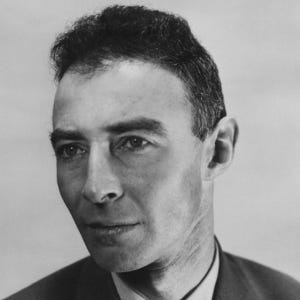
As the 71st anniversary of Hiroshima being bombed approaches, our archive pick this week sees David Boyle outline the accusations of communism that dogged ‘the father of the atomic bomb’ for the rest of his life.
“The atomic clock ticked faster and faster. We may anticipate a state of affairs in which two great powers will each be in a position to put an end to the civilisation and life of the other, though not without risking its own. We may be likened to two scorpions in a battle, each capable of killing the other, but only at the risk of his own life… This prospect does not make for serenity.”

This week on the pod, Zeb Baker-Smith, Editor of Aspects of History, is joined first by classicist and YouTuber Erica Stevenson (aka MoAn Inc.) to discuss her new book, The Odyssey Effect, and explore the extraordinary afterlife of Homer’s poem, from the epic tradition’s oral beginnings to this year’s long-awaited adaptation, before welcoming film editor Henry Thackray for an in-depth chat about the film itself.
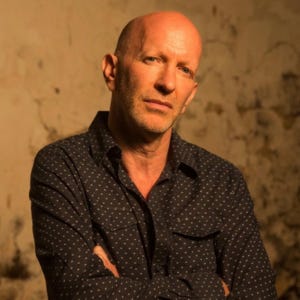
The bestselling historian is set to discuss his forthcoming title, The Cauldron, with Justin Doherty, pinpointing how empire, religion, ideology and geopolitics have shaped one of the world’s most disputed regions.
Great to have you back in the Aspects of History hotseat, Sebag. What inspired you to tackle such a complex, knotty challenge as untangling a century of complexity and mayhem in the modern Middle East?
The Cauldron is a history of the entire Middle East – all 19 countries, all sects, all peoples – over the last 125 years. Its mission is to tell the history of how the region of today was created since 1900 and it ends with the American-Israeli attacks on Iran on 28th February 2026 so it is pretty up to date. I wanted to write this book, because, surprisingly, this book did not yet exist.
This exclusive interview will only be available to paid subscribers.
Until Saturday morning then…
Zeb Baker-Smith, Editor of Aspects of History.
Comments
Nothing yet. Say the first thing.
Sign in to join the conversation.