When the Best Choice is Not to Fight
Sometimes self-protection is not about what you can do physically, but whether you can prevent the situation from becoming physical at all.

Adam Carter – Practical karate, bunkai, awareness, and real-world self-protection from 50+ years of training. Depth over surface. Founder of Shuri Dojo (shuridojo.org).
Live Last read · last published · next check
Sometimes self-protection is not about what you can do physically, but whether you can prevent the situation from becoming physical at all.
What repetition teaches us, and what can happen when something changes.
Before deciding whether a method works, we first need to understand what it is supposed to achieve.
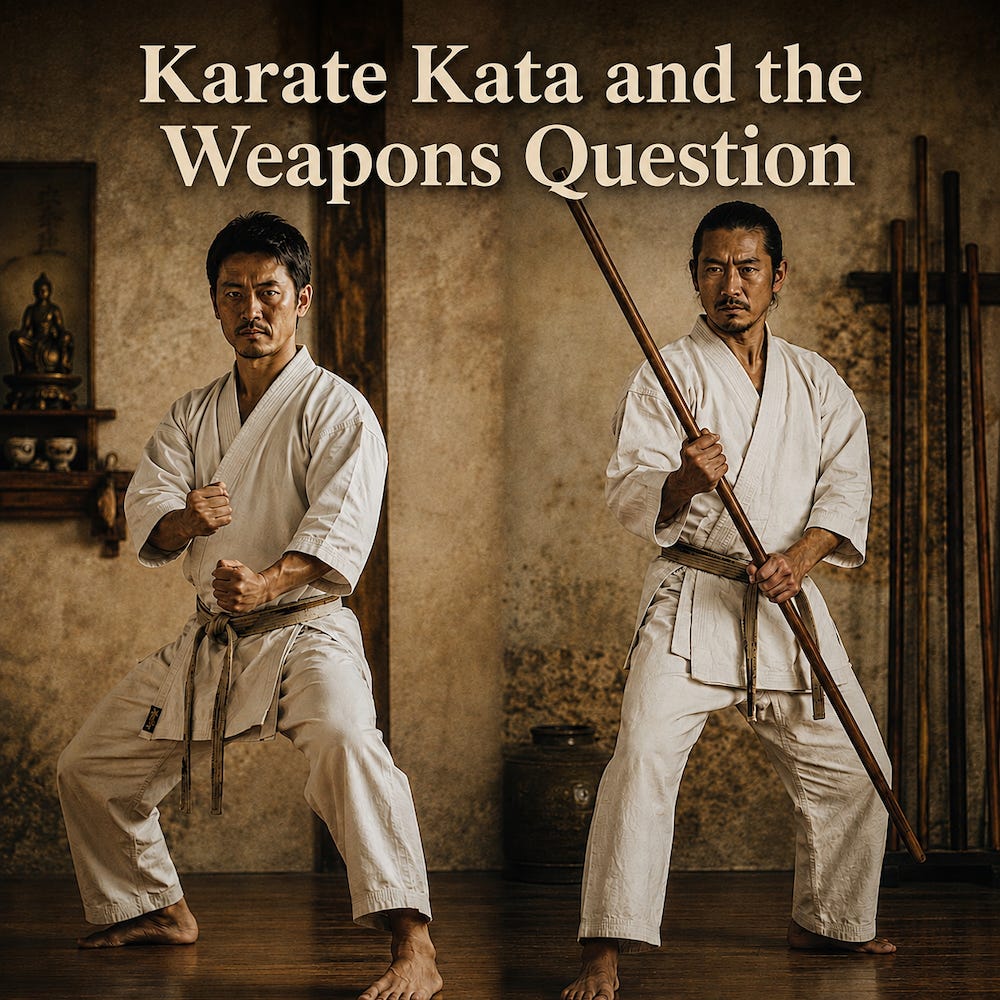
Being able to use a weapon within a karate kata does not mean the kata was originally designed for one.
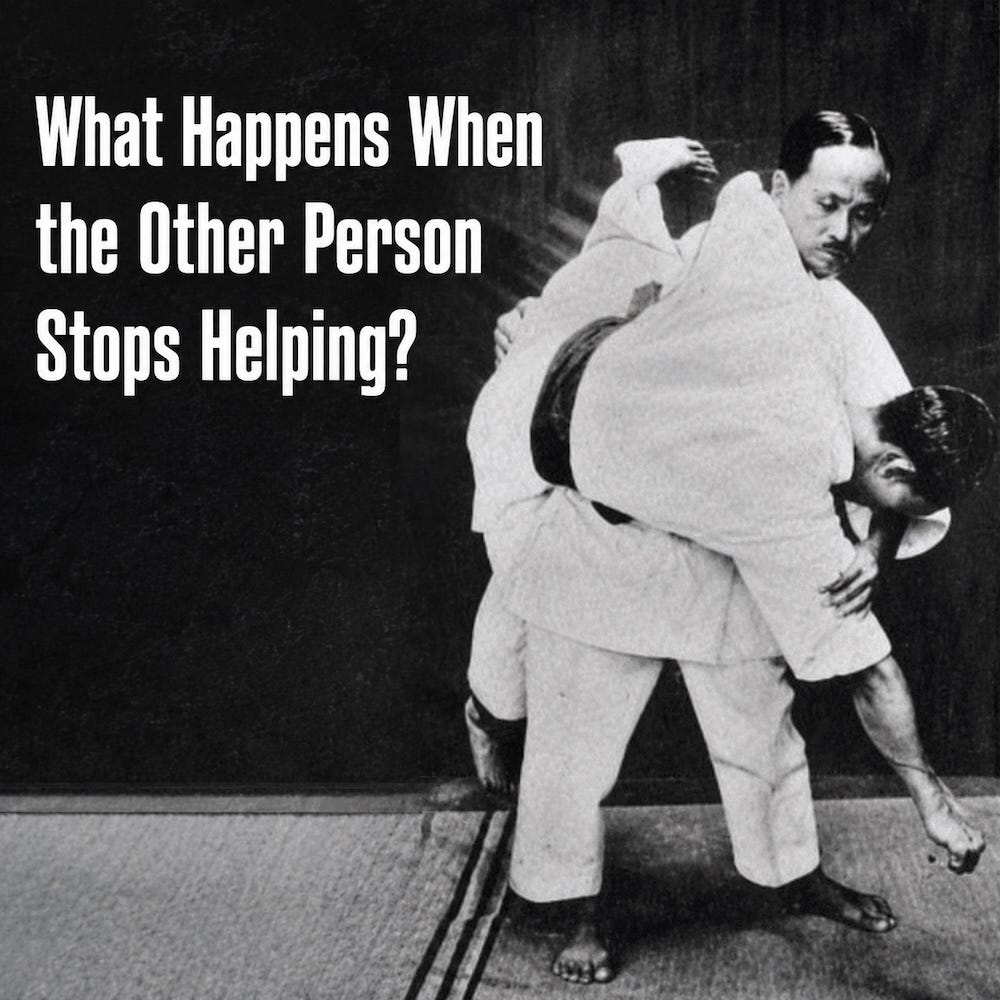
What resistance reveals about the difference between learning a method and being able to use it.
What resistance reveals about the difference between learning a method and being able to use it.
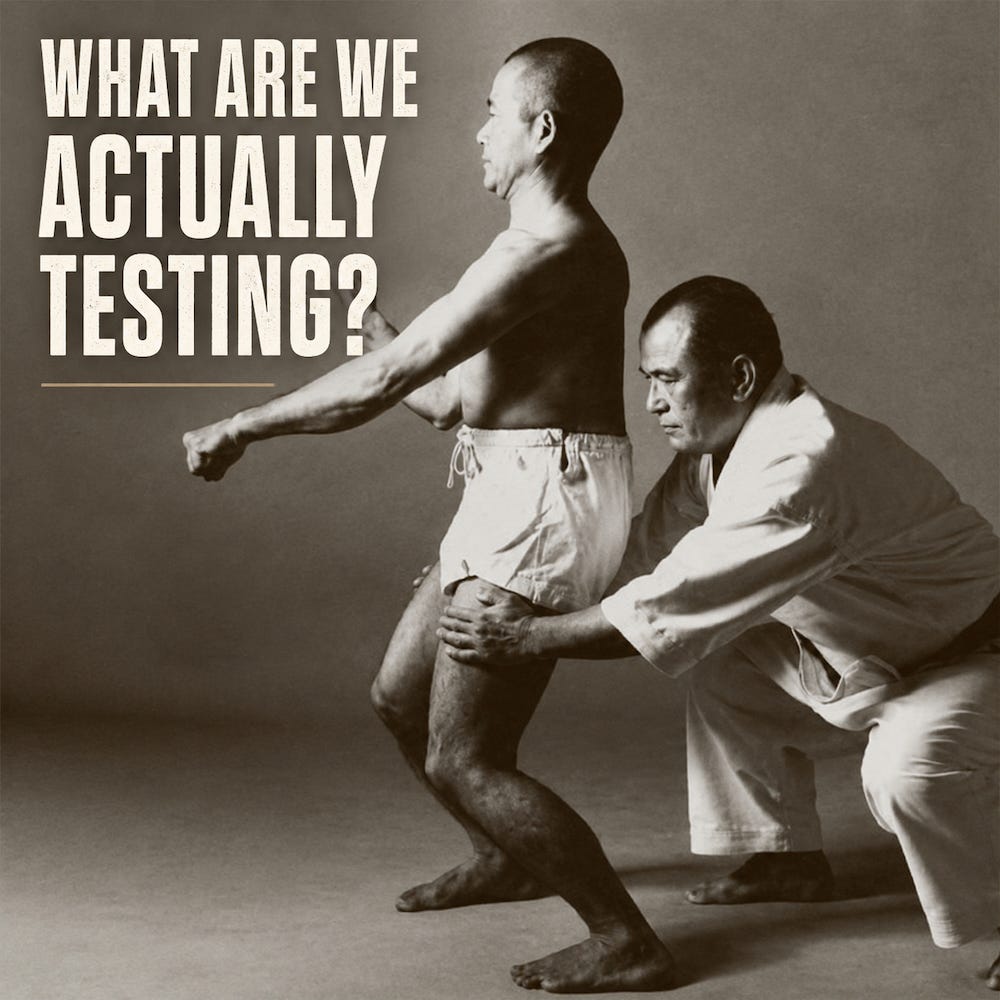
When testing becomes more about endurance than understanding, it may be worth asking what the student is actually learning.
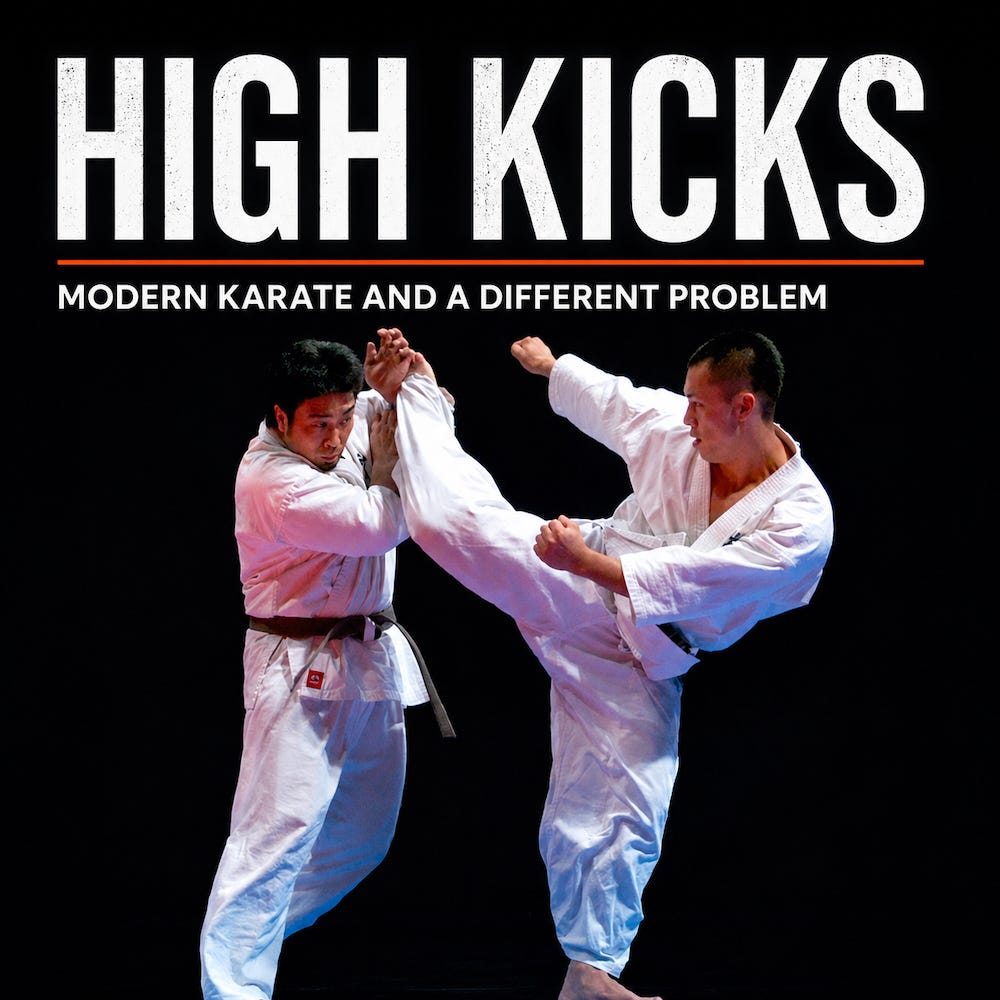
Why a technique that works so well in modern karate may not always be the best choice for self-protection.
A few years ago I came across a quote from Minoru Higa sensei of Kyudokan Shorin-ryu that I found interesting.
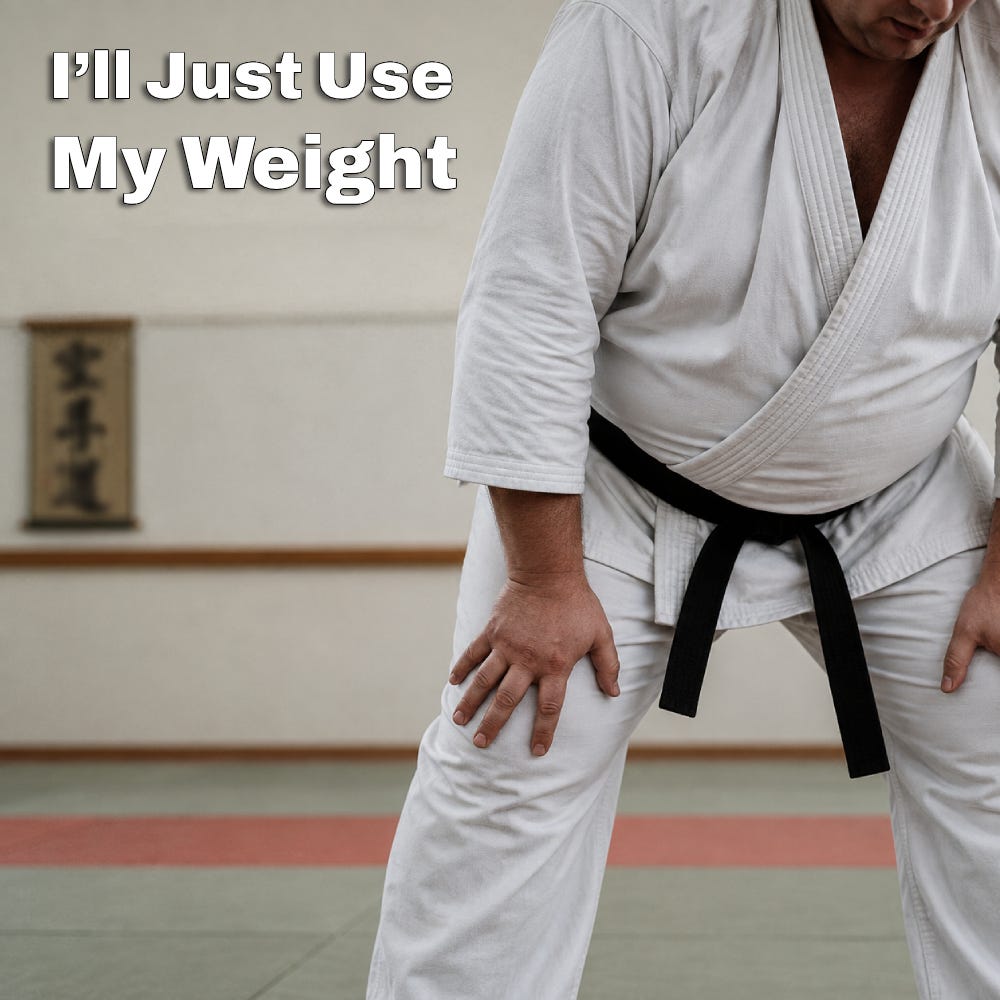
Size and strength matter, but neither can guarantee how long you’ll have to keep going.
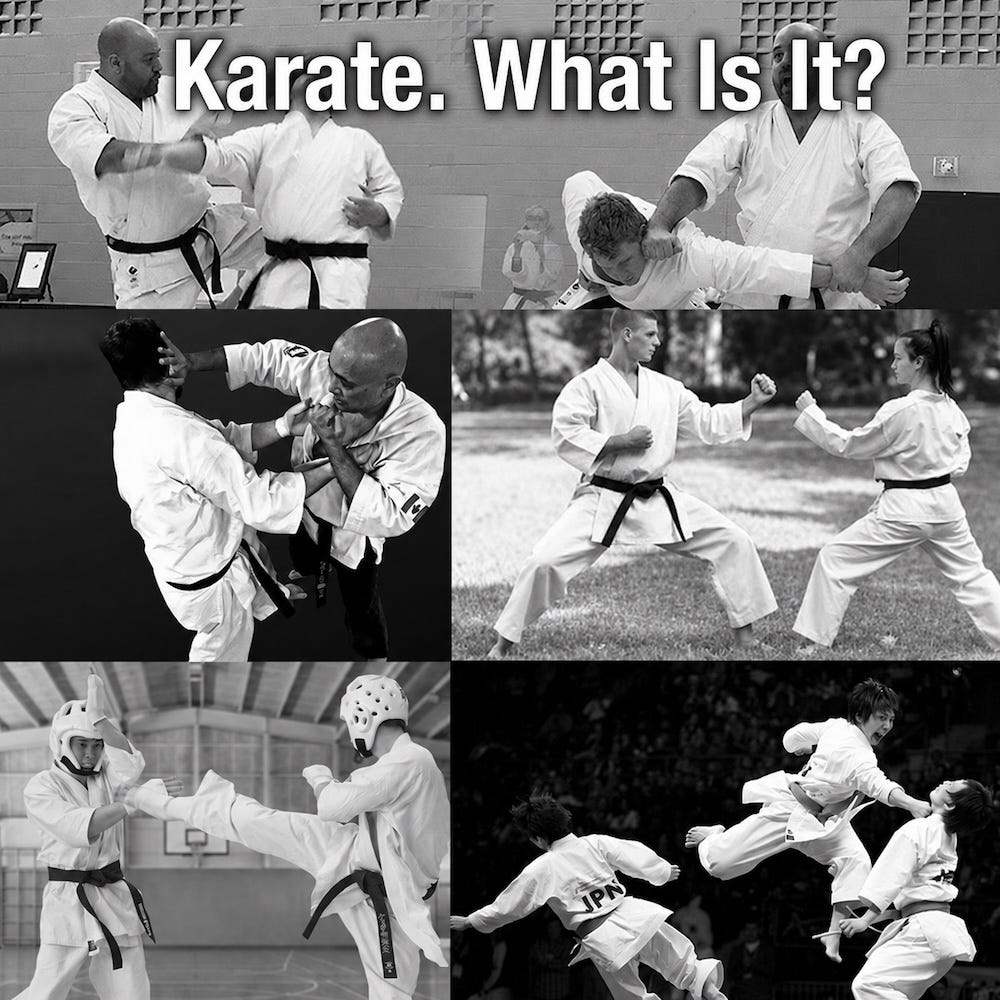
The same name now covers very different ways of training, with very different purposes.
When experience outside karate helps us recognize what may already have been there.
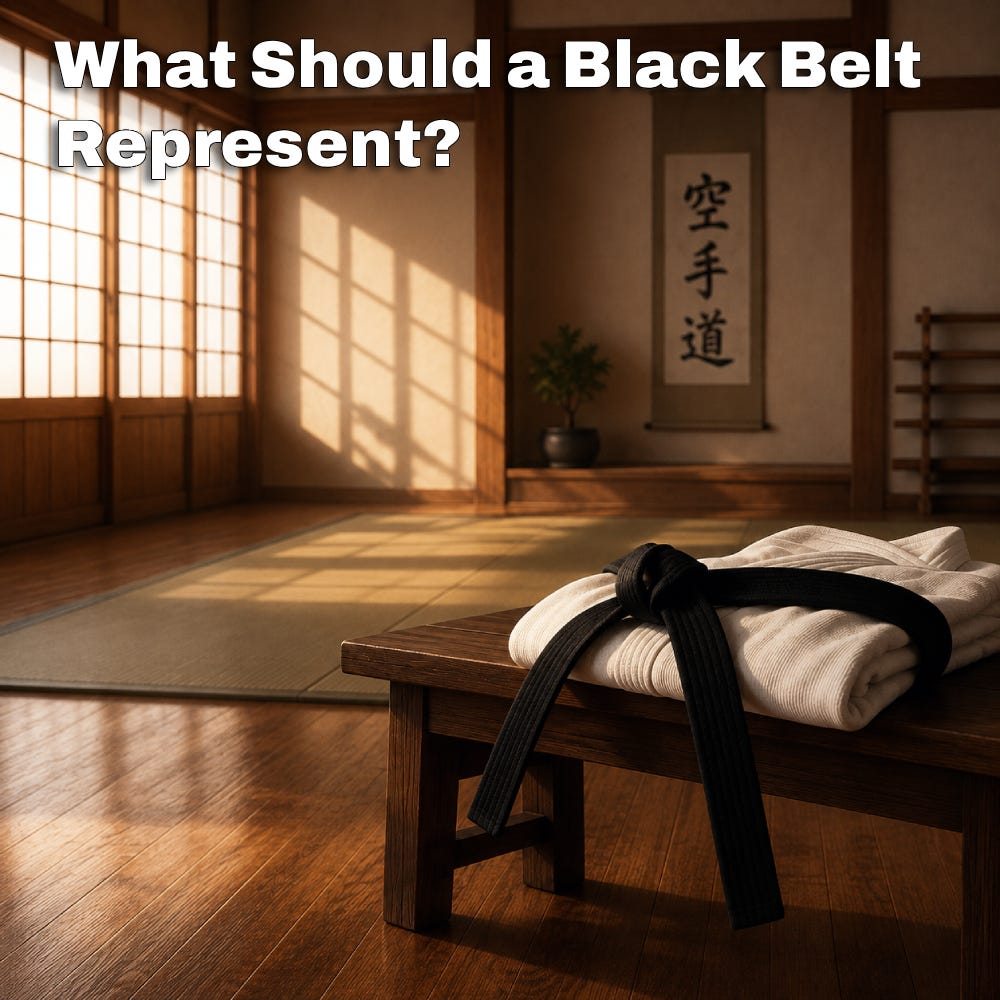
If the purpose of karate has changed over the years, has the meaning of its most recognized grade changed with it?
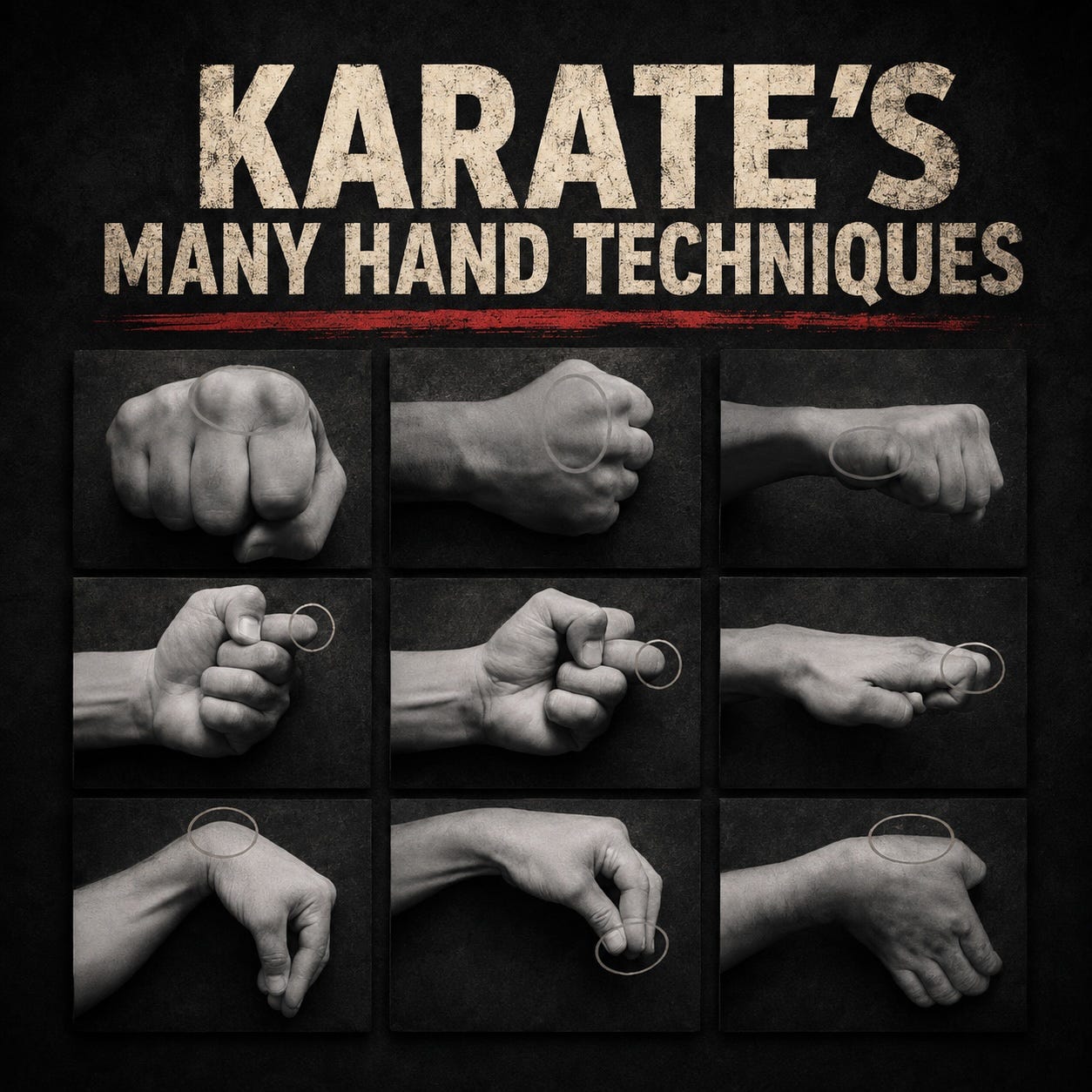
Karate has names for countless hand formations, but usefulness depends on whether the body can adapt when precision and control disappear.
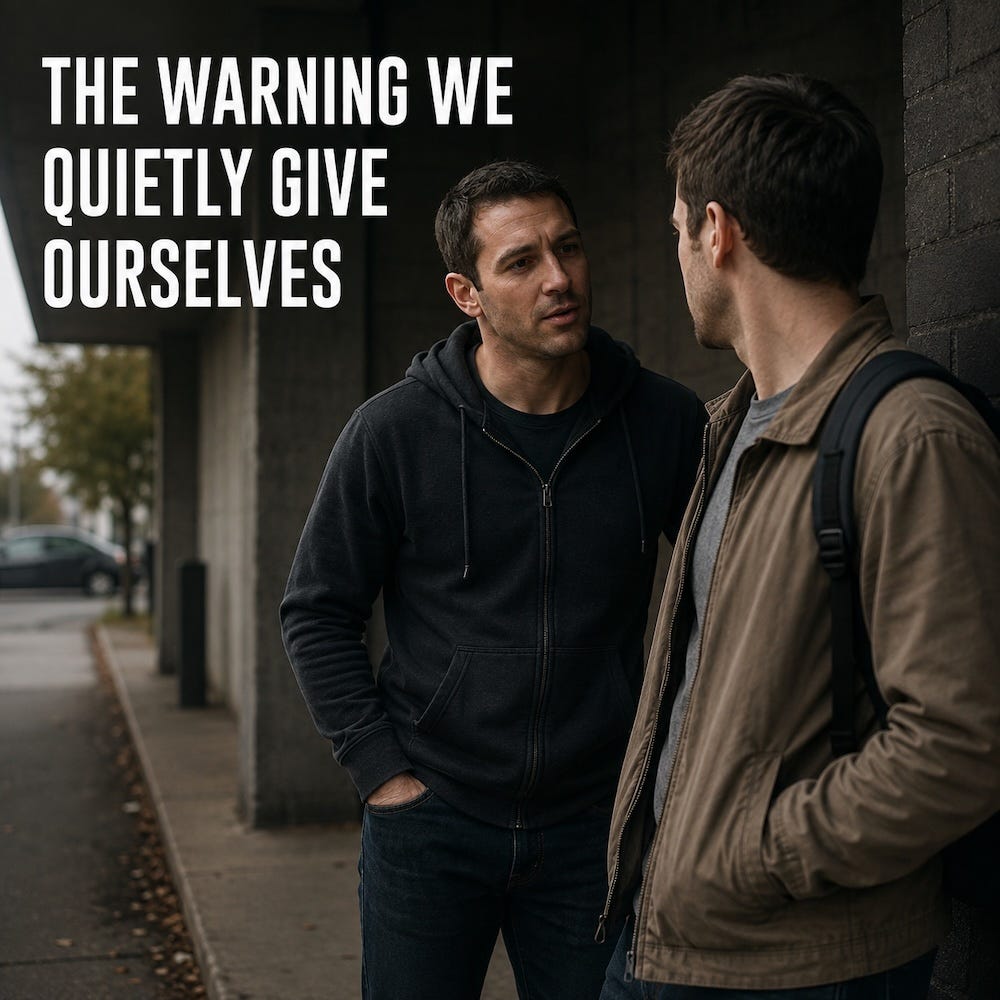
What training quietly removes before the attack has even begun.
A few quiet minutes in the dojo before the familiar rhythm of training begins.
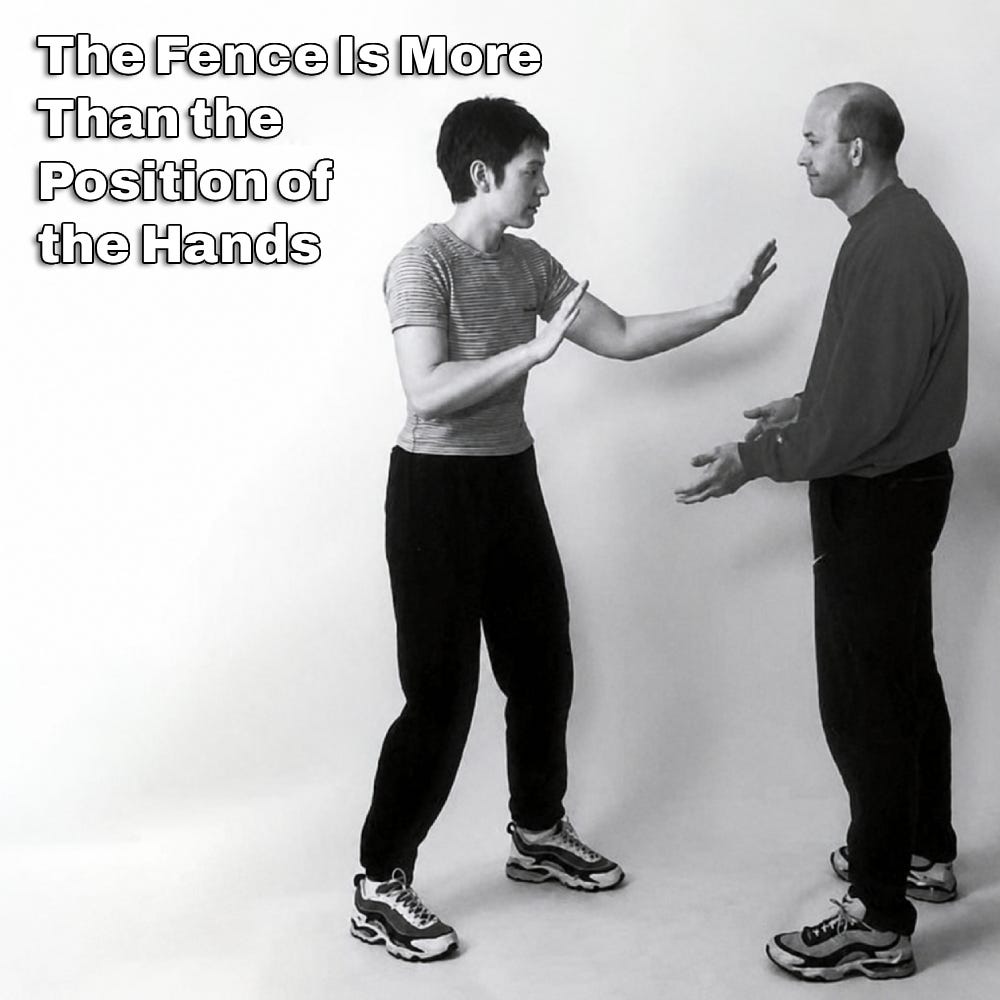
Why the fence is not simply another guard, but a way of managing distance, communication and intent before violence begins.
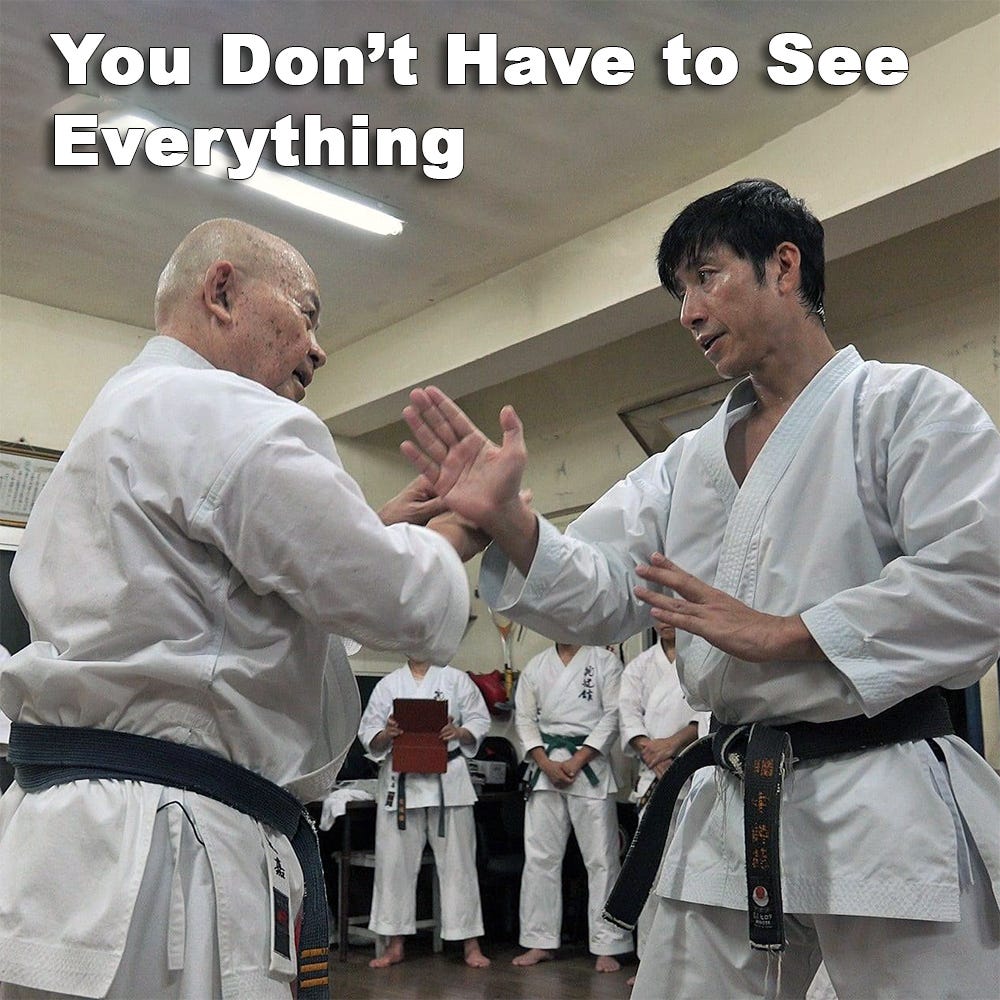
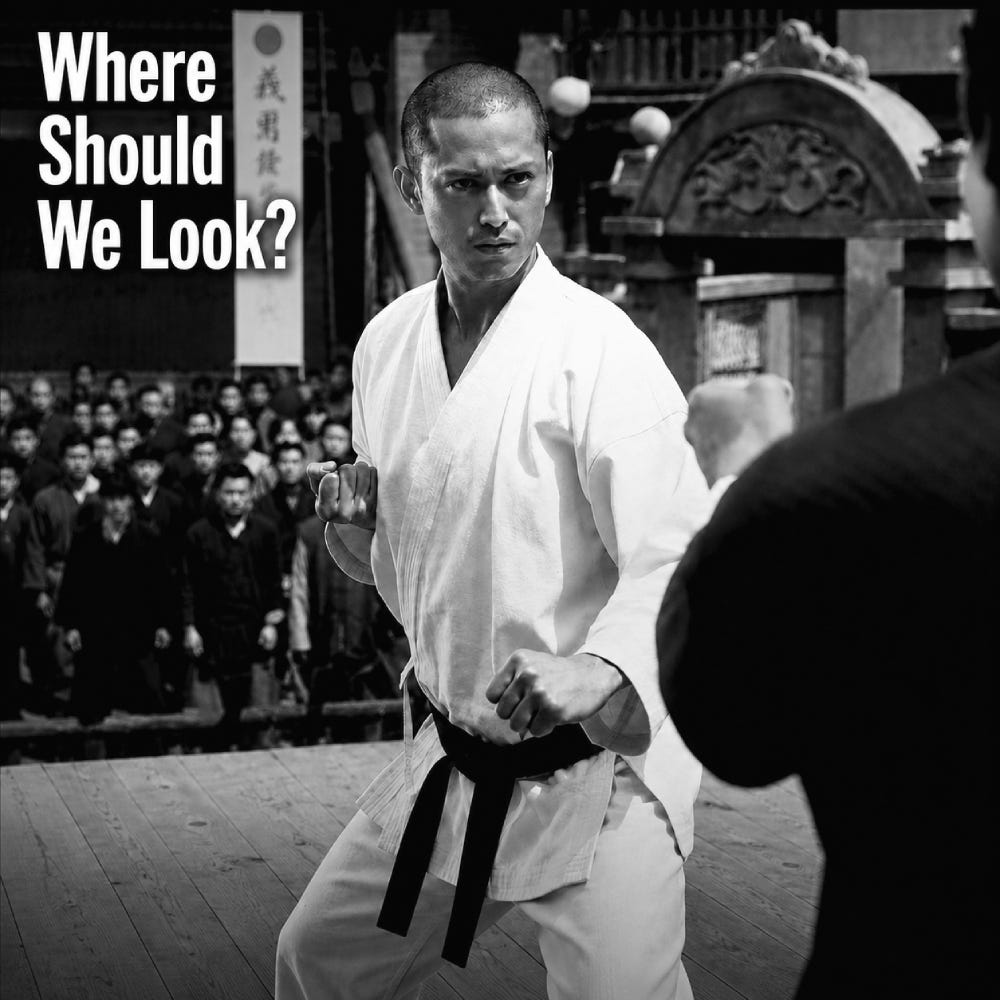
Why concentrating on one part of the body may cause us to miss what is happening elsewhere.
Why the habits that make sense in a fight may work against us in self-protection
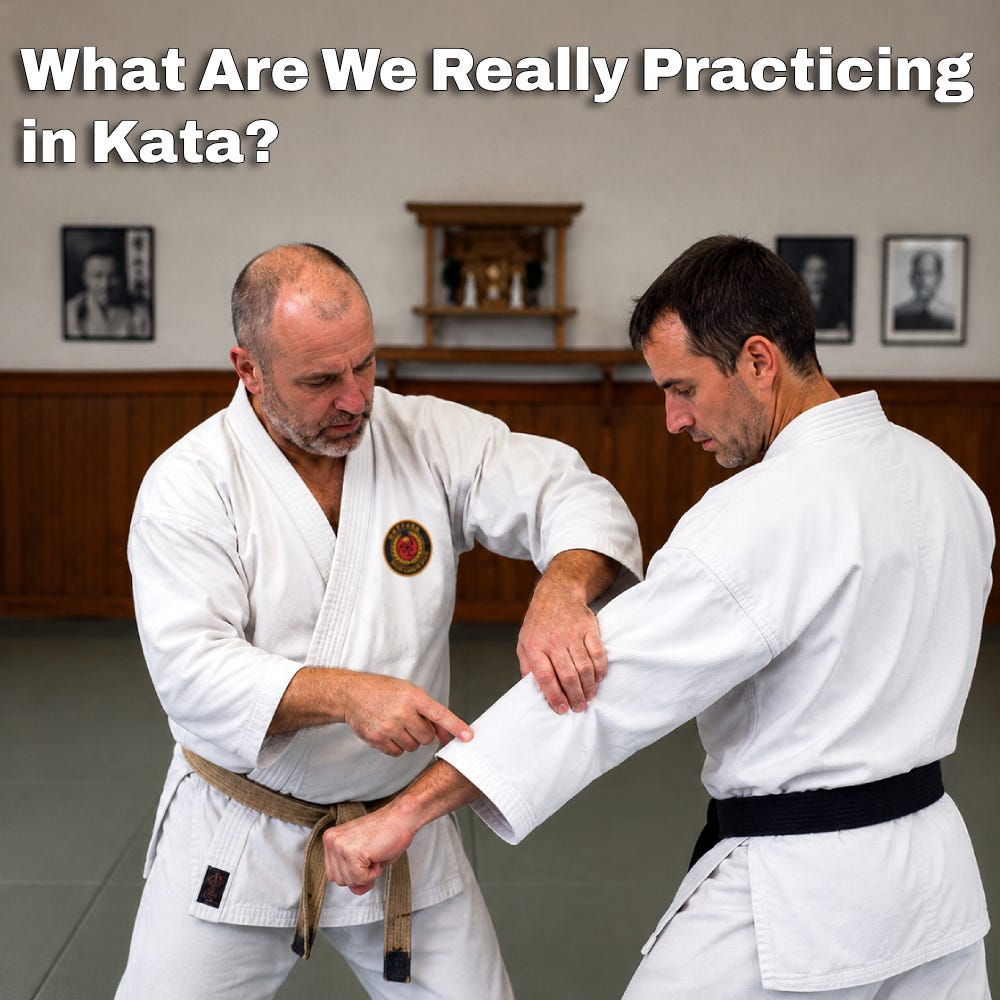
The value of kata may depend less on how well we perform the sequence and more on what we understand it to represent.
What we inherit matters, but that does not mean it should remain unchanged.
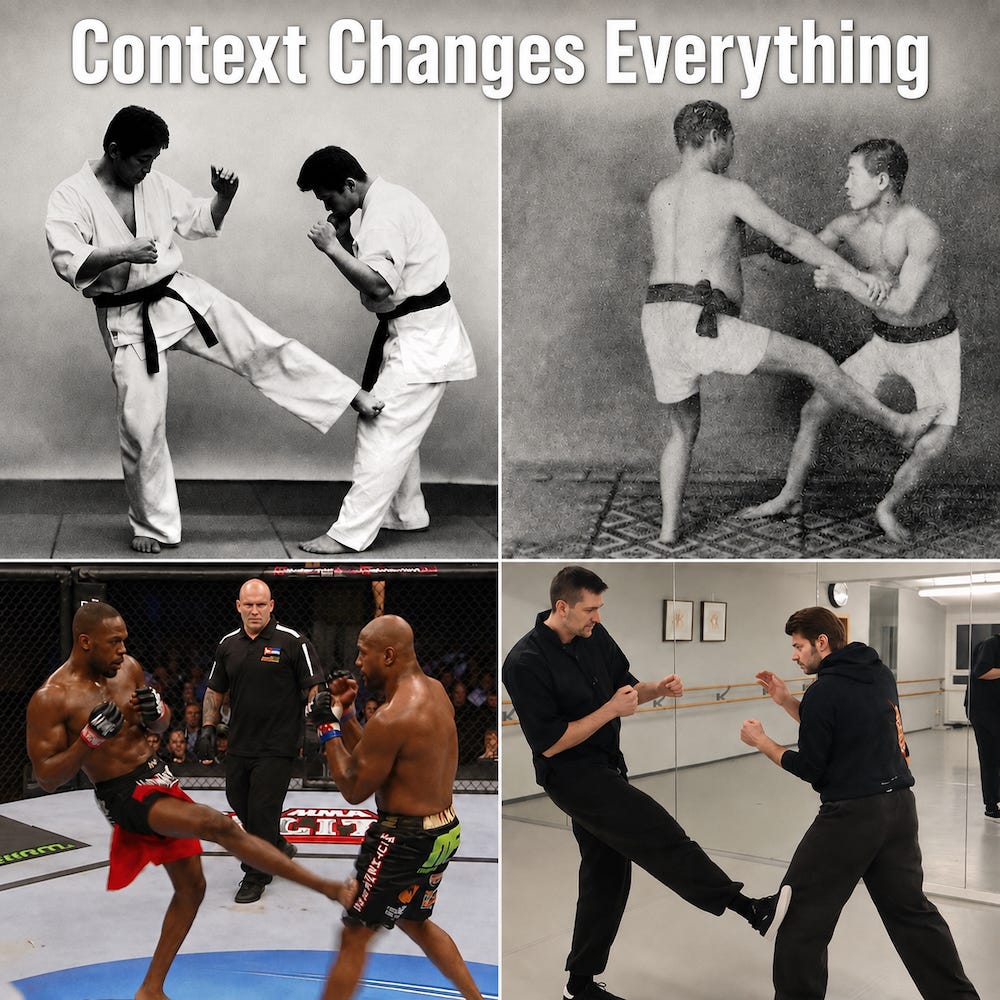
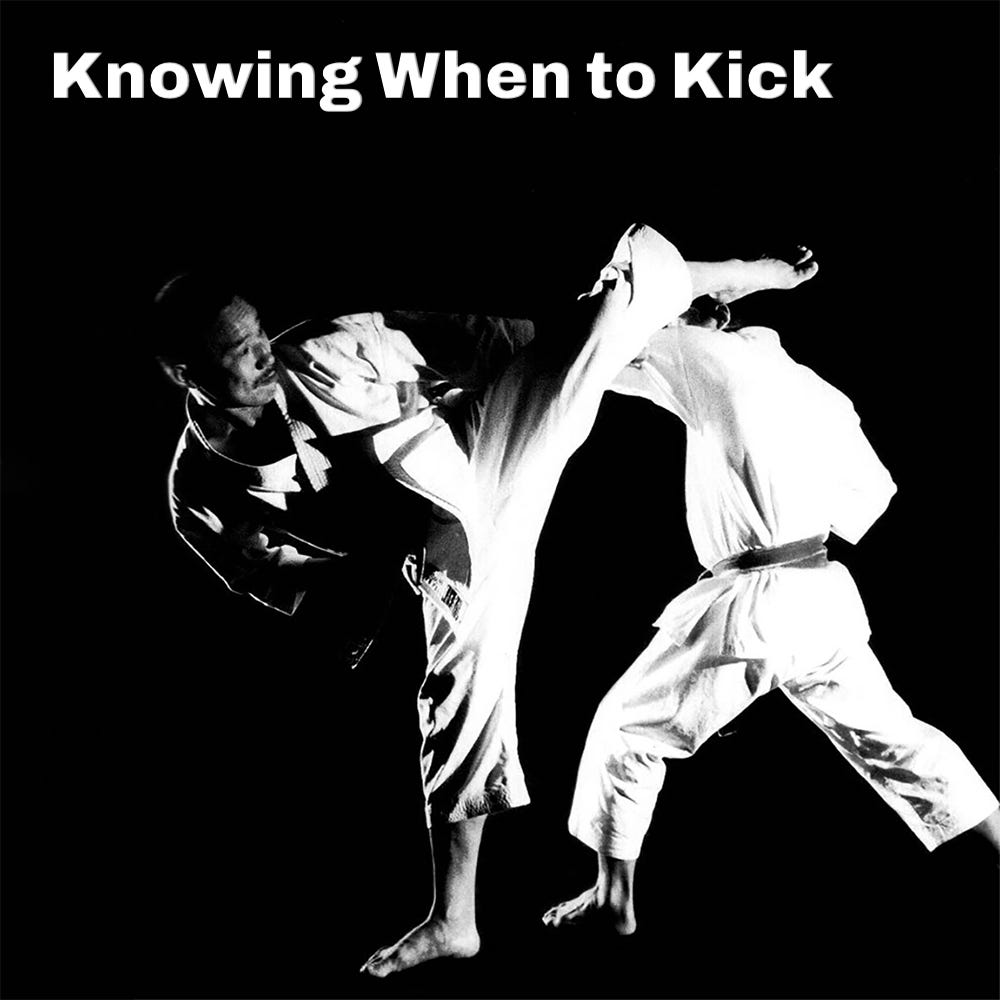
Kicks have value in self-protection, but their usefulness depends on context, timing, and the person using them.
How experience can deepen our understanding while quietly limiting what we are willing to reconsider
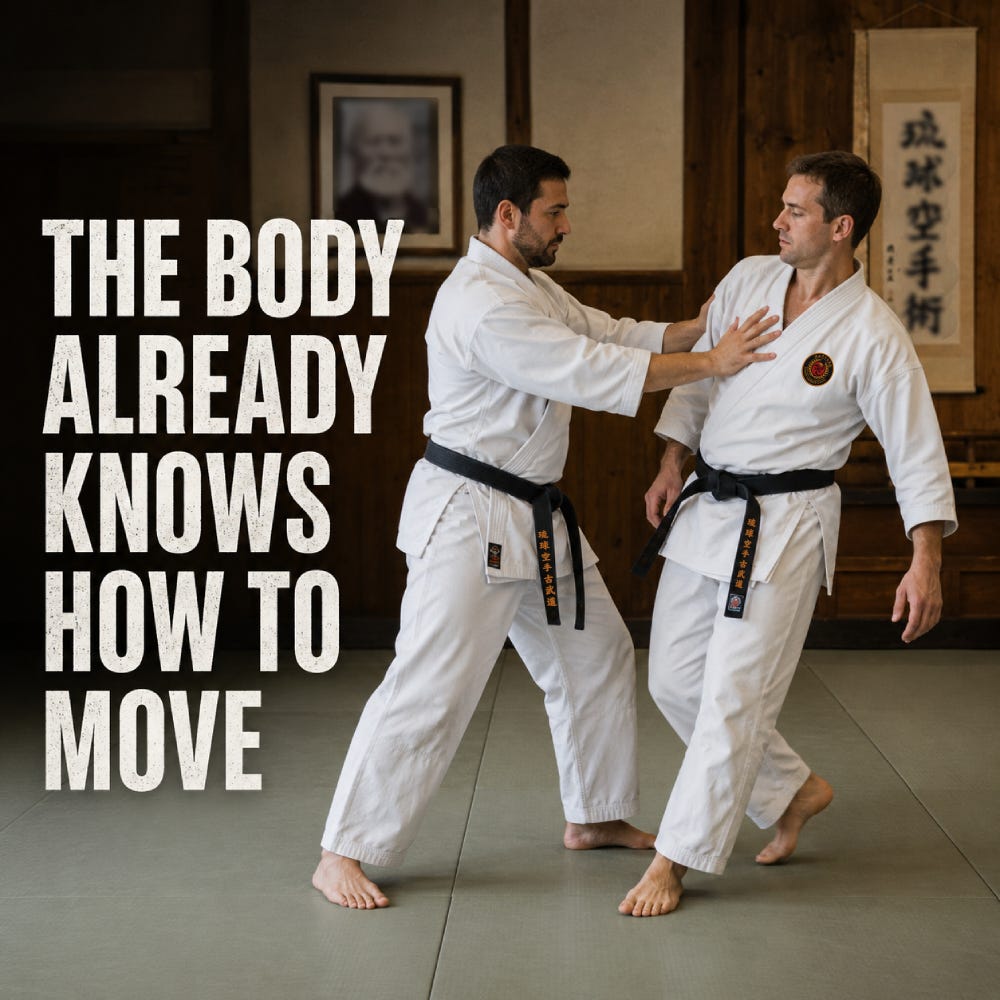
Good instruction begins by connecting unfamiliar movements to actions the student already understands.
Many self-defense classes begin at the point where self-protection has already failed.
Why the word “art” does not mean beauty, performance, or freedom from function.