The Difference Between What Users Say and What Counts as Data
Four common mistakes that turn opinions into findings

I’ve spent years helping startups and product teams design experiences that users actually love. On this newsletter, I share what works (and what doesn’t) in real-world product design: human-centered insights, frameworks, and mental models.
Live Last read · last published · next check
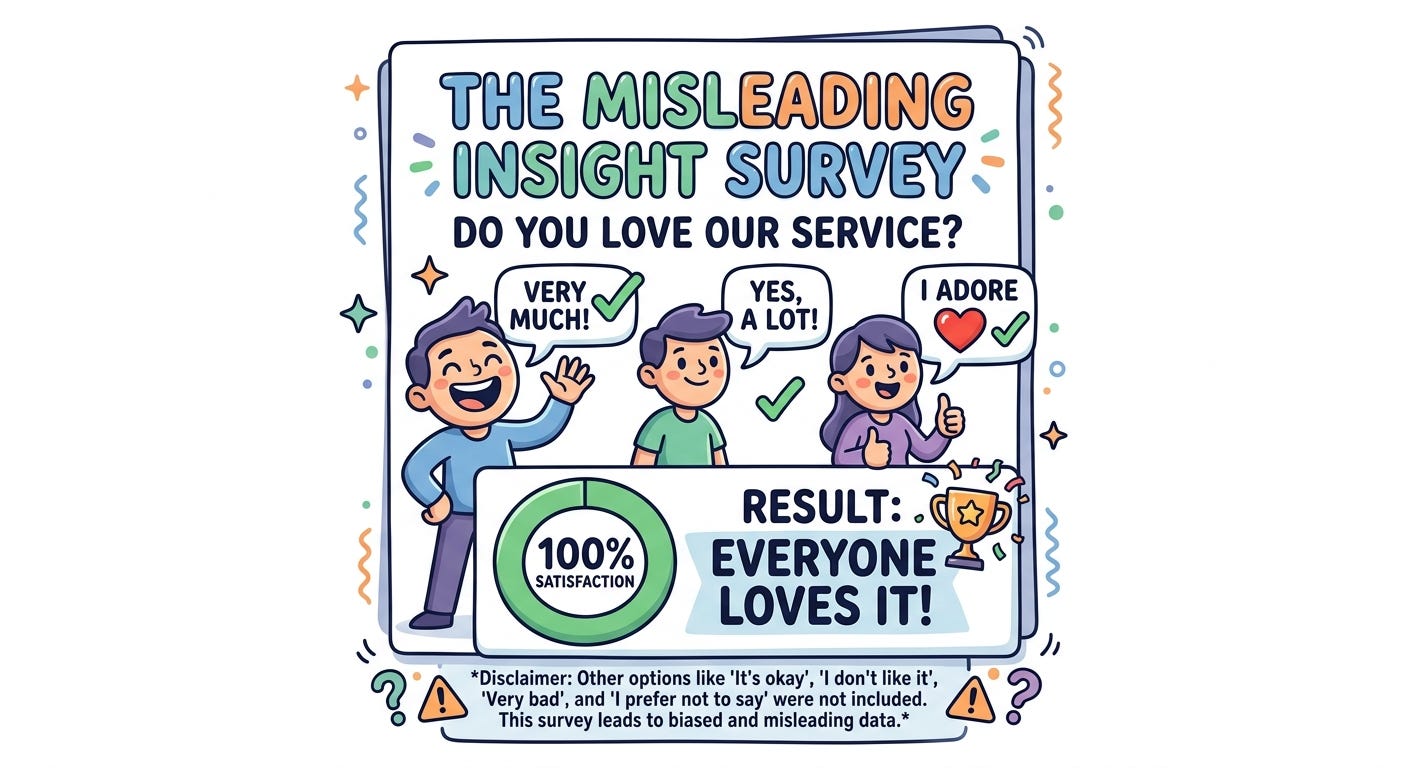
Four common mistakes that turn opinions into findings
The research behind question design, limitations, and the decisions that shape your data before anyone responds
How Real-World Experience Shapes Every Digital Interaction
What building for emotion actually requires from product teams
The invisible pipeline underneath your AI tools, and why understanding it changes how you build
How rigorous user segmentation can add a layer of precision to your research and change what you actually build.
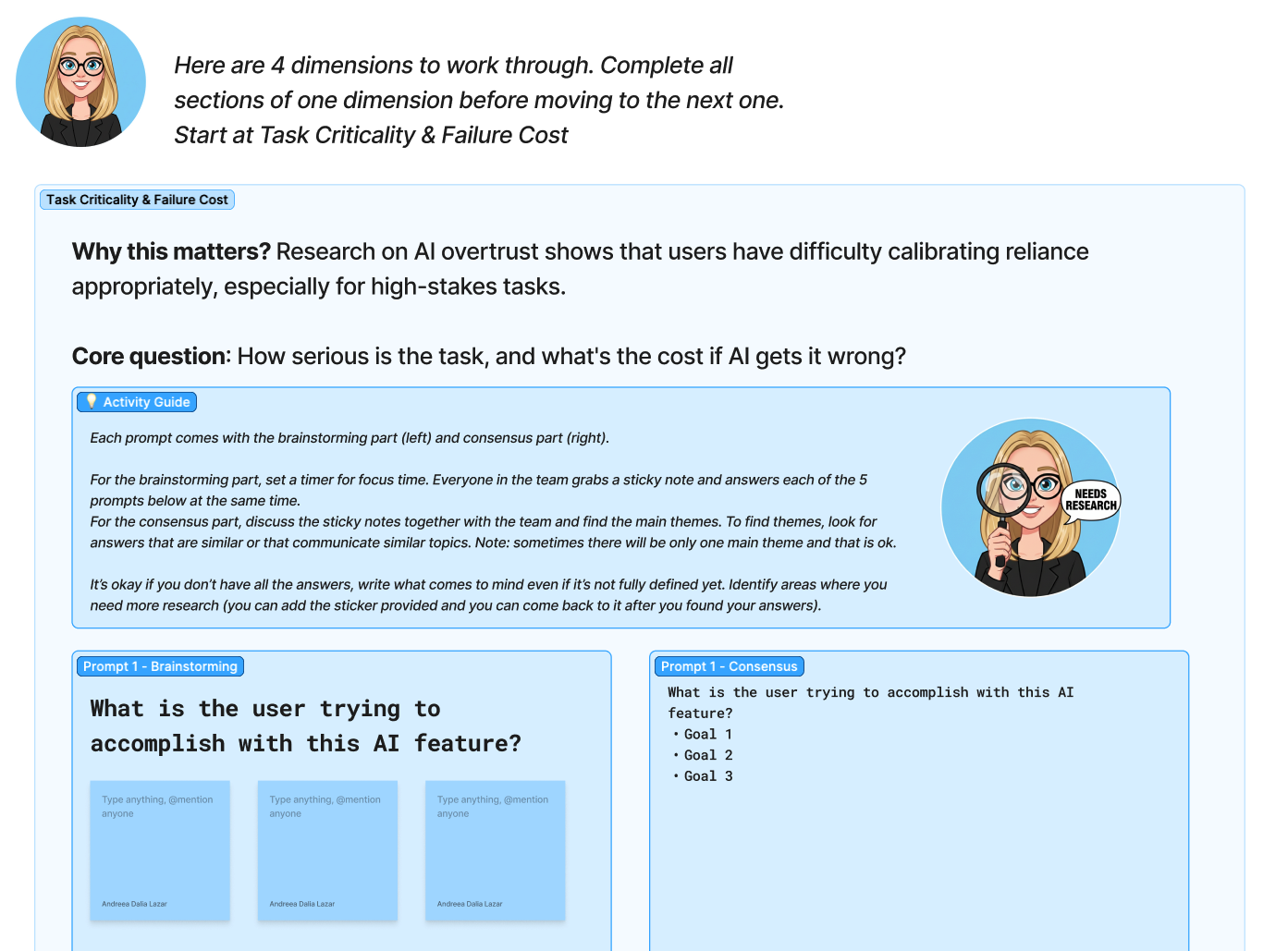
A practical workshop canvas for founders and product teams to assess AI feature risks before launch, based on HCI research on trust calibration.
Research shows AI trust degrades over time and doesn't recover when systems improve. This isn't an AI problem, it's a UX problem. And it's compounding.
After 10 years of interviewing users, I still caught myself making a classic research mistake. Here's what it revealed about the importance of interpreting answers the right way.
Why perfect surveys can still produce confusing results, and how to get clarity with context, segmentation, and critical thinking.
Context Matters More Than We Think: A UX Research Lesson From Netflix’s Redesign
A framework for vibe-coding with the user in mind
Why prompt engineering is a coping mechanism for a broken UX
A Human-Computer Interaction perspective on pricing, predictability, and control
The two brains theory
Usability tells us whether a system works.
Every January, we redesign our lives.
We talk a lot about user experience as if it’s neutral, a tool for clarity, efficiency, and delight. But UX is power.
A deep dive into infinite scroll: the usability darling that quietly reshaped how we navigate content, and why HCI research suggests it deserves a closer look.
To anyone blindly believing anything AI tells you, copy-pasting without doubting a generated text, trusting it with complex tasks, data analysis or even worse, saying it can replace researchers: