a translation problem
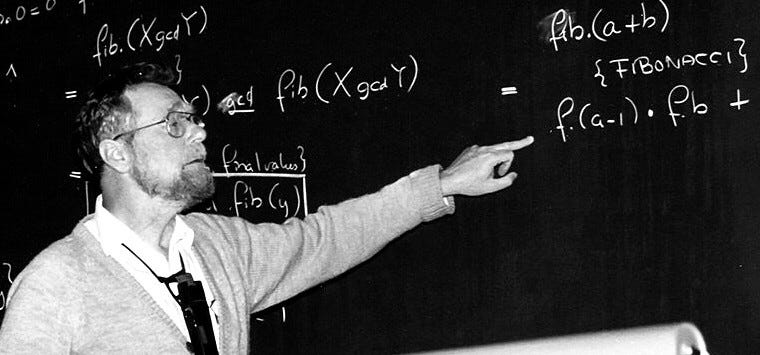
In this position paper for a panel discussion on "Computers and Society" (EWD867, 1983), Edsger Wybe Dijkstra argues that computers were systematically oversold.

Good passages from good books.
Live Last read · last published · next check
In this position paper for a panel discussion on "Computers and Society" (EWD867, 1983), Edsger Wybe Dijkstra argues that computers were systematically oversold.
In Invisible Cities (1972), Italo Calvino constructs a series of imagined cities, using them to examine memory, perception, desire, signs, and the forms through which we understand experience.
In Discourses on Livy (written c.
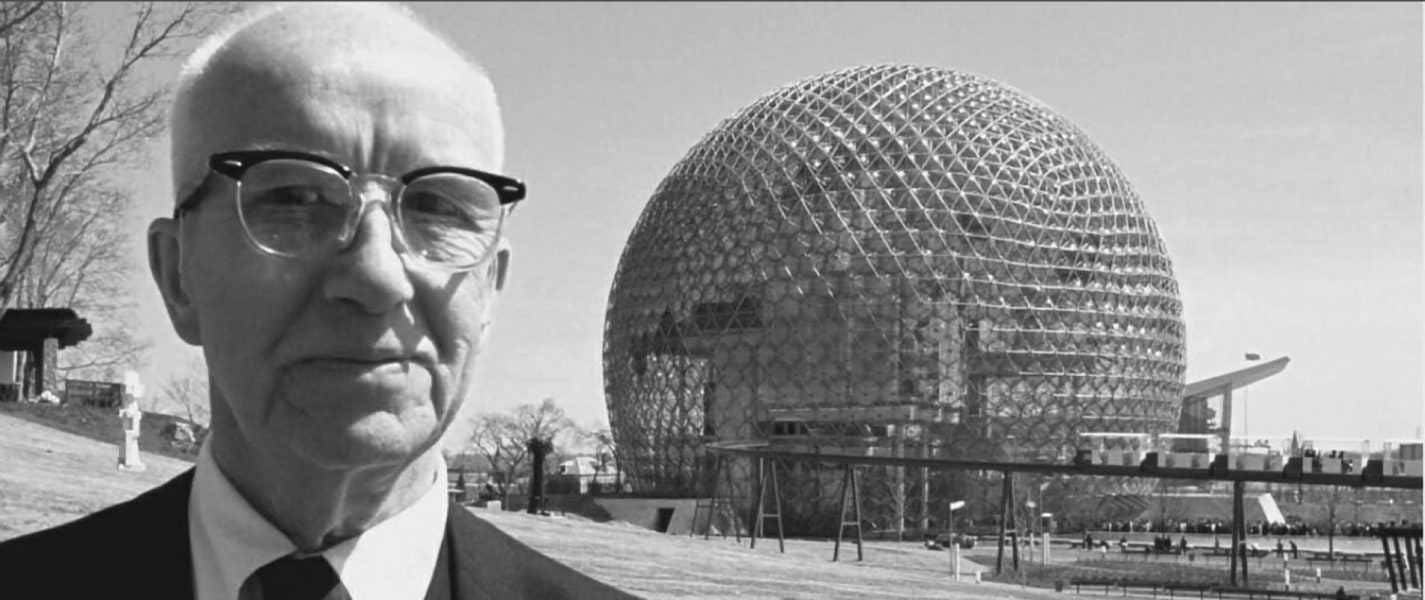
In Operating Manual for Spaceship Earth (1968), Buckminster Fuller relates Earth to a spaceship flying through space, and shares some ideas about how humanity might navigate it, since there is no instruction manual and its resources are finite.
In Concerning the Spiritual in Art (1911), Wassily Kandinsky argues that painting should not be imitation of the visible world but instead serve to manifest the inner spiritual reality.
This is Einstein, from his 1936 essay “Physics and Reality.” He shows how the ‘real external world' is assembled from sense impressions, and locates science's substance in the link between concept and experience that human intuition establishes and that logic alone cannot capture.
The Human Zoo (1969) by Desmond Morris describes urban life through the lens of a zoologist; although not exact science, it is an interesting read, certainly for the metaphors and snippets of wisdom.
In this passage from Human Use of Human Beings (1950), Norbert Wiener sketches what many contemporary thinkers in growth and labor economics have argued: in the long-run (and we have seen this pattern before), a re-organization of task allocations to machines or people (capital or human labor) driven by increasing automation might eventually lead to a re-organization of the economic system, new…