
In the final days before Academy Awards voting closes, studios usually pull the same familiar moves: a last round of in-person screening opportunities, access to screening links or viewing platforms to watch the film again, links to pre-recorded Q&As with onscreen talent and artisans, the final wave of “For Your Consideration” ads, and the usual behind-the-scenes featurettes.
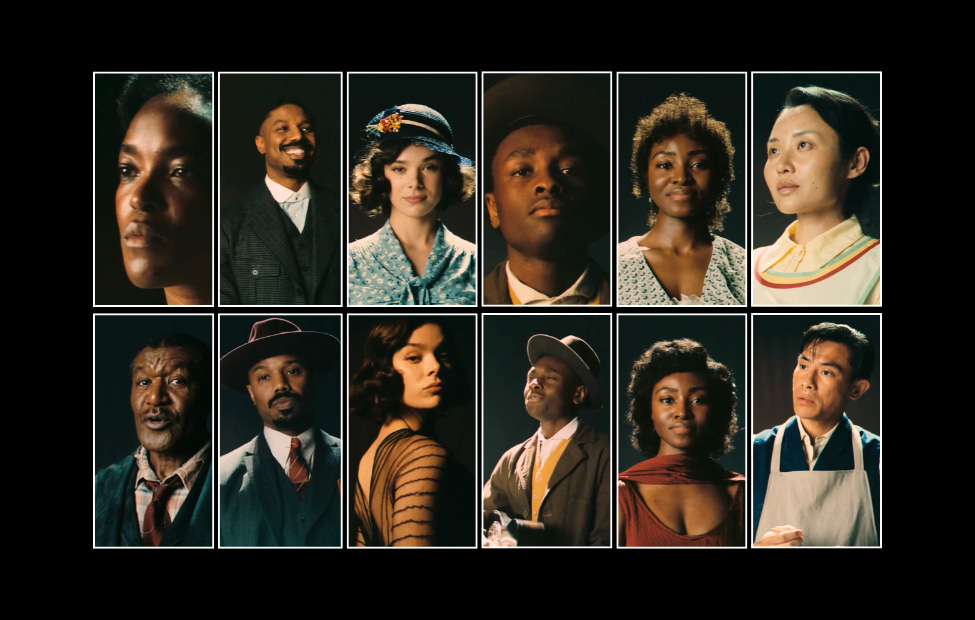
So when I saw the recently released behind-the-scenes moments from the hair & make-up test shoot day for Sinners — filmed before principal photography and narrated by director Ryan Coogler — I had an immediate reaction.
As a film publicist and awards strategist, I’ve spent the past five years working on awards campaigns, and I’ve never seen a featurette quite like this before. This was something different. The two-to-three-minute featurette built around hair-and-makeup test footage, with Ryan Coogler narrating over the video, explained what those tests are for.
To me, from an awards strategy perspective, it’s quietly brilliant because it isn’t flashy marketing. It’s closer to a filmmaker essay.
Most awards featurettes show finished footage from the film intercut with interviews.
This does the opposite.
The footage is raw and unfinished. Actors are on screen mid-process, partially styled and dressed, under different lighting, standing against a plain background while departments test how the world of the film will look on camera.
You see the mechanics (and magic) of filmmaking. And that’s exactly the point.
Finished footage hides the labour behind craft departments. Test footage exposes it.
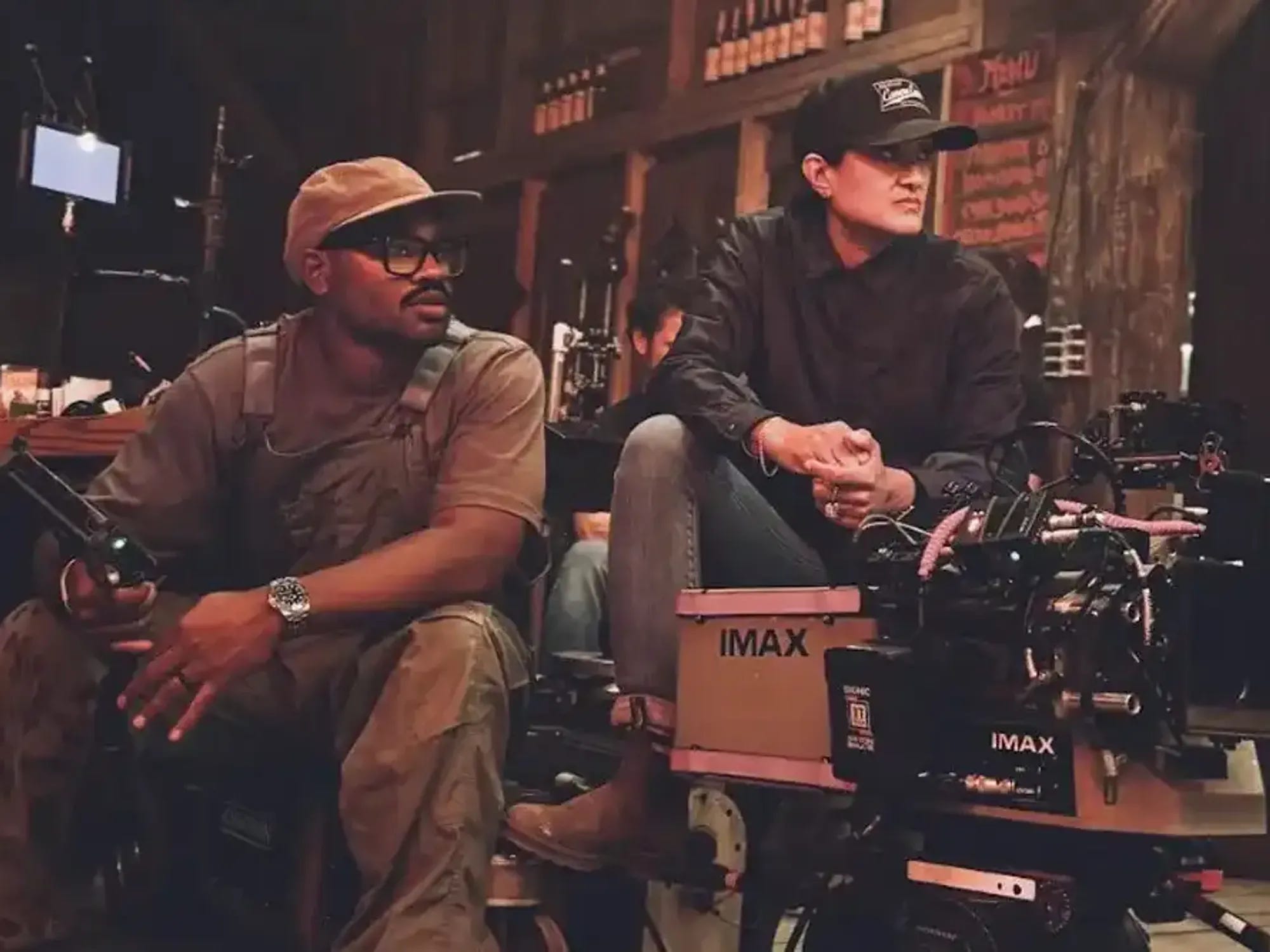
For Academy voters (not just those working in the cinematography, costume design, or hair and makeup branches) seeing the process before the polish immediately signals the level of work that went into building the film’s world. Instead of simply presenting the finished look, the featurette reveals the layers of experimentation that lead to it, making the characters feel constructed rather than just styled and placed on set, humanising them and their transformations. You see the actors laughing, running lines.
There is so much more that goes into making a film that these elements can often be overlooked.
We’ve all seen behind-the scene content before, the familiar before and after transformation videos of actors in the makeup chair, or the split-screen comparisons of script pages versus finished scenes. What this does differently and what makes it stand out, is that it explains the importance of what we’re seeing on screen while also reflecting on the broader craft of filmmaking. And it does it all without alienating viewers who don’t work in the film industry and gently reminds those who do, just how much intention goes into the earliest stages of production.
The video celebrates the craft departments (hair, makeup, costume, lighting and cinematography) all key Academy branches and guild communities in which the film is nominated, signalling that the film was built with intentional design and technical precision. It’s soft campaigning for guilds and Academy craft branches without explicitly calling it that. Again, a genius move.
It highlights the intentionality behind the film’s visual design and reinforces its period world-building, whilst also positioning Ryan as an auteur or “proper” filmmaker (regardless of what audiences thought about the film itself, or whether there was ever a risk of him being typecast as purely a box-office director following the success of Black Panther). Instead, it shows him explaining process, craft and collaboration, rather than simply selling the movie. A narrative that subtly reminds voters that Coogler is a filmmaker obsessed with craft and process, the kind of message that helps directors gain awards credibility.
One thing in the featurette is when Ryan explains that the tests were shot on a large-format camera system, which basically signals scale and technical ambition, which should put Ryan and the film in the same conversations alongside productions like Oppenheimer with Christopher Nolan.
Even if general audiences don’t get it, cinematographers will!
Another detail Ryan highlighted as the reason for these tests, explaining how they needed to see and understand how different lighting interacts with different skin tones. Historically, lighting systems were designed around lighter skin tones, meaning productions with predominantly Black casts often require careful adjustments and consideration to ensure lighting captures depth and accuracy, and technical experimentation as well as specific lighting design and cinematography tailored to the cast.
For voters in the cinematography branch, that signals serious craft work rather than routine production.
The featurette could easily have been narrated by a marketing voiceover or assembled using clips from previous interviews.
Instead, Coogler speaks casually about the process, giving the piece authenticity and positions him as a craft-first director, reinforcing the idea that departments collaborate closely with him and making the whole featurette feel like an insider conversation about filmmaking.
It feels like your film-obsessed friend explaining the filmmaking process to you. It’s warm, simple and engaging.
After the film’s already successful run of awards and industry support, it may not have needed an additional narrative push, but a featurette like this gives one final but subtle nudge of the perception of Coogler and the film.
I also loved when the featurette dropped. Timing it all just before final Academy voting closes.
This isn’t new, in fact it’s standard campaign practice, but it’s important.
Anyone who has worked on an awards campaign understands that many voters finalise their ballots very late in the process. The films that remain visible in those final days often stay top-of-mind during the voting window.
This featurette acts as a gentle reminder that the film is still very much a contender in multiple categories, but it does so in a way that feels like a filmmaking insight rather than a campaign message, and I think that distinction makes it far more effective.
Proximity Media clearly have a bank of behind-the-scenes material, and Warner Bros. will have mapped out a detailed campaign strategy months in advance. That makes the decision to hold this particular piece of content back until now especially interesting.
There’s always a risk in saving campaign material for the final stretch. Awards seasons are unpredictable, and there’s never a guarantee a film will make it through to the shortlist or nominations, and with titles like One Battle After Another and Marty Supreme dominating early conversations, holding back strong content can sometimes mean it never gets seen at all if a campaign loses momentum.
Awards campaigns often rely on recycling the same playbook because it works, but this featurette offered something new that many studios, marketers and campaigners like myself hadn’t tapped in to before; the process or pre-production material itself can be campaign material.
Instead of selling the finished film once more, Sinners is reminding voters how the film was built, but in a new and interesting way.
For many voters, this process isn’t new — as they work in the industry, on sets and behind the scenes themselves — but because it’s a part of their everyday professional lives, it can easily be overlooked, but this is exactly why it lands. It doesn't feel like marketing. It feels like a conversation between filmmakers. Pieces like these are a gentle reminder of the complexity and magic of filmmaking and why so many of them are in the industry in the first place. At the same time, it pulls back the curtain slightly for film fans, offering a glimpse of the craftsmanship involved in bringing a film to life.
For an industry and an awards body that celebrates the craft behind filmmaking, that’s a smart pivot.
And if this becomes part of a new featurette playbook, I’m all for it. Let’s shake up the system and be more creative in how we capture the attention of voters and broader audiences.
Because if it proves effective, and if Sinners wins at next week’s ceremony (even if it doesn’t), I wouldn’t be surprised to see more studios begin releasing pre-production material such as camera tests, costume trials and lighting experiments as part of their awards strategies, in much the same way transformation videos and script-to-screen breakdowns eventually became campaign staples.
Because once you see the work behind the work, it becomes much harder to overlook it during voting.
No posts
Comments
Nothing yet. Say the first thing.
Sign in to join the conversation.