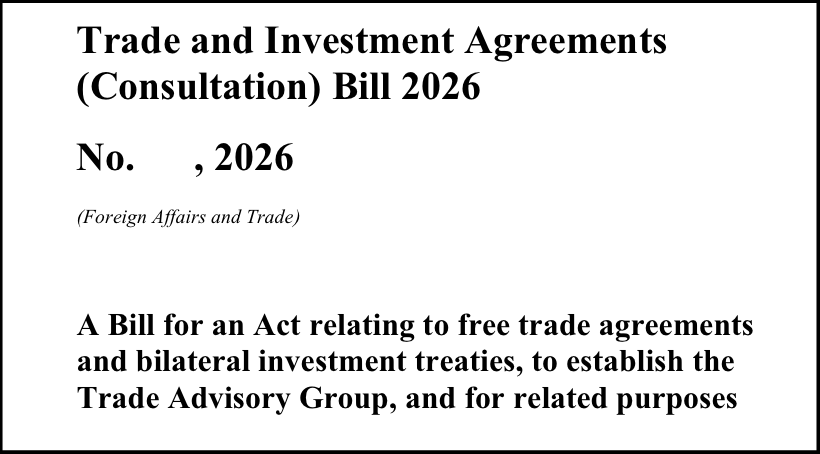
Last week, the Trade and Investment Agreements (Consultation) Bill 2026 (the Bill) was introduced to the Australian Parliament. The Bill is meant to “improve transparency and community input into FTA negotiations”, and contains requirements for the government to announce when negotiations start, publish negotiating objectives, obtain independent analysis of agreements, and review agreements after…
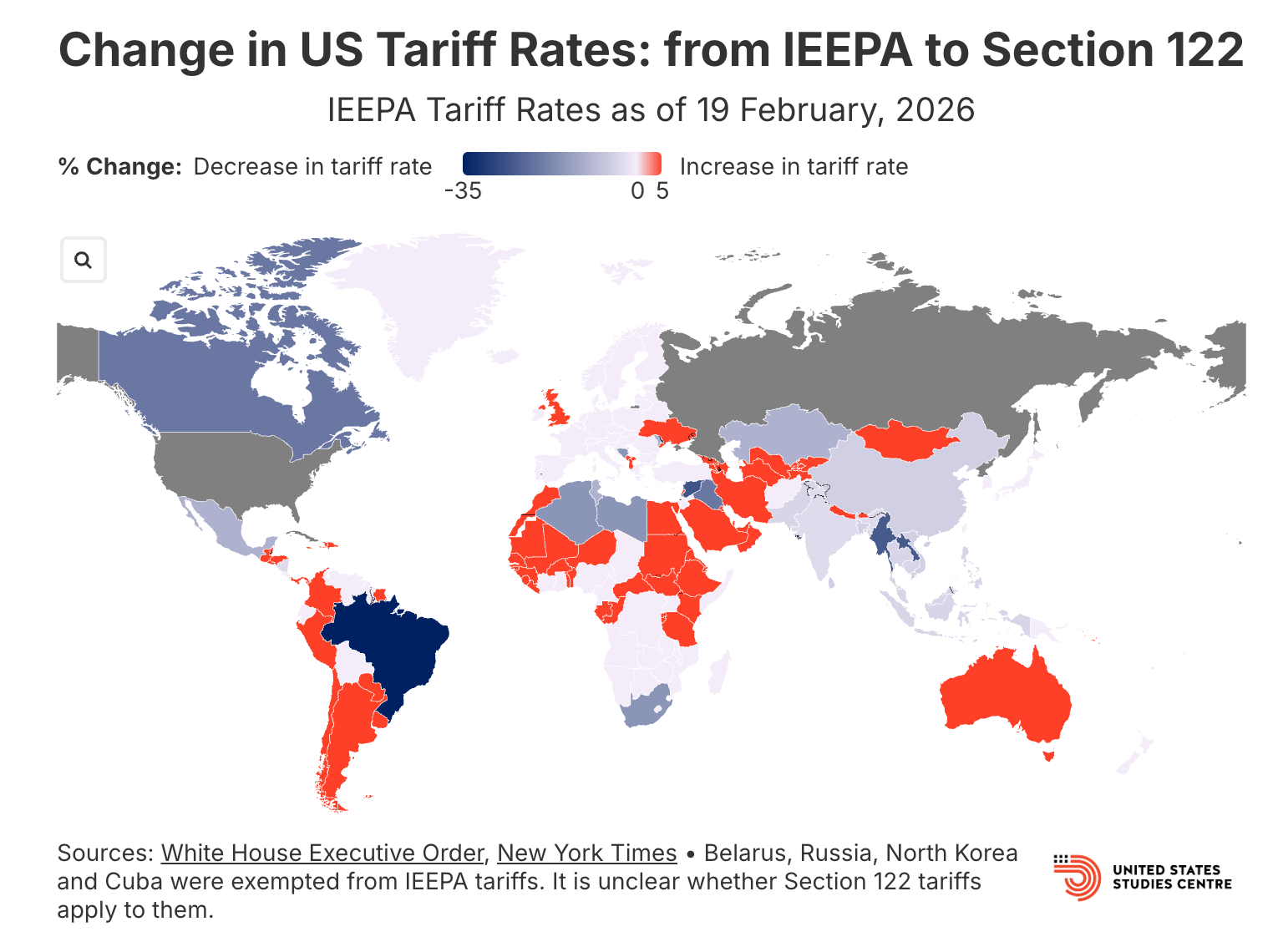
Last Friday, the Supreme Court found the President can't use IEEPA to impose tariffs. I’ve collected some of the most useful commentary on the decision and what's coming next in this post
Last year I wrote about the African Continental Free Trade Agreement’s (AfCFTA) Digital Trade Protocol (the Protocol), which on paper contains some relatively high ambition digital trade rules.
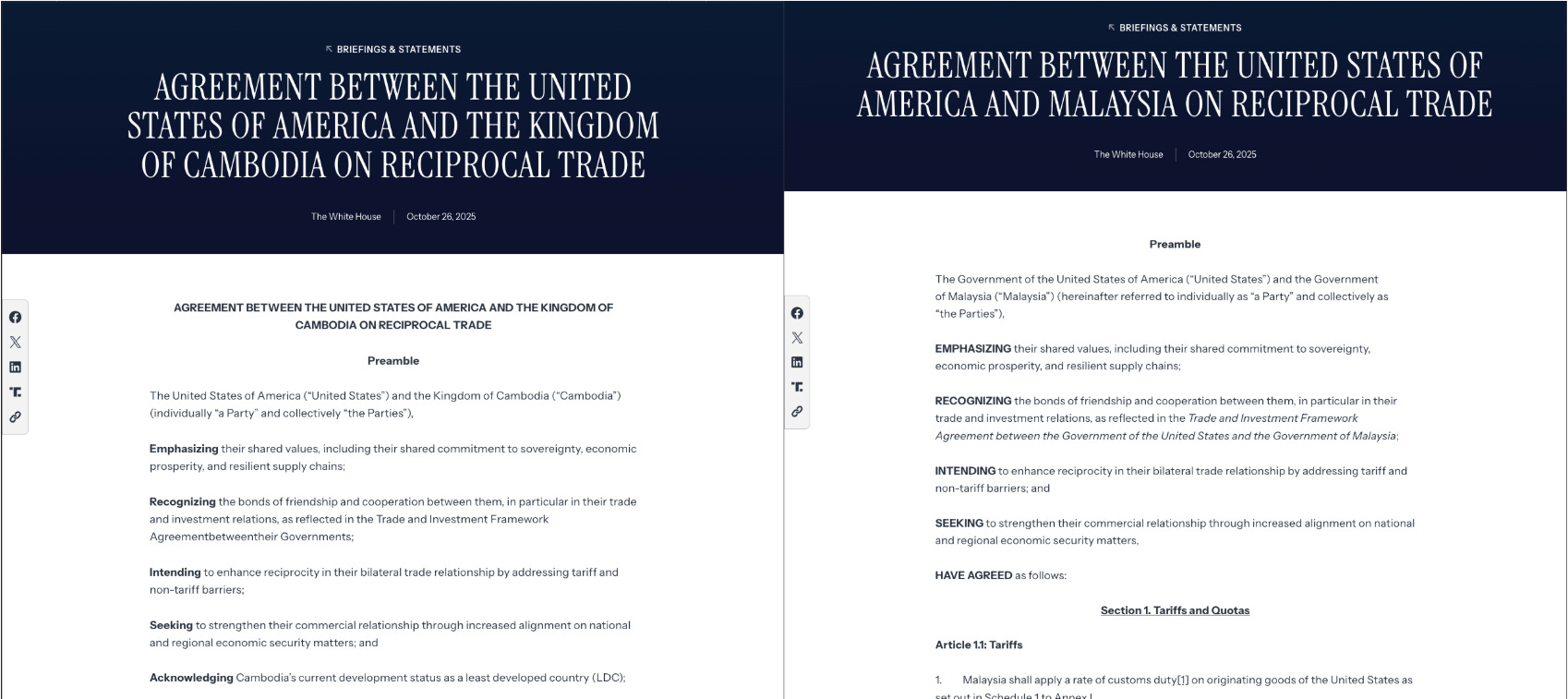
Last weekend the United States (US) signed two new trade agreements - one with Cambodia and one with Malaysia. I’m a bit late to comment but there are a few of points of interest that stood out to me that I haven’t seen highlighted elsewhere yet.
In an era of “napkin deals”, it’s nice to see some countries still doing the hard work of entering into comprehensive, concrete and legal binding trade agreements.
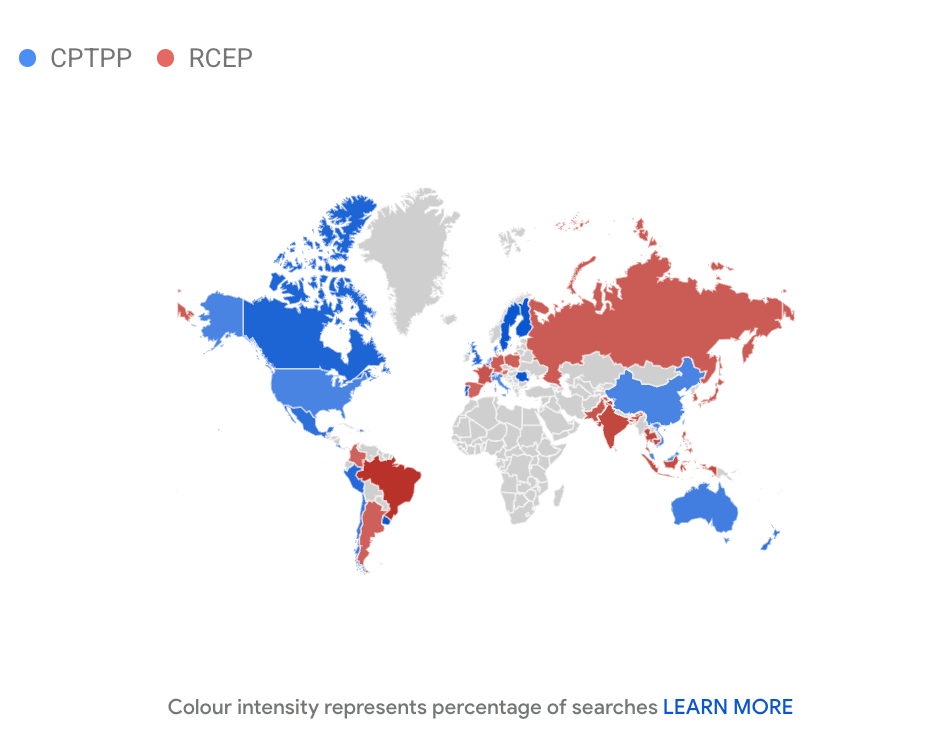
We are now about halfway into Australia’s year chairing the Comprehensive and Progressive Agreement for Trans-Pacific Partnership, so here are six suggestions of concrete work that could be done to keep the agreement relevant and effective as we head into the last six months of 2025.
Reuters reported last week that India may be considering offering a “forward most-favoured-nation” (MFN) clause in the trade agreement it is negotiating with the United States. This post examines some past precedent for including MFN on goods in trade agreements.
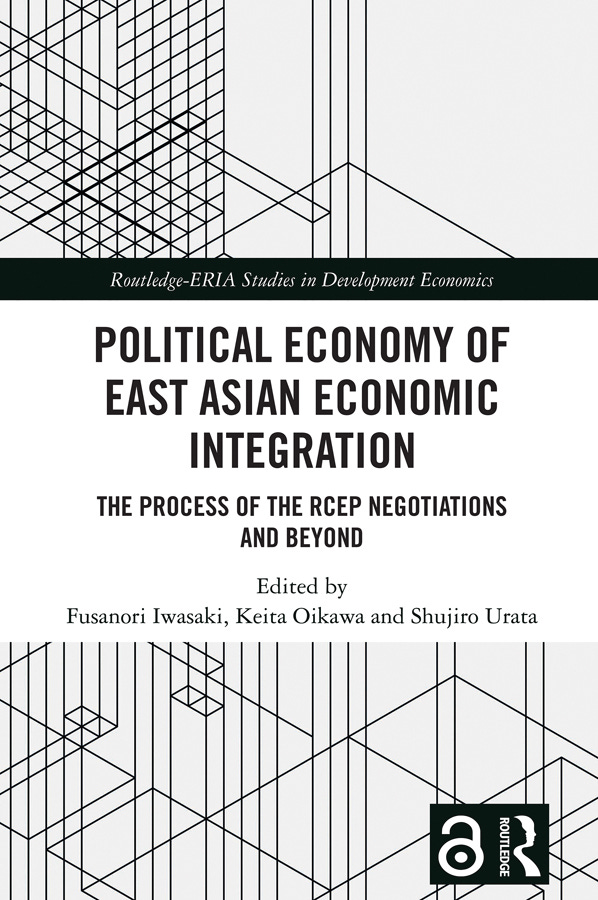
For those following trade agreement negotiations, I recently came across an open access book published in February that will likely be of interest. It includes a chapter with verbatim answers from RCEP negotiators to a range of questions that provides interesting insights into the negotiation dynamics and drivers.
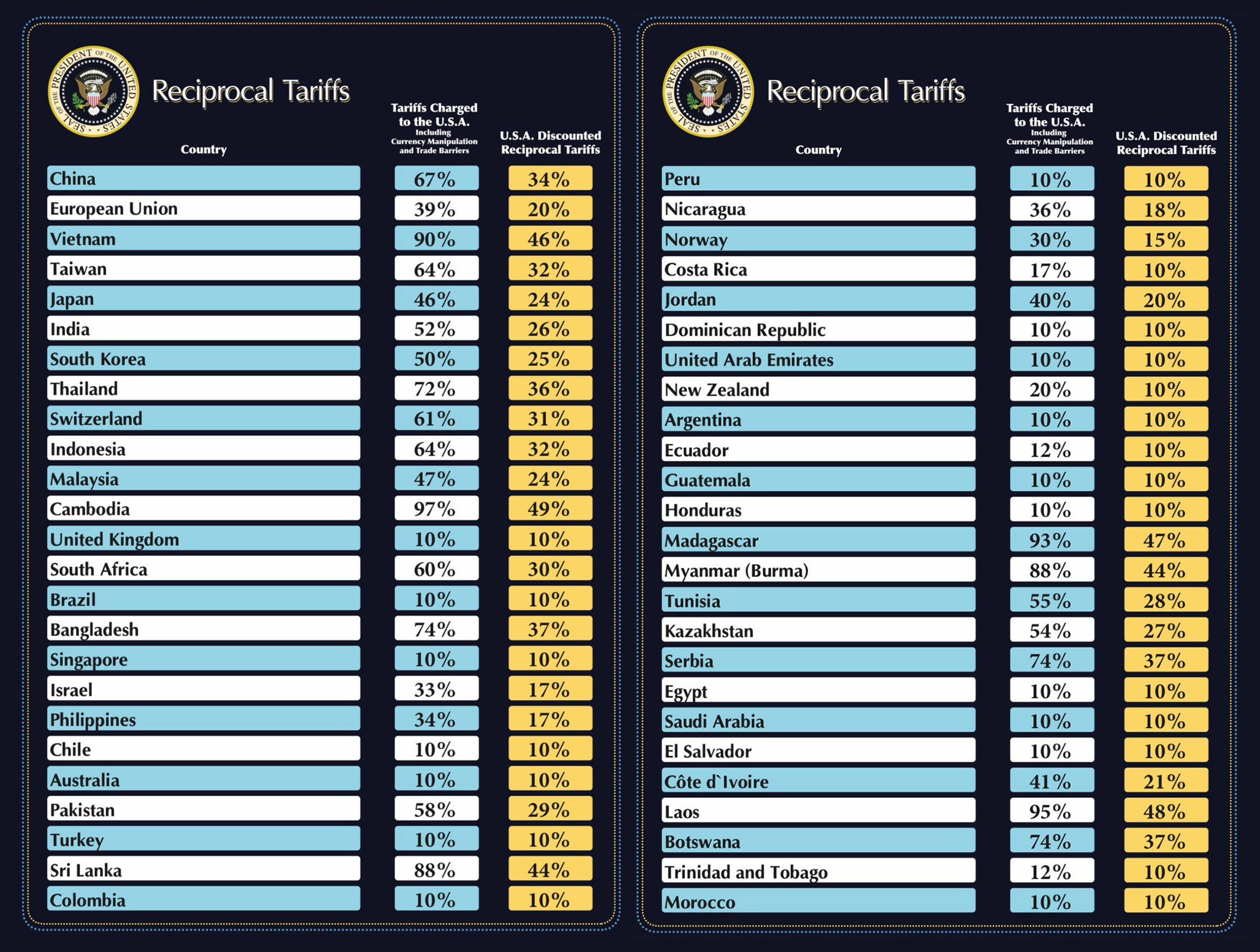
A week is now a long time in trade policy and for the past week I’ve been tracking the various reactions to the US’s so-called reciprocal tariffs (now paused at 10% for everyone but China for 90 days).