
When I was guiding full-time, we used to call this time of year “Angry August.”
The heat was blaring with no signs of cooling down, the smoke was often thick in the mountains—breathing in and out of the canyons each night, and our emotional regulation skills were at the very bottom of our barrel.
In other words, we were well beyond our nervous system’s capacity to be in our “peak performance” after over 10 weeks in a row of manual labor, and many of us still had 4-6 weeks left before we could curl in and rest after a long season.
It was a turning point, and culturally as guides, we all acknowledged it, together.
If you made it to Angry August, it was kind of a badge of sorts.
If you could function well within Angry August, you were patting yourself on the back pretty much every day that you put your head on your camp pillow and didn’t scream at someone for something small. As I live more and more of a front country life, I thought that Angry August would be somewhere behind me.
Boy was I wrong.
I’m glad that I’ve got more skills to hold me as I crawl through this oppressive heat. One skill in particular is our word for the month—compassion.
But before we get to the word of the month, let’s take a look at why Angry August is something to begin with.
Anger and irritability are not inherently bad, just as no emotions are good or bad. They are just information. Although anger can be tied to unprocessed past events, oftentimes, anger and irritability arriving in a situation are signs that a boundary, preference, or comfort has been crossed.
When we are operating under ‘ideal’ conditions, anger might be a strong indicator that something lies outside our value system.
However, when we are operating under conditions of prolonged stress (or extreme, relentless heat with no A/C or daily access to the river), anger and irritation might be arising as an indicator that our nervous systems are maxed out and that our bodies are craving the curl around the corner towards more self-care and rest.
For me, I know that I have been grumpier this summer than I have in over a decade.
I am hot, I am tired, and I want to move into my new place.
I find it hard to think about anything that isn’t cold watermelon, a kayaking lap, or taking a nap in the shade.
At this point in the summer, sitting down on my computer is a combination of 20mg of Vyvanse, sheer stubborn willpower, and at least an hour of bargaining with myself that I "do, in fact, get to wear my pajama shorts and sheerest bra instead of jeans and a t-shirt ” while I work in the shade of the tree outside of my house.
I had a past therapist tell me that nobody says we have to walk across a finish-line. Sometimes, we can crawl.
And that’s just fine, too.
But I digress.
What I’m trying to normalize and emphasize for all of us is that our nervous systems are supposed to fluctuate with the seasons.
Nobody expects us to harvest fruit in the earliest slide of spring. Nobody expects us to burst into life in the coldest parts of January. We’re probably not gathering rain-barrels full of water after Halloween hits.
So why would we expect ourselves to have the same amount of rest, attention, and alertness at the end of summer that we have at the beginning or the middle?
It’s important to remember that our lives, and the world we live in, are cyclical, and finding ourselves running out of steam at the end of summer is not only normal, but in some ways also expected.
After our crops get harvested, we turn them into the ground to compost and decompose all winter. What makes us think we’re any different in those needs?
In the scientific literature, Dr. Neff has identified that compassion has three major parts:
Self Kindness
Common Humanity
Mindfulness
If you’re struggling to make it through the end of summer with a smile on your face, let’s not forget to put some of these things into practice. So let’s ask ourselves a couple of things this month:
This August, where am I being overly critical of myself?
How can I talk to myself with warmth, gentle regard, and understanding during difficult or irritable moments?
If I’m having trouble finding this for myself, how would I talk to my best friend right now if they were going through something similar?
Who else do I know who might be feeling this way right now or has felt this way in the past?
If I don’t know anyone going through these feelings right now, who can I talk to who will love me in my whole process anyway?
If I were to meet a teenage version of myself going through a grumpy or difficult time, what would I tell them? What would they need from me?
What are the top three reasons that it makes sense that I am tired, overwhelmed, or irritable right now?
What do I know about how I normally feel during this time of year? How did I feel a month ago, and what do I know about how I might normally feel in about a month from now?
If I could take care of my body in one kind way this coming month, what is the most functional, caring way I could take care of my body?
While that’s not a carte blanche reason to be a dick as the summer heat peaks at full swelter, it is a good reminder that maybe giving ourselves and others all a little bit of natural space is probably an okay thing to do right now.
It’s also probably a good time to lean into play, goofiness, joy, and shared experiences that require little or no effort. How can you share an easy meal with someone soon? How can you spend a few hours at a body of water with nothing to do but splash?
I know for me, permitting myself to channel my inner Manhattan Jewish relatives and just let myself complain openly about how hot and uncomfortable I am is sometimes a love language all of its own that reminds me I’m living and loving a full and vital life.
So with a furrowed brow,
A cold water bottle full of water,
And a sunburnt nose,
I’m wishing you a safe and compassionate August
Lovingly,
Dagny Rose
Sleep is paradoxical as fuck. I wish I could tell you anything except for that, but the more I research it, work with people on it, and try to find my own rhythms—the more paradoxical it can seem.
One thing about sleep is that even though we can do specific behaviors to enhance our chances of sleeping, we cannot ever guarantee that when we try to sleep, we will actually succeed at sleeping.
Instead, the research is clear that how we feel about our sleep (or sometimes lack thereof) can exacerbate our symptoms, or render them nearly, completely inconsequential.
This month, as we track our sleep, I’ve created a Cosmo-Style-self-quiz so you can track where you’re currently. Remember, this is intentionally kind of flippant and silly, and it’s all good data!
When I lie down to go to bed at night and find that I am not able to fall asleep quickly, how do I typically react?
I am restless. I can’t get my sheets just right, my clothes feel to small or too big. My to do list is flopping around in my head like someone breathing too close to my face.
I start to panic. It feels like there is a semi-truck full of bowling balls tumbling down a hillside. Sometimes the panic starts slow, but the longer I’m awake the more violent this truck-rollover scenario is.
I get mildly annoyed but I’m stubborn enough to ride it out to snoozetown and it usually works.
After 20 minutes I get up and go do something productive
After 20 minutes, I get up and go to something restful
After a night of not sleeping as well as I would have hoped, what is my typical story around my sleep?
I am generally unbothered by it. I’m tired, but I carry on.
I am extremely irritable about it; I am grumpy and sluggish for most of the morning, and I tell as many people as I can how poorly I slept when they ask.
I override it by drinking 20 cups of coffee and then get back to my rhythm as quickly as possible.
I am gentle with myself in the morning, try to take a few things off of my to-do list that could be put off for another day, and try to find a time during the day where I can take a 20 minute nap.
I cancel my whole day and cry
What is the most compassionate thing I can do in either of these situations?
Notice that I might tend to be in the extremes of these situations and gently bring myself some more skillful tools, one tool at a time.
Get extra self-critical and punish myself by creating a Personal Improvement Plan that starts immediately.
Sign up for some sleep-health consultations with Dagny to get things back on track
Although I’m being a little silly with this quiz, hopefully the exaggeration can help you locate your tendencies when they arise. Remember that we probably do a little bit of all of these things at some time or another and that none of them are better or worse than another. Compassionately choose the ones that work well for you right now, and in a few weeks commit to trying to be even slightly more compassionate than that.
If you know you’d like to work together when my books open back up, feel free to shoot me an email at dagnyrose@theartofrest.me to set something up.
If you know someone else who needs a bit of a sleep satisfaction check in, share this article with them and swap notes!
I have closed my 1:1 bookings for the summer! If you’re interested in getting on my waitlist for the fall, my 1:1 books will open again in September 7.

The Fluid, Sweet Darnkess— Our monthly bonus material for paid subscribers only! A guided meditation that begins as a sitting meditation and travels to a walking meditation.
June’s Monthly Update— Our Monthly Newsletter update for June. The art of finding fluidity as the energetic quality of summer starts to sweep us away.
Permission To Rest— We deviate from our typical monthly format to accommodate the busyness of summer.
Permission To Rest Series: Pajamas & A Cool Basement— An update from The Art of Rest and a reminder to stay give ourselves permission to rest when we can during a busy time.
Permission to Rest Series: Take A Beat— (Probably) The final of our Permission To Rest series for the summer months
The Compassionate, Sweet Darkness— Our monthly bonus material for paid subscribers only! A guided meditation to incorporate compassion from a busy summer season.
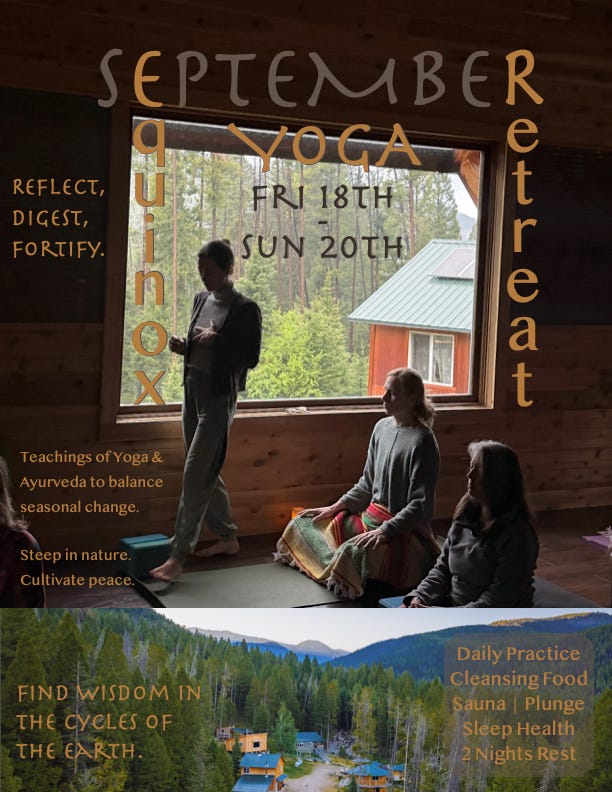
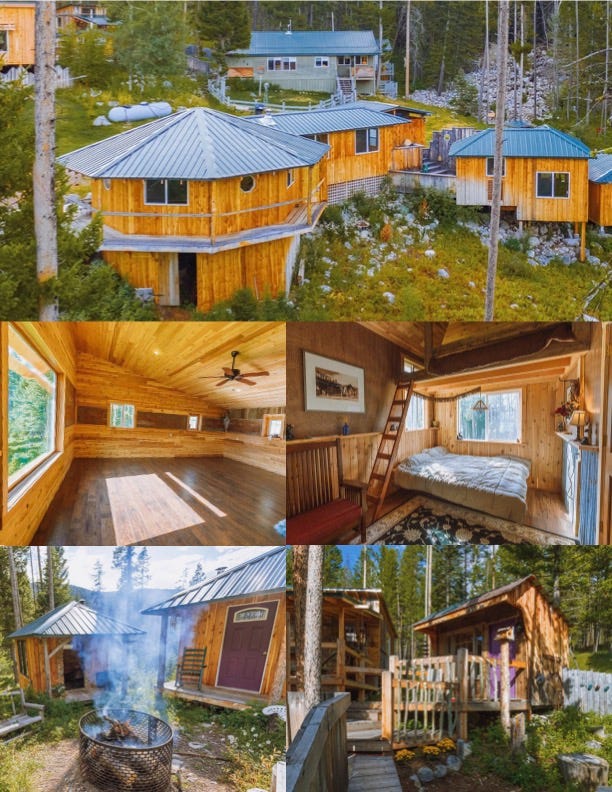
September Equinox Yoga Retreat || September 18 - September 20— My incredibly talented friend Hanna Harrigan is hosting another yoga retreat, and similar to our one-day Winter Solstice retreat we hosted—I will be co-facilitating with her!

Pre-register for Winter 2027 Wild Woman Archetype — An Experiential Bookclub with Women Who Run With The Wolves.
An 18-week, winter-long series to travel to the depths and back again with a wonderful group of women. In-person, hybrid, and virtual options all available.
$50 off for pre-registering

Here the Art of Rest we believe there is nothing more precious than the agency to choose where our loving-attention goes. We want to celebrate folks who are trying to keep their inboxes clean, their minds clear, and the energy of their lives headings towards the things they care about the most.
This Monthly Newsletter section is only the high-level updates of what’s going on here at The Art of Rest. It recaps all of our important stuff so you don’t miss a thing, but also so you can keep your own life in attuned to what you really want to do. Less virtual clutter, more time for creative rest. If you want to shift your subscription preferences, a step-by-step guide can be found here
Comments
Nothing yet. Say the first thing.
Sign in to join the conversation.