
Maybe I’m leaning forward too far.
Not firmly rooted in the heat of the present.
Or perhaps, I’m actually appropriately listening to the rhythm of what my body is telling me to do in terms of creative practice. All summer long, I’ve been meeting the present moment with as much of me is able to show up. Some days that’s 60%, other days that 100%, on the hottest days, it’s more like 2%.
But as we hit the final crescendo of summer, my body is already begging to incorporate the dense times in the sun. The only way I can sit still right now is by weaving.
Before we move further into this month’s art invitation, I want to both acknowledge my teachers, my inspiration, and my place. It’s important to pass along the medicine of what we can, while respecting the boundaries of what it means to invest in deeply cultural practices like weaving.
Full disclaimer: my inspiration to start twisting fiber this summer came directly from my close Shoshone-Bannock friends and co-workers. The precise gift of that knowledge is not mine to share. However, what I give as an art invitation today is the gift that I can share. The process that has inspired curiosity into my own roots of twining.
Before we dive in, it feels important to take a moment to pause and thank the lands that you’re currently on, and how our more-than-human kin inspire what comes through our guts and hands and hearts. For me, the land that grew me up and continues to live through everything I do is, and will likely always be— traditional Newe (Shoshone-Bannock) and Nimiipuu (Nez Perce) lands. The lands that I currently live on are Séliš (Bitterroot Salish), Ql̓ispé (Pend d'Oreille / Kalispel), and Ksanka (Kootenai) peoples.
As we let ourselves be inspired by the lands that grew us up, and the ones we currently live on now, I hope we can also be reminded to appreciate, honor, and celebrate these artists and the traditions they have carried with them from time immemorial.
I also hope that while we appreciate and honor these traditional crafts, we are inspired to become more intimate with our own as well.
A reminder to support art from indigenous artists.
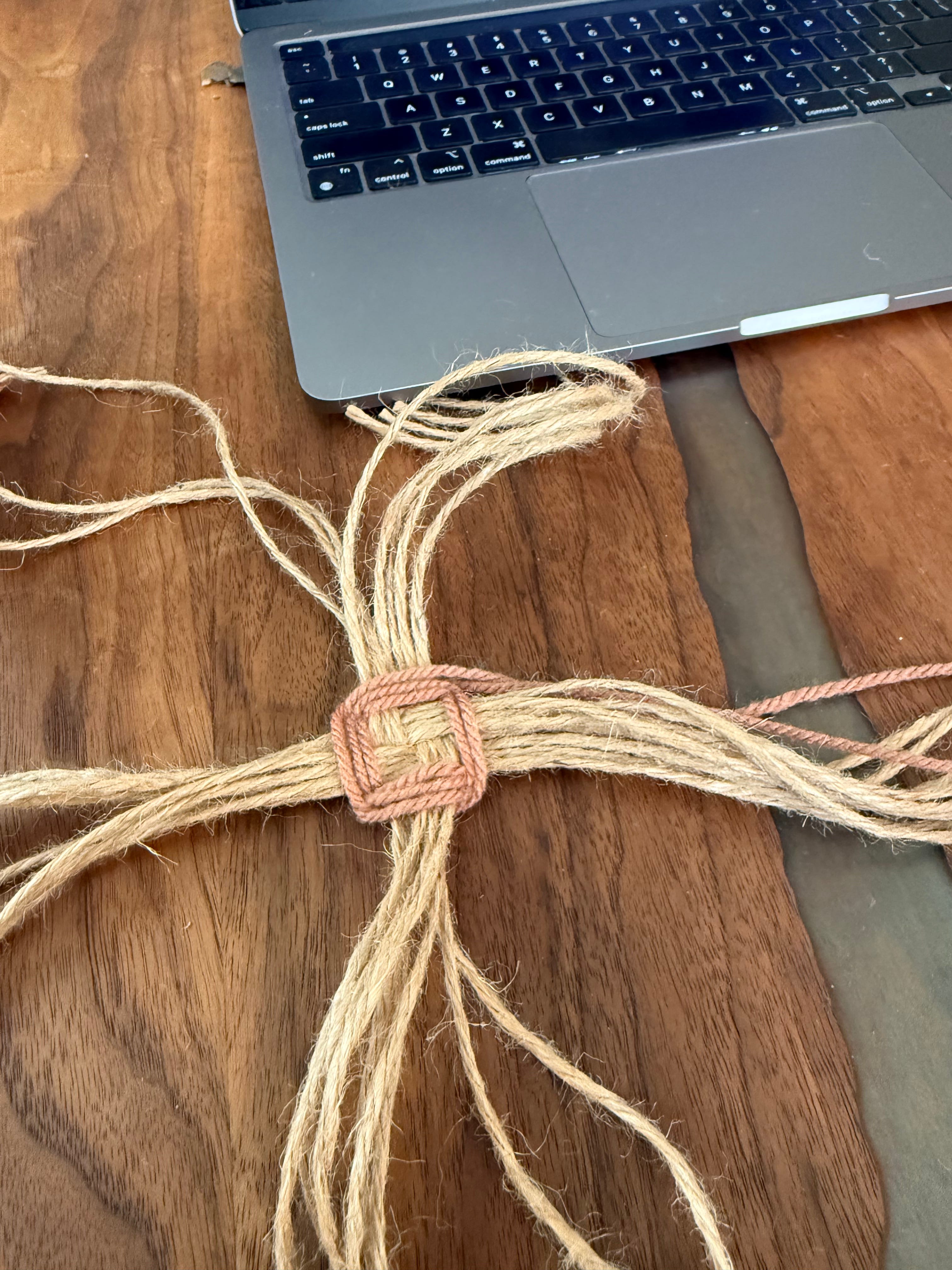
To begin a process of weaving, make sure you have all the right tools that you need. For most yarn-based projects, it’s not much. With Some Twine, Some Yarn, Some Scissors, and A Darning Needle.
Most importantly, begin with your time and presence.
Begin before you are ready.
Trust that your first one is going to be sloppy and that mastery takes decades.
Let each twist be a prayer. A loving-kindness to your thoughts. A permission to slow down and rest. A way to tangibly be with the passing of time.
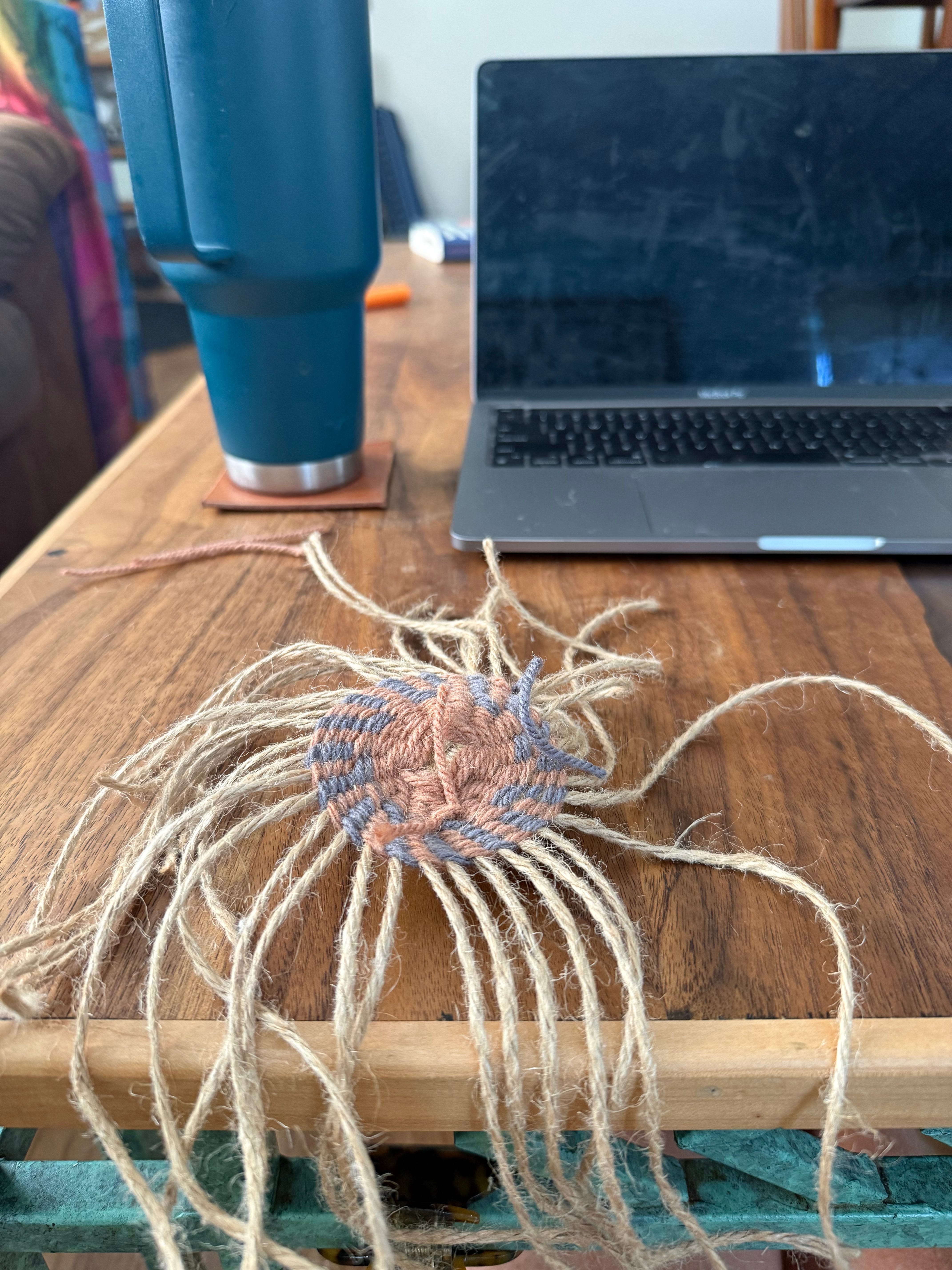
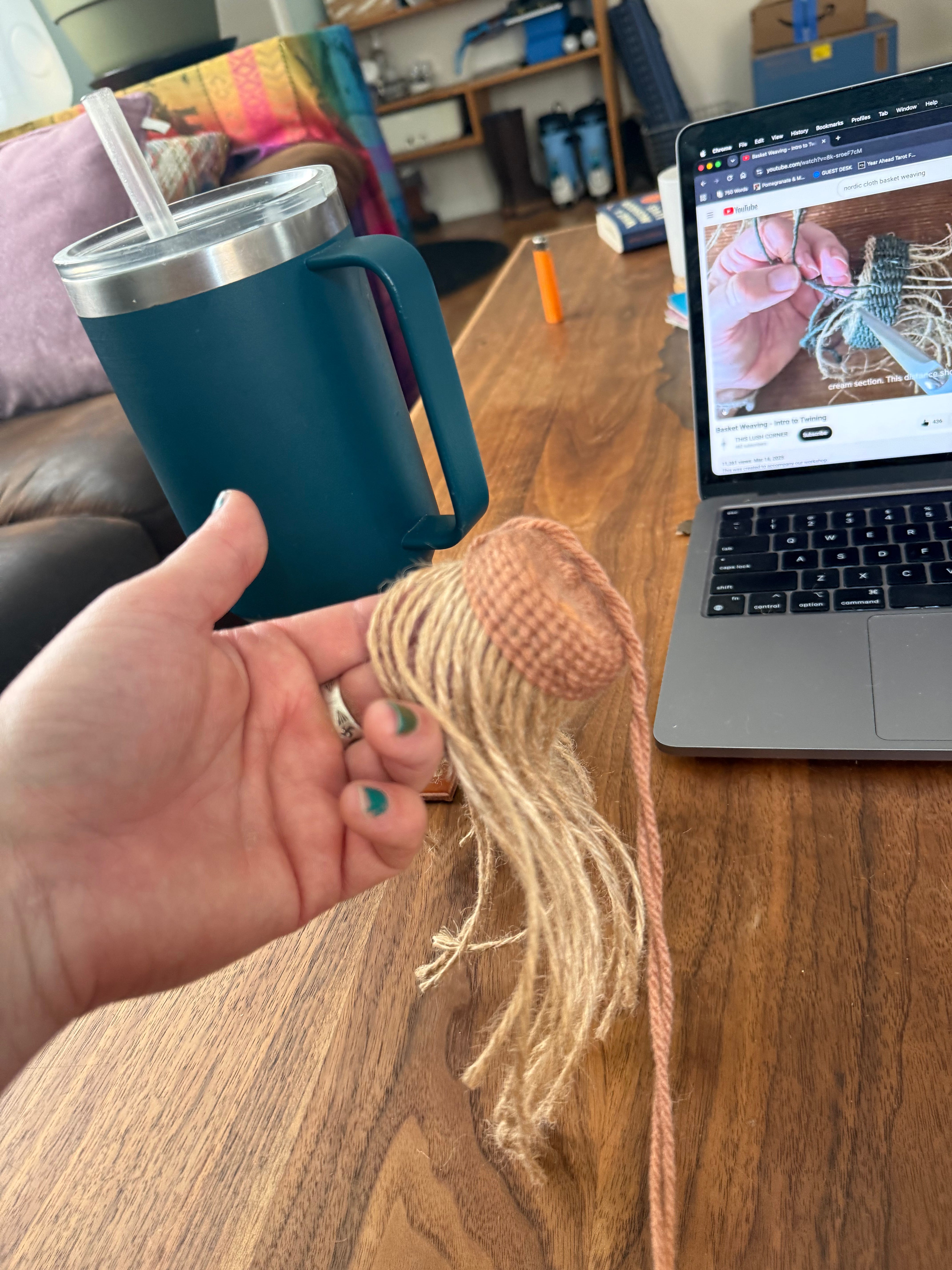
If there is nobody you know who can teach you or mentor you into weaving something, there are thousands of resources online to start with something simple. I personally wanted to look up methods from my own ancestral line. I spent some time looking up different Germanic, Nordic, & Scottish “twining” techniques, but the best video I found to get started with something simple was from someone from Australia.
Learning to move with fibers is a great meditative practice to gently watch how your quality of attention relates to something new, or returning to something old. Or doing something familiar in a new way.
Most early weavers either pull way too tight, or are way too loose.
When you catch yourself clenching, take a breath. Soften.
When you are too loose to hold structure, take a breath. Find strength.
When you find your rhythm, play between the two to see what comes of it. How can you move back and forth with these qualities of attention with purpose?
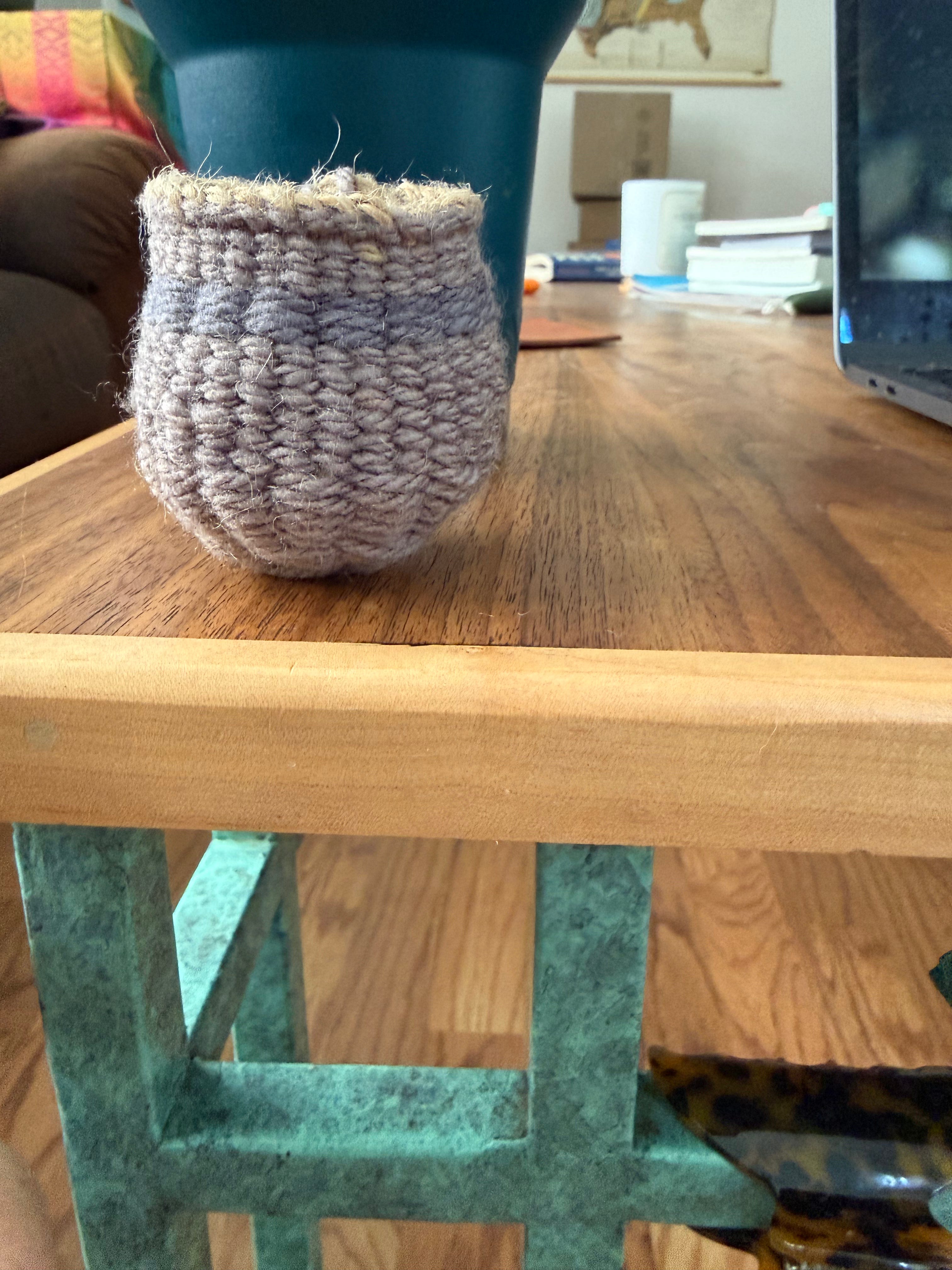
Whether you make it halfway through one basket and stop, or make one a day like I’ve been doing lately— notice what this repetition in the final sway of summer does to your body.
And as an ode to Robin Wall Kimmerer, whom I recently had the deepest pleasure of seeing speak in person for the first time at the beginning of August, while you move with your fibers maybe gather your thoughts with a few of these reflection questions:
What type of lands did this weaving technique grow from?
What traditional fibers do you think were originally used?
What shapes do these traditional fibers lend themselves well to?
What other ecological beings need to be healthy and happy to make sure these fibers thrive?
Do you know where the fiber you’re using currently comes from? In your mind, can you trace its origins back to the earth?
How many hands do you imagine touched it before yours?
Who might you want to gift this to?
What is something you feel reciprocally connected to?
What are you grateful for? What responsibilities do you have to protect those things?
How does your embodied summer-self weave forward into what you create?
What did you learn?
Do you know someone in your life who needs a mid-day pause? Share this with them and swap your art afterwards!
In the traditions I was invited to participate in this summer, I was reminded that in Shoshone-Bannock culture, any time you have a new “first” of something, you give it away as a gift.
So regardless of how many mini-baskets, or giant wall hangings, or scarves you create—
Who gets to share this gift with you?
What is woven inside of its threads?
With no answers, and busy hands,
Dagny Rose

Our Community Announcements:
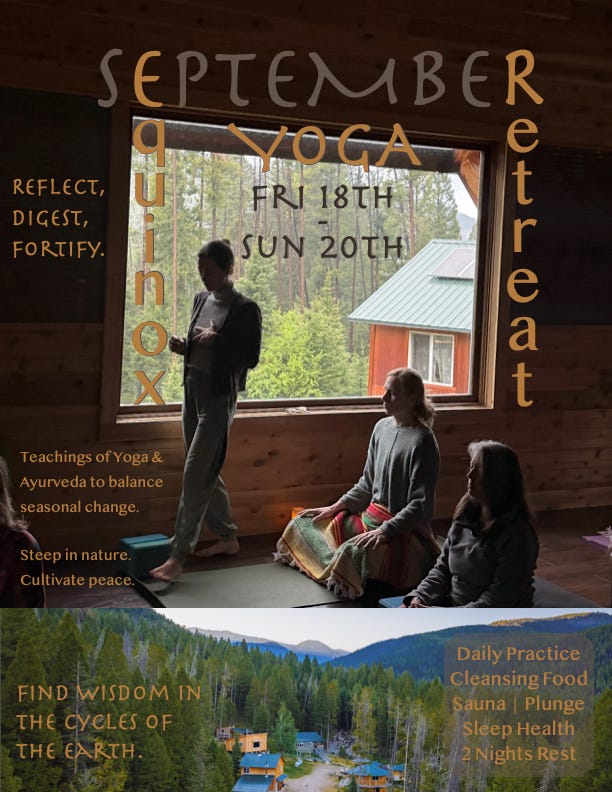
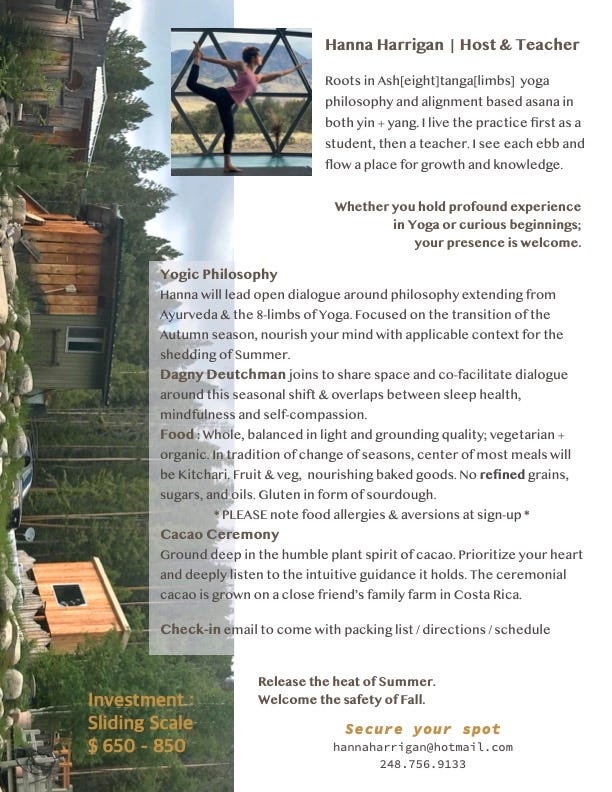
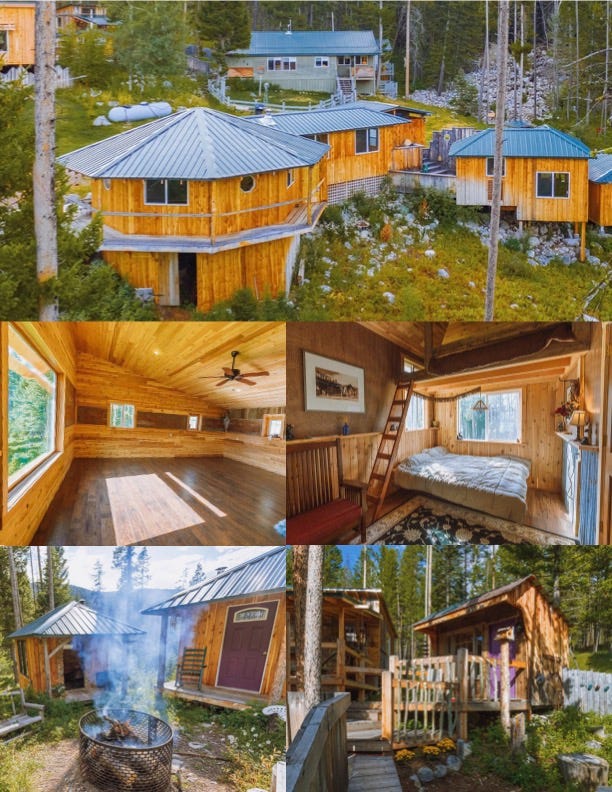
September Equinox Yoga Retreat || September 18 - September 20— My incredibly talented friend Hanna Harrigan is hosting another yoga retreat, and similar to our one-day Winter Solstice retreat we hosted—I will be co-facilitating with her!


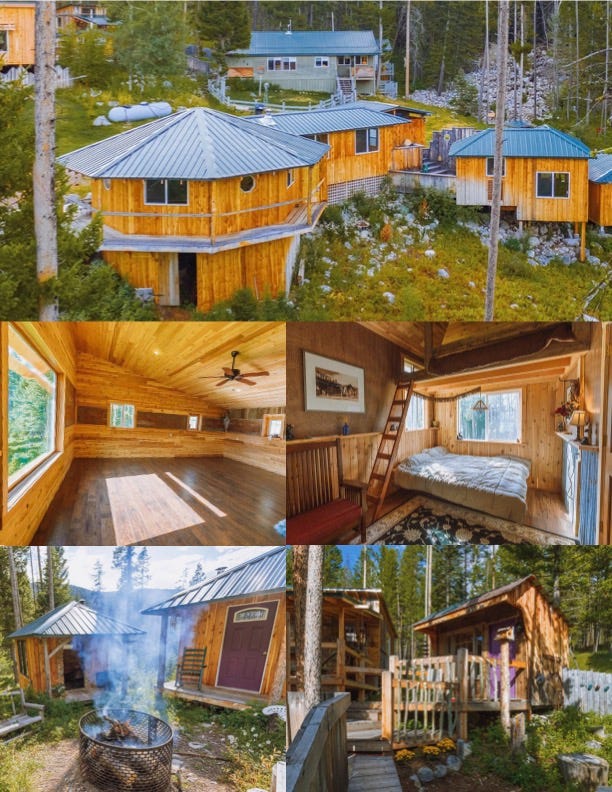
Pre-register for Winter 2027 Wild Woman Archetype — An Experiential Bookclub with Women Who Run With The Wolves.
An 18-week, winter-long series to travel to the depths and back again with a wonderful group of women. In-person, hybrid, and virtual options all available.
$50 off for pre-registering

Here we explore the creative practices that bring vitality into our lives. Whether we are creating for the pure joy of it, finding ways to have our art help make our lives better, or intentionally honing in on our creative practices or dreams, “The Art” is going to regularly touch into our creative pulse5.
Comments
Nothing yet. Say the first thing.
Sign in to join the conversation.