
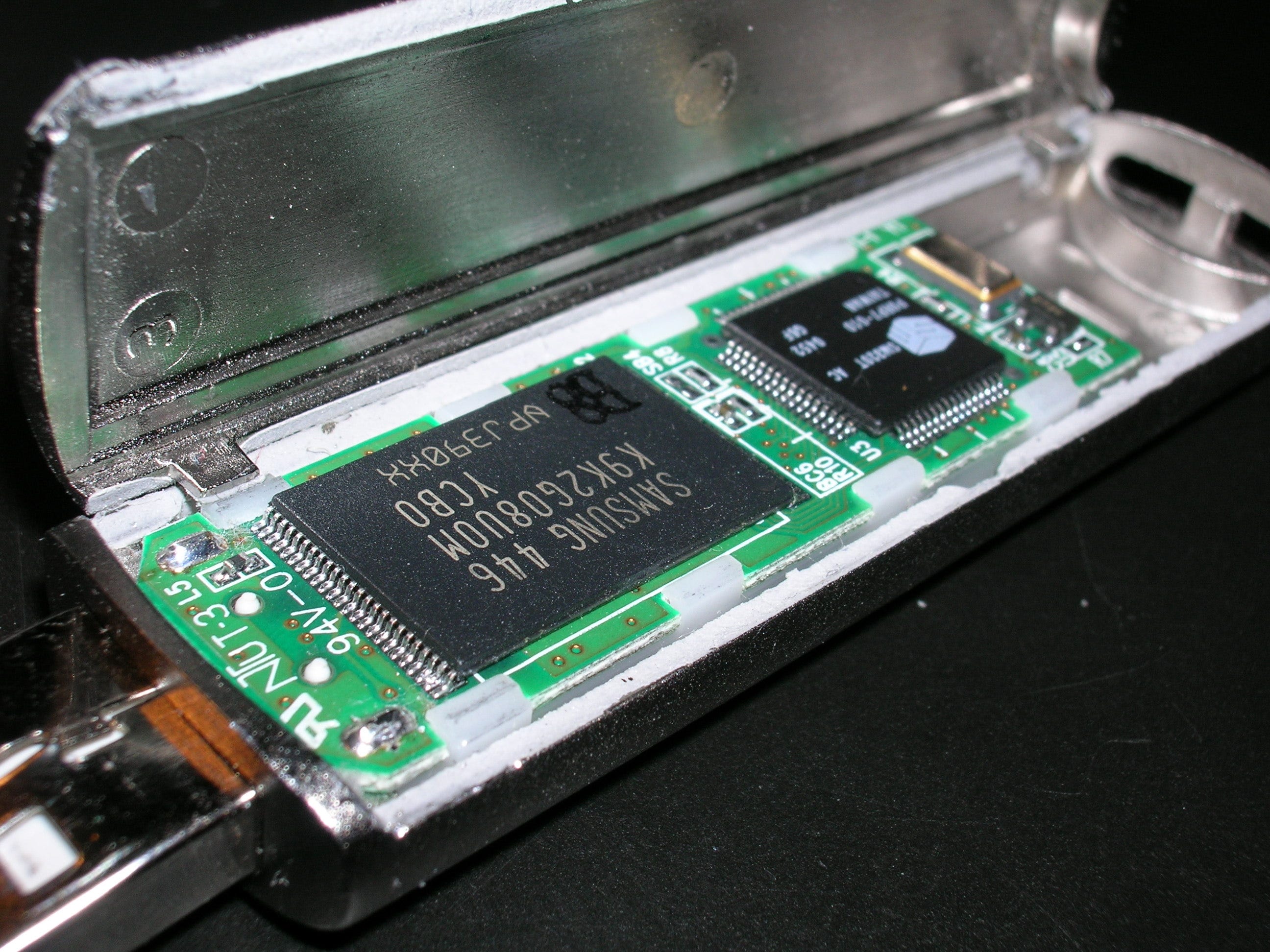
The global memory market is undergoing a permanent “structural shift” that will see NAND Flash shortages worsen in 2027 compared to 2026, according to Wallace Kou, President of Silicon Motion.
Speaking at the groundbreaking ceremony for Silicon Motion’s new headquarters in Nangang on April 13, Kou warned that the explosive growth of AI inference and Edge AI applications has created a demand-supply gap so vast that prices for certain NAND products have already surged by 4 to 10 times between August 2025 and March 2026.
Kou emphasized that the memory industry cannot return to its previous dynamics. “Resource reallocation driven by AI infrastructure has triggered a structural shift,” Kou stated. While retail markets remain soft, memory module manufacturers are seeing record profits—some expected to grow 200% to 300% by 2026—as they pivot from traditional consumer electronics to supplying global giants like Google and Meta.
Kou explained that the shortage is fueled by two primary factors:
Insatiable AI Appetite: A single Nvidia NVL72 cabinet requires 1.16 PB (Petabytes) of operational storage, a staggering requirement that exists entirely outside of traditional data storage needs.
Stagnant Supply Growth: Major manufacturers (Samsung, SK Hynix, Micron) remain scarred by previous downturns and are extremely cautious with capital expenditures. Kou noted that adding just 10,000 wafers of DRAM 1C capacity now costs $10 billion, while high-bandwidth memory (HBM4/4E) production continues to cannibalize resources for standard NAND and DRAM.
While some hope for a recovery, Kou’s projections suggest the peak of the crisis is still ahead.
“The shortage in 2027 will be even more severe than in 2026,” Kou predicted. “We likely won’t see any relief until the second half of 2027 or 2028, when new fabrication plants from the big three finally come online. Even then, ‘relief’ does not mean the problem is solved.”
The shortage is no longer confined to the cloud. As Generative AI integrates into smartphones, PCs, and wearables (Edge AI), the demand for eMMC and other storage products is skyrocketing.
Kou noted a shift in market power, observing that some major smartphone brands remained “arrogant” regarding inventory levels until late 2025, only to realize too late that the global supply landscape had fundamentally changed. Silicon Motion currently reports that purchase orders (POs) far exceed their available supply, forcing the company to engage in precision manufacturing and supply chain “triage.”
One of Kou’s primary concerns is the potential for “broken chains” in the automotive and industrial sectors.
“It is unacceptable for a vehicle worth over $100,000 to be unable to ship because it lacks a storage component worth a few dozen dollars,” Kou said. Silicon Motion is currently prioritizing supply for the automotive industry to prevent such bottlenecks.
Ultimately, Kou dismissed fears of an “AI bubble,” pointing to the concrete, exploding demand for data storage. While consumer hardware shipments may dip slightly due to high costs, the industry is racing to adapt to a new era where memory is the most precious commodity in the AI ecosystem.
Reference:
https://news.cnyes.com/news/id/6418402
https://finance.ettoday.net/news/3148377
https://wantrich.chinatimes.com/news/20260413900337-420501
Comments
Nothing yet. Say the first thing.
Sign in to join the conversation.