
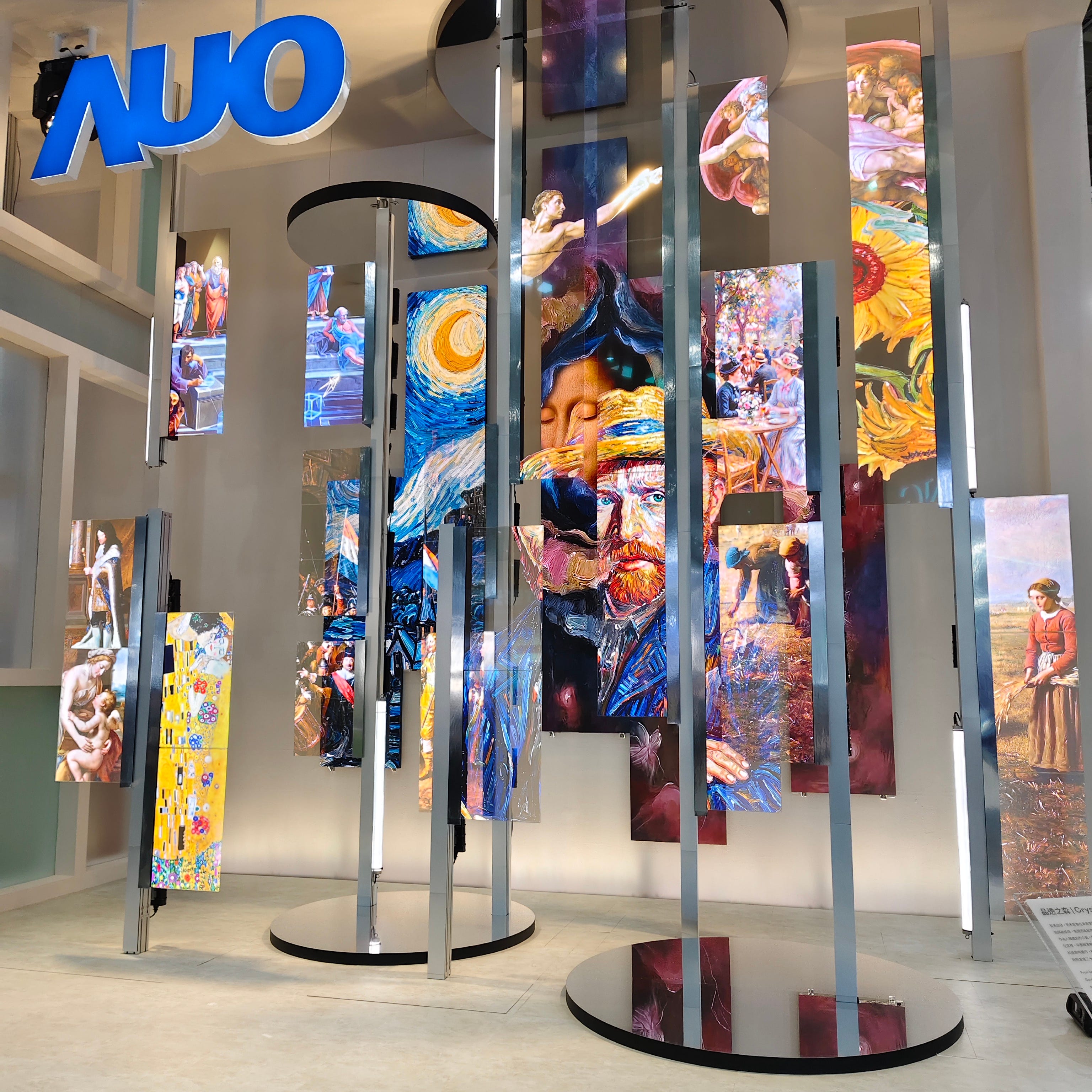
If you are visiting Touch Taiwan this week, the shift in atmosphere is unmistakable. What was once an exhibition strictly dedicated to displays, panels, and XR devices has evolved into a showcase of industrial transformation.
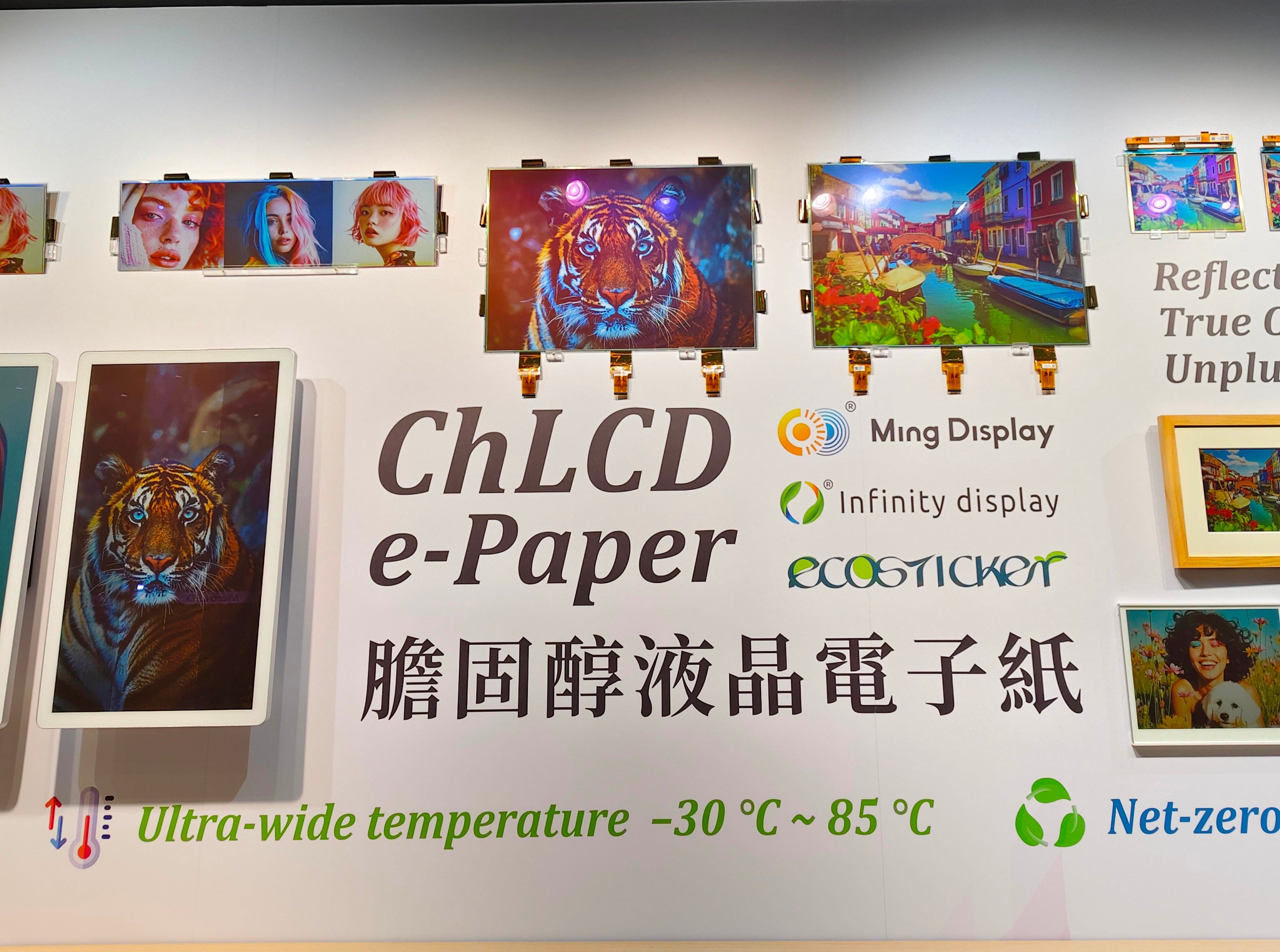
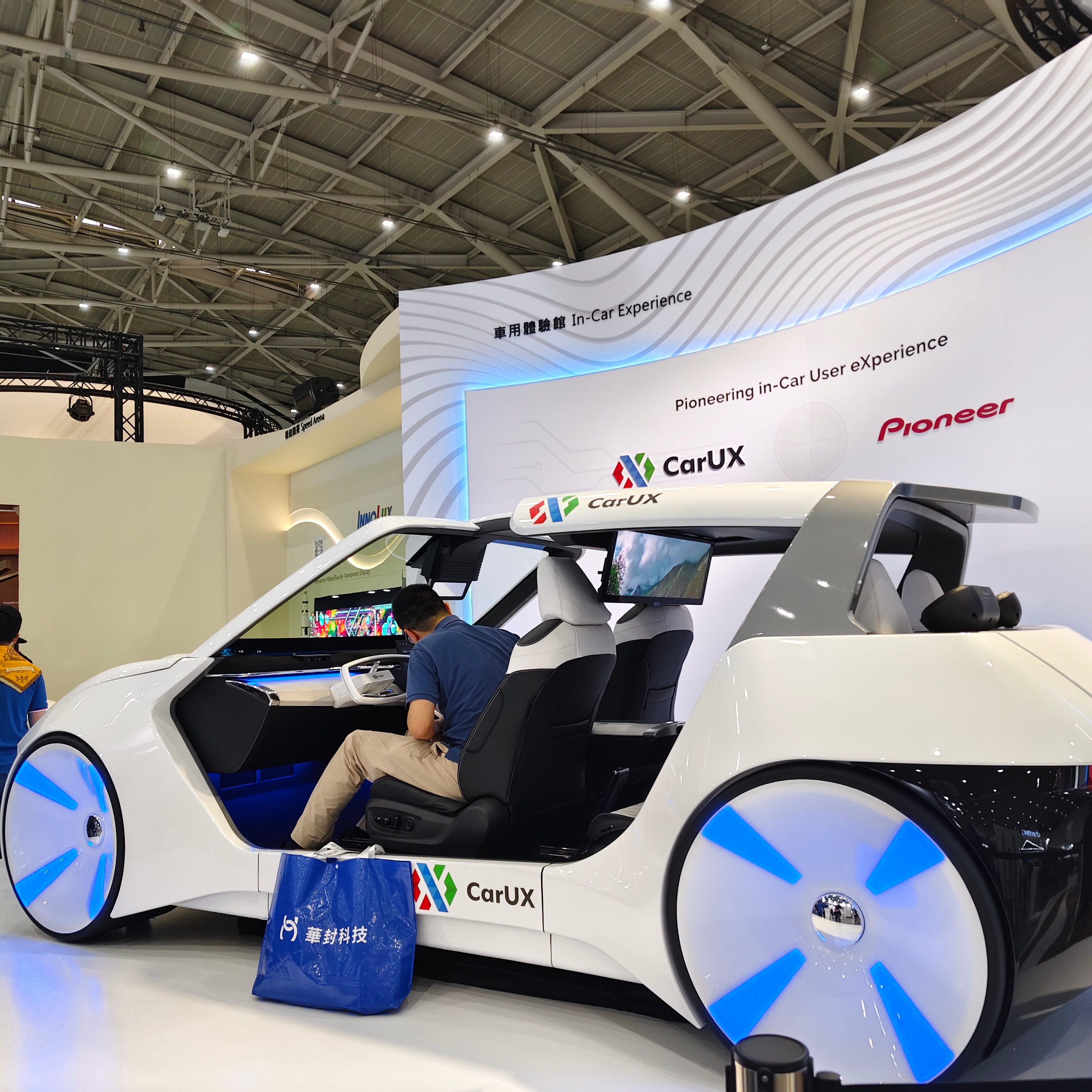
For years, Taiwan’s display and panel sectors have weathered a prolonged downturn, squeezed by aggressive price competition from Chinese giants like TCL and BOE. Facing a fight for survival, many local firms have successfully pivoted, diversifying into high-margin niche products such as ChLCD e-paper and specialized applications such as in-vehicle infotainment to reclaim their competitive edge.
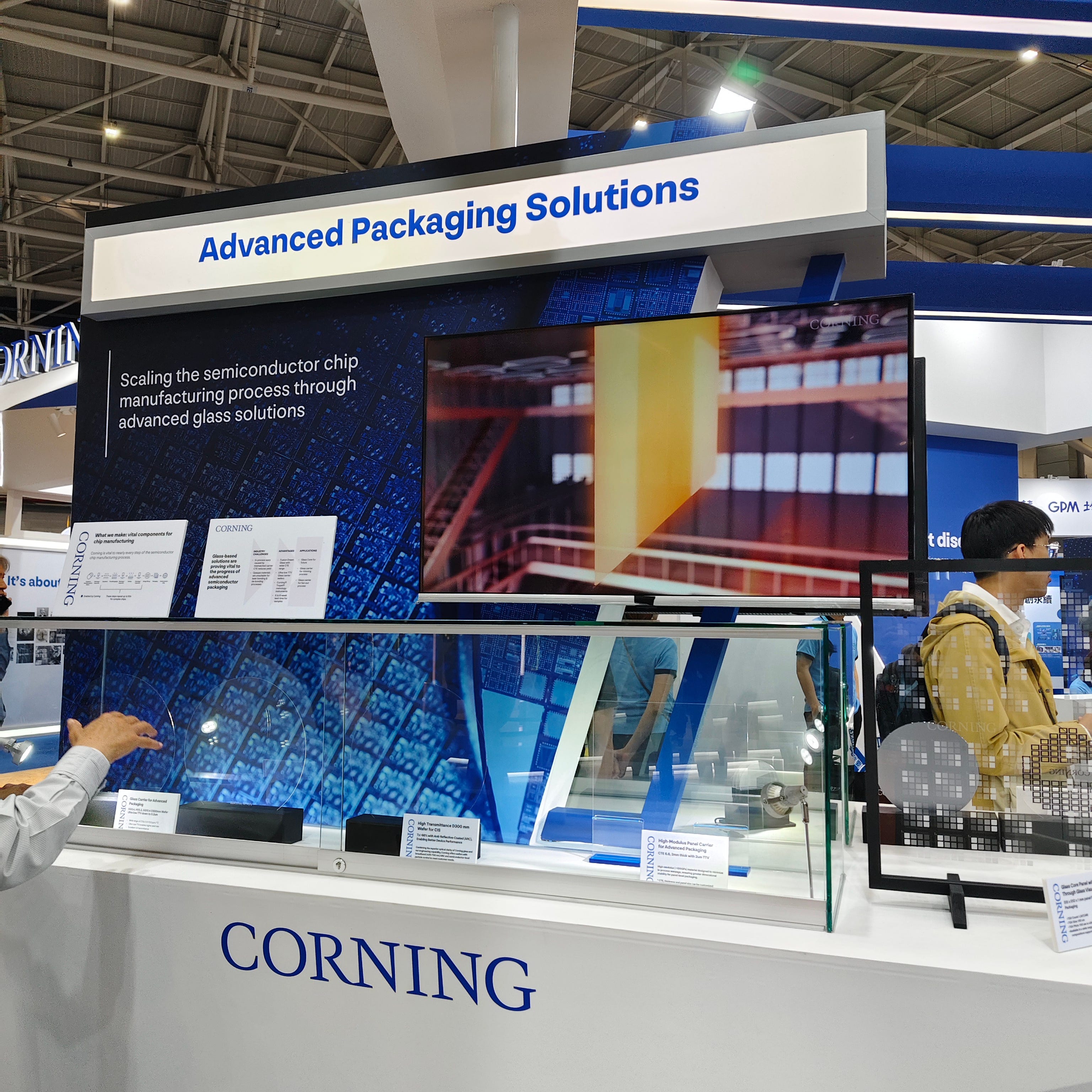
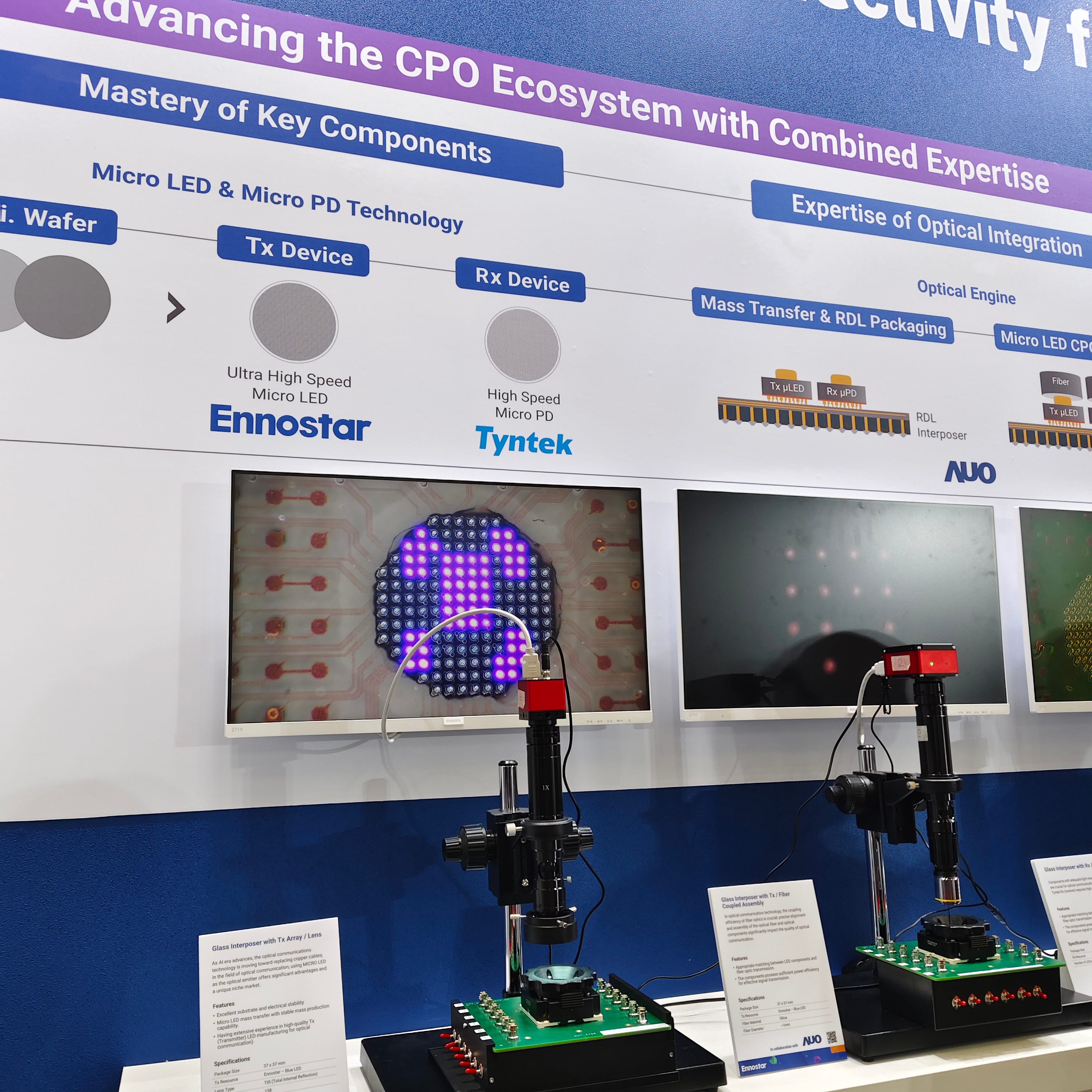
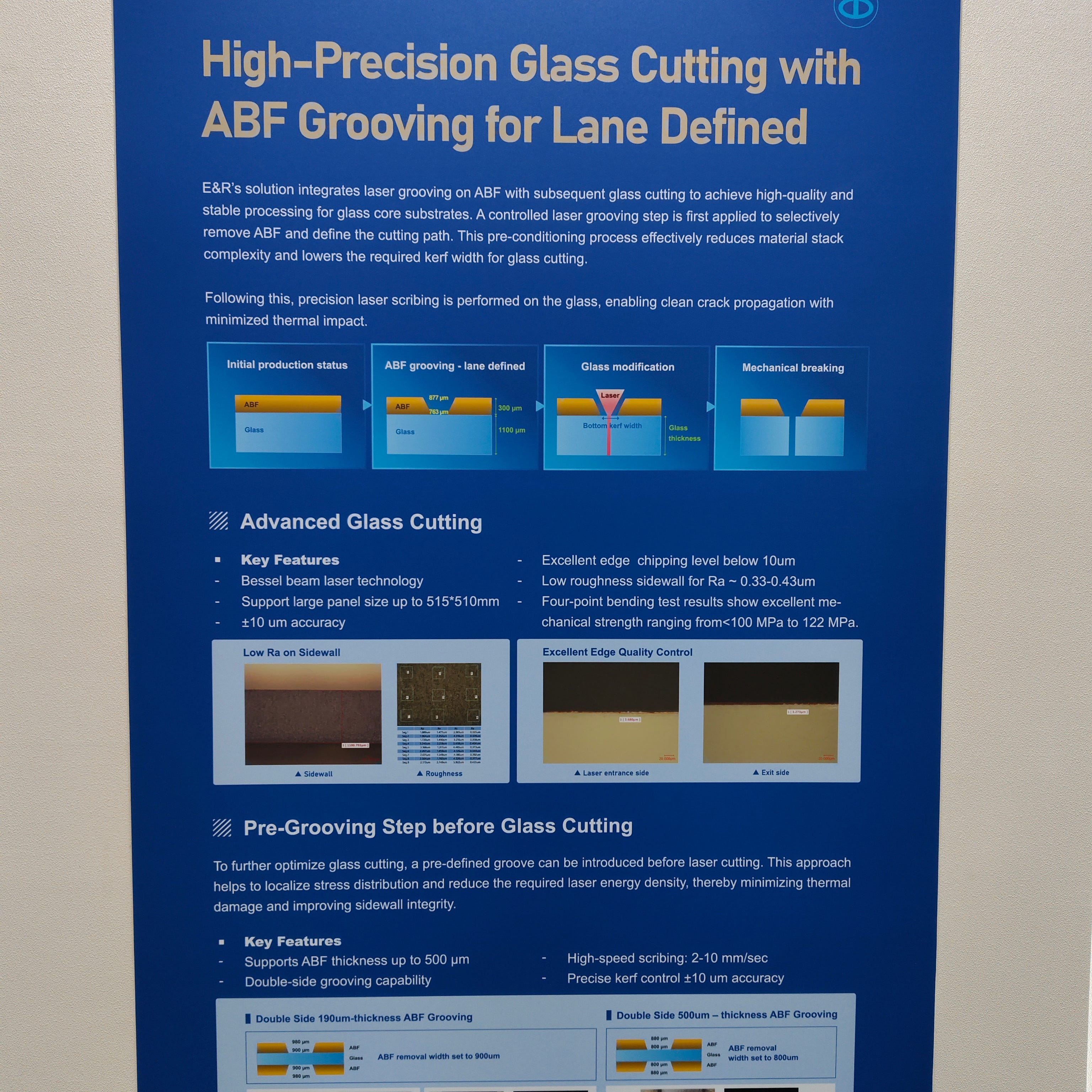
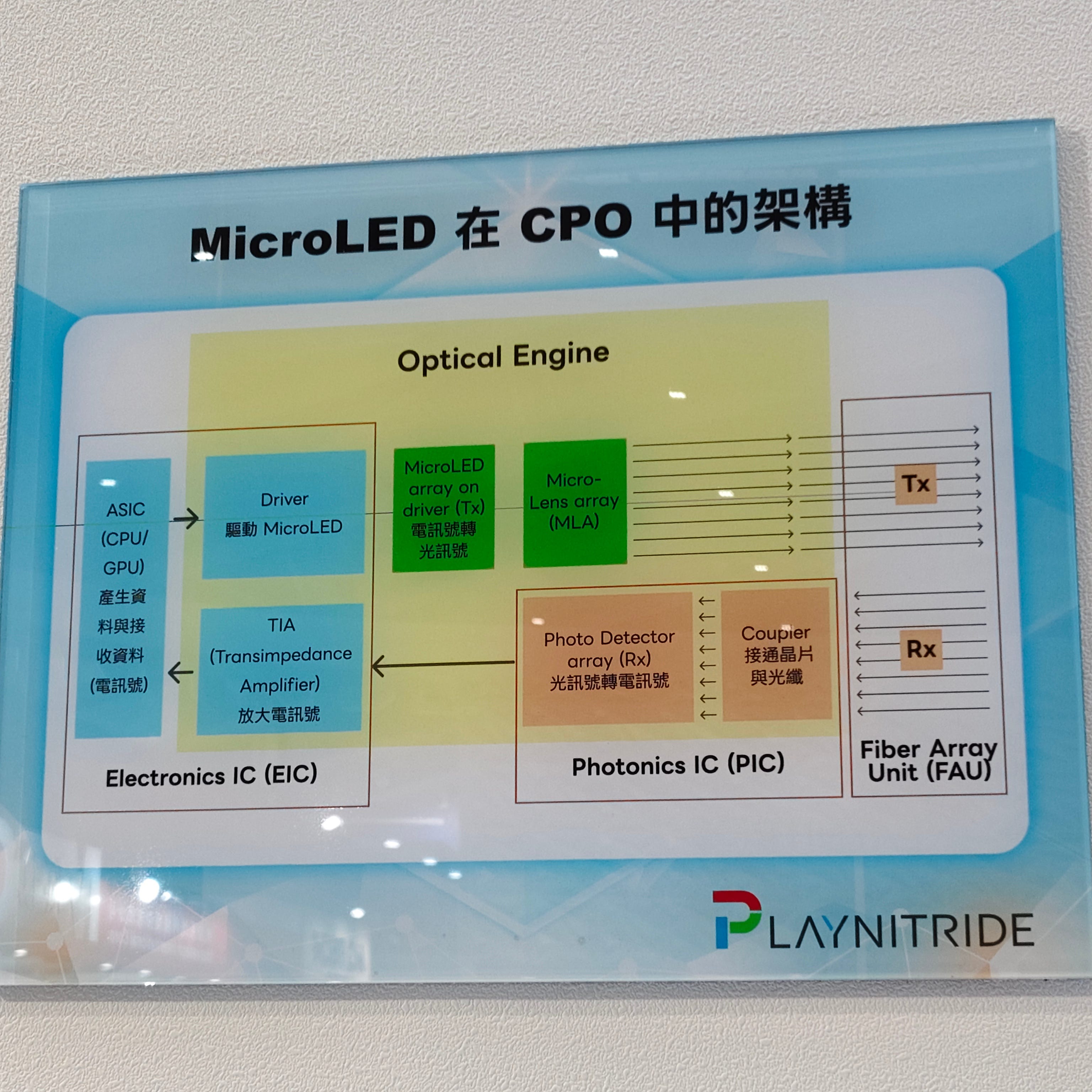
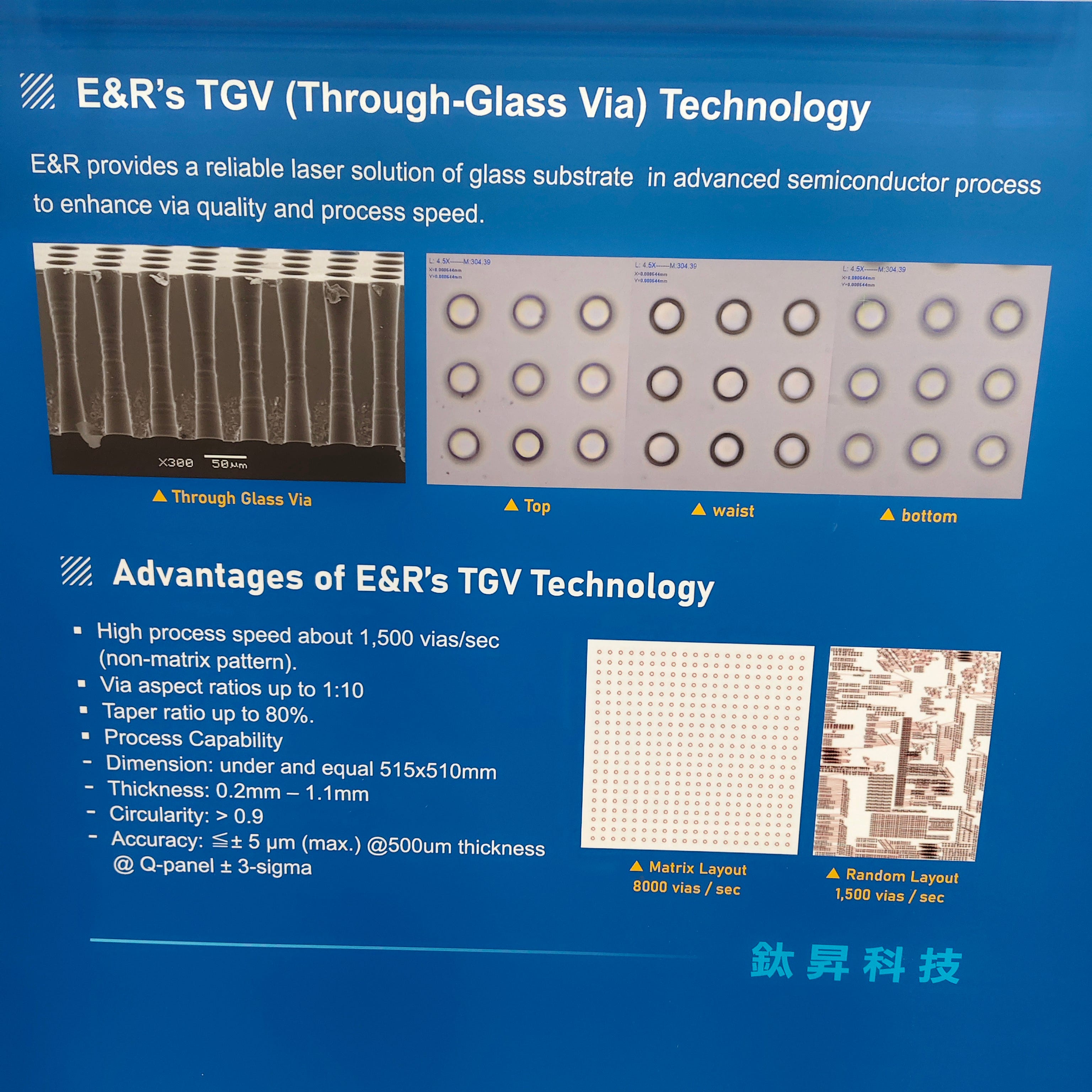
However, one trend is so obvious that one cannot easily ignore it. Panel-Level Packaging (PLP) emerged as a central theme of this year's show. The influx of equipment suppliers specializing in Fan-Out PLP and Co-Packaged Optics (CPO) underscores a growing demand from panel manufacturers currently pursuing these technological transitions.
Even Corning set up a booth for advanced packaging solutions.
While SEMICON Taiwan was once the sole stage for the semiconductor industry, a notable shift is occurring: materials and equipment suppliers are now flooding into Computex and Touch Taiwan.
This migration reflects a strategic land grab. Given the industry’s explosive success—marked by years of consistent double-digit growth in both revenue and profit—companies are eager to claim their share of the market. They are aggressively seeking inroads into the one sector where Taiwan maintains a truly dominant global position.
This shift was further evidenced by a series of technical forums and seminars focused on advanced semiconductor packaging. Key sessions delved into high-growth areas such as Co-Packaged Optics (CPO), Fan-Out Panel-Level Packaging (FO-PLP), and Through-Glass Via (TGV) technology.
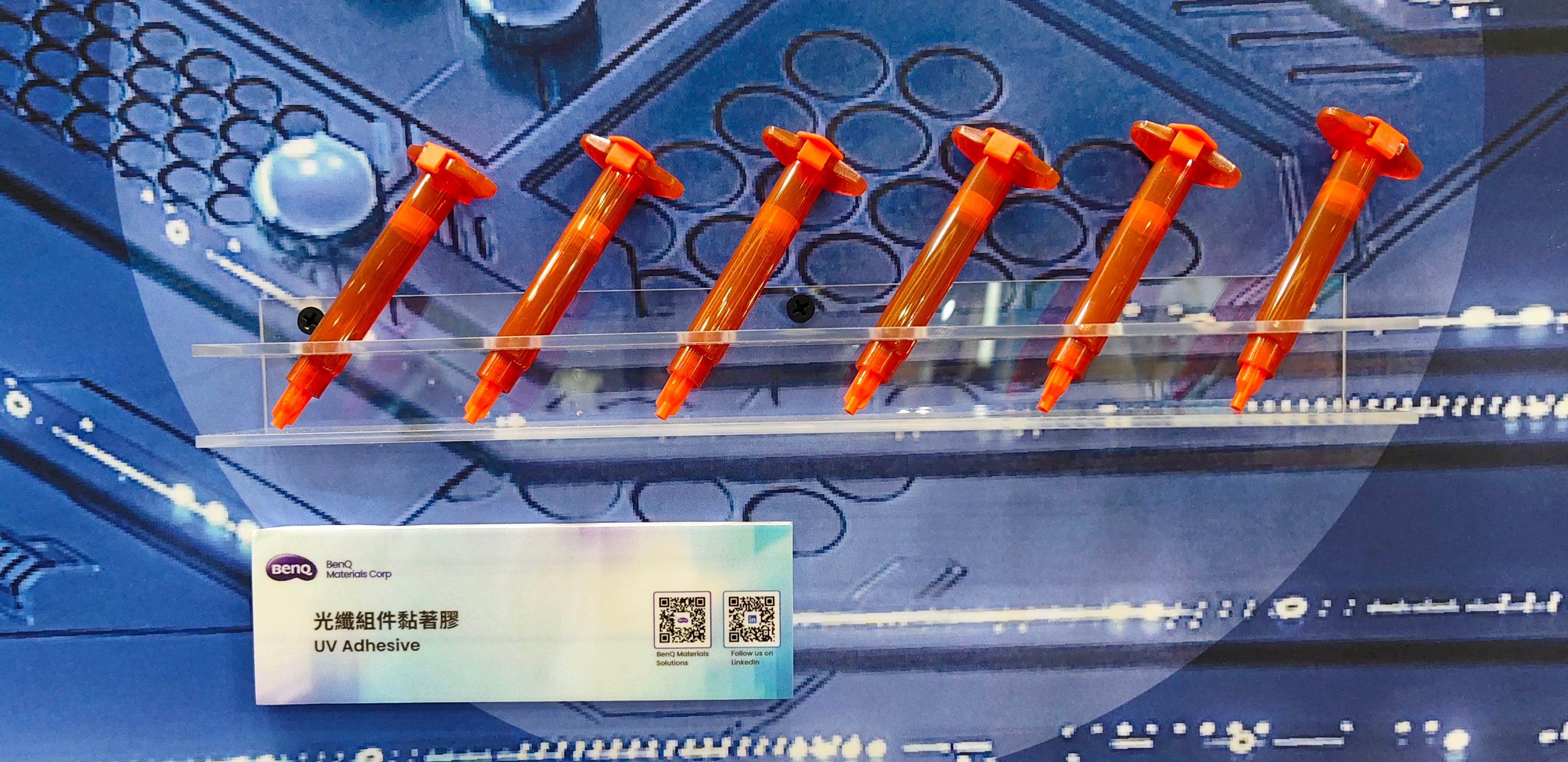
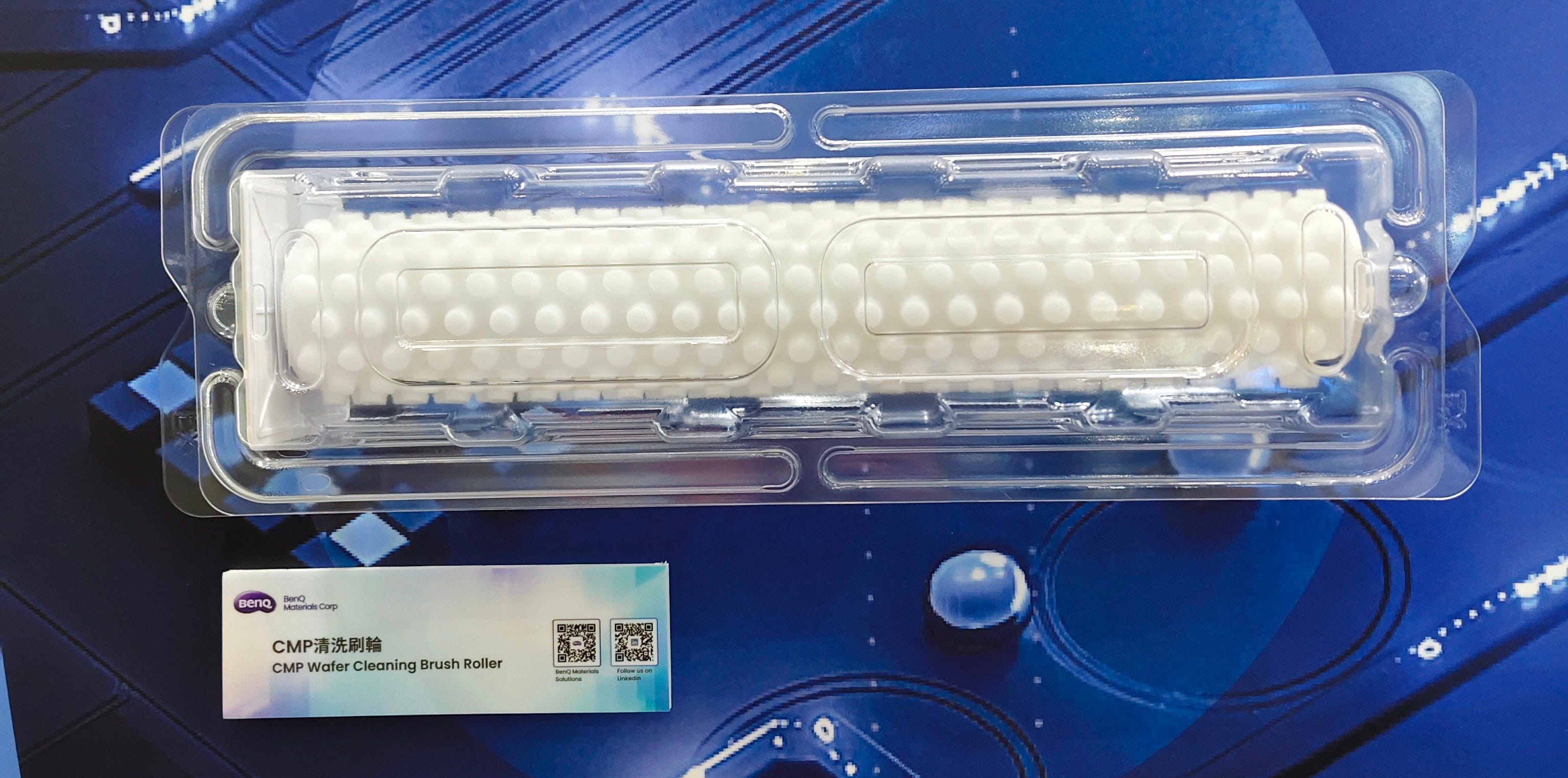
I have deep respect for companies successfully navigating transformation by diversifying into highly specialized niches. BenQ is a prime example; their expansion into industrial materials was on full display, featuring a range of critical semiconductor solutions.
Key highlights from their showcase included:
UV Adhesives: Tailored for AI server systems and currently under validation by a major client.
Lithography & Protection: Dry film photoresist and micro-contamination control films.
Back-end Processes: Dicing UV tape and CMP wafer cleaning brush rollers.
These high-precision materials demonstrate a serious commitment to penetrating the semiconductor fabrication supply chain.
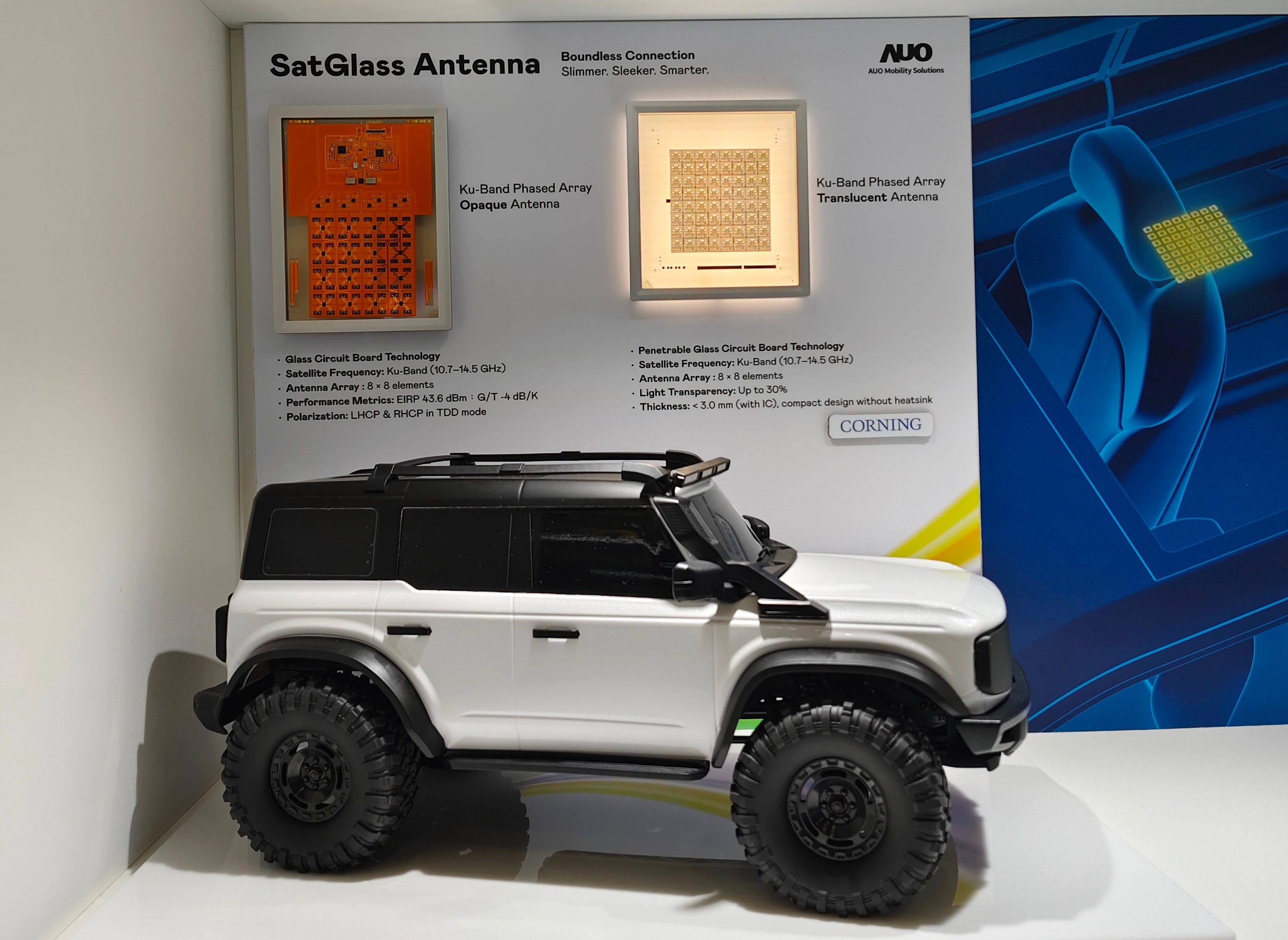
AUO also dedicated a section of its booth to showcase an innovative satellite glass antenna. According to AUO representatives, this Ku-band Phased Array Translucent Antenna is a flagship product currently undergoing testing and validation with automotive clients.
The technology is designed to be seamlessly integrated— ”sandwiched”—between two layers of specialized sunroof glass. This allows vehicles to maintain low-earth-orbit (LEO) satellite connectivity, ensuring “boundless” communication even in remote areas.
Ultimately, this year’s exhibition was a testament to the agility of Taiwan's tech ecosystem. Whether it is BenQ’s move into the fab supply chain or AUO’s leap into LEO satellite connectivity, the message is clear: in an era of cut-throat competition, diversification and relentless innovation are the ultimate competitive advantage.
Comments
Nothing yet. Say the first thing.
Sign in to join the conversation.