
Last week, I introduced Kannawa through its most visible feature: steam. It rises quietly from streets, gardens, rooftops, and empty corners, giving the town a character unlike anywhere else in Japan.
But in Kannawa, steam is not only something you see. It is also something you can taste.
One of the town’s most distinctive experiences is Jigoku Mushi (”Hell Steaming”), a traditional way of cooking with geothermal steam. It is not available at every accommodation, but if your lodging offers it, it is one of the most memorable ways to experience Kannawa.
Instead of using a stove or an oven, you simply place fresh ingredients in a basket and let the hot steam rising from beneath the ground do the work. In just a short time, ordinary ingredients become a meal shaped by the same energy that shapes the town itself.
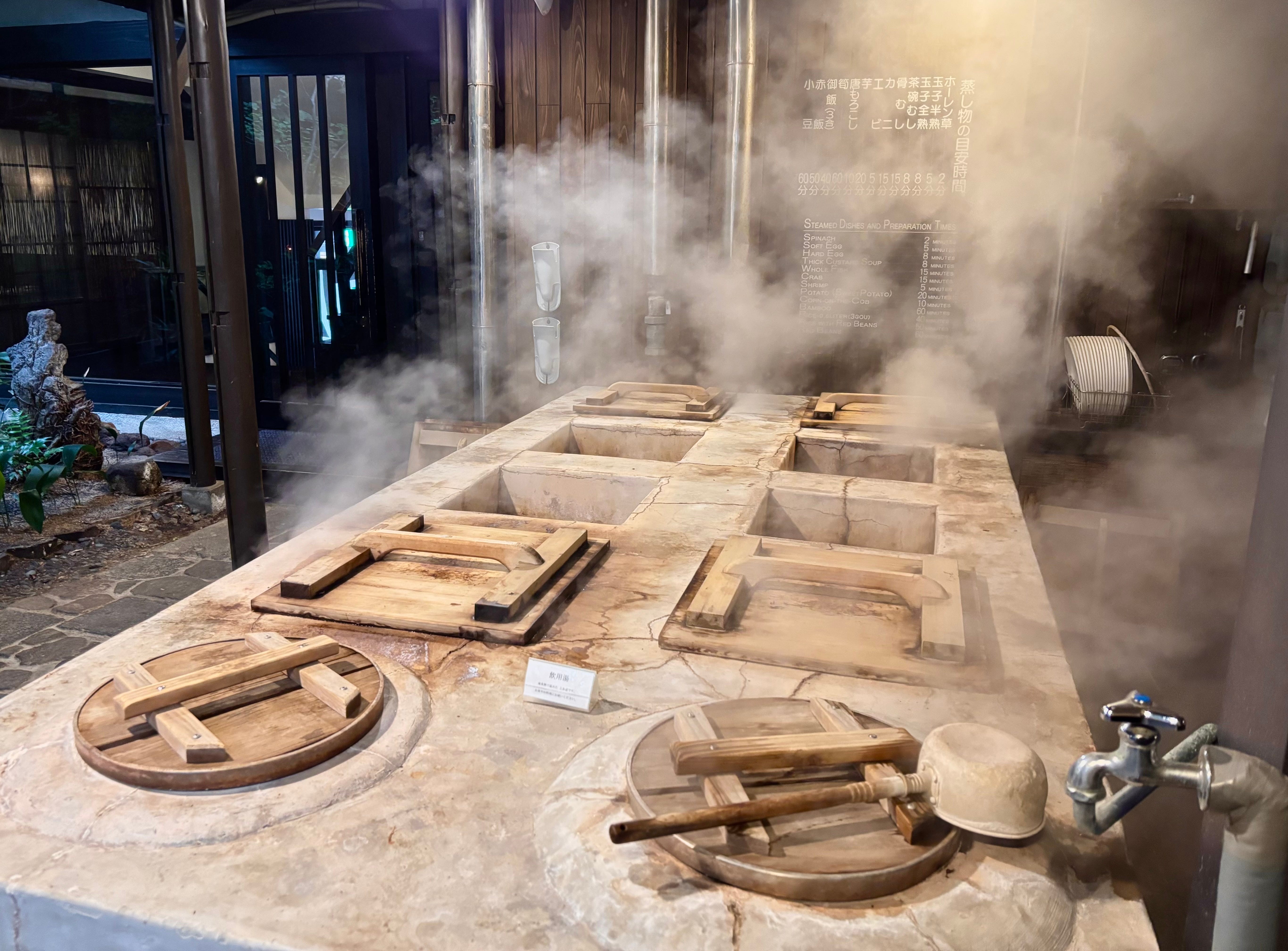
The name Jigoku Mushi literally means “Hell Steaming.” The word “hell” does not refer to anything frightening. In Kannawa, jigoku refers to the steaming hot spring areas where geothermal steam rises continuously from beneath the ground.
That same steam has been used for cooking for generations. At special steam kitchens, ingredients are placed in baskets and set inside a steam chamber. Instead of fire or electricity, the earth provides the heat.
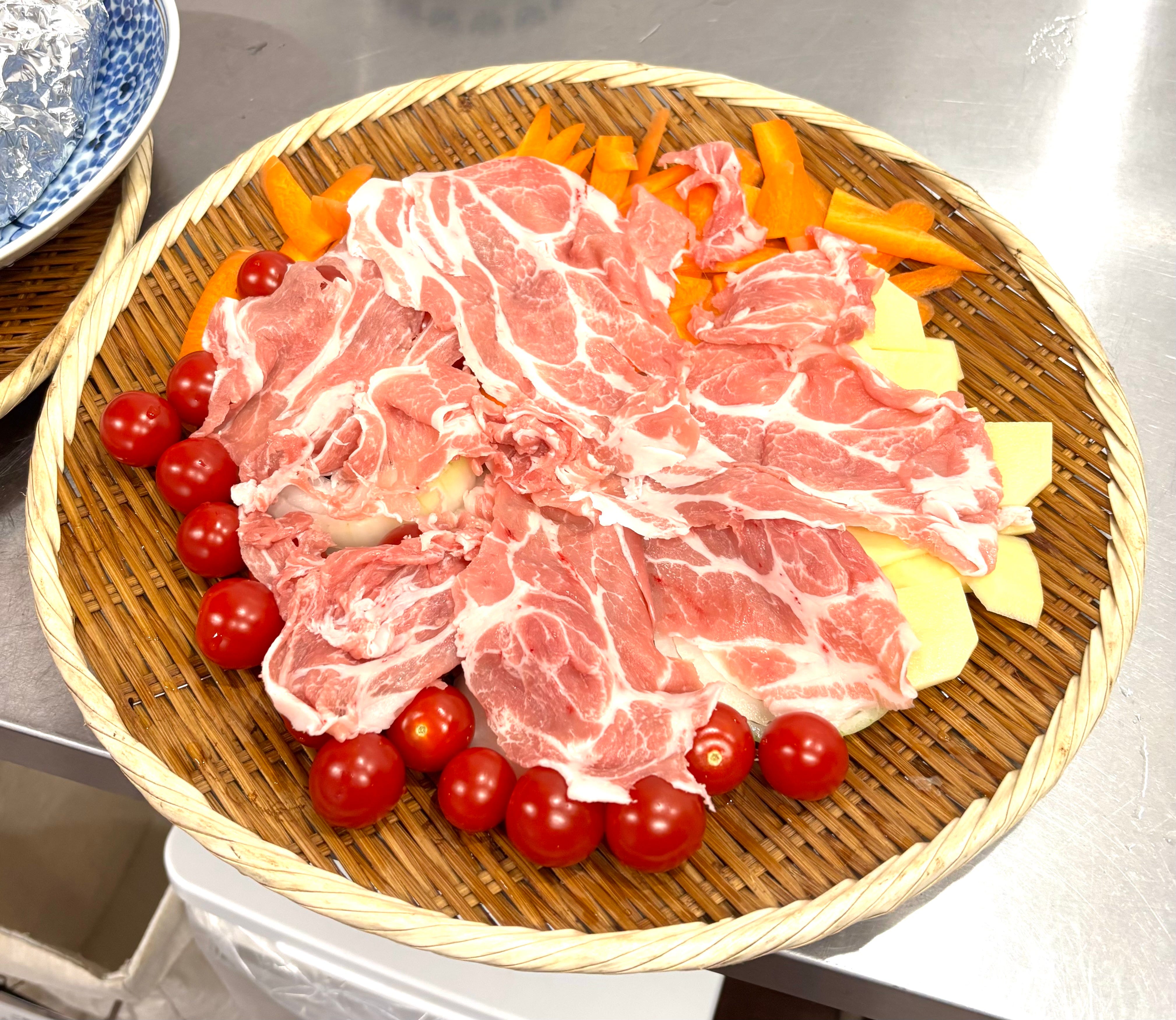
Cooking is surprisingly simple. Vegetables, seafood, meat, eggs, and even rice can all be prepared this way. Depending on the ingredient, it may take only a few minutes—or 20 to 30.
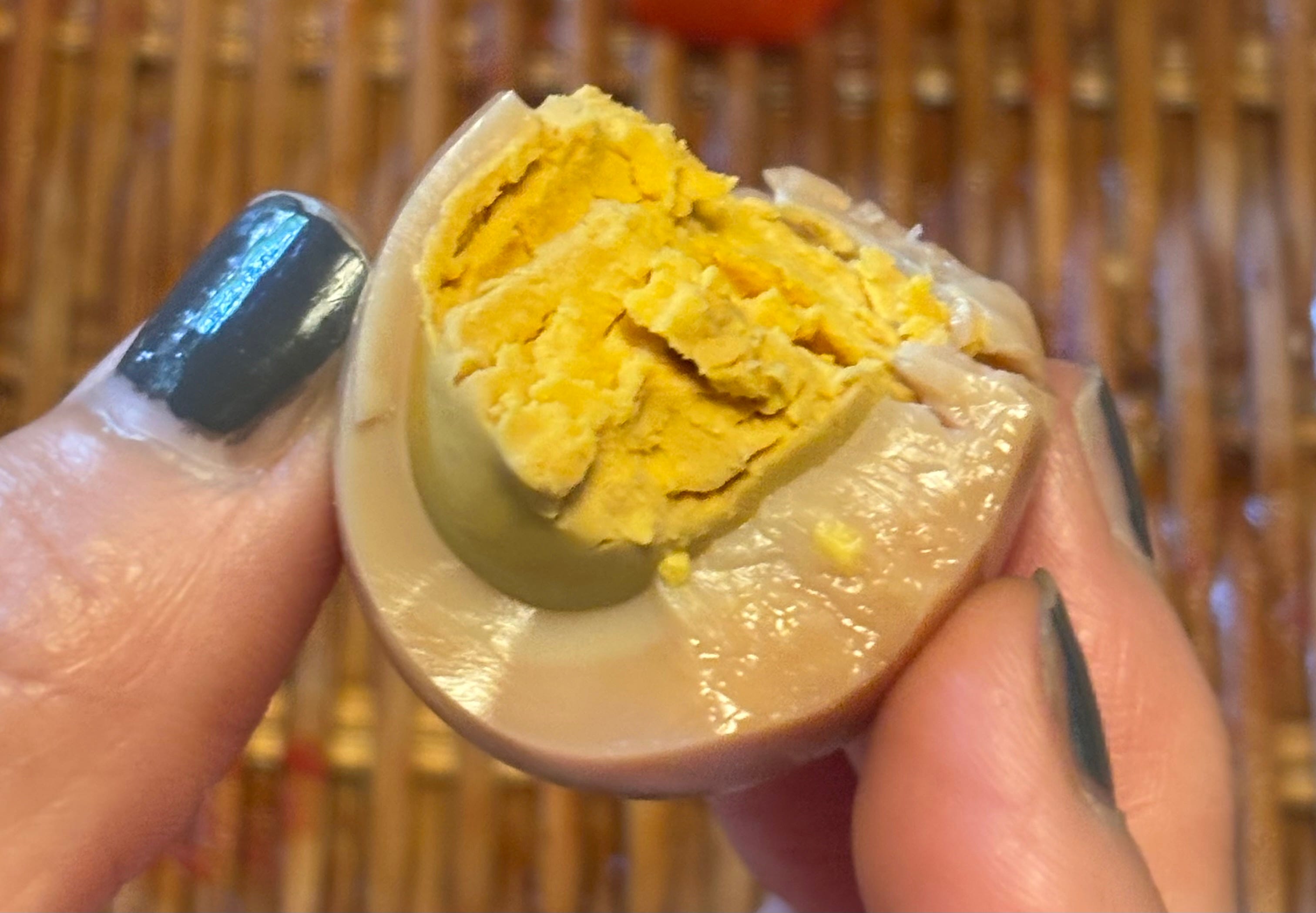
Some of the biggest surprises are also the simplest things: eggs, and even bread. Eggs can be left overnight in the gentle geothermal heat, producing something very close to a traditional Japanese onsen egg. Bread changes too. Rather than drying out or turning crisp, it becomes soft, moist, and remarkably tender.
Because the food is steamed without oil, the natural flavor of each ingredient comes through clearly. Vegetables can taste sweeter, while seafood stays tender and clean-tasting. Jigoku Mushi is not about adding flavor, but about letting the ingredients speak for themselves.
It is the kind of simple experiment that makes you want to try one more ingredient, just to see what the steam will do next.
But perhaps the most interesting thing about Jigoku Mushi is not the recipe itself.
It is a way of cooking made possible by the landscape itself. In Kannawa, the heat beneath your feet becomes part of your meal.
During this trip, I stayed at Yanagiya, a small inn in Kannawa, where Jigoku Mushi felt less like an activity and more like part of the rhythm of the place.
Jigoku Mushi is a slow kind of cooking. You place the ingredients in the steam, close the lid, and wait. There is no flame to watch, no pan to tend, no complicated technique to master. The meal begins quietly, while time does most of the work.
Yanagiya seemed to move at the same pace. Beyond the steam kitchen were a courtyard open to the sky, quiet corners inside the building, and rooms shaped by soft light and shadow. Nothing felt hurried.
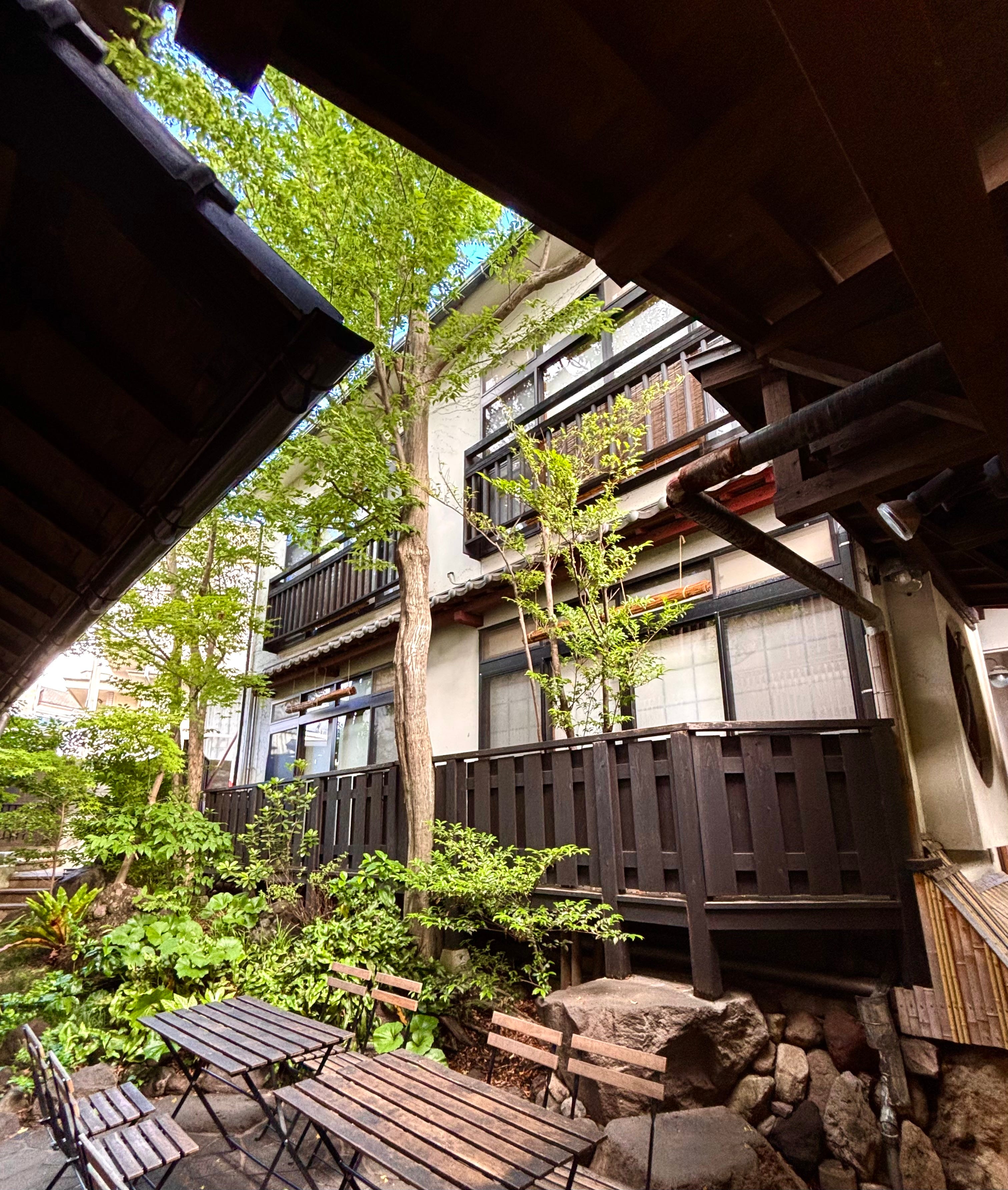
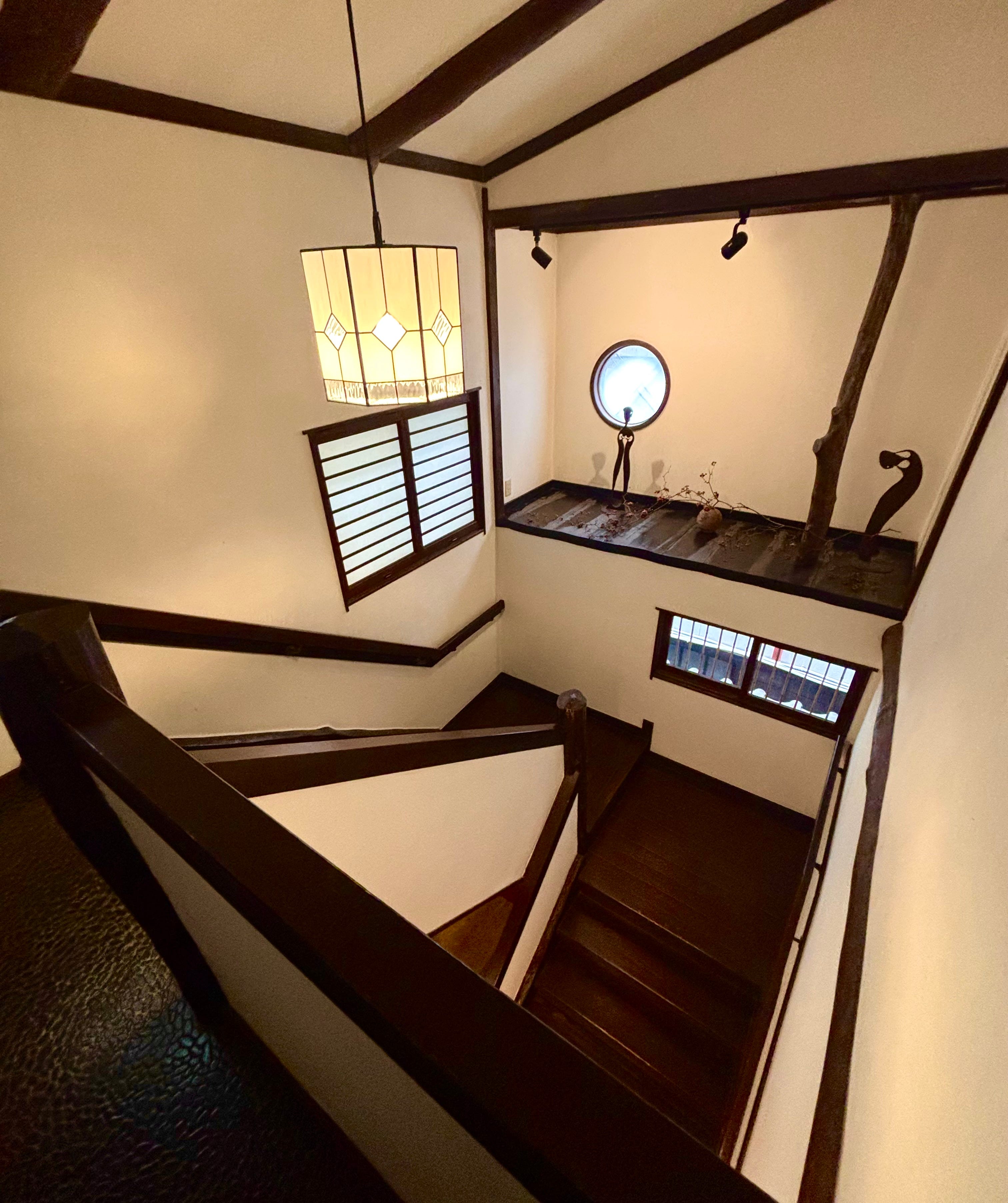
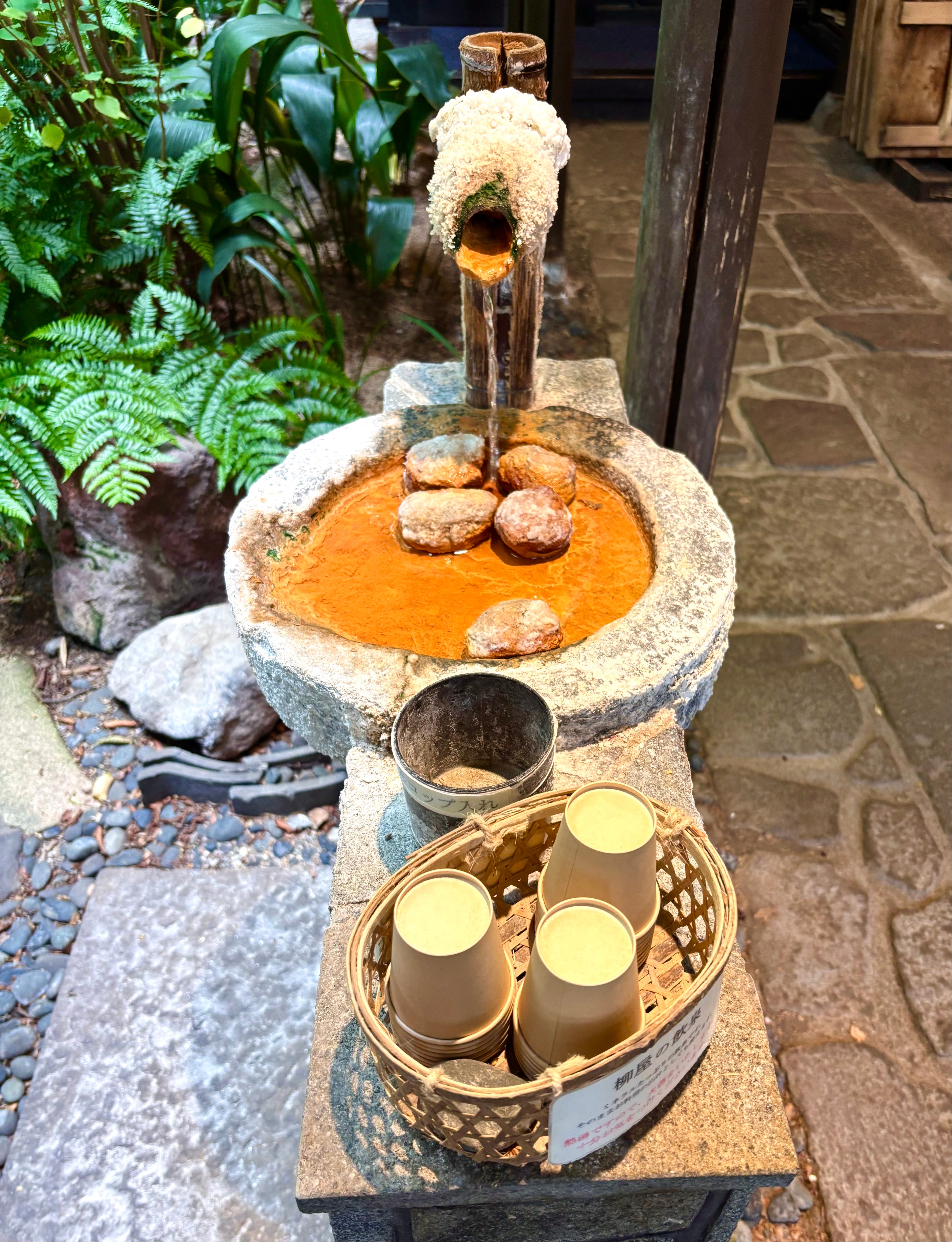
In a place like this, waiting for food did not feel like waiting. It felt like staying.
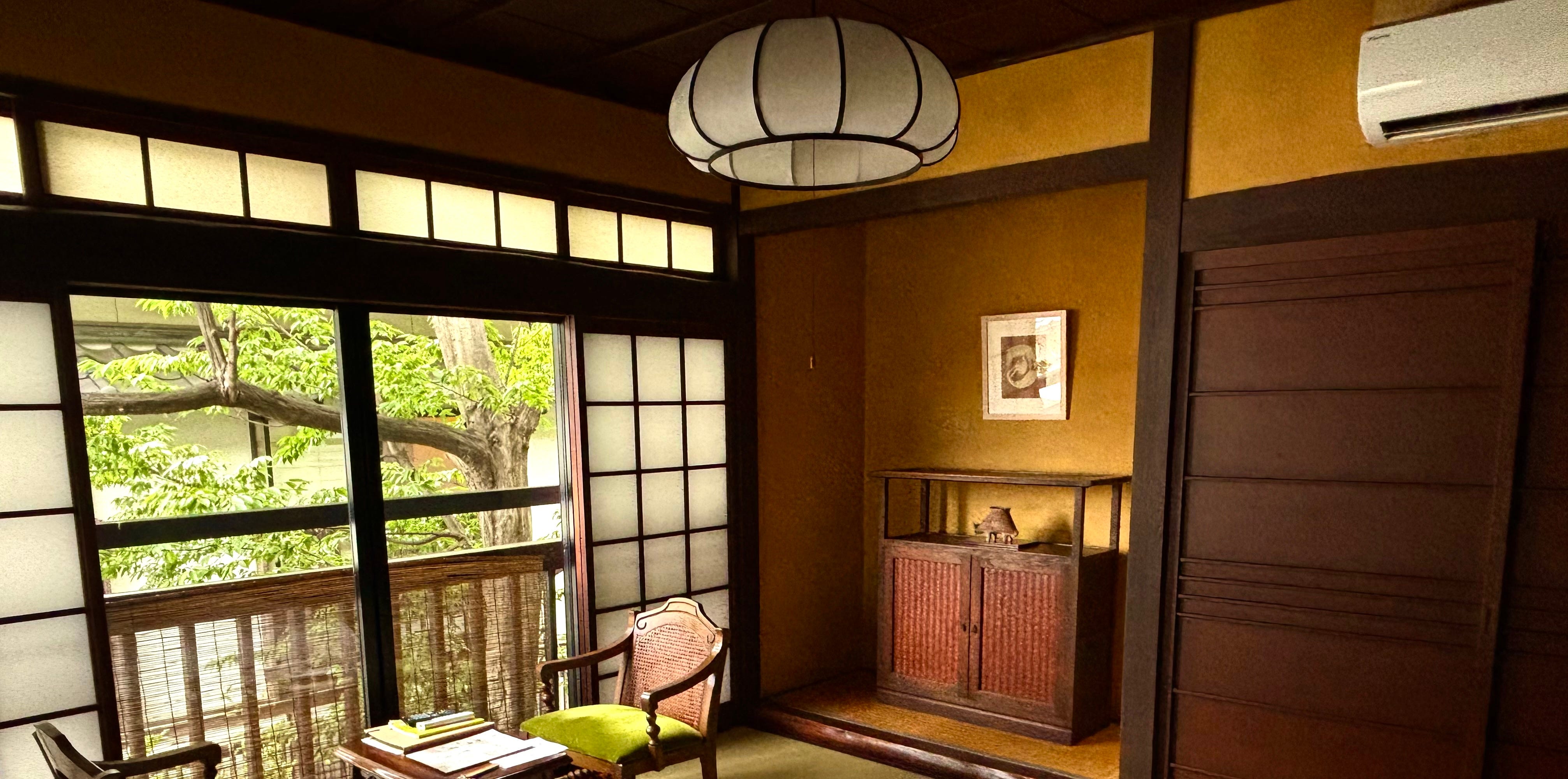
Jigoku Mushi is not simply a local specialty. It is one expression of the relationship between the people of Kannawa and the land beneath them.
Perhaps this is what stays with you in the end: the steam lingers like a quiet breath, and the earth holds a warmth that feels almost alive. It is something you begin to hear, almost without noticing.
Comments
Nothing yet. Say the first thing.
Sign in to join the conversation.