
Many readers may have heard of Beppu, a hot spring city in Oita, Kyushu.
For someone like me, who loves onsen, Beppu is a special place. It has an extraordinary number of hot spring sources, a huge volume of hot spring water, and many different types of mineral springs.
But numbers do not really explain Beppu.
What stays with me is steam rising from ordinary streets, drifting around old buildings, alleys, pipes, kitchens, bathhouses, and quiet corners of daily life.
In many hot spring towns, hot water is something you enter after arriving somewhere.
In Beppu, it appears before you arrive anywhere.
The city does not simply have hot springs.
It seems to breathe through them.
This week, I do not want to write a complete guide to Beppu. Instead, I want to share a walk through a city where steam is part of the scenery, the food, the streets, and the rhythm of daily life.
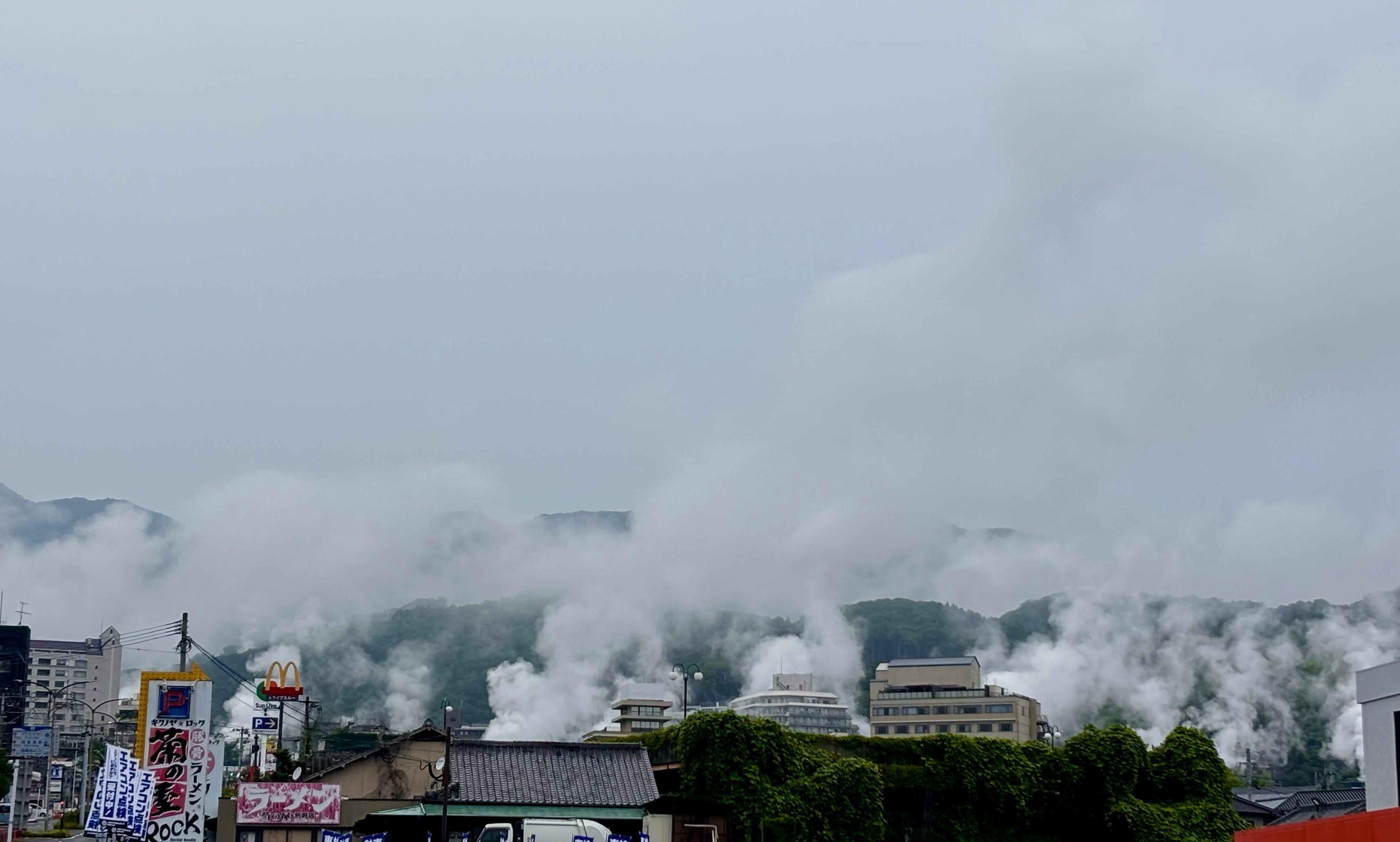
In Beppu, steam is not only scenery.
It is part of the streets, the infrastructure, the smell, the food, and the rhythm of daily life.
Public bathhouses are close to ordinary streets. Pipes run through the town. Steam appears near homes, inns, kitchens, and small shops.
In many onsen towns, hot water is something you enter.
In Beppu, it is something you walk through.
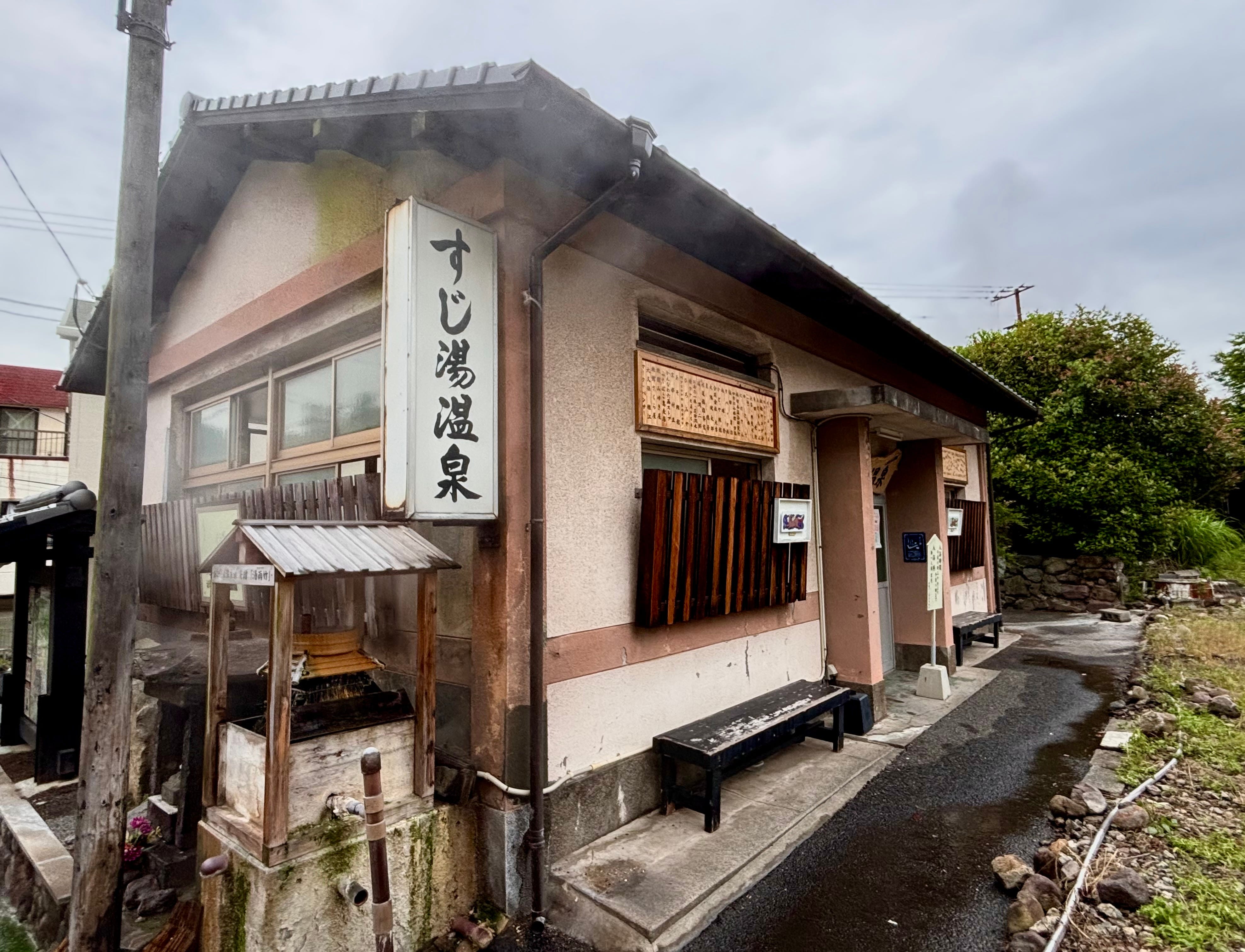
Kannawa may be the easiest place to feel Beppu’s steam culture on foot.
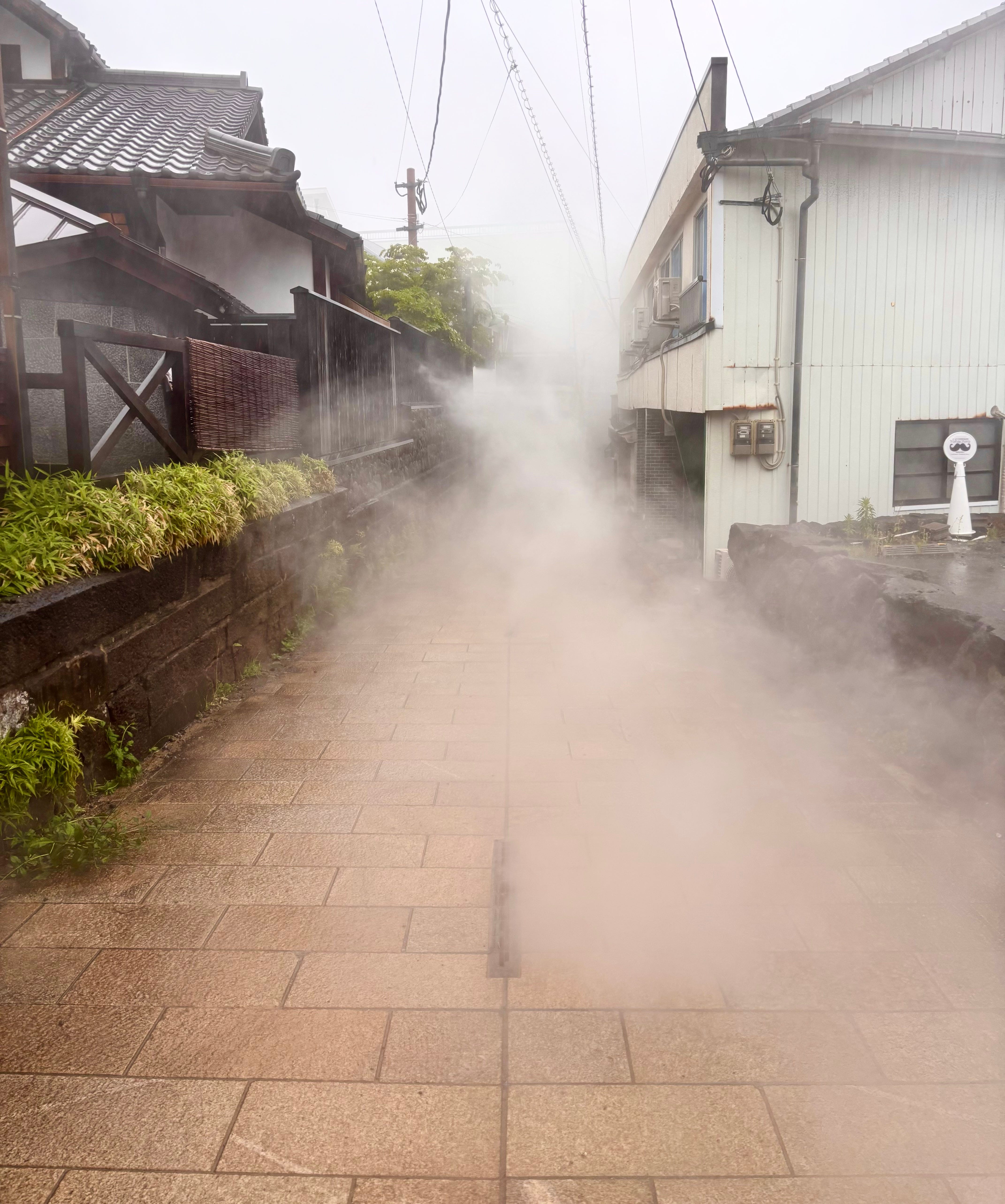
It does not feel like a place designed only for visitors.
It feels like a neighborhood that has lived with hot water for a very long time.
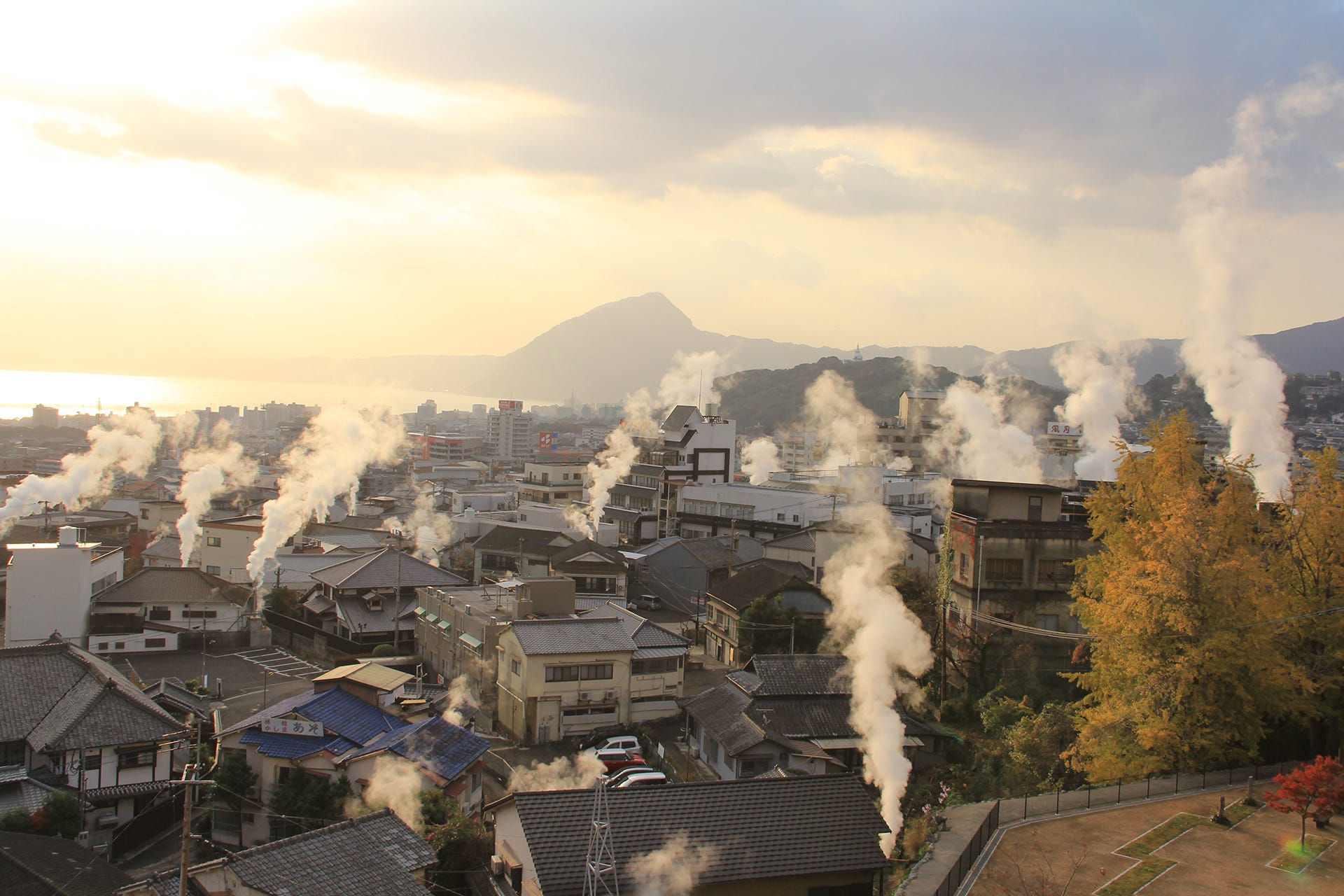
Beppu is also known for its jigoku, or “hells.”
The name sounds dramatic, and the places can look dramatic too: colored ponds, thick steam, bubbling mud, and hot water too intense for bathing.
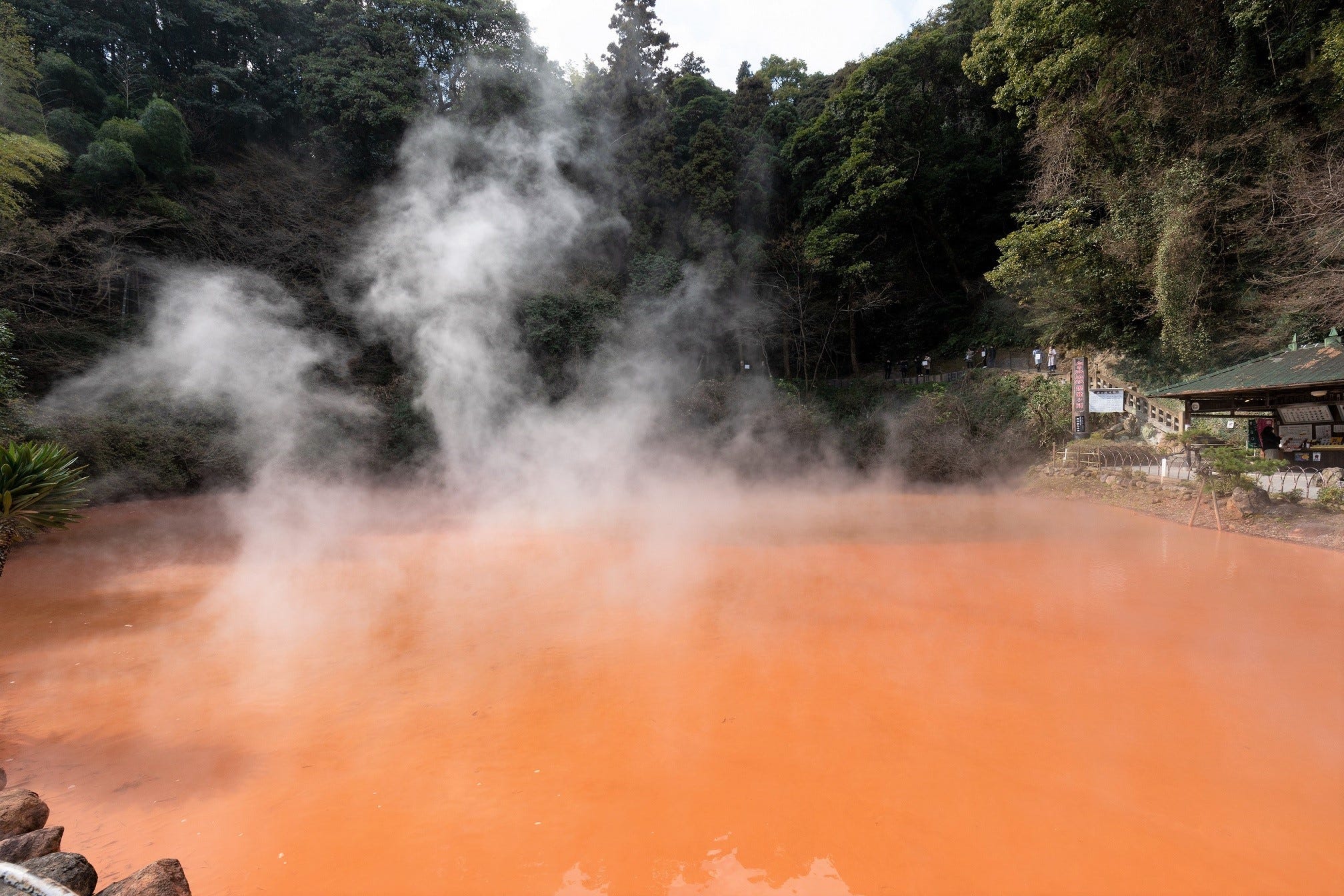
But this is one practical point that first-time visitors should know.
The hells are not baths.
They are hot springs to look at.
They show the raw heat below the city.
The beauty of Beppu comes from something powerful.
Not everything underground is soft.
The same steam also enters the kitchen.
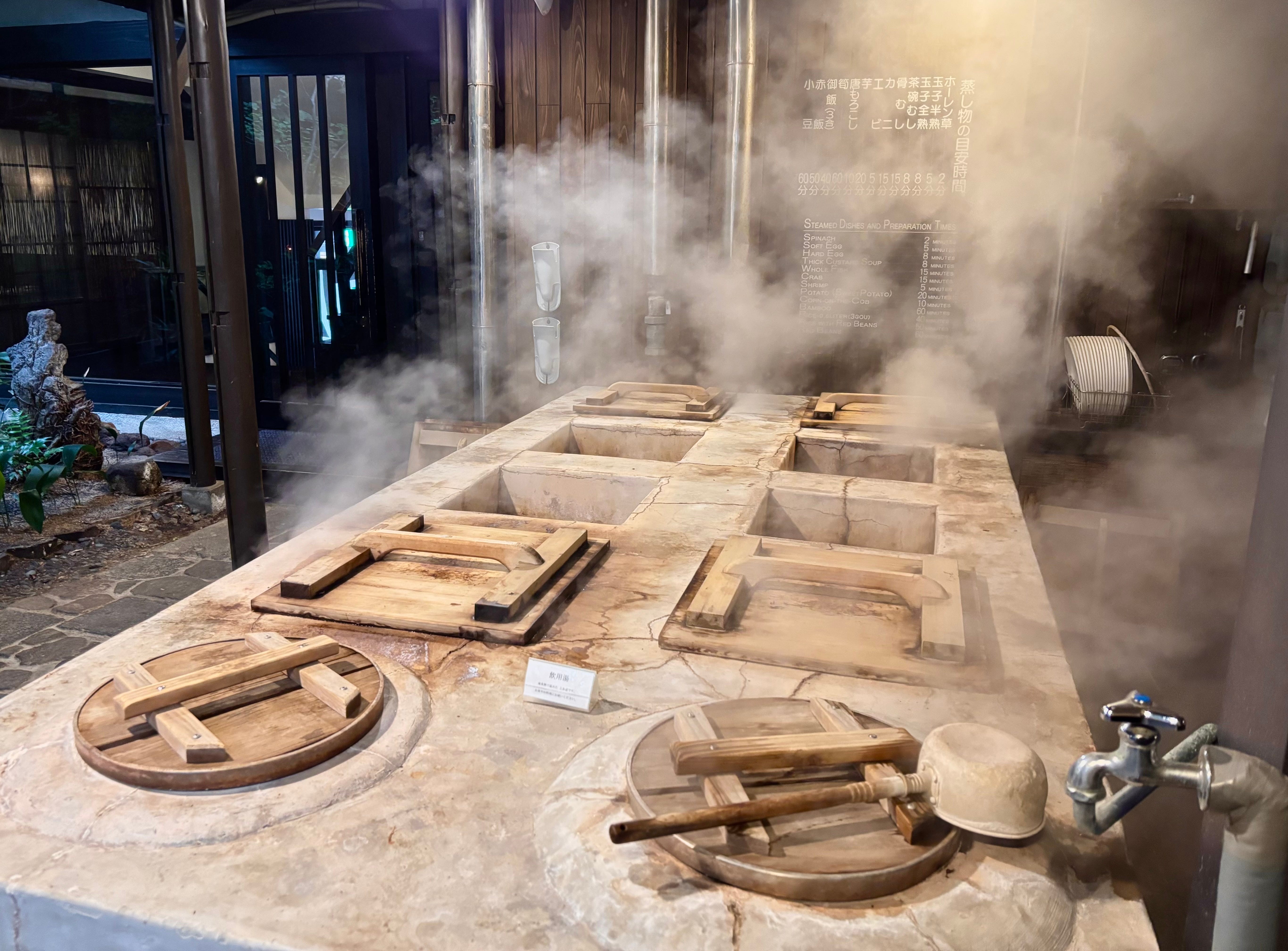
In Kannawa, hot spring steam is used to cook vegetables, seafood, meat, eggs, rice, and even bread. This is called jigoku-mushi, or “hell steaming.”
I will write more about this later.
For now, it is enough to say this: in Beppu, steam is not only something to see or bathe in. It can become part of a meal.
Beppu is beautiful, but not always in a polished way.
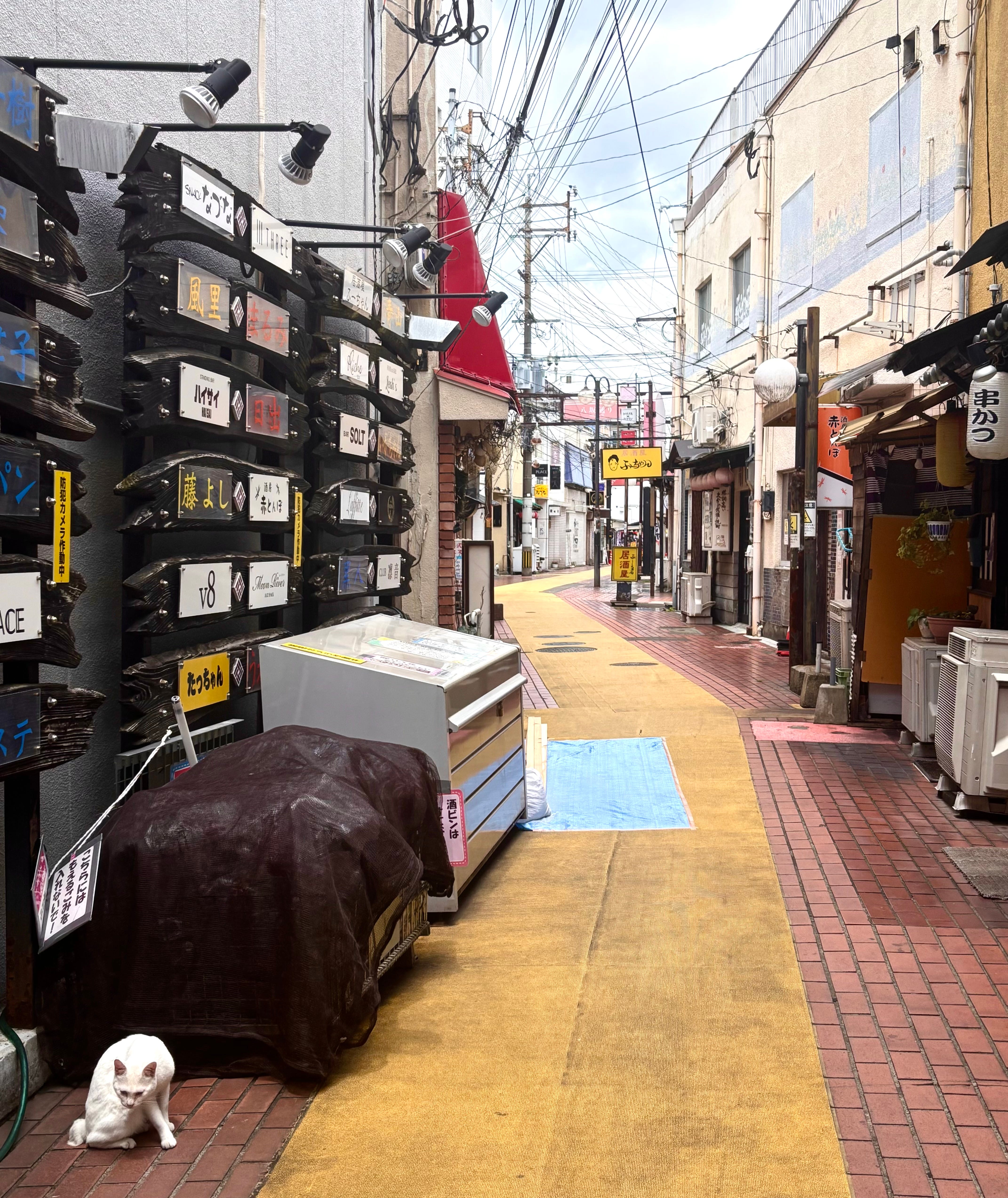
Some corners feel old, quiet, or slightly tired. There are older buildings, empty lots, modest streets, and small public bathhouses that belong more to daily life than to tourism.
But this does not make Beppu less interesting.
For me, it makes the city feel more real.
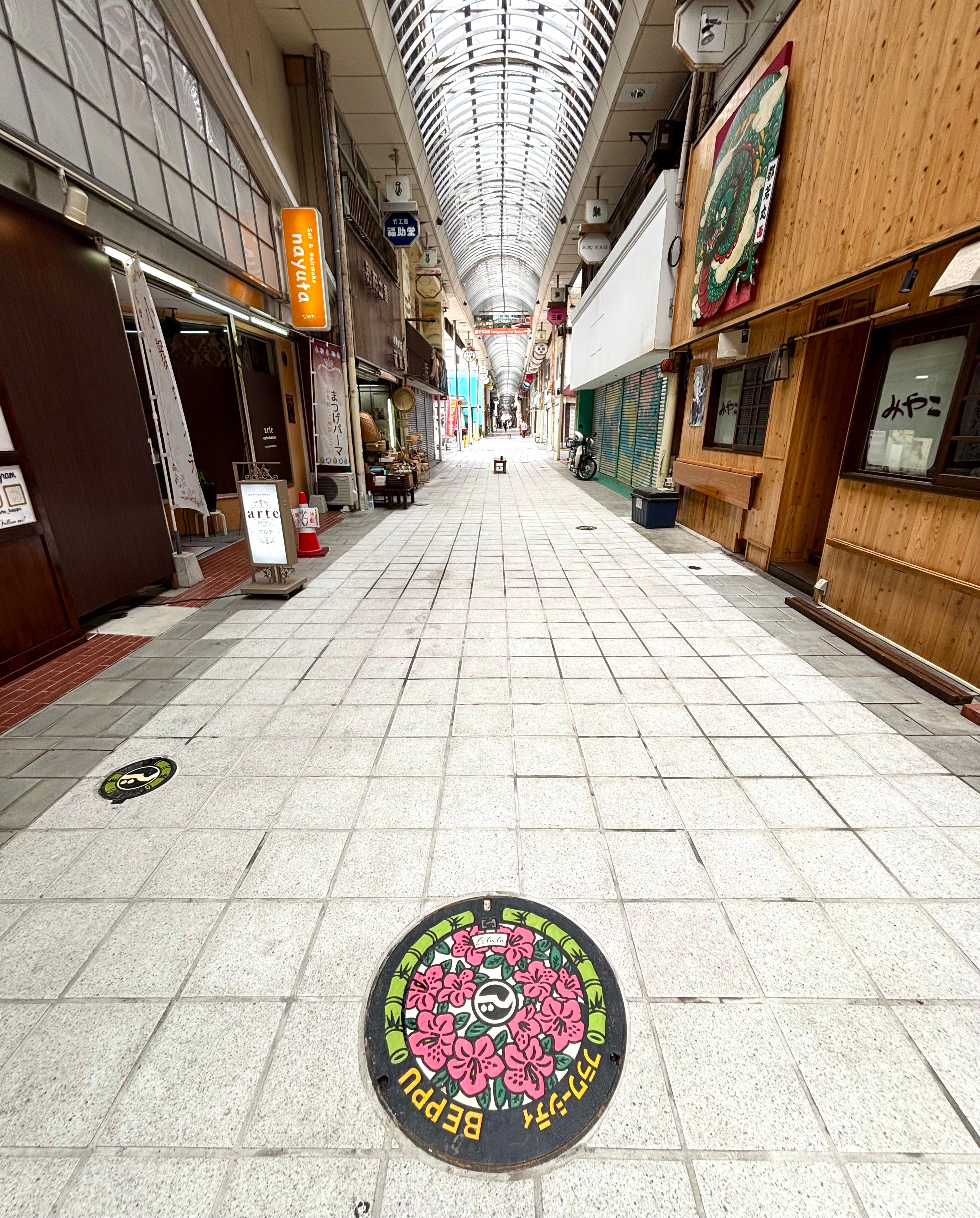
The steam does not rise only around perfect scenery.
It rises around ordinary life.
That may be why Beppu stayed with me.
For a first visit, I would not rush too much.
Kannawa is a good place to start if you want to feel Beppu’s steam culture on foot. The hells are useful if you want to see the variety and power of the hot spring sources. Jigoku-mushi is one of the clearest ways to understand how steam enters daily life, though I will save the details for later.
One night is possible.
But two nights are better.
Beppu can be combined with Yufuin or other parts of Kyushu, but it also deserves time on its own.
If you treat Beppu only as a set of sightseeing points, you may miss the best part.
Leave some unplanned time to walk through ordinary streets, notice the steam rising from small corners, and let the city’s slower rhythm come closer.
Beppu does not reveal itself all at once.
The longer you stay, the more it begins to answer.
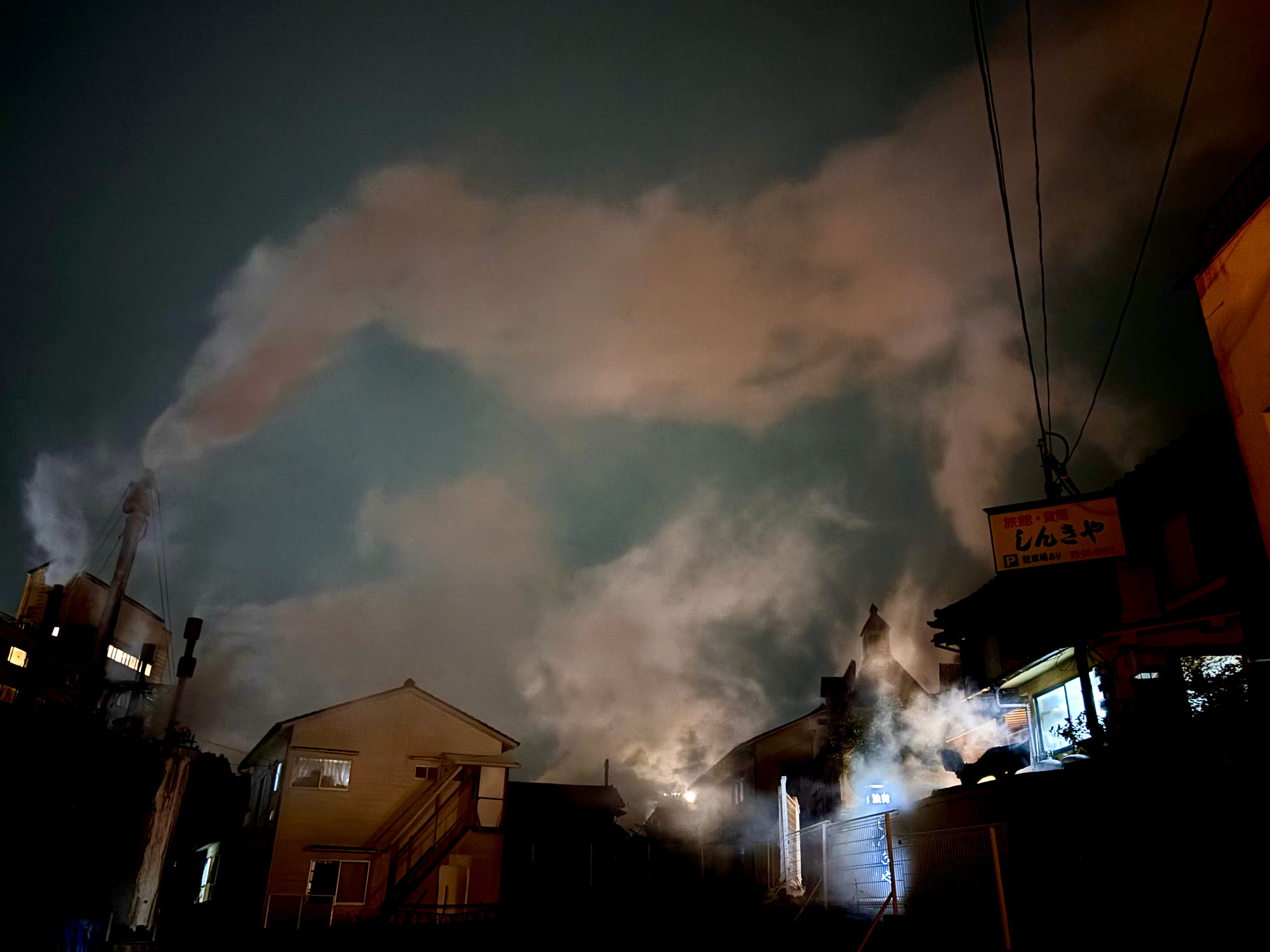
Beppu is not only a place to soak in hot water.
It is a place where the ground keeps speaking quietly through steam.
From streets, kitchens, bathhouses, hillsides, old buildings, and small corners of the city, the same message rises into the air.
The earth beneath Beppu is still alive.
Comments
Nothing yet. Say the first thing.
Sign in to join the conversation.