
July is almost here, and in Japan that means the main climbing season for Mount Fuji is about to begin.
Mount Fuji is not a mountain that can be climbed freely throughout the year. For most visitors, summer is the short window when climbing becomes possible. Around this time, many travelers start checking routes, reservations, weather, and transportation.
Personally, I have always thought of Mount Fuji as a mountain to see and appreciate, rather than a mountain I urgently need to climb. I enjoy hiking, but climbing Mount Fuji has never been at the very top of my own list.
Still, for many visitors to Japan, reaching the summit of Mount Fuji is a major goal. And if you are thinking about climbing it this summer, now is a good time to pause and consider what the climb actually involves.
This year, the basic system is largely continuing from recent seasons, but Mount Fuji still requires careful planning. Fees, reservations, gate controls, and safety measures all remain important. In this post, I want to look at three misunderstandings that travelers should clear up before making plans.
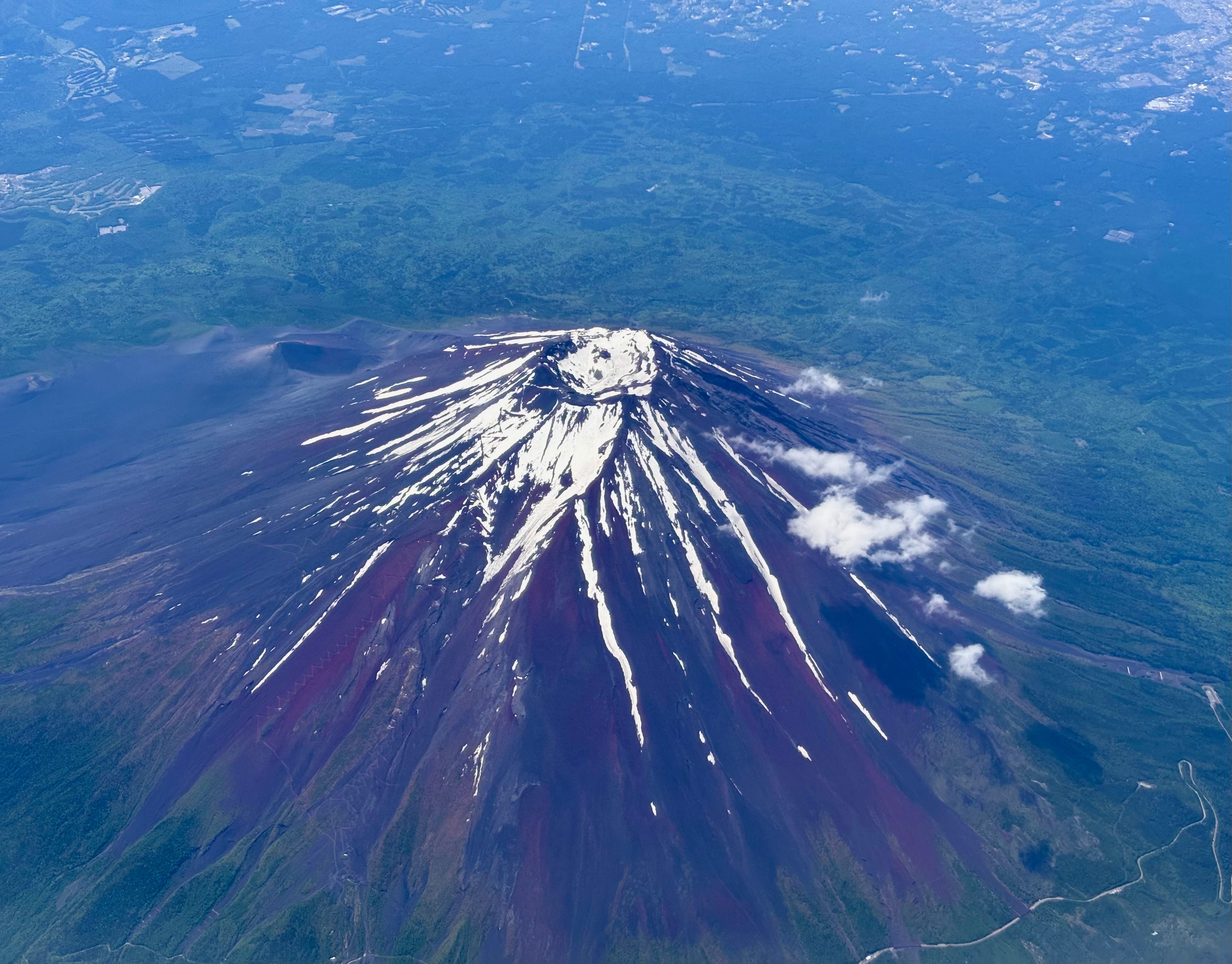
Mount Fuji is one mountain, but there is not just one way to climb it.
There are four official climbing routes: Yoshida, Subashiri, Fujinomiya, and Gotemba. Their opening dates and rules are not always the same. In 2026, the Yoshida and Subashiri trails are scheduled to open on July 1, while the Fujinomiya and Gotemba trails, as well as the summit crater rim walk, are scheduled to open on July 10.
That is why it is better not to think only in terms of “the Yamanashi side” or “the Shizuoka side.” The more practical question is simpler: Which trailhead are you using?
And if you plan to climb before July 10, you should think carefully about your route in advance. Until the other routes open, you should not assume that all descent options will be available in the same way. For most travelers in that early period, it is safest to plan around the same open trailhead: Yoshida or Subashiri.
For many travelers, climbing Mount Fuji means seeing the sunrise from the summit, or at least from somewhere high on the mountain. If that is your plan, the first practical step is not buying new gear or checking the summit time. It is deciding the date and securing a mountain hut.
This matters because the climbing season is short, and the number of beds on the mountain is limited. If the huts are full, the rest of the plan can quickly fall apart.
After that, check the route-specific procedure: a passage reservation on the Yoshida Trail, or registration through FUJI NAVI on the Shizuoka-side routes. Transportation also needs to be arranged separately.
In other words, planning has become part of the climb.
Mount Fuji opens for climbing in summer, but that does not mean the mountain feels like summer.
As a rough rule, the temperature drops by about 0.55°C for every 100 meters you climb. That means the summit of Mount Fuji can be much colder than Tokyo, even before considering wind. Official guidance notes that the summit area can be around 0°C even in summer, while Tokyo is far warmer.
And temperature is only the beginning. Wind can change everything. Strong wind, rain, darkness, and fatigue can make conditions much more serious than the number on a forecast suggests.
A basic rule of hiking is to prepare not for the best conditions, but for the worst conditions you may reasonably face. This is why climbing in light clothing, such as short sleeves and shorts, is not acceptable. It is not a matter of comfort or style. In bad conditions, that kind of clothing simply cannot protect you.
Japan has many excellent outdoor shops, but if your travel schedule is tight, it is usually smarter to prepare before leaving your own country. Proper rain gear, warm layers, suitable shoes, and a headlamp are basic necessities, not last-minute extras.
It is also important to understand altitude sickness. If symptoms become serious, the safest response is often to descend.
Mount Fuji is open in summer. But it is still a high mountain.
Before making any actual plans, it is also important to check the latest official information on the Mount Fuji climbing website.
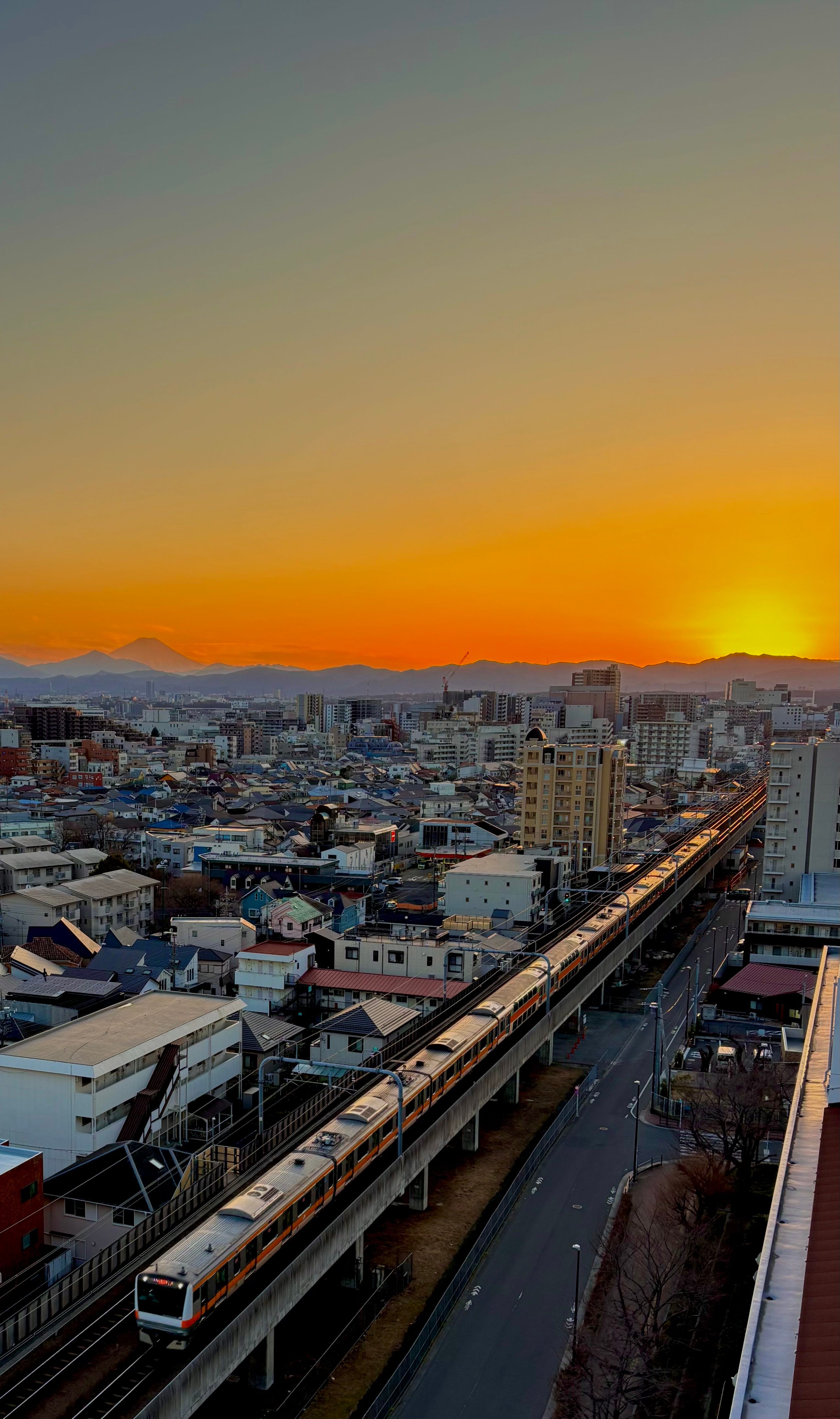
I have written about Mount Fuji several times in Japan A to Z — not only as a mountain to climb, but also as a symbol, a destination, and a place Japan is still trying to protect.
For more background, these earlier posts may also be useful:
#152 Mt Fuji 2025 Season — important points travelers needed to know before last year’s climbing season.
#110 Tram system in Mt. Fuji — a look at the debate over access, congestion, and future transport around Mount Fuji.
#004 Is Mt Fuji to climb or view? — an early Japan A to Z post about different ways to appreciate Japan’s most famous mountain.
From a distance, Mount Fuji can look almost simple: one mountain, one summit, one clear shape. But climbing it is not that simple.
There are different routes, different opening dates, different rules, and different kinds of reservations. There is also the mountain itself — altitude, wind, weather, darkness, and fatigue. The changes may not always look dramatic from the outside. But the quiet accumulation of rules, reservations, fees, and safety concerns has changed what it means to plan a climb.
That is why the details matter. Not because Mount Fuji should be treated as impossible, but because it should not be treated as obvious.
Below, I will look more closely at how these three misunderstandings can affect the actual climb.
Comments
Nothing yet. Say the first thing.
Sign in to join the conversation.