
The Imperial Palace is one of the places that many first-time visitors to Japan feel they should see. Over the years, I have included it in countless tours around Tokyo.
This week, however, guiding a group from Iceland made me look at the Imperial Palace differently. Preparing for the tour forced me to think carefully about what I wanted visitors to take away from the experience.
I realized that the Imperial Palace is more than the familiar view of Nijubashi Bridge or the old watchtowers that appear in guidebooks. Depending on who visits, and when they visit, it reveals different things. Some people notice history. Others are drawn to gardens, seasonal flowers, or simply the unusual quietness found in the center of one of the world’s largest cities.
The question is not whether the Imperial Palace is worth visiting, but how to see it.
This week, I’d like to share a few observations that emerged while guiding that group, along with some practical suggestions for anyone planning a visit of their own.
When I first began guiding visitors around Tokyo, I approached the Imperial Palace much as many guides do. We would stop at Nijubashi Bridge, take a few photographs, talk briefly about the Emperor and the former Edo Castle, and then move on to the next destination.
There was nothing wrong with that approach. The bridge is beautiful, and the history is important. Yet over time, I began to wonder whether visitors were leaving with only part of the story.
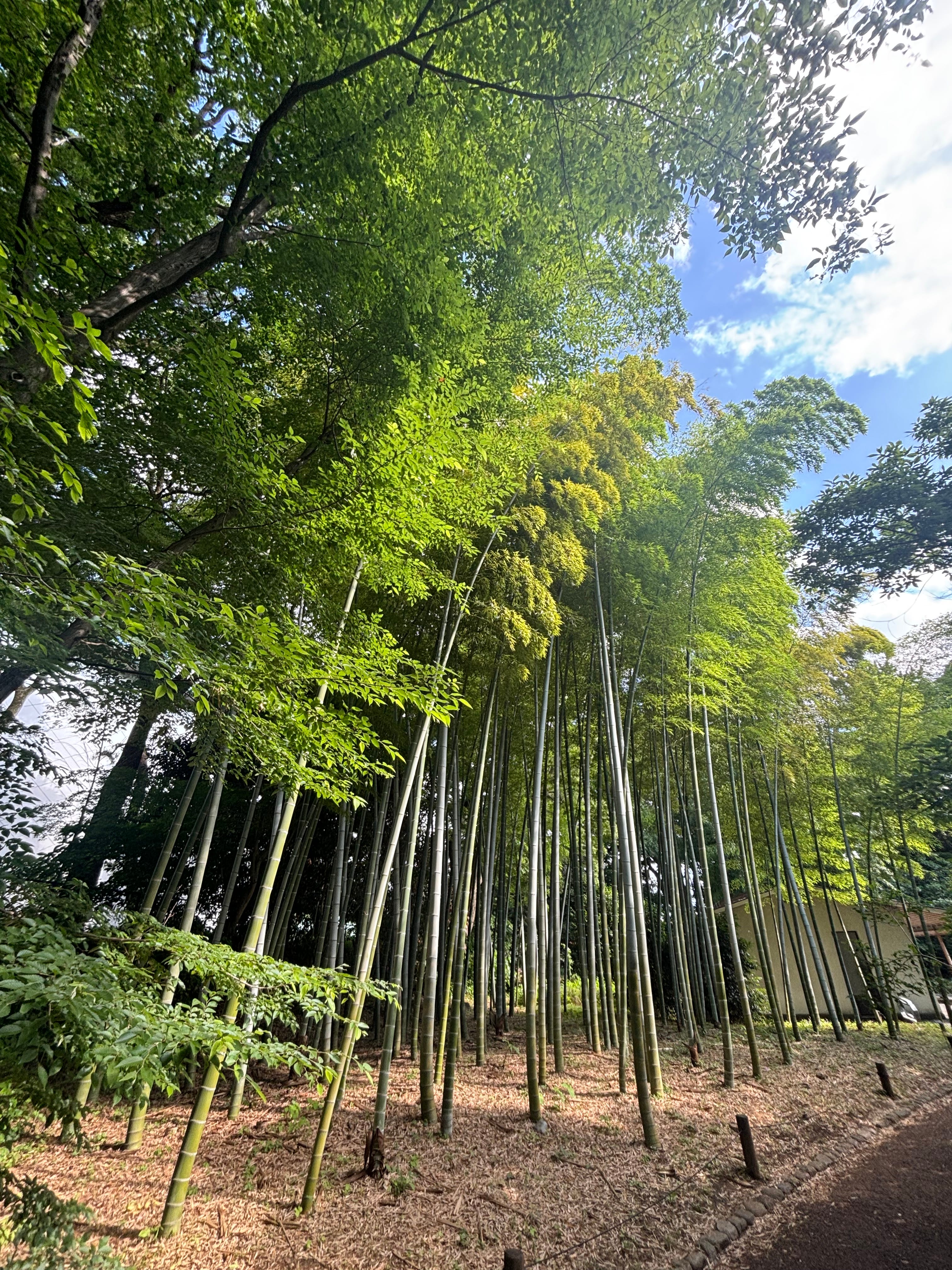
That thought returned to me this week while guiding a group from Iceland through the East Gardens. Guiding a group also changes the way you look at a place. Instead of thinking only about what to show, you begin to think about what kind of experience visitors will take away with them.
What surprised me was not what they asked about, but what caught their attention. Some were interested in the history. Others stopped to photograph flowers, ponds, or shaded paths beneath the trees. A few seemed happy just walking quietly through the gardens.
The Imperial Palace is not a single attraction. Different visitors often leave with different memories of the same place.
This is especially true of the East Gardens.
There, the question is not simply whether you should go. It is where you walk, and when you visit.
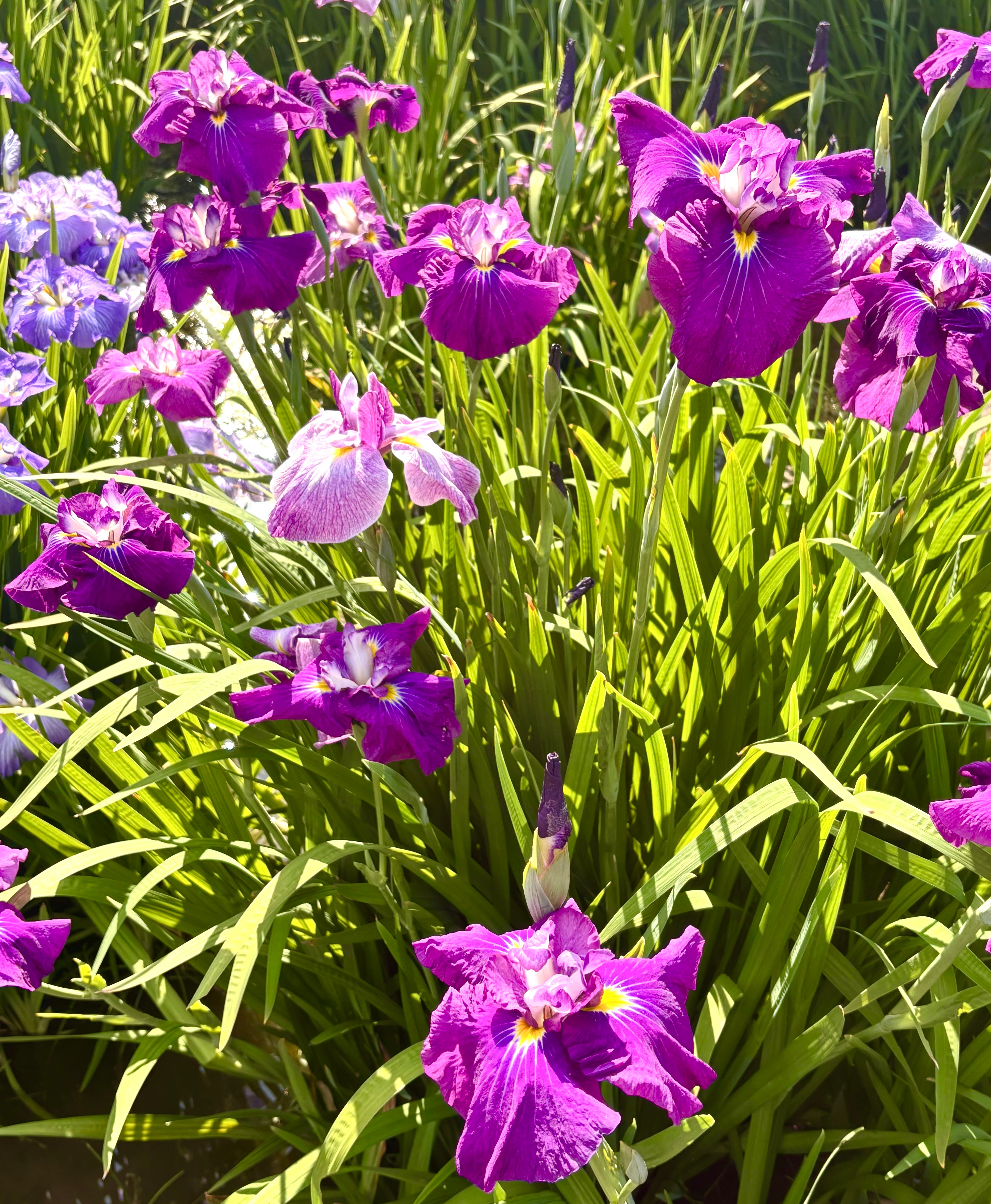
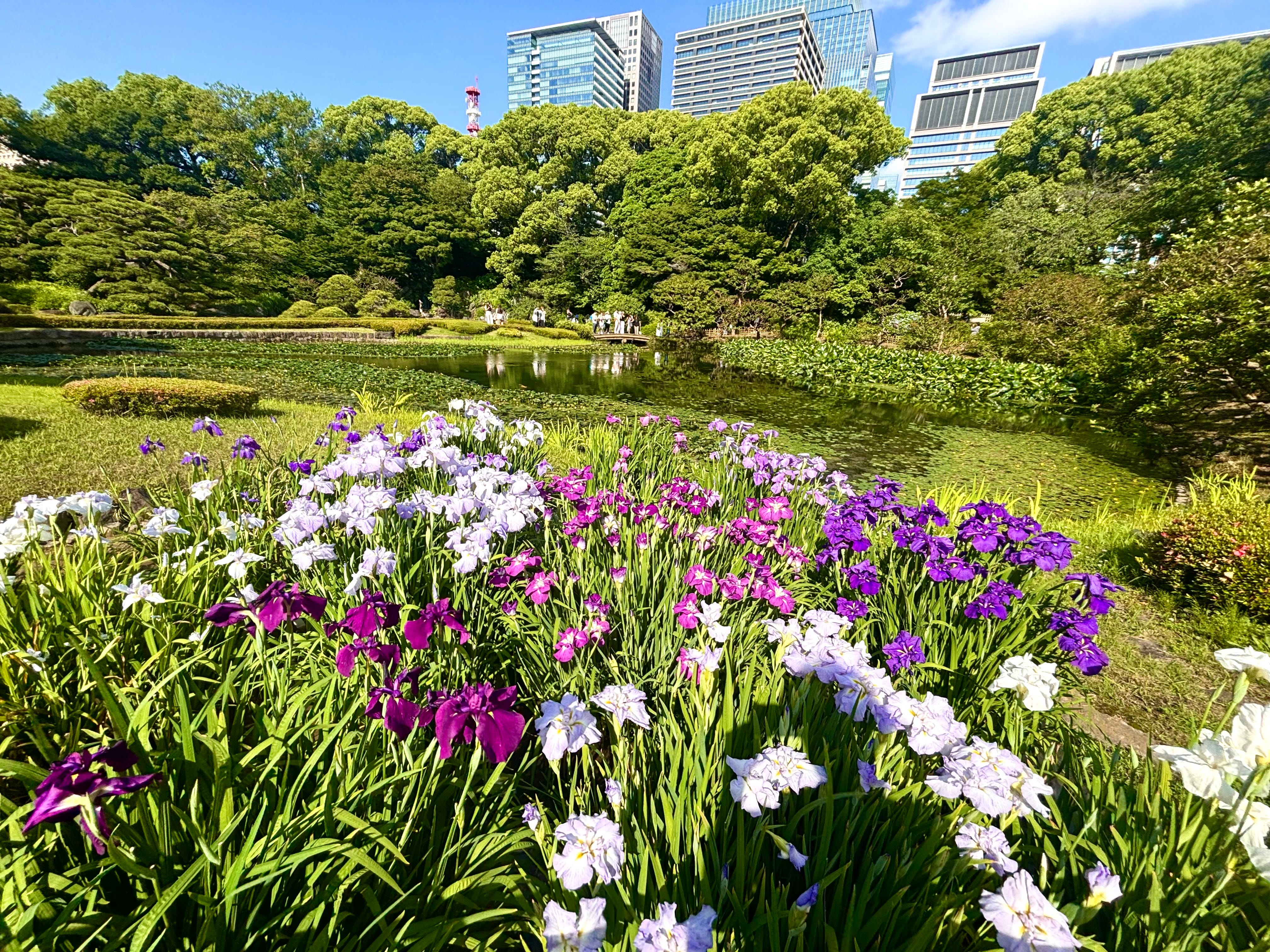
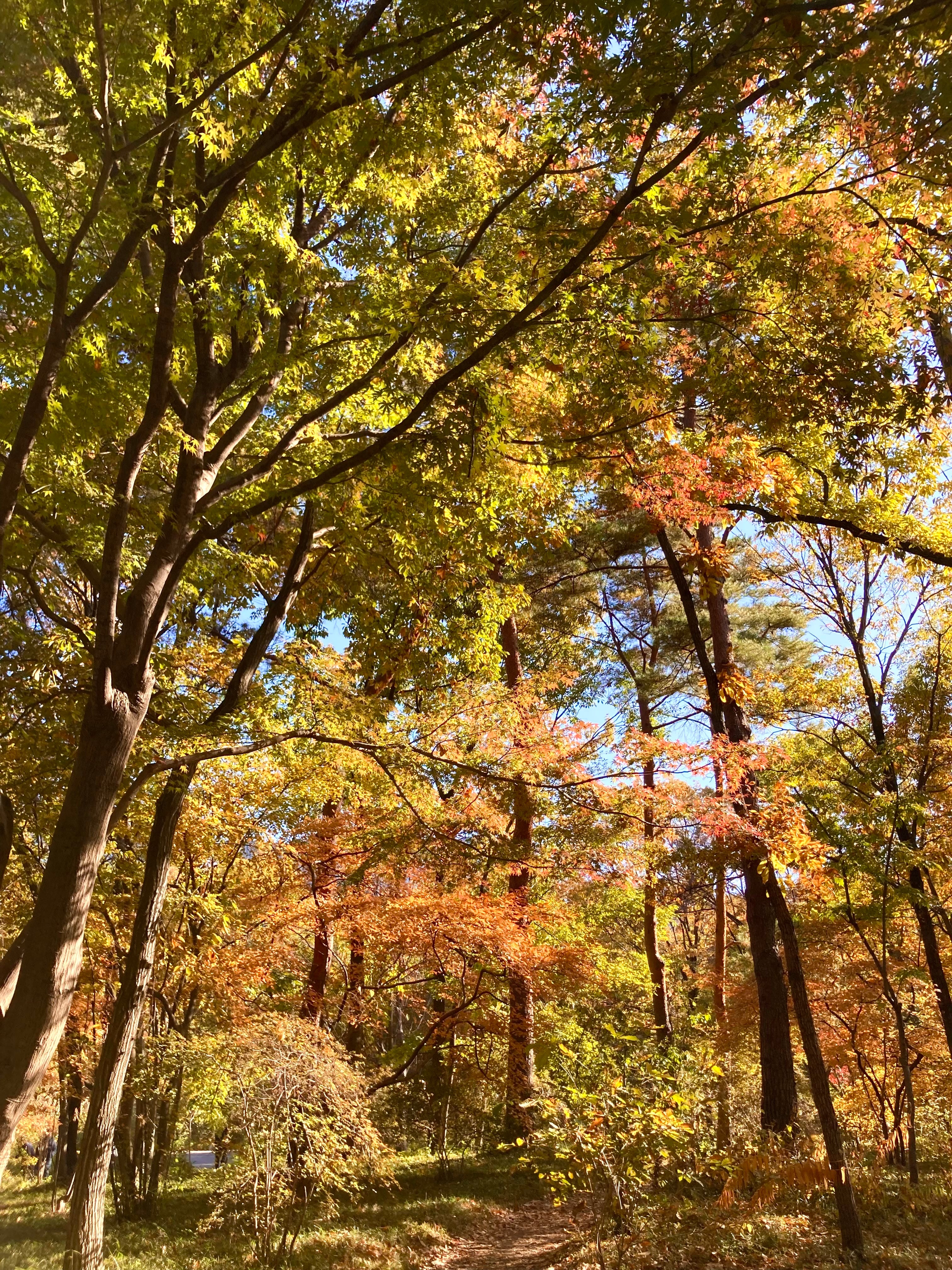
In early summer, the irises in the Ninomaru Garden can become the center of attention. In autumn, the same area feels completely different, with leaves turning above the ponds and wooded paths. Even smaller features can change the experience. A short waterfall that many visitors barely notice can become surprisingly memorable when there are fewer people around.
Of course, some timing is better than others. If I had to choose, I would especially recommend the iris season and the autumn foliage season. But the larger point is that the East Gardens are not a place to “finish” in one visit.
What you see depends not only on where you walk, but also on when you visit.
One example came from a pond in the East Gardens.
Many visitors notice the flowers, the bridges, or the reflections in the water. Some stop beside the small waterfall nearby, surprised to find such a feature in the middle of central Tokyo. This week, however, I found myself talking about a group of long-fin koi. They are descendants of Japanese koi crossed with long-fin carp associated with Indonesia — a small detail that reflects both continuity and change.
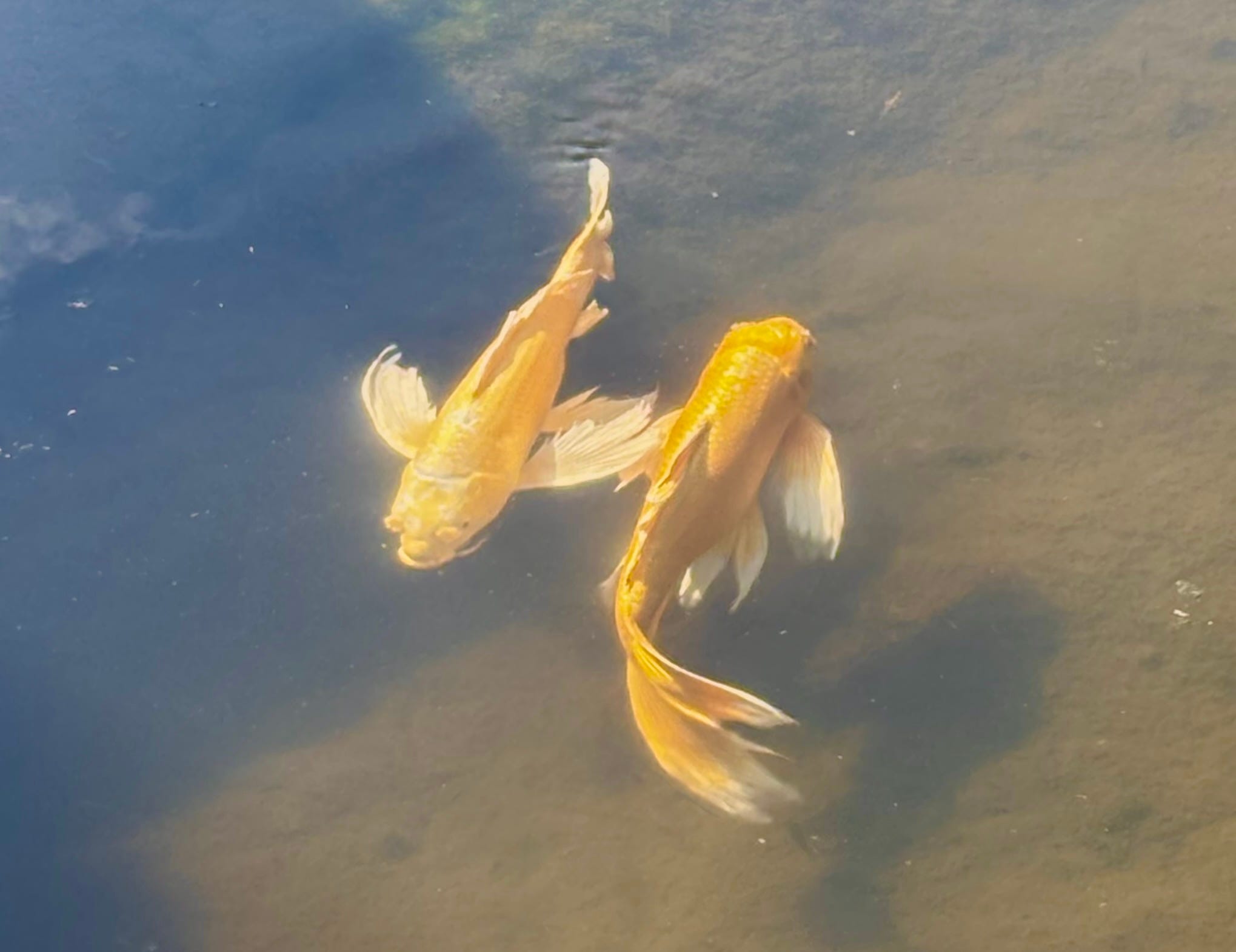
Places like the Imperial Palace are often approached as a checklist of famous sights. Yet some of the most memorable discoveries are found in the details. A flower that is only in bloom for a few weeks. A quiet path beneath the trees. A waterfall hidden in a garden. A story swimming beneath the surface of a pond.
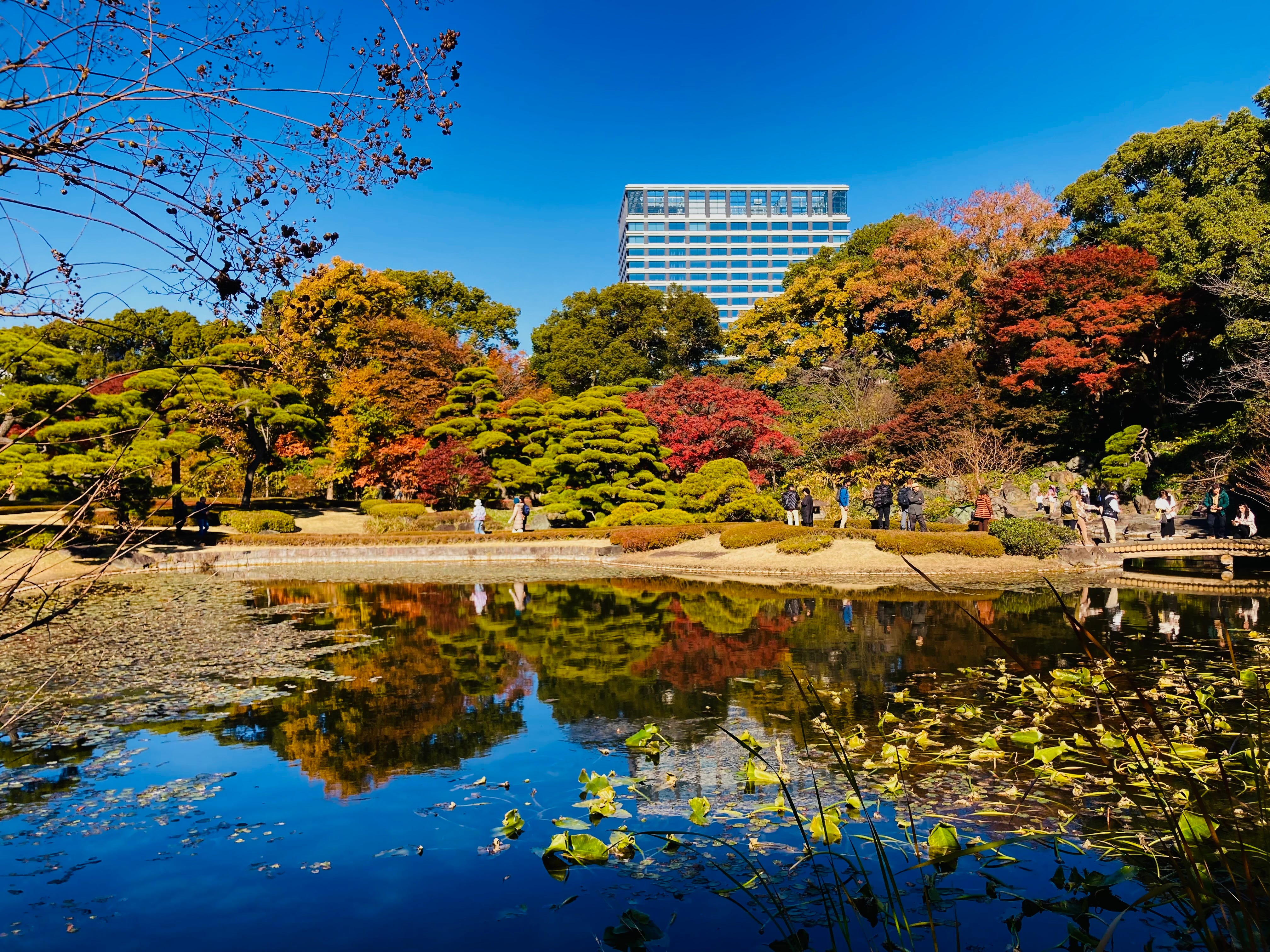
Looking more closely changes the experience.
If you are planning a visit, the next questions are where to begin — and how to make the most of your time.
The Imperial Palace reveals different things depending on who visits, and when.
Comments
Nothing yet. Say the first thing.
Sign in to join the conversation.