
Let’s say the quiet part out loud. We are all tired. We are all trying to do more with less. We are all trying to survive a schedule too full of work and not full enough with time to breathe, relax and create joy.
We can thank productivity for that. The idea of optimizing and maximizing everything creates a world where any meal ready in under 30 minutes is the winner. And pre-packaged, ready-in-10-min meals are really hard to compete with.
That’s why distance often determines what you eat, even when you have a garden. And that makes any garden space, planter or container spot within close proximity to the kitchen prime real estate for important everyday foods.
Last newsletter I focused on “grazing gardens”. This week, let’s dive in deeper into your kitchen radius, and what it might mean to re-think not what you grow, but how close you grow it.
Distance is the most overlooked garden design flaw.
Every gardening book, magazine and blogger focuses on sunlight, soil quality and water access. This is how you grow food. But very little attention is given to one of the biggest factors in whether food actually gets eaten: distance from the kitchen!
The idea of a grazing garden is that you create a food-enhanced walk to and from, and around, your garden space. This is the first level of creating “fast” garden food. When a berry or cherry tomato or the salad greens are right there next to your feet, they become so much more irresistable than when you have to make a special trip.
When time becomes a driving factor in daily decisions about what to eat, distance definitely kicks in. I cannot tell you how many times I’ve been in the kitchen prepping dinner thinking I could just go out and get fresh veggies, but instead making whatever is currently in the fridge because I’m tired and hungry.
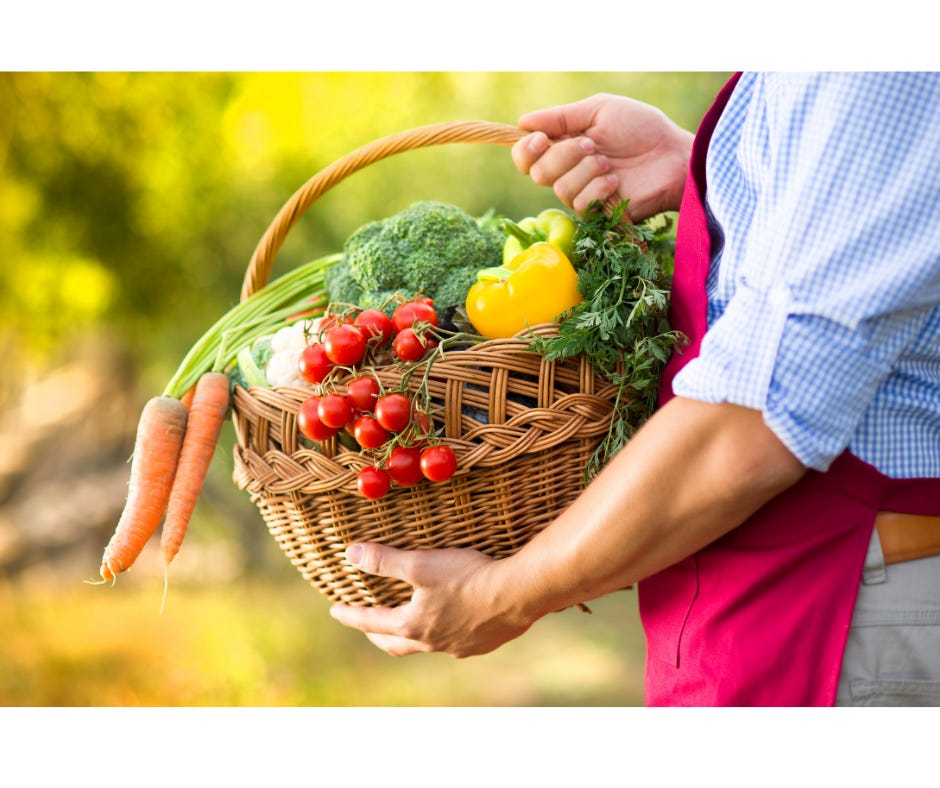
This is where (and when) the kitchen radius becomes critical.
While I cannot hand you a pre-determined distance you should aim for, I think the test of the kitchen radius evolves from my story above. If, in the moment of creation, it’s just “too far” to go get something from the garden you would otherwise use, then you need a kitchen garden closer to you.
Now of course there will be the organized folks among you reading who would do all the harvesting earlier in the day instead of when you need it for the pot. Sometimes that’s me. But often it is not.
And this is why so many gardens are really nothing more than hobbies that produce too many zucchinis and not enough meals. Friction kills whole food use. The harder it is to do something daily, the less likely we are to do it.
Distance is the most overlooked garden design flaw. In modern context, convenience shapes diet more than intention ever will.
What’s the closest edible plant to your kitchen right now?
So for me, excluding all my indoor/outdoor exotic food plants which are seasonal producers, the answer would be rosemary. In past years I have had a pot of mixed herbs right on the deck - chives, basil, edible flowers. I haven’t set that up yet and it’s May!?! Sigh - like I say, tired and busy.
But far beyond simple herbs, what are some foods you wish were closer? Salad greens? Meal toppers? Cucumbers for a quick taziki?
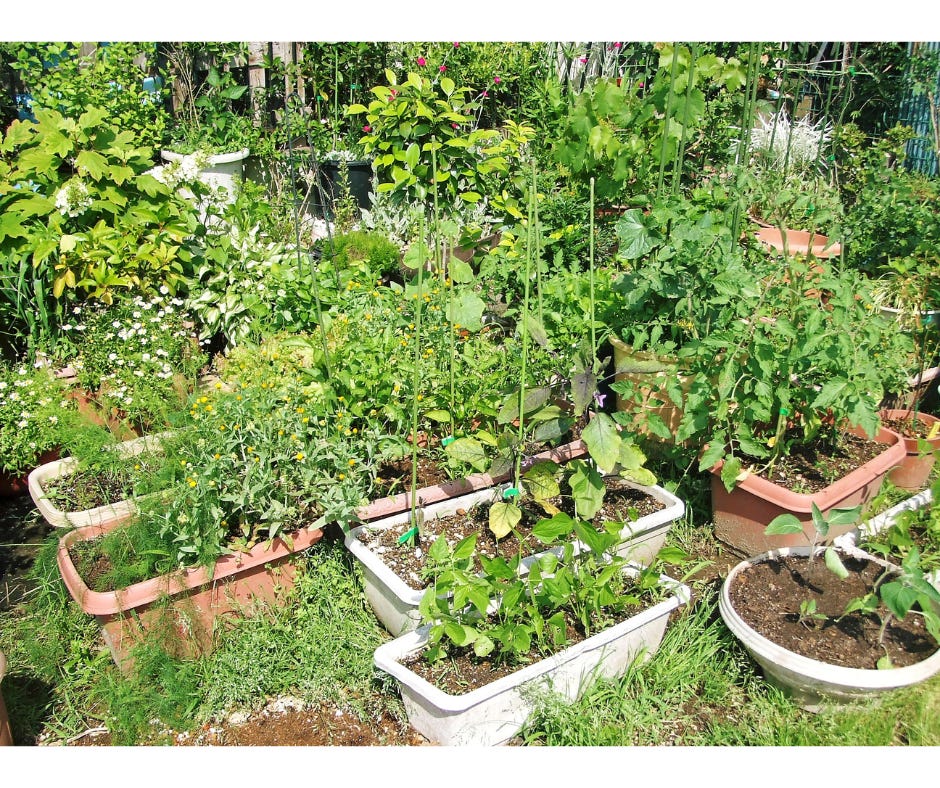
It’s not as hard as you think. Through a combination of pots and planters, or shifting your planting towards a more edible landscape, these ‘must have’ but ‘too far’ plants can be moved closer. A trellis with cucumber, a balcony pot with a micro-dwarf tomato, or even a zucchini in the walk way border can all shift the way you eat at home. And even that small shift can be the gateway to a life with better eating habits, reduced stress, and more food coming directly from your own home.
And here’s an alternative thought that also limits my healthy choices. We grow gardens to maximize quality and freshness. Picked fresh daily from the garden is THE GOAL of home gardening.
But when a heavy schedule gets in my way, not having food already harvested in the fridge means I forgo good meal additions, or even worse, I might buy something on the fly simply because I can go home and throw it in without the harvesting/washing/preparing parts. Sad, but true.
So the other part I need to remind myself each year, is that harvesting up enough for several days or the whole week just makes good sense. This too eliminates the walking distance problem.
I’ve been so trained by all I have read (and eaten) that fresh is best . . . . and yet the real world steps in (now more than ever) and I also need to remind myself that home grown straight into the fridge is STILL measurably fresher and better quality than any store bought food.
“fresh enough” beats “perfectly fresh but unused”
Picture this: You have 3 feet of growing space outside of your kitchen door.
What would you plant?
Happy growing!
As we work with plants, soil, and seasons, we’re invited to notice how our bodies respond, how our breath shifts, how presence quietly returns. These moments of awareness don’t stay in the garden. They travel with us — into our kitchens, our choices, and the way we meet the world.
This week, I invite you to notice the small distances in your daily life.
The few extra steps that make something feel inconvenient.
The pathways you walk automatically.
The places where ease quietly shapes your choices.
As you move between your kitchen and your outdoor spaces, pause for a moment before reaching for food.
What feels close?
What feels far away?
What already invites you in without effort?
Maybe brush your fingers across a rosemary plant as you pass.
Maybe notice the scent of chives in the evening air.
Maybe realize there are foods your body would gladly welcome more often if they simply lived nearer to your everyday life.
Sometimes the garden is not asking us to grow more.
Sometimes it is only asking us to move closer.
This newsletter is ultimately about more than gardening.
If this idea resonated with you, you’re exactly why I write The Naturalized Human.
Each week we explore practical gardening, edible landscapes, seasonal living, and the quiet ways nature reshapes how we eat, think, and move through the world.
Because sometimes creating a better life isn’t about doing more.
Sometimes it starts with moving the rosemary pot closer to the kitchen door.
If you’d like more reflections like this delivered weekly, you can subscribe below.
Comments
Nothing yet. Say the first thing.
Sign in to join the conversation.