
Your heart rate will drop if you breathe slowly before bed. That part is true, and the evidence behind it is better than almost anything else in the wellness feed.
I went looking for this expecting to debunk it. Slow breathing sits next to so much nonsense that I assumed it was more of the same. Then I read the cardiology meta-analyses and had to change my mind. The effect is real, measured in actual patients, and endorsed by the American Heart Association as a reasonable add-on.

Then I checked the specific numbers people quote. Those are a different story.
Send that to whoever keeps forwarding you breathing hacks with suspiciously round numbers.
Slow breathing at around six breaths a minute shifts your autonomic balance toward the parasympathetic side, the rest-and-recover branch. It does this through the vagus nerve, and the longer exhale is the active part. A slow out-breath increases vagal traffic to the heart, which slows it.
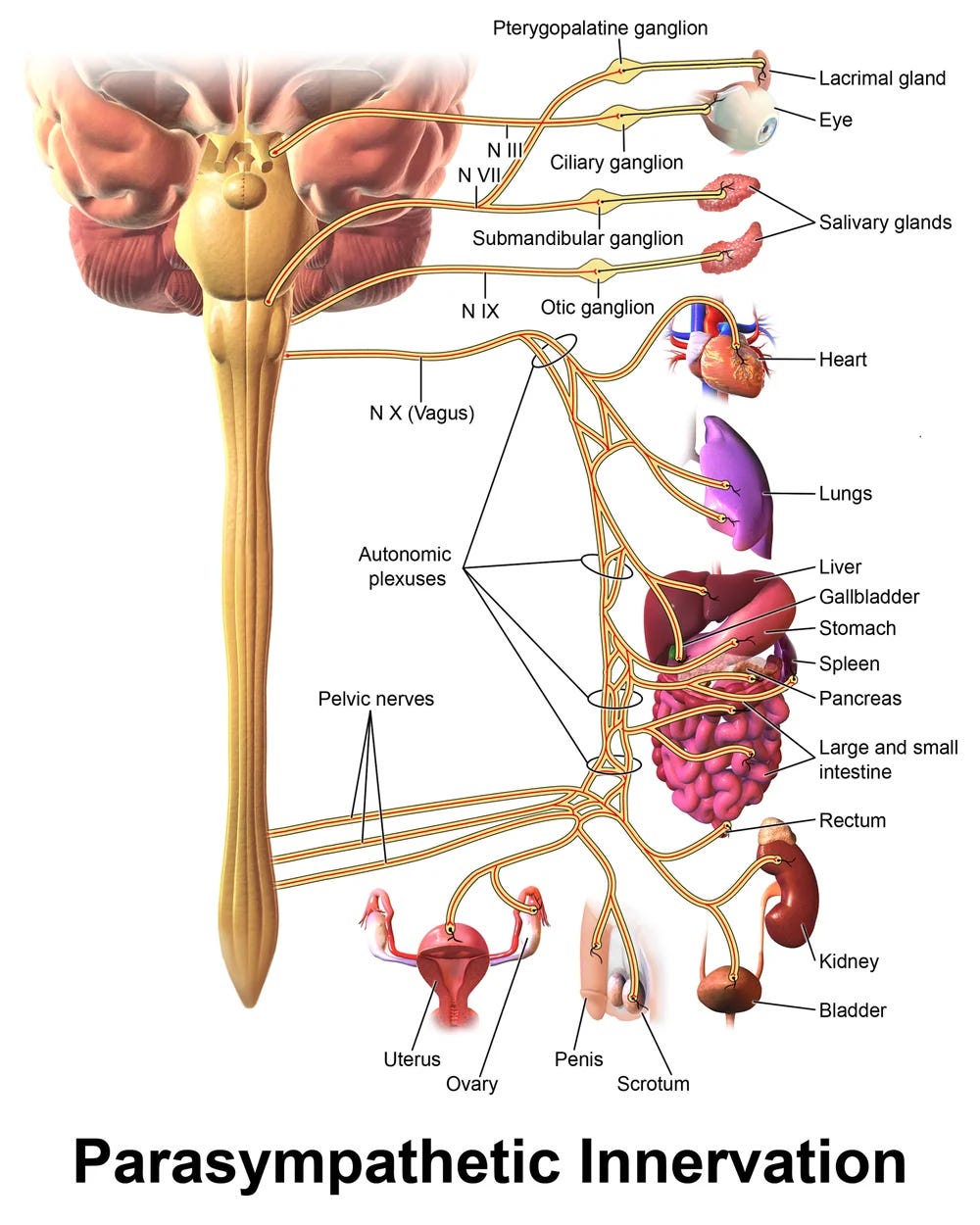
That mechanism is not in dispute. Stretch receptors in your lungs and heart respond to the slower rhythm, sympathetic activity drops, and baroreflex sensitivity improves (slow breathing and autonomic balance — systematic review protocol).
So the 4-2-6 pattern in the original thread is sound. Four in, hold two, six out. Any pattern with a long exhale does the job. The exact count matters less than making the out-breath longer than the in-breath.
Here is where the thread and the research part ways.
The thread claims a 4 BPM heart rate drop and credits an American Journal of Cardiology meta-analysis. I found that meta-analysis. It looked at six studies and 269 cardiovascular patients, and the actual heart rate reduction was 1.72 beats per minute (voluntary slow breathing for heart rate and BP — American Journal of Cardiology).
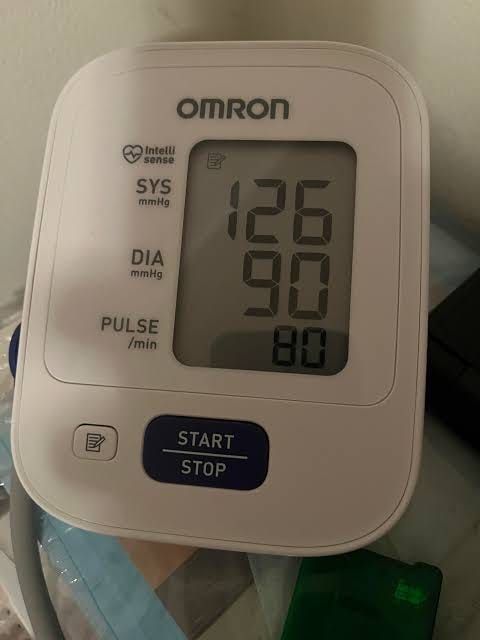
Real, statistically significant, and less than half the advertised figure.
Blood pressure is messier still. One meta-analysis of 17 trials found systolic drops around 5 to 8 mmHg (device and non-device slow breathing meta-analysis — Complementary Therapies in Medicine). A larger 2022 analysis of 22 studies and more than 17,000 people found no significant reduction against usual care, with very high variation between studies (slow breathing for hypertension — European Heart Journal).
Both results are in the literature. The honest summary is that slow breathing lowers blood pressure for many people by a modest amount, the size of the effect varies a lot, and it is an add-on rather than a replacement for anything.
I would rather hand you the real range than a clean number someone rounded up for engagement. The real range still supports doing the breathing. It just does not promise a result it cannot keep.
The thread says screens before bed keep your heart working overnight. The sleep half of that is well supported. Evening light exposure delays melatonin and pushes back your circadian clock, which disrupts the recovery your cardiovascular system does during sleep.
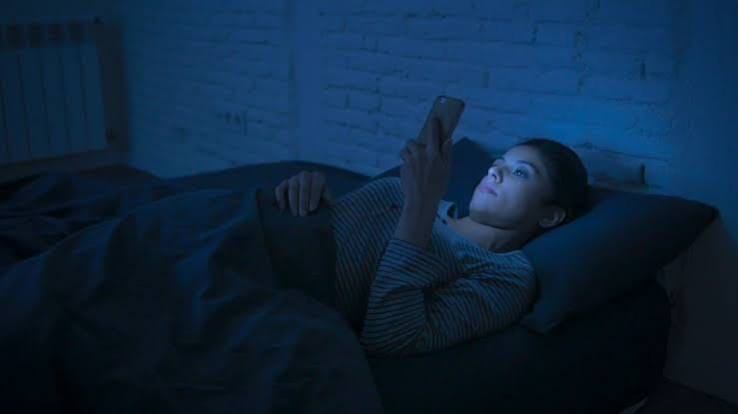
The part I would not lean on is “blue light constricts your blood vessels.” That specific vascular claim runs ahead of the evidence. The reason to put the phone down is the sleep disruption, which is real and enough on its own.
So the fix stands. Dim the screens, ideally stop scrolling a while before bed. You do not need the blood vessel story to justify it.
Comments
Nothing yet. Say the first thing.
Sign in to join the conversation.