
Your liver does not need help detoxing. It is the detox system. That is the part these food lists get exactly backwards.
I fell for the detox framing myself for years. Then I looked into what hepatologists actually say, and the picture flipped. Food does not flush toxins out of your liver. What food does is decide whether fat builds up inside it, and that turns out to matter far more than any cleanse ever promised.
Here is what holds up, what is packaged wrong, and the one thing the list left out that beats half the foods on it.
Your liver filters chemicals, drugs, hormones, and waste around the clock. It is genuinely a detox organ. That is the source of the confusion. Because it detoxes you, people assume it needs detoxing itself, the way a filter needs cleaning.
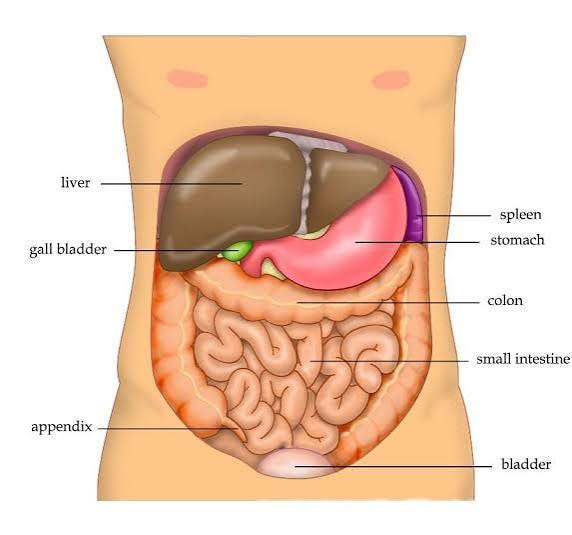
It does not work like that. Johns Hopkins hepatologists are direct about it. No juice, cleanse, or supplement detoxes or repairs the liver, and some detox products cause liver injury of their own (detoxing your liver, fact versus fiction — Johns Hopkins Medicine).
So every food below earns its place for a different reason than the thread claims. Not because it flushes toxins. Because it helps stop fat building up inside the liver, or helps clear fat that is already there.
That condition has a name. Fatty liver disease, now called metabolic dysfunction associated steatotic liver disease. Around a quarter of adults have it, often silently, and it is on track to become the leading reason for liver transplants (fatty liver prevalence and trajectory — Johns Hopkins Medicine). This is the real thing the food is working on.
Here is what struck me. The thread lists nine foods and misses the intervention with the strongest evidence of all.
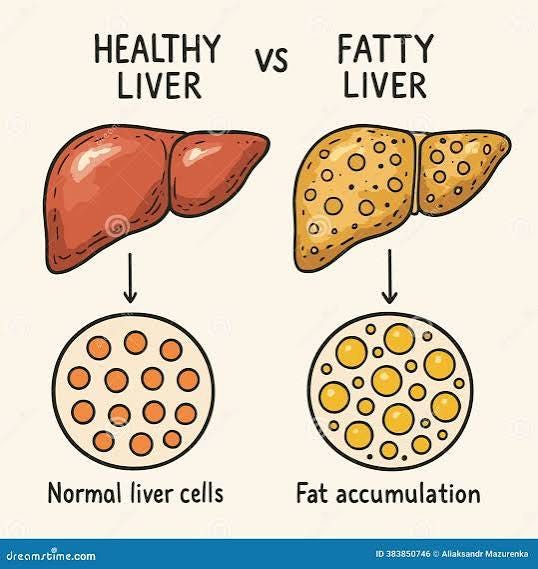
Losing a modest amount of weight. Dropping 5 to 10 percent of body weight measurably reduces liver fat, cuts inflammation, and can reverse early fatty liver (lifestyle change as the cornerstone of NAFLD treatment). No food on the list comes close to that effect size.
And the biggest dietary driver is not a missing superfood. It is excess sugar and refined carbohydrate. Michigan Medicine hepatology makes the point that cutting simple sugars matters more than cutting fat, since healthy fats like olive oil and nuts belong in a liver-friendly diet (reversing fatty liver with food — Michigan Medicine).
So the foundation is not a grocery list. It is less sugar, fewer refined carbs, and enough overall change to lose a little weight. The foods help inside that frame. They do not replace it.
One question before you go.
What’s the one drink you’d find hardest to give up? Coffee, soda, juice, the evening glass of wine. Drop it below and I’ll tell you where it actually sits for your liver, good or bad. No judgment, I just find the honest answers more useful than the tidy ones.
I read every reply.
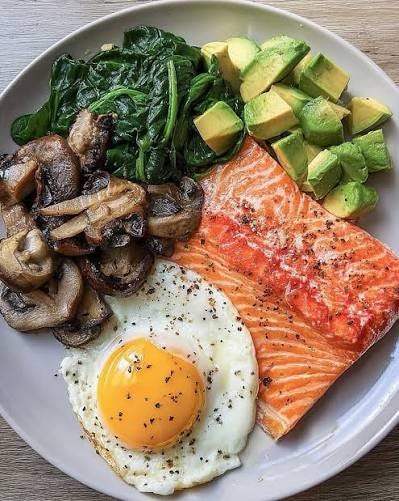
Choline, and why eggs earn their spot. This is the best-supported item in the thread. In the Framingham cohort, higher choline intake was strongly linked to lower fatty liver risk. One honest wrinkle: egg intake by itself was not associated with lower risk, but eggs are one of the richest choline sources you can eat (eggs, choline and fatty liver — Journal of Nutrition). Controlled feeding studies show that choline deficiency alone can produce fatty liver, and reversing the deficiency reverses it. Real mechanism, real evidence.
Comments
Nothing yet. Say the first thing.
Sign in to join the conversation.