You know those people who enter “design critique mode” and the only thing they can ask is: “is this chair comfortable?”
The natural reply should be: “If it weren’t, it wouldn’t be a chair.”
It doesn’t happen every time that a product is well executed - I remember a chair by a very famous designer that collapsed under the weight of its own backrest, which was quite embarrassing at the time - but assuming a design is good, ergonomic, and structurally sound, the conversation should move towards creativity.
So: should we justify our design choices? The ones that aren’t purely technical? Or should we step back and leave everything open to interpretation?
This post of Designer From Nowhere is brought to you by:
-30% on subscription costs for Designer From Nowhere readers. Click the banner to access.
I remember a radio interview with the Italian singer Max Gazzé. The DJ asked: “what does this song mean?” And he said something like: “A song is beautiful to people because it creates an imaginary world. If I explain it, that world becomes only mine, and you have no space left for your own imagination. I think it’s better that everyone gives their own interpretation.”
That’s very true. And I would add that musicians’ faces should sometimes stay hidden too. I still remember the first time I saw Tool and Color Haze live - my idea of those bands was completely different from reality. I preferred them when they existed only through their album covers.
As designers, we are trained to justify our choices to prove that the whole process makes sense. That’s right, you will be drilled with “why, why, why” and you must be ready for it. But should we give a rational explanation to everything we do?
Can’t we leave some lines without explanation? Just as a natural consequence of our method and instinct?
Well, it depends.
There are many levels of design. To mention two that are useful here: design to solve problems, and design to create wonder.
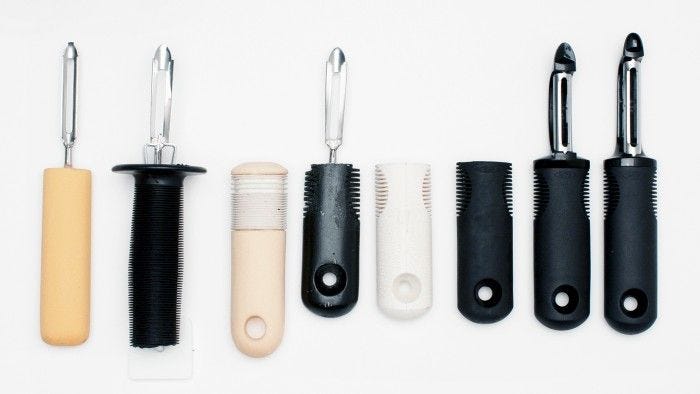
Take the Oxo peeler, designed by Smart Design. A simple object, but one designed with a single goal: to be the best possible in terms of ergonomics. Every choice behind it must be supported by ergonomic tests, data, and user research - movement, weight, grip, all studied to produce the most considered product within budget.
Mockups from the Oxo peeler design process.
Data, tests, numbers, everything must justify the choices made, because what’s being asked for is performance. You can’t leave those design decisions unexplained. Proof is required.
But when it comes to shape - something meant to create affinity, not necessarily connected to product performance - is explanation really necessary?
Probably not.
When a shape’s function is to create emotional connection, the approach of Max Gazzé is not that wrong.
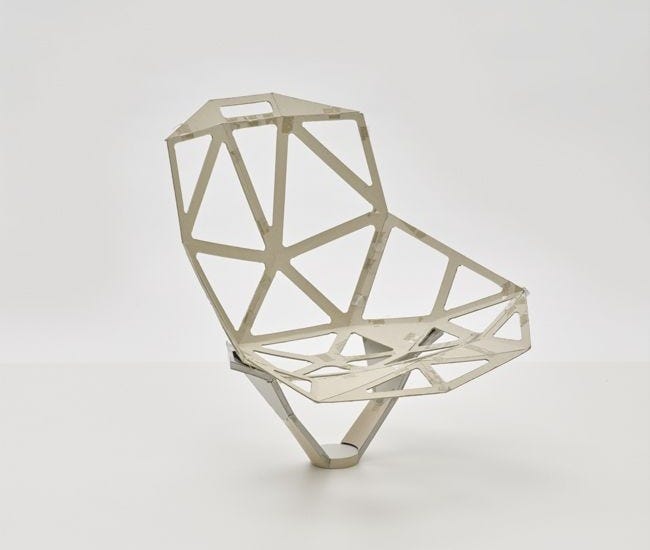
One of my favourite chairs is the Chair_One by Konstantin Grcic for Magis. I understand the faceted geometry, but I don’t know exactly where it comes from (and honestly, I don’t want to know.) I’m not talking about the design process or the ergonomics. I’m talking about the kind of statement that kills everything: “I was inspired by floating flowers.” If one day I found out he took inspiration from a metal fence in his father’s neighbourhood, I would see that fence every time I looked at the chair. And I don’t want that. I want to see the chair.
Paper test of Chair_One.
Things are magical when you can’t fully understand how they were made or where they came from. There has to be a dark side of the moon in design narrative - something that, if kept hidden, still holds its fascination.
This doesn’t mean you shouldn’t explain your project to a client. It means being selective about what stays in the room and what gets shared publicly.
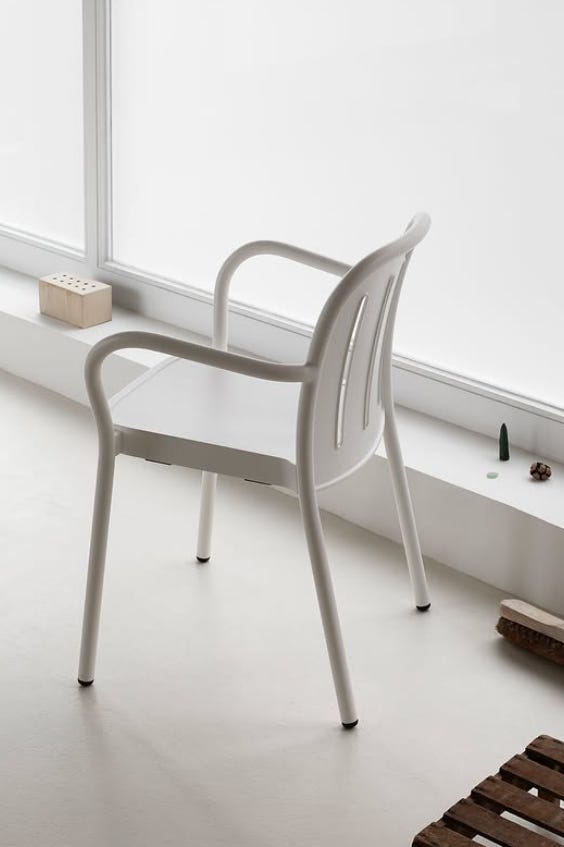
A few weeks ago I mentioned Julien Renault’s chair for Hay - a beautiful exercise in minimalism touched by an unidentified nostalgia. When Julien revealed his source of inspiration online, something shifted. The reference image was suddenly in front of me, and the magic faded. I could now clearly see where the lines came from, and the chair started to feel more like a restyling than a discovery. The charm was gone.
It’s subjective. But it happened. I preferred staying in my own interpretation of those lines, without an explicit reference to anchor them to.
I want to know what you think about this - it can be controversial, and I’m sure you have an opinion. This is a space for honest design conversation. Leave your take in the comments. And don’t forget to support with a like!
Speaking of design from nowhere, I’m glad to welcome Ben Durack from Balance. Based in Aberdeen, Scotland, he shares the reality of finding balance when you are building your own path away from the big design hubs.
A good few years ago, I was trying to manage a full time job as a design educator, grow a startup as a co-founder and be present for my young family. I then decided to launch my first Kickstarter and it nearly broke me.
Mμ - a set of porcelain coffee cups - funded in four hours, shipped worldwide. By any measure, a success. Forty-plus prototypes, slip casting pushed to its limits, a product I was genuinely proud of (and still use daily). But somewhere between the campaign and the fulfilment, with a young family at home and a sustainability startup running in parallel, I had spread myself too thin to enjoy any of it. I had everything moving and no idea how to keep it all in the air.
I wear a lot of hats - no doubt you do too. Roles that once belonged to whole departments now sit on one pair of shoulders. And yet more designers than ever are choosing to build something of their own. The agency that comes with that is worth the complexity.
For me, that something has a clear direction: products that push back on a world optimised to remove every moment of pause. Not through nostalgia for craft, but through intentional friction. A coffee ritual that encourages a break. A lamp that only turns on when you pick up your book. Small designed interruptions in a world that never stops accelerating.
Three years ago I started a monthly newsletter called Balance. Not because I had balance figured out - because I needed to find it. Writing about design every month forced me to choose what actually mattered and set everything else aside. Sharing twelve products in twelve months - most before they were production ready - taught me that the accountability of an audience is more reliable than any internal deadline. Showing up imperfectly and regularly compounds in ways that bursts of effort never do.
What I didn’t expect was how the roles would stop competing and start feeding each other. A student’s passion for sustainable design reignited my own — and became the spark for the startup. A commercial injection moulding project is now a teaching tool sitting in the department. Testing new tools for students, keeps my work current. Writing forces me to articulate what I actually believe - and that clarity shows up in client work, in the studio, in every prototype. The balance isn’t found by keeping these roles separate. It’s found by letting them be connected.
The hats keep multiplying. The balance is still imperfect. But three years of showing up, in public, with one honest thing to say each month - that has moved the needle more than anything else.
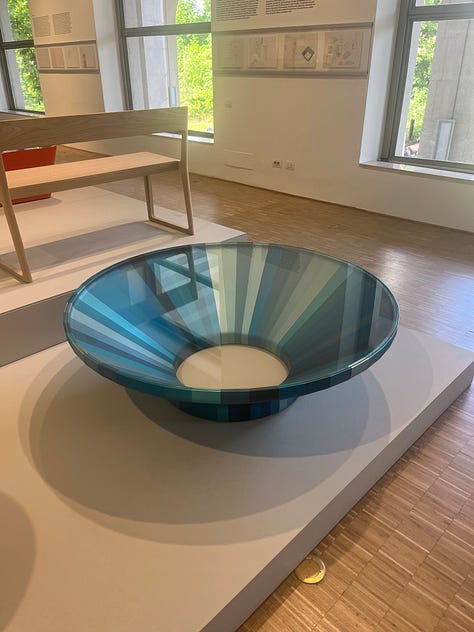
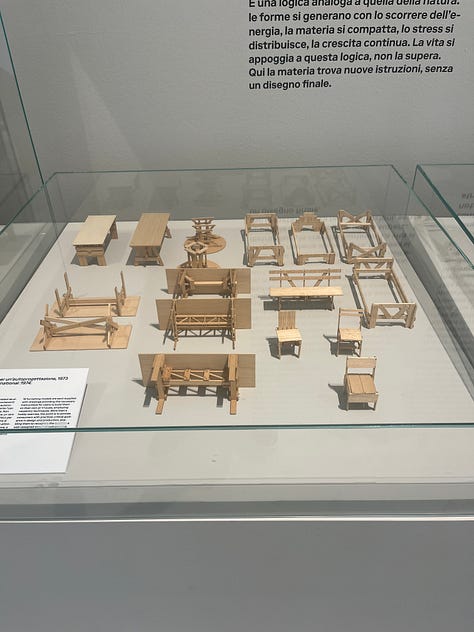
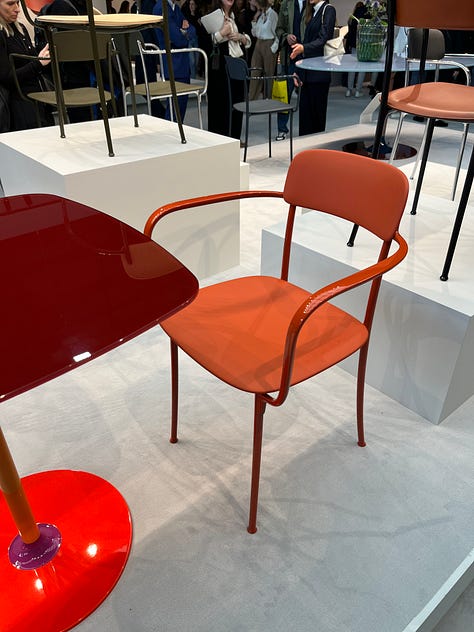
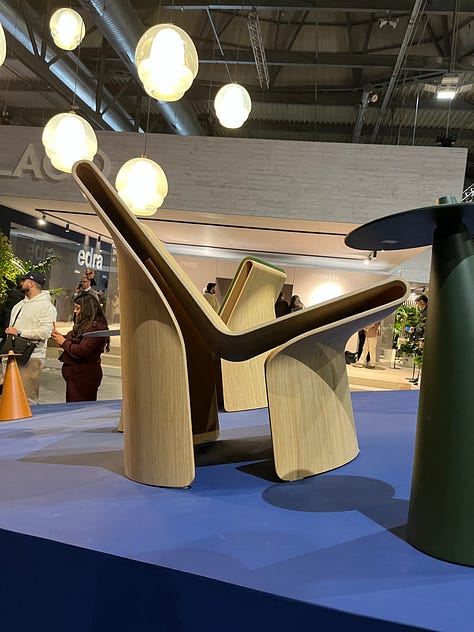
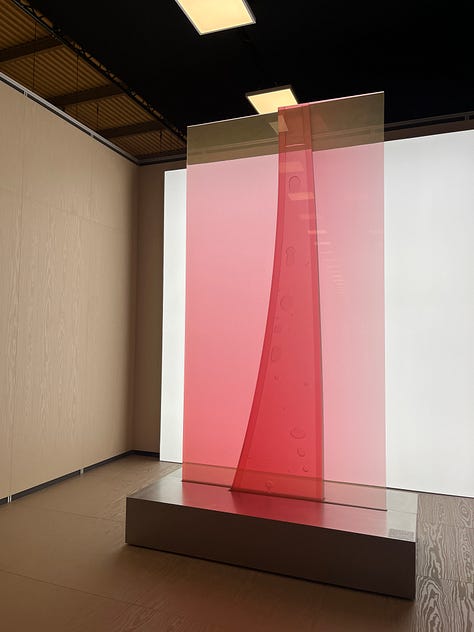
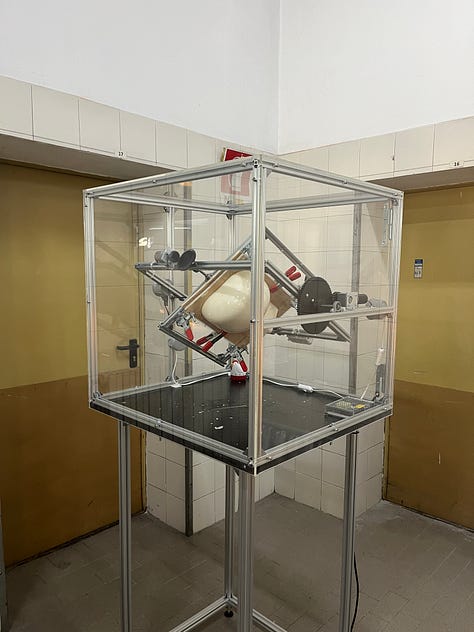
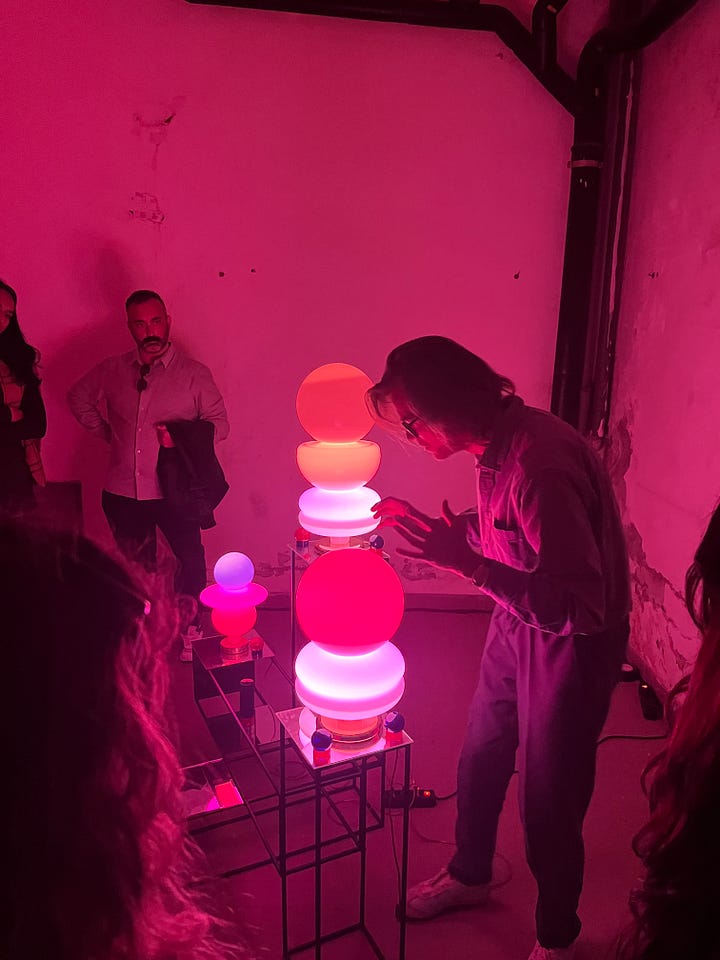
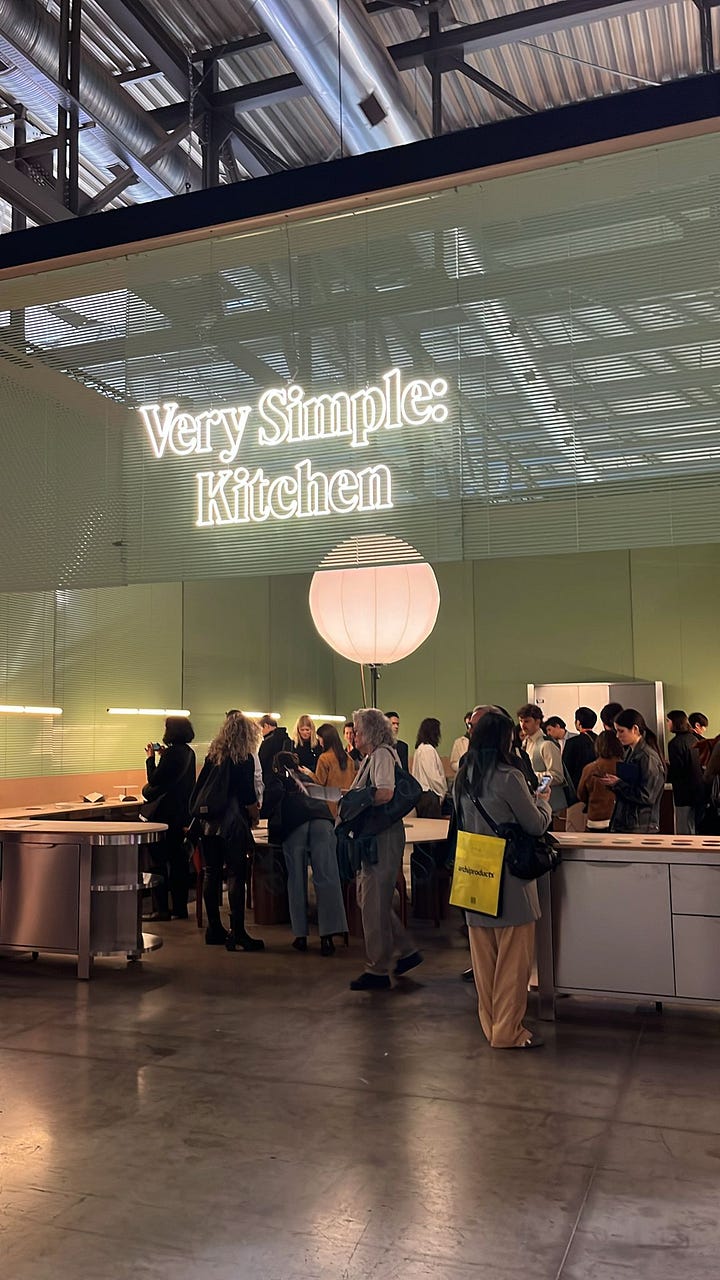
Obviously, I was there. Here’s a gallery of things worth seeing.
If you know of design weeks I should know about, send me a message.
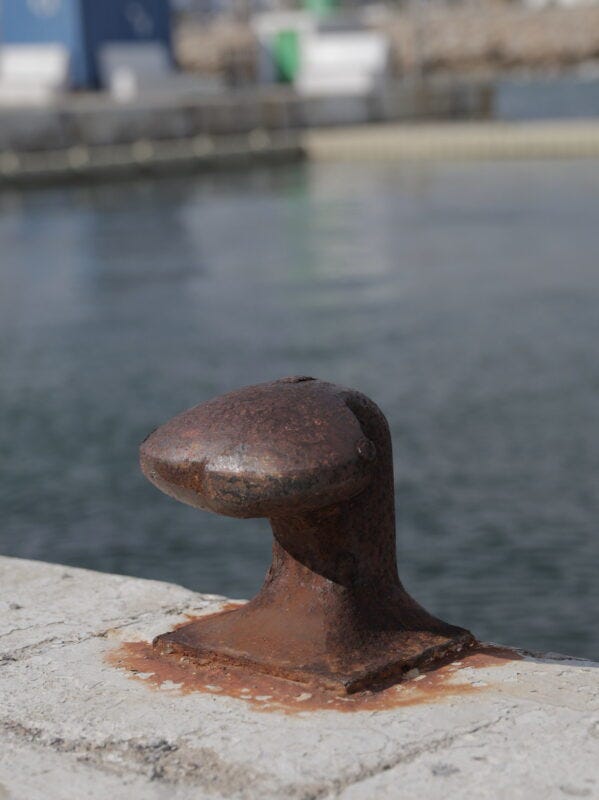
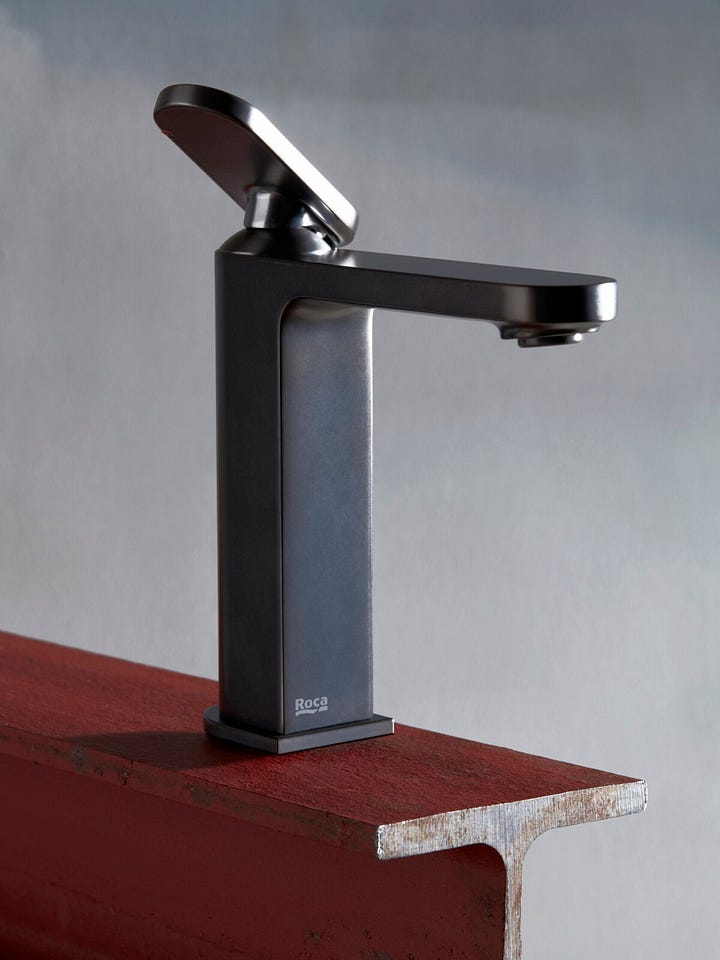
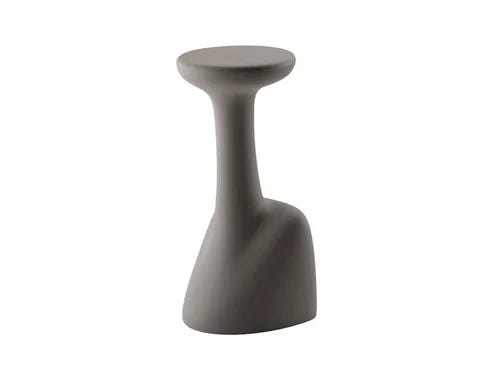
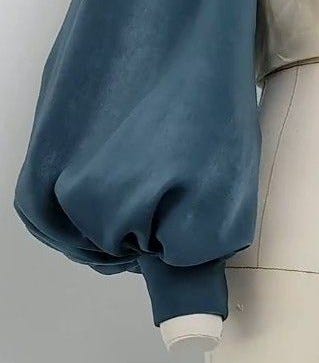
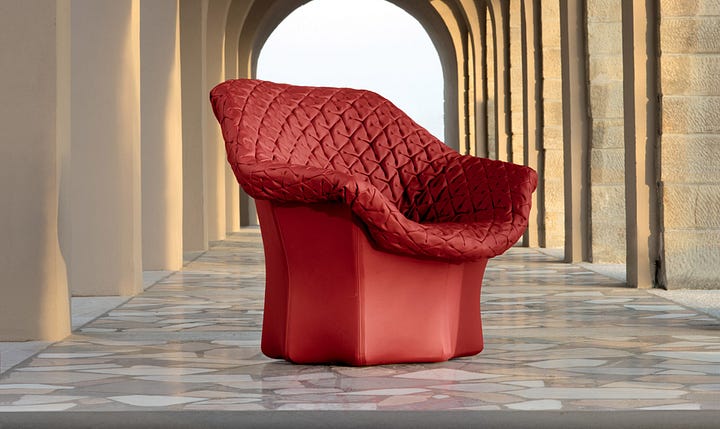
I want to share a few designs alongside their declared source of inspiration, stated by the designers themselves.
I want to know whether you preferred the design before knowing the reference, or whether the reference made it more beautiful in your eyes.
Try not to judge as a designer. Judge as a person.
If you found this useful, leave a ❤️ - it's the clearest signal you can send me that this is worth continuing. And if someone comes to mind who'd enjoy reading this, share it with them.




Comments
Nothing yet. Say the first thing.
Sign in to join the conversation.