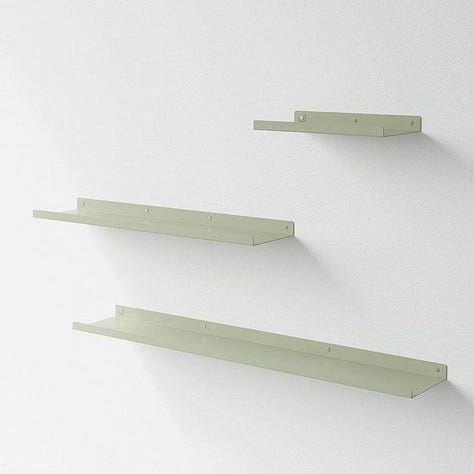
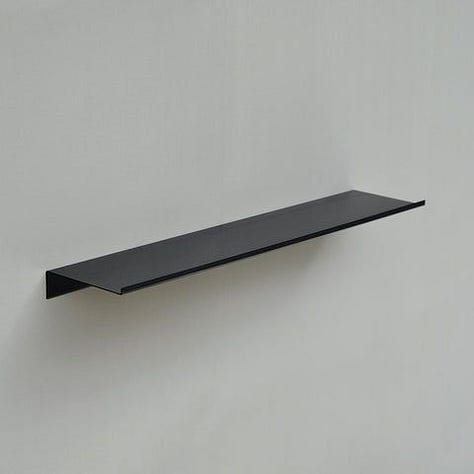
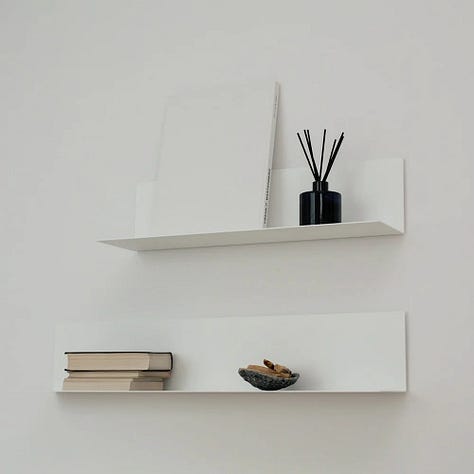
Take a moment. These three shelves are produced and distributed by design-driven companies. Yet most of us can’t name a single one or even tell them apart.
That’s not a coincidence. It’s a symptom.
The reason companies hire designers is to create competitivity. In a world moving fast towards e-commerce and away from physical stores, being recognizable is not a nice-to-have. It’s survival.
And yet, looking at these three shelves, something has clearly gone wrong.
This post of Designer From Nowhere is brought to you by:
-30% on subscription costs for Designer From Nowhere readers. Click the banner to access.
The academic principle of “form follows function” is not wrong. It’s just taught without context and applied without intelligence.
Function is the starting point, not the finish line.
These are much more recognizable, aren't they?
The difference is not quality. It’s character. The second group of products has a point of view. The first group has a brief.
Big historic design brands didn’t commission products just to fill a catalogue. They did it with strategy because good design is recognizable, innovative, and differentiating. It makes a brand competitive through its products, not just through its marketing budget.
Something is shifting right now. Several design brands - especially those making money through e-commerce - are moving away from external designers and building in-house teams instead.
External designers can bring a real creative kick to a company. But when those designers stop delivering genuine innovation, some brands have started thinking they can do it themselves.
They can’t.
This is a recent product from a design-driven company that switched to in-house design. It’s hard to guess the brand just from the image. Previously, their style was immediately recognisable.
History repeats itself. After a few years, we tend to forget the lessons we already learned.
Design companies started making design to differentiate. To differentiate, you need character. And that character comes from designers, not from smoothing edges in Solidworks or Catia. Thinking otherwise is a mistake that will present its bill in three to five years.
The result is an entirely anonymous product range. Being functional and rational with pastel colours won’t save you from being consumed by bigger players who have already moved in the direction you’re vacating: authorial design.
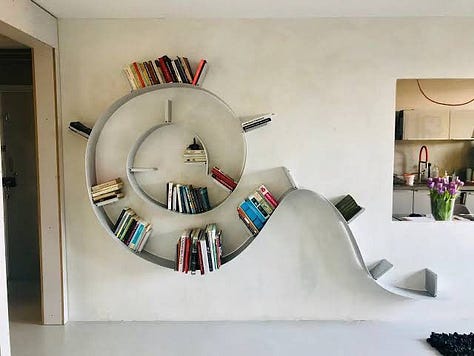
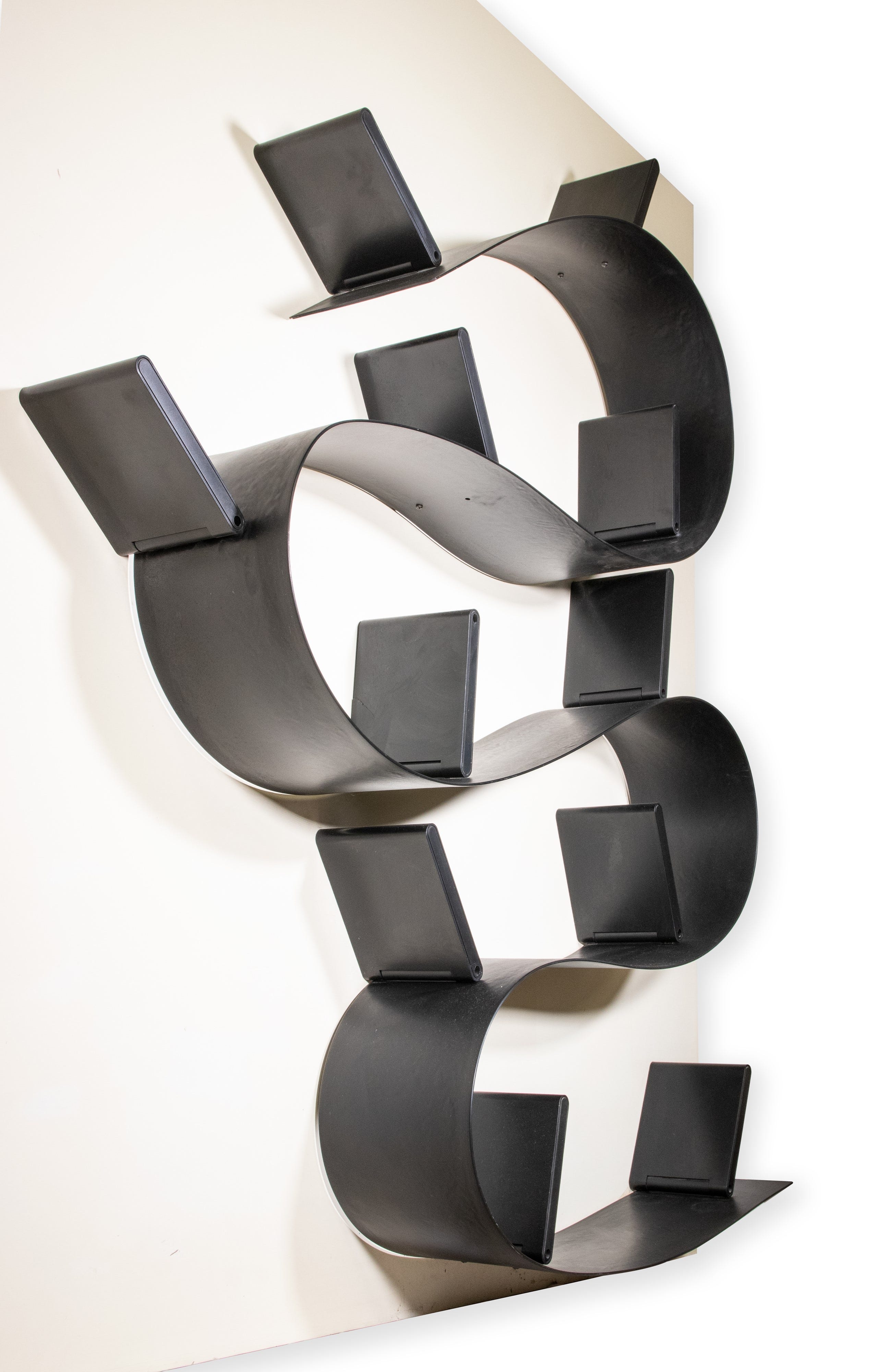
There’s a story I heard from the founder of Baleri Italia. During the 1990s, London was one of the best places for entrepreneurs to find design talent. Ron Arad had a workshop where he designed and made things himself - including a large, flexible metal bookshelf. That piece later became the Bookworm for Kartell, most likely after a studio visit led to a licensing agreement. It is his regret to have not acquired the license as first.
That’s how it worked. An entrepreneur walked into a studio, saw something alive, and made a decision.
Metal version of Ron Arad’s Bookworm.
Today, what once positioned a brand as “better than Ikea” is now just more expensive, because they’ve forgotten to invest in the real added value that comes from creative minds, not spreadsheets. It becomes a competition on standards, and that competition rewards whoever is bigger, not whoever is smarter.
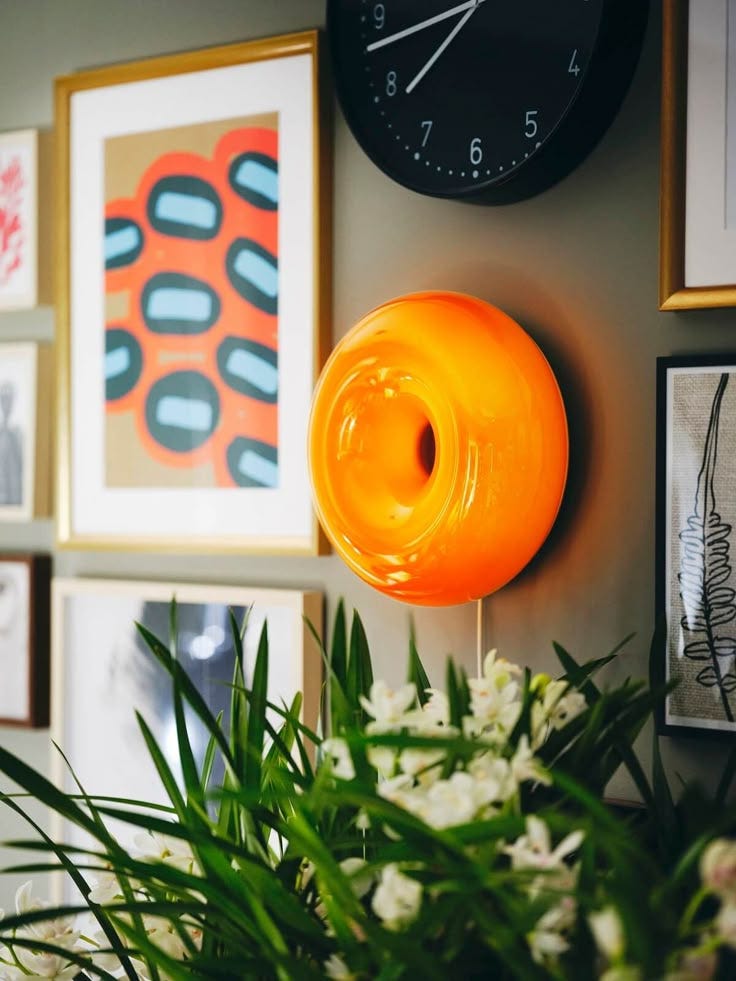
Look at the Sabine Marcelis lamp for Ikea. It’s not cheap. But it’s beautiful, and it breaks so many conventions of what a standard lamp should be that it has created a new affordable icon, one that will be remembered for years.
Sabine Marcelis' lamp for Ikea.
This is actually a good moment to be a designer who understands what design is really for.
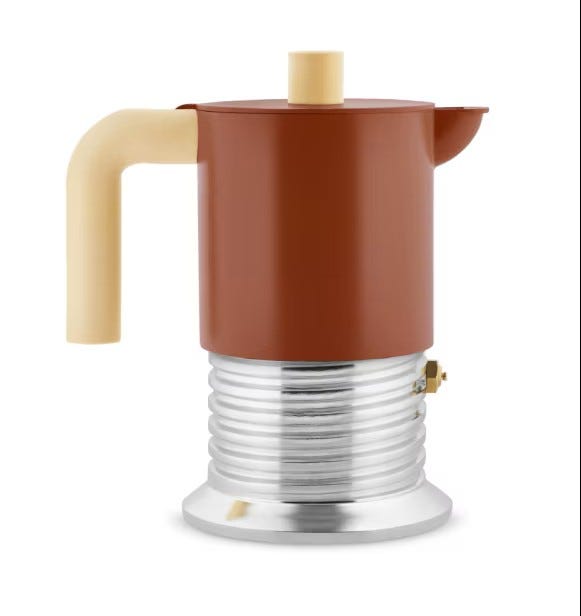
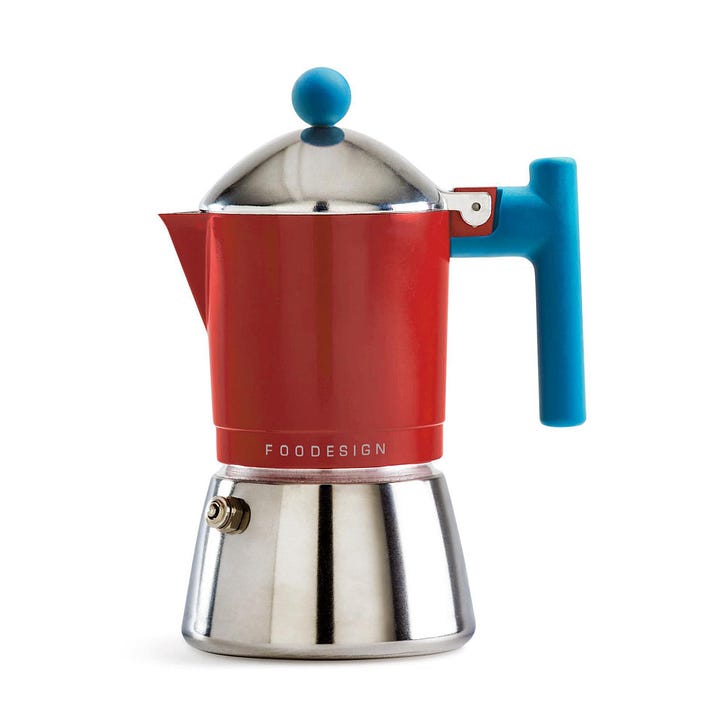
The new Alessi moka designed by Philippe Malouin and the Foodesign moka share a similar design territory. But Malouin's approach gives the product a distinct identity.
Those who hold onto the genuine values of the discipline - character, recognisability, strategic differentiation - will find new market segments opening up without needing to reinvent their business model. They just need to invest time and conviction in intelligent product development, working with a small number of selected people.
The space is there. The brands that remember why they started making design in the first place will fill it. The ones that don’t will be eaten by those who do.
Message from Mario:
If you found this useful, leave a ❤️ - it’s the clearest signal you can send me that this is worth continuing.
And if someone comes to mind who’d enjoy reading this, share it with them.
I've been busy lately designing custom furniture for a specific interior project - something that has started happening more regularly over the last two years.
There are always tight constraints: budget, production capabilities, space. But that's where the interesting problems live.
3d visualization of a bespoke bench recently designed for a library.
I’ll be in Milan for the design week 21-24 April, I may have some space to a live meet. If you want to, send me a message.
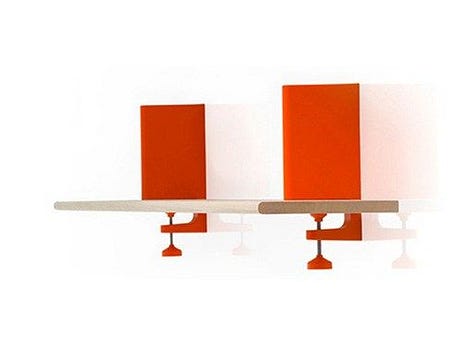
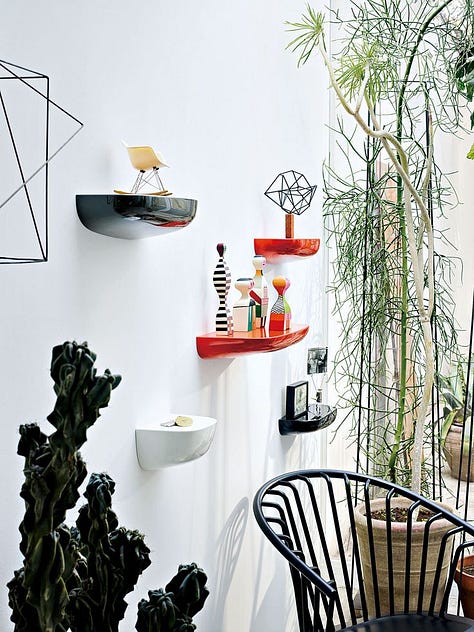
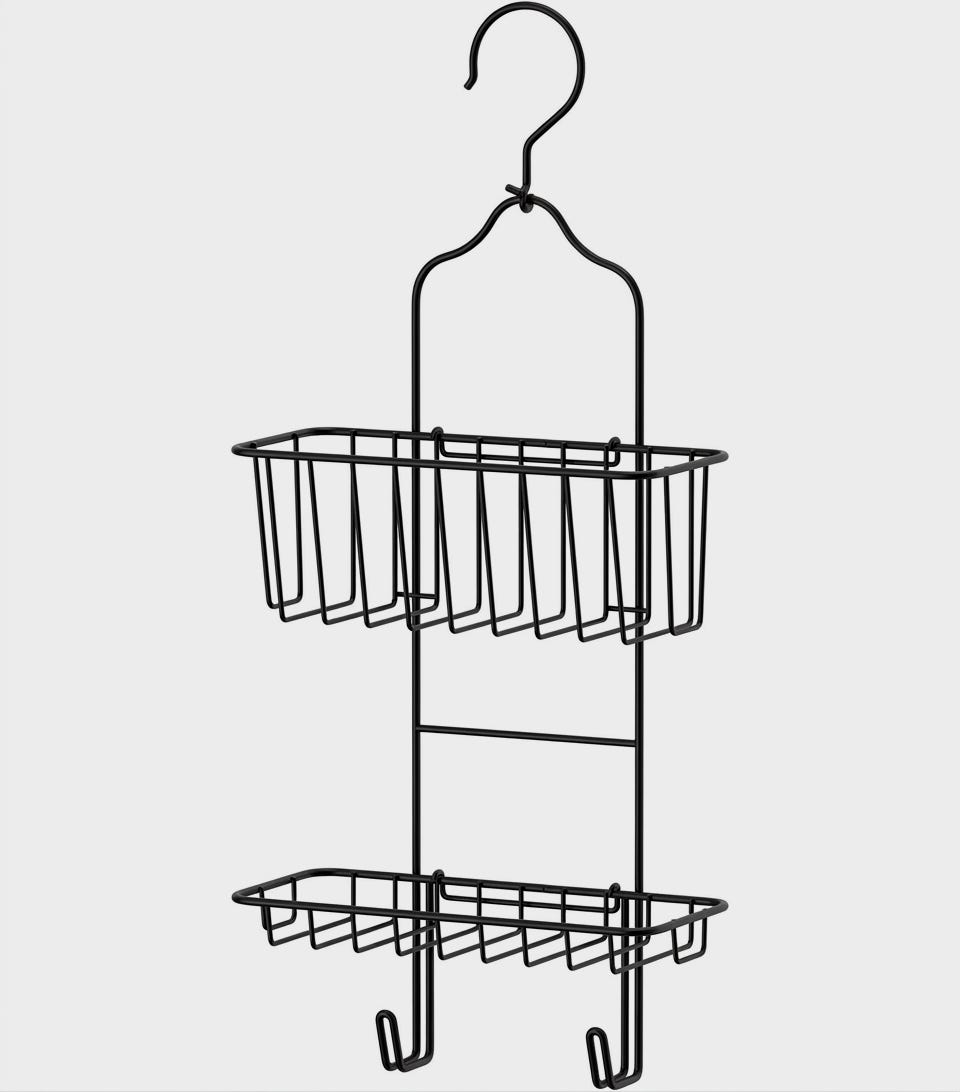
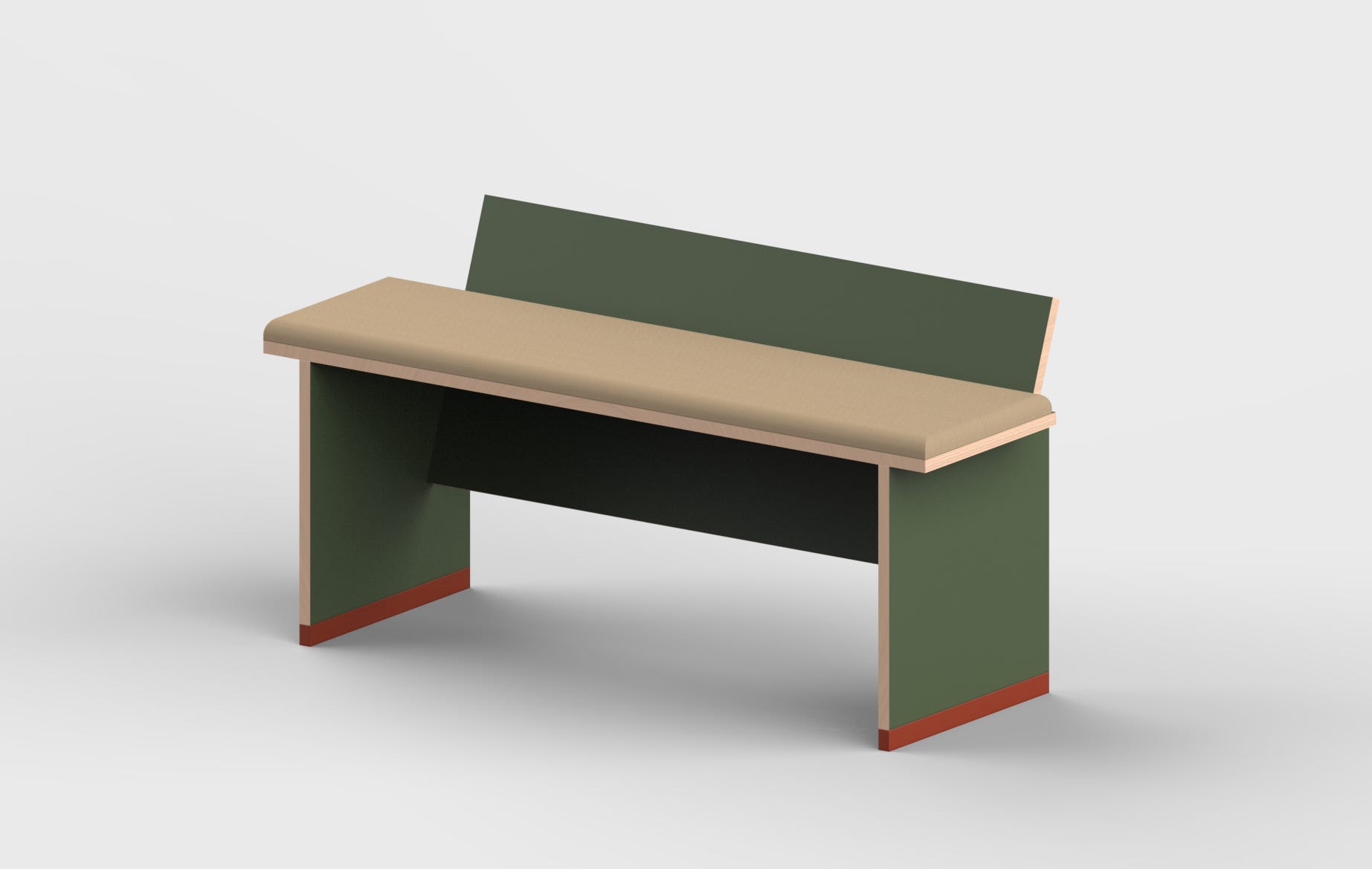
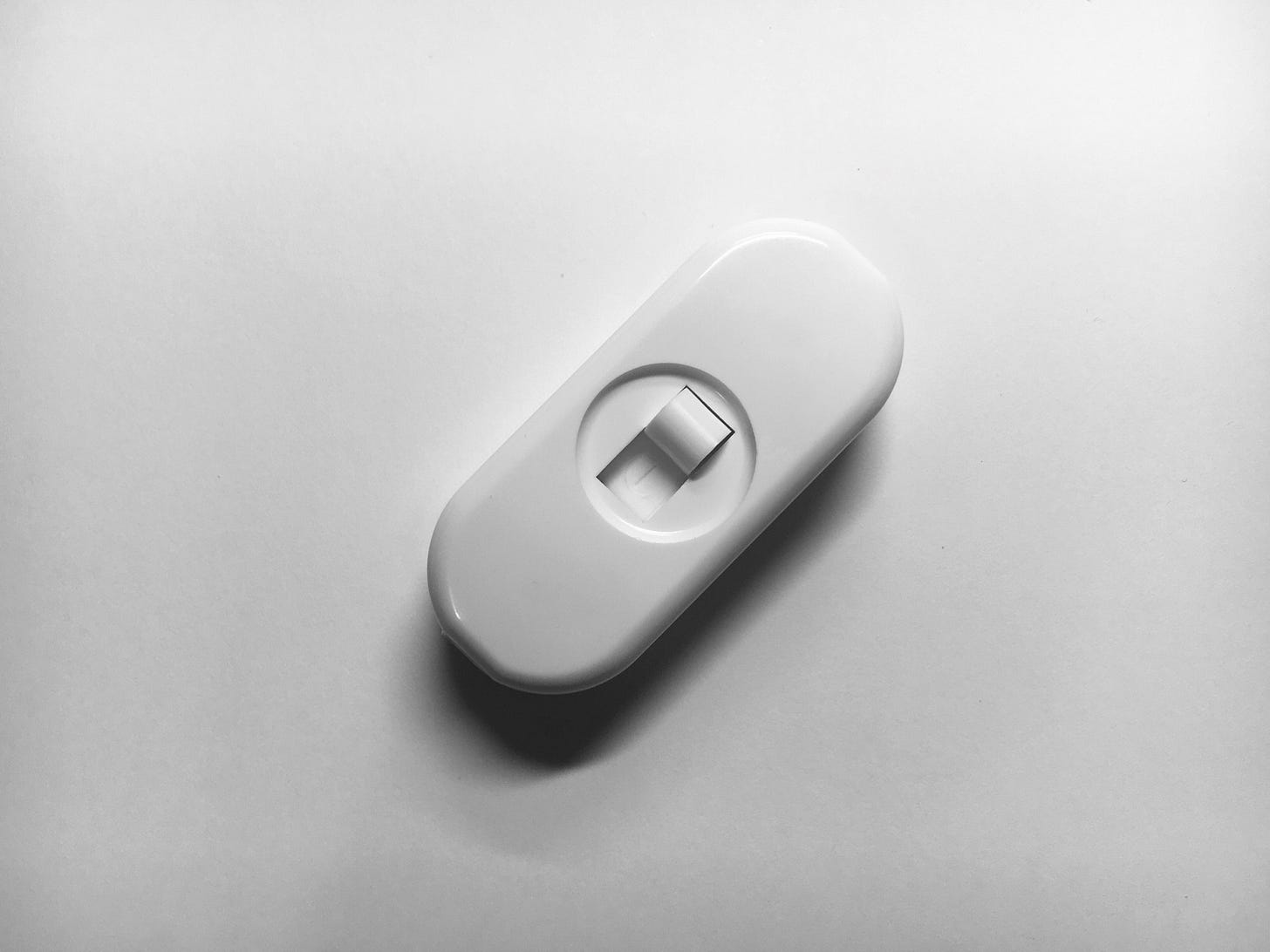
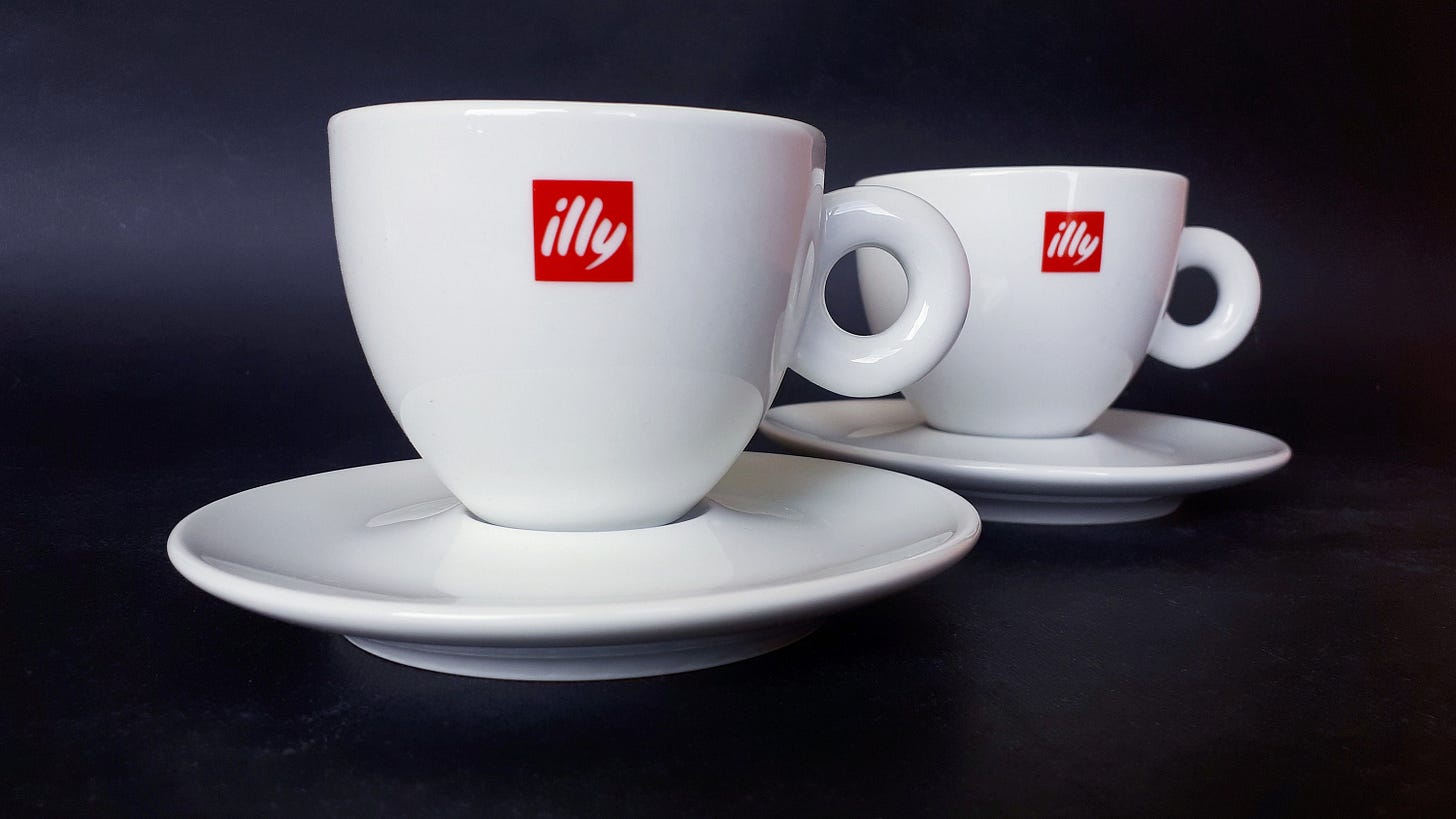
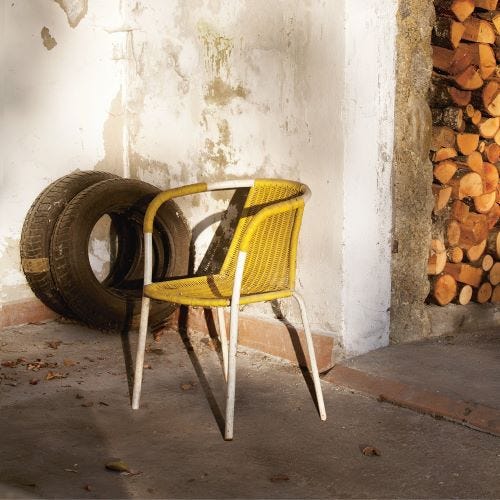
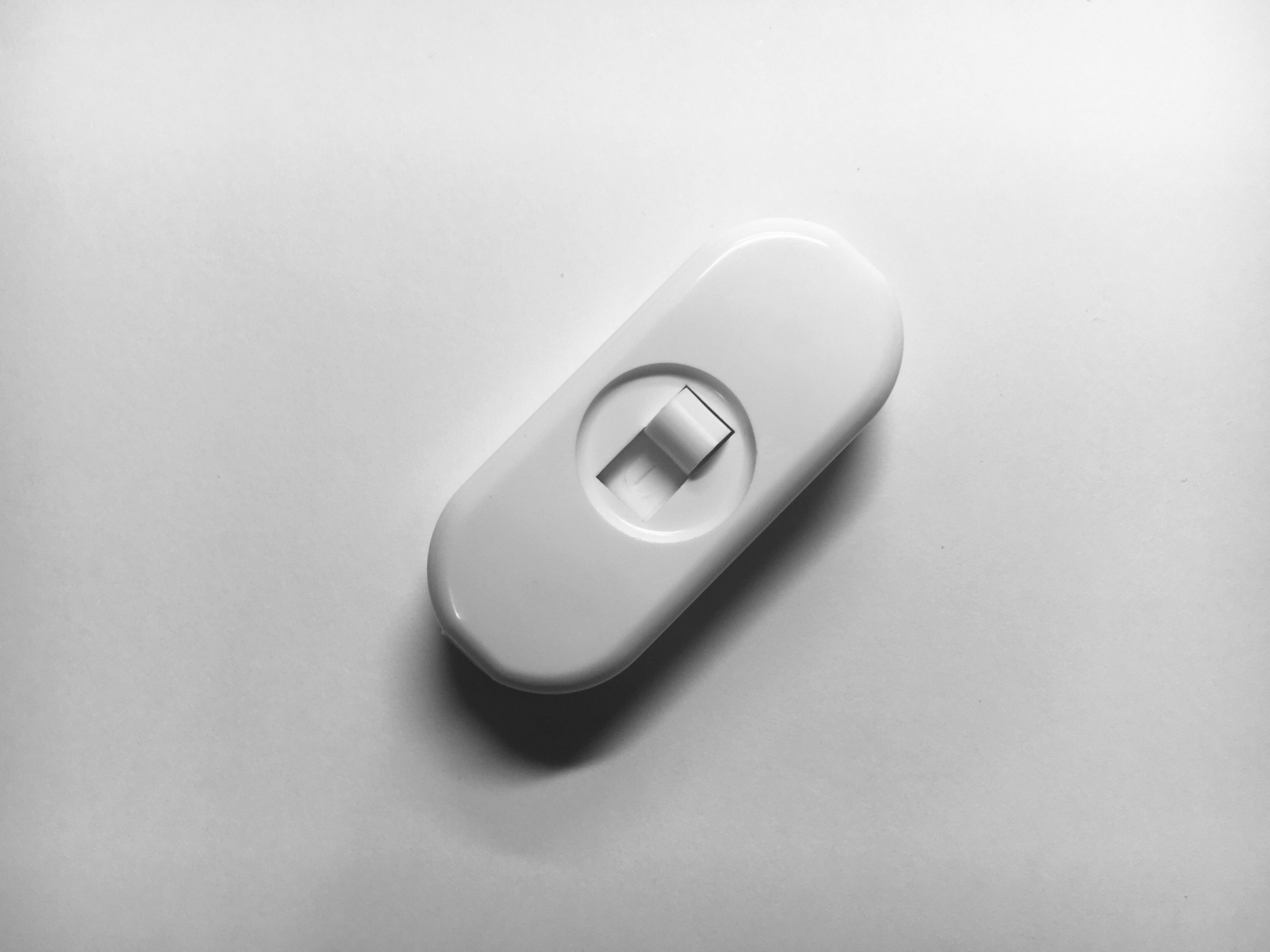
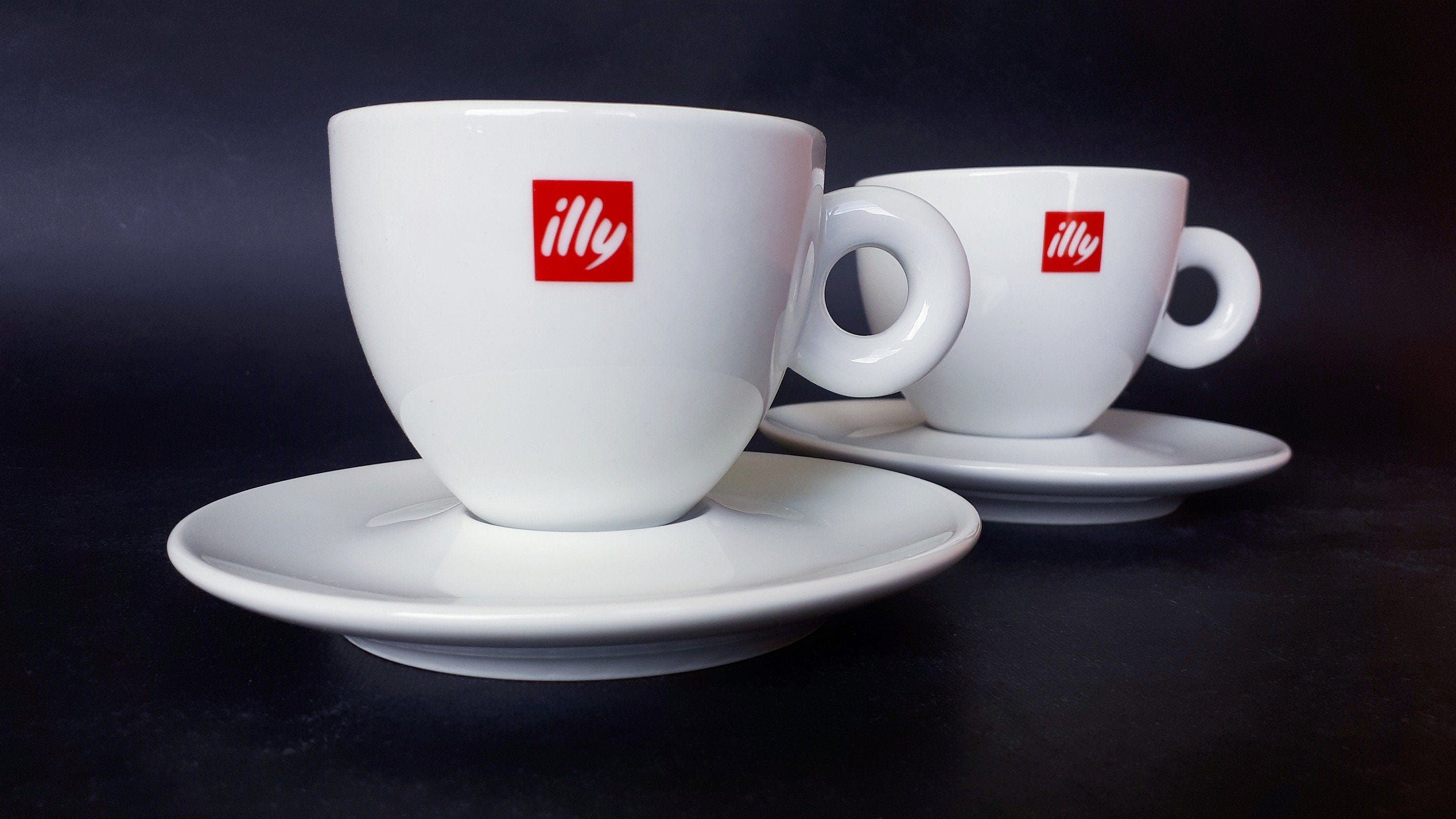
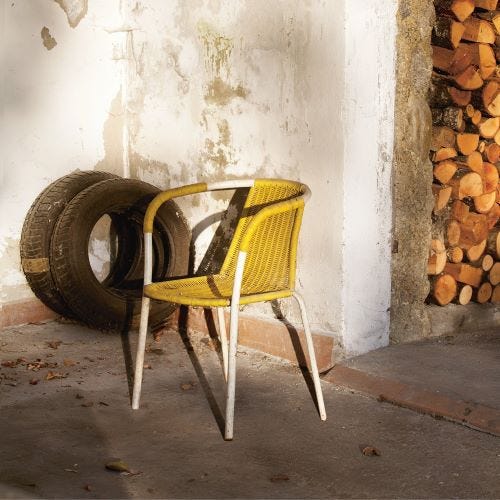
Good products made by designers, even if you'd never guess it. Thinking that a designer is irrelevant to the making of a product is simply wrong. Here are a few examples of things you didn't know were designed by someone with a very specific intention.


Comments
Nothing yet. Say the first thing.
Sign in to join the conversation.