
Com a chegada de agosto entramos, podemos dizer que oficialmente, na época das vindimas em Portugal. Claro que há regiões em que começaram antes, outras que ainda vão tardar, mas as uvas estão, na generalidade, à espera que alguém as agarre para fazerem o seu papel de matéria-prima de bons vinhos.
Com os viticultores do Douro em alerta – a oferta continua a superar largamente a procura e a crise vai manter-se na região, apesar dos apelos ao Governo – os consumidores estão, naturalmente, de olhos postos no resultado desta campanha. Querem novos vinhos nas garrafas e saber o que o ano reserva em termos de qualidade. Tal como os produtores, desejosos de ver o consumo aumentar, seja lá por que via for.
No entretanto, sucedem-se os anúncios de festas e celebrações relacionados com as vindimas, com as marcas mais ou menos poderosas a querer lembrar os apreciadores de que existem e de que estão a fazer o seu melhor para merecer a confiança deles.
Recentemente, dei-me conta de um movimento que está à acontecer – não sei se por desespero, ingenuidade ou simplesmente falta de reflexão. Acho que lhe podemos chamar: a compra de reputação no setor vitivinícola. A chegada de novos investidores ao negócio do vinho português tem animado o setor. No entanto, se olharmos com atenção para as contas, vamos ver que atirar dinheiro para cima do problema está a resolver pouco ou nada daquilo que são os desafios do vinho nacional.
O vinho português é, genericamente, bom. Todos sabemos isso e personalidades como Jancis Robinson, Julia Harding, Robert Parker ou Oz Clark têm ajudado espalhar a qualidade dos nossos vinhos pelo mundo. O vinho do Porto continua a ser o mais conhecido – obrigada aos ingleses por isso! – apesar de ser um dos que mais tem sofrido com a redução do consumo, estando a atravessar uma crise que talvez só encontre precedente na época da filoxera, no final do século XIX.
O preço médio do vinho nacional, no entanto, continua muito abaixo dos seus congéneres europeus por razões várias sobre as quais já escrevi inúmeras vezes. Uma delas é precisamente o facto de termos dificuldade de trabalhar em conjunto e desenhar uma estratégia nacional que vá para além de chamar Wines of Portugal aos vinhos de Portugal – se começarmos somente pelo facto de que os vinhos do Porto não são divulgados pelo instituto que trata da divulgação de todas as outras referências nacionais, já temos pano para muita reflexão.
A chegada de novos investidores, estrangeiros na sua maioria, é um bom sinal, por si. Salvaram-se, com o dinheiro vindo de fora, muitas quintas, vinhas e marcas que, de outra forma, talvez tivessem visto a sua vida acabar.
Leia mais sobre os preços dos vinhos
Mas a verdade é que esses novos donos de muitos vinhos portugueses não conseguiram mudar coisa alguma no mercado – os vinhos não são melhores do que os que já se produziam nas regiões onde entraram; as pessoas não estão a consumir mais; os preços com que os colocam à venda muitas vezes nem sequer fazem sentido quando falamos de marcas novas e, para mim o mais preocupante, é uma espécie de vassalagem que de repente parte da comunidade começou a prestar-lhes, como se o dinheiro que trazem para o país fosse a salvação de todos os males. Na verdade, há algumas semelhanças deste comportamento com o que tivemos relativamente ao investimento estrangeiro em imobiliário após o pico da crise e sabemos bem onde estamos, atualmente.
O vinho é um produto de milénios. De gerações, de calma, de temperança, de desafios e de surpresas. É um produto que apaixona, não apenas porque nos sabe bem enquanto o consumimos, mas porque traz nele a história de muitas gentes. Um vinho feito de vinhas velhas é resultado da entrega de muitos homens e mulheres que, durante décadas, cuidaram para que as plantas sobrevivessem. Um vinho do Porto é reflexo de gerações e gerações que podaram, vindimaram, vinificaram, guardaram e mantiveram a salvo pipas e pipas de vinho que sabiam que nunca chegariam a provar. Investimentos de futuro, compromissos com uma história que sabiam que não iam viver, mas que se empenharam em deixar escrita.
Sou, genericamente, avessa a colocar pessoas em pedestais – a nossa condição de humanos devia fazer-nos andar de pés bem assentes na terra. E sou particularmente cética quando se oferecem esses pedestais a pessoas que, acabadas de chegar ao país, atiram notas de euros e muito pouco mais para um setor que precisa desesperadamente de calma, reflexão e estratégia. Como sempre, tentamos resolver problemas de longo prazo com soluções de curtíssimo prazo, e com pessoas que garantiram visibilidade através de poucas coisas que se prendem com conhecimento, compromisso ou experiência. E, como tudo o que é feito com fundações pouco sólidas, corremos o risco de agravar o problema ao invés de o resolver, mesmo que de forma ligeira.
O vinho é um produto de compromisso, de perseverança, de presença. Usá-lo para ganhar notoriedade porque agora está na moda não é bom para quem o faz, e também não vai ser bom para quem permite que aconteça.
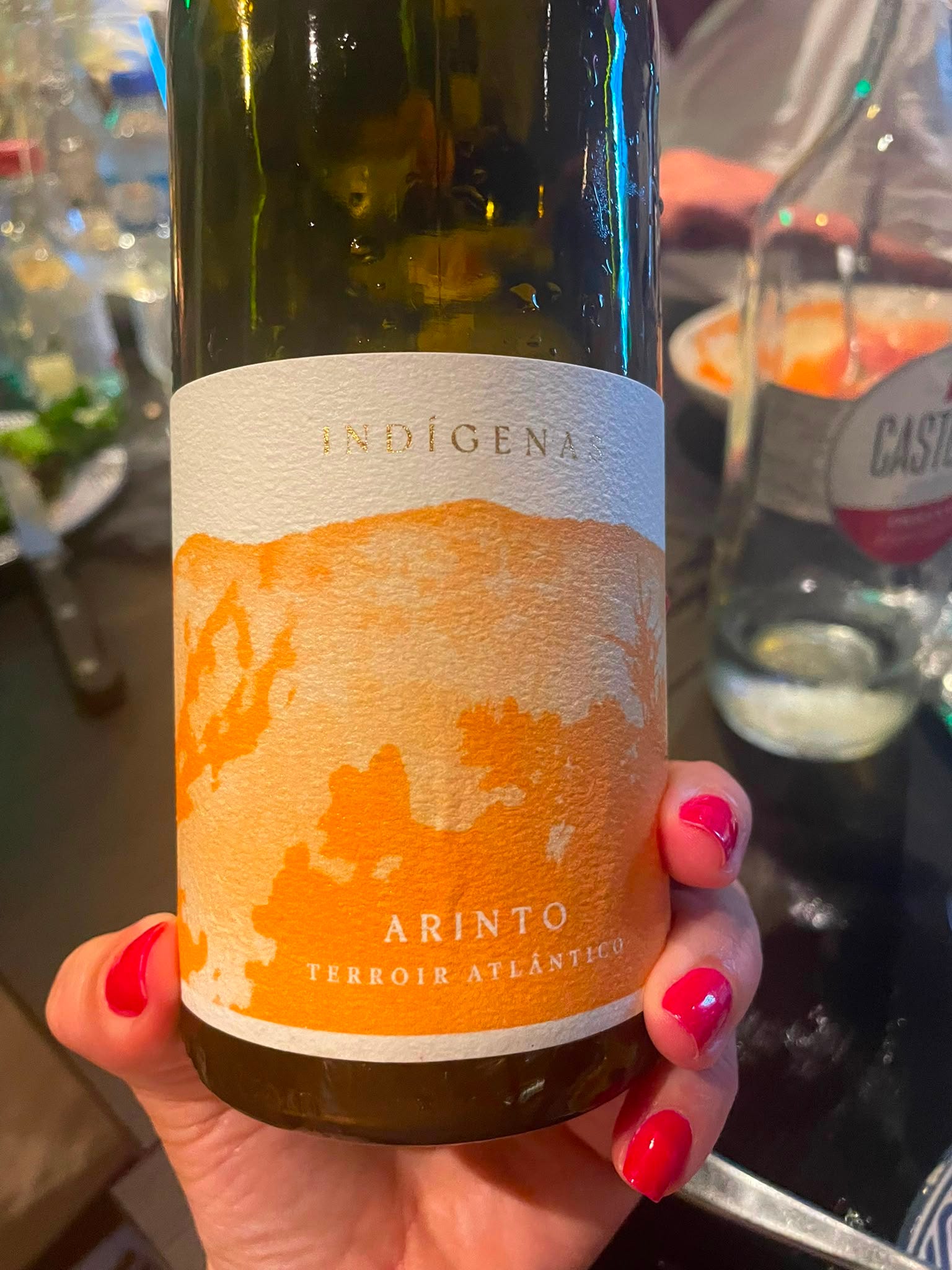
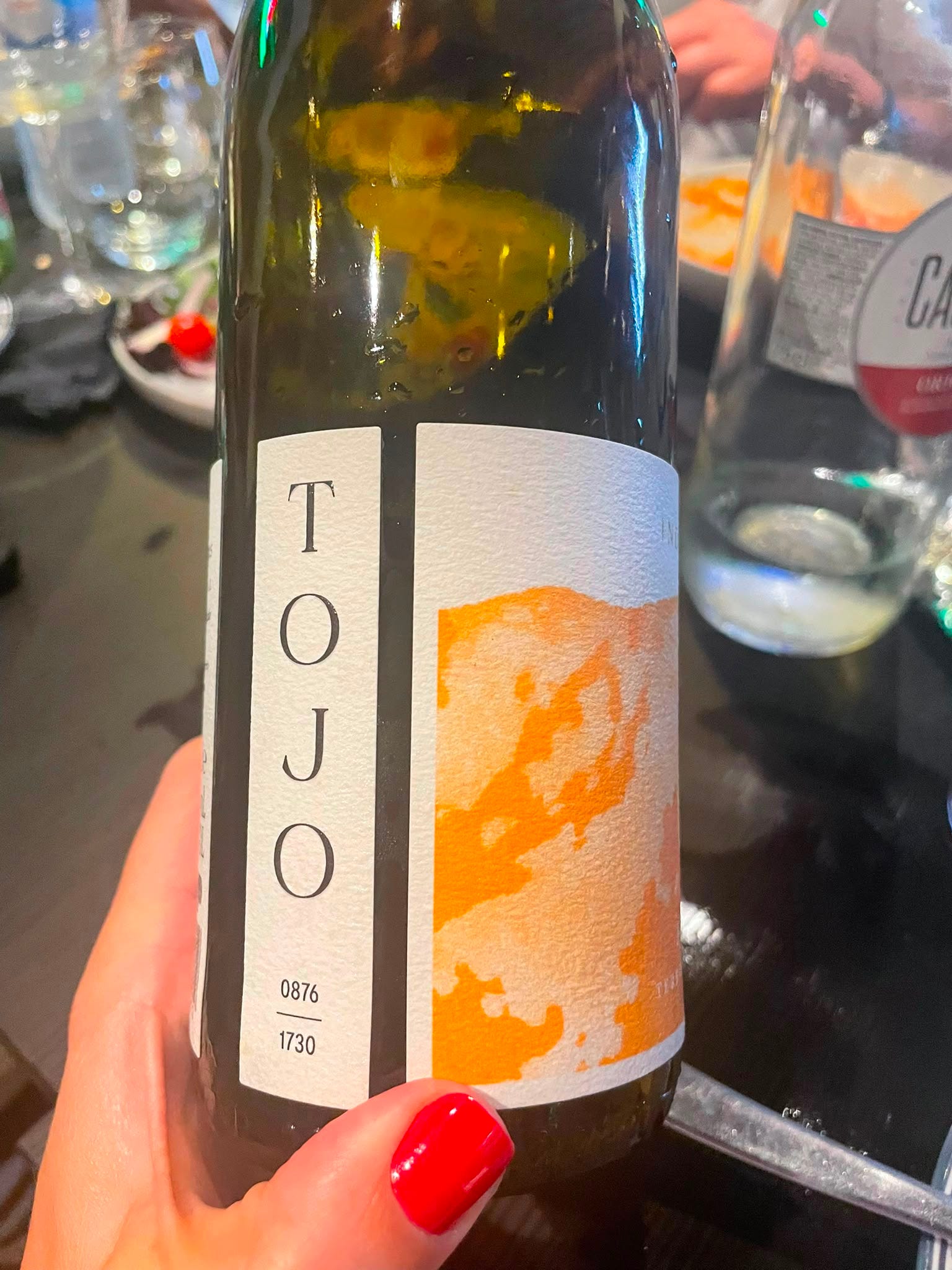
Convidando-os a refletir sobre isto, aproveito para sugerir um vinho para acompanhar o pensamento. Produzido pela Quinta de Catralvos e com enologia do Bernardo Cabral – mais conhecido pelos vinhos bem catitas que faz na ilha do Pico – este Tojo 100% Arinto apresenta-se muito divertido na boca, com aromas a citrinos e flores brancas, algum fósforo queimado e uma untuosidade bastante surpreendente. Com um final elegante e prolongado, foi uma daquelas boas surpresas numa noite em que provámos às cegas várias referências. Se adivinhávamos que era de Azeitão? Nunca.
Outros projetos do Bernardo Cabral
Um A+ sólido na minha notação, e com um preço de venda ao público bastante interessante (€12,25). Ótimo para acompanhar uns pratos de massa, carnes brancas ou somente fazer um brinde com as pessoas de quem mais gostam, neste verão. Aproveitem!
With the arrival of August, we can say that we have officially entered the grape harvest season in Portugal. Of course, there are regions where the harvest began earlier, and others where it is still some way off, but the grapes are, on the whole, waiting to be picked so they can fulfil their role as the raw material for fine wines.
With Douro winegrowers on high alert – supply continues to far outstrip demand and the crisis is set to persist in the region, despite appeals to the Government – consumers are, naturally, keeping a close eye on the outcome of this vintage. They want new wines in their glasses and to know what the year has in store in terms of quality. Just like the producers, who are keen to see consumption rise, by whatever means necessary.
Meanwhile, announcements of harvest-related festivals and celebrations are coming thick and fast, with brands – big and small – keen to remind wine lovers that they exist and that they are doing their best to earn their trust.
Recently, I’ve noticed a trend taking hold – I’m not sure whether it stems from desperation, naivety or simply a lack of forethought. I think we could call it: the buying of reputation in the wine sector. The arrival of new investors in the Portuguese wine business has revitalised the sector. However, if we look closely at the figures, we’ll see that throwing money at the problem is doing little or nothing to address the challenges facing the national wine industry.
Portuguese wine is, generally speaking, good. We all know this, and figures such as Jancis Robinson, Julia Harding, Robert Parker and Oz Clark have helped to spread the word about the quality of our wines around the world. Port wine remains the best known – thanks to the British for that! – despite being one of the wines that has suffered most from falling consumption, and is currently going through a crisis that perhaps only has a precedent in the phylloxera era at the end of the 19th century.
The average price of Portuguese wine, however, remains well below that of its European counterparts for various reasons, which I have written about countless times. One of these is precisely the fact that we struggle to work together and devise a national strategy that goes beyond simply calling Portuguese wines ‘Wines of Portugal’ – if we start with the mere fact that Port wines are not promoted by the institute responsible for promoting all other national wines, we already have plenty to reflect on.
The arrival of new investors, mostly foreign, is a good sign in itself. Thanks to money from abroad, many estates, vineyards and brands have been saved that might otherwise have ceased to exist.
But the truth is that these new owners of many Portuguese wines have failed to bring about any change in the market – the wines are no better than those already being produced in the regions they have entered; people aren’t drinking any more; the prices at which they’re sold often don’t even make sense when we’re talking about new brands and, for me, the most worrying thing is a sort of subservience that part of the community has suddenly begun to show them, as if the money they bring into the country were the cure for all ills. In fact, there are some parallels between this behaviour and what we saw with regard to foreign investment in property after the height of the crisis, and we know full well where we stand today.
Wine is a product of millennia. Of generations, of calm, of temperance, of challenges and of surprises. It is a product that inspires passion, not only because it tastes good whilst we drink it, but because it carries within it the history of many people. A wine made from old vines is the result of the dedication of many men and women who, for decades, ensured that the vines survived. A Port wine reflects generations upon generations who pruned, harvested, vinified, stored and safeguarded cask after cask of wine that they knew they would never get to taste. Investments in the future, commitments to a history they knew they would not live to see, but which they strove to ensure was recorded.
I am, generally speaking, averse to putting people on pedestals – our very nature as human beings should keep us firmly grounded. And I am particularly sceptical when such pedestals are offered to people who, having only just arrived in the country, throw euro notes and very little else at a sector that desperately needs calm, reflection and strategy. As ever, we are trying to solve long-term problems with very short-term solutions, and with people who have gained visibility through very little in the way of knowledge, commitment or experience. And, as with anything built on shaky foundations, we run the risk of exacerbating the problem rather than solving it, even if only slightly.
Wine is a product of commitment, perseverance and dedication. Using it to gain notoriety simply because it is currently in vogue is not good for those who make it, nor will it be good for those who allow it to happen.
Inviting you to reflect on this, I’d like to take this opportunity to suggest a wine to accompany your thoughts. Produced by Quinta de Catralvos and vinified by Bernardo Cabral – best known for the rather charming wines he makes on the island of Pico – this Arinto is great fun on the palate, with aromas of citrus and white flowers, a hint of burnt matchstick and a rather surprising creaminess. With an elegant, lingering finish, it was one of those pleasant surprises on an evening when we blind-tasted several wines. Would we have guessed it was from Azeitão? Not a chance.
A solid A+ in my book, and at a very attractive retail price (€12.25). Perfect for pairing with pasta dishes or white meats, or simply for raising a glass with the people you love most this summer. Enjoy!
Comments
Nothing yet. Say the first thing.
Sign in to join the conversation.