

“How much sweetness are you actually allowing yourself to receive from life?”
Is the question that I believe potassium is asking our bodies. Minerals are more than just nutrients. They are messengers. Patterns. Imprints. Tiny reflections of how we move through life emotionally, spiritually, and physiologically. The body is never separate from our lived experience, which is why I find minerals like potassium and insulin so fascinating.
Potassium helps shuttle insulin into the cells, allowing glucose to be received and utilized as energy, but symbolically it also mirrors something deeper: our ability to receive the sweetness of life itself. So many women today are stuck oscillating between depletion and overdrive, survival and control, never fully allowing themselves to soften into support, nourishment, joy, or safety. This post is an exploration of potassium, progesterone, femininity, and the nervous system through both a physiological and symbolic lens and what it means to create a body, home, and internal environment capable of holding life with softness, stability, and grace.
I wrote an article a few months ago, Hypoglycemics in the Wild, and it felt only fitting to write an extended version. I see a lot of cases of hypoglycemia aka low blood sugar in my practice impacting not just adults but children.
The missing piece that conventional medicine neglects to look at are minerals.
Mineral imbalances or toxicities can contribute to hypoglycemia, PCOS, and gestational diabetes.
Symptoms include:
Panicky or feeling hangry after going 4+ hours without eating (sometimes even 2+ hours of eating if imbalances are severe)
Waking up between 2-4am
Sugar cravings
Shaky
Anxiety
Irregular ovulation
Low progesterone symptoms
Hypothyroidism sympotms
Miscarriage
Insomnia
Low mood
Poor stress tolerance
ADD/ADHD
In order for our bodies to keep glucose stable, we have to have the proper mineral balance within our systems. Minerals are foundational for the health + body and often neglected.
Your body relies on the following in order to keep glucose stable:
Insulin secretion
Insulin signaling
Glucose storage & release
Hormone production (cortisol, glucagon, adrenaline, epinephrine)
Energy production (ATP, mitochondria)
Even if someone isn’t diabetic, they can still experience blood sugar dysregulation due to mineral imbalances.
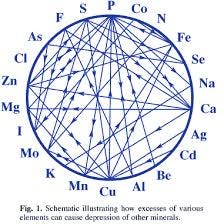
Magnesium — The master mineral that is involved in thousands of enzymatic reactions within the body. It is heavily involved in insulin signaling and glucose handling. Studies have found magnesium to improve insulin sensitivity in those with insulin resistance (and within those who are non-diabetic). Magnesium also supports GABA production and lowers glutamate (which is an excitatory neurotransmitter). It also supports our stress response which many people struggle with.
Signs your mag is low: anxious, wired but tired, muscle tension, poor sleep, constipation, sugar cravings, feeling strong effects of caffeine, PMS/PMDD symptoms.
Important note: it is crucial to figure out why you are having low blood sugar symptoms to begin with. Is it mineral imbalance driven by copper toxicity? Are you in a four lows pattern with depleted calcium, magnesium, sodium, and potassium? Are you struggling with emotional, financial, physical stressors? Are you having reactive dips (symptoms after eating carbohydrates/sugar)? Sometimes people go all in and supplement with 500-600mg of magnesium daily and their symptoms worsen. This is why it is crucial to see your HTMA test results and if other foundations need to be implemented before introducing magnesium or that high of a dose.
Comments
Nothing yet. Say the first thing.
Sign in to join the conversation.