
In Part One, I discussed some shocking statistics about dyslexia and prisoners. Like how 80% of prison inmates1 in Texas were found to be functionally illiterate.
Dr. Sally Shaywitz began a study in 1983, the Connecticut Longitudinal Study (CLS)2 to further understand dyslexia. They are following 82% of the original cohorts and recently started a new phase of the study.
We know that 20% of the population, 1 in 5 kids are affected by dyslexia.
For a while, it was believed that dyslexia only impacted boys. Researchers are now finding dyslexia to equally impact boys and girls.
In addition to this, researchers are continuing to want to push for early intervention and screening as young as kindergarten and first grade. We know that first grade is usually when children begin to show signs of dyslexia.
Many teachers are not trained to identify symptoms/characteristics of dyslexia in children leading those children to go undiagnosed for years while struggling and getting bullied in the classroom.

To take it a step further, many children have terrible experiences with teachers because they get labeled as “lazy”, “unmotivated”, or the “class clown”. Oftentimes, a teacher is a dyslexic child’s first bully. We know that children with dyslexia do not respond well to traditional teaching methods. This leads to frustration, anxiety, and anger in the child. This can also lead to frustration in the teacher. Many kids are spoken to harshly and humiliated in front of their peers. Research has shown verbal and physical abuse in the classroom. “The findings further revealed that teachers in public schools were not patient with dyslexic learners, did not give them extra attention and that some teachers used negative comments that embarrassed them.”
Children report experiences higher cases of being bullied and low self-esteem.
“Signature strengths among students with dyslexia included appreciation of beauty and excellence, love, hope, forgiveness, and judgement.”3
The number one symptom children with dyslexia experience is anxiety. While anxiety is a normal response to danger, most kids are living in a chronic loop of anxiety causing them to be stuck in fight-or-flight.
I can see this particular stage of stress on the HTMA (Hair Tissue Mineral Analysis) Test:
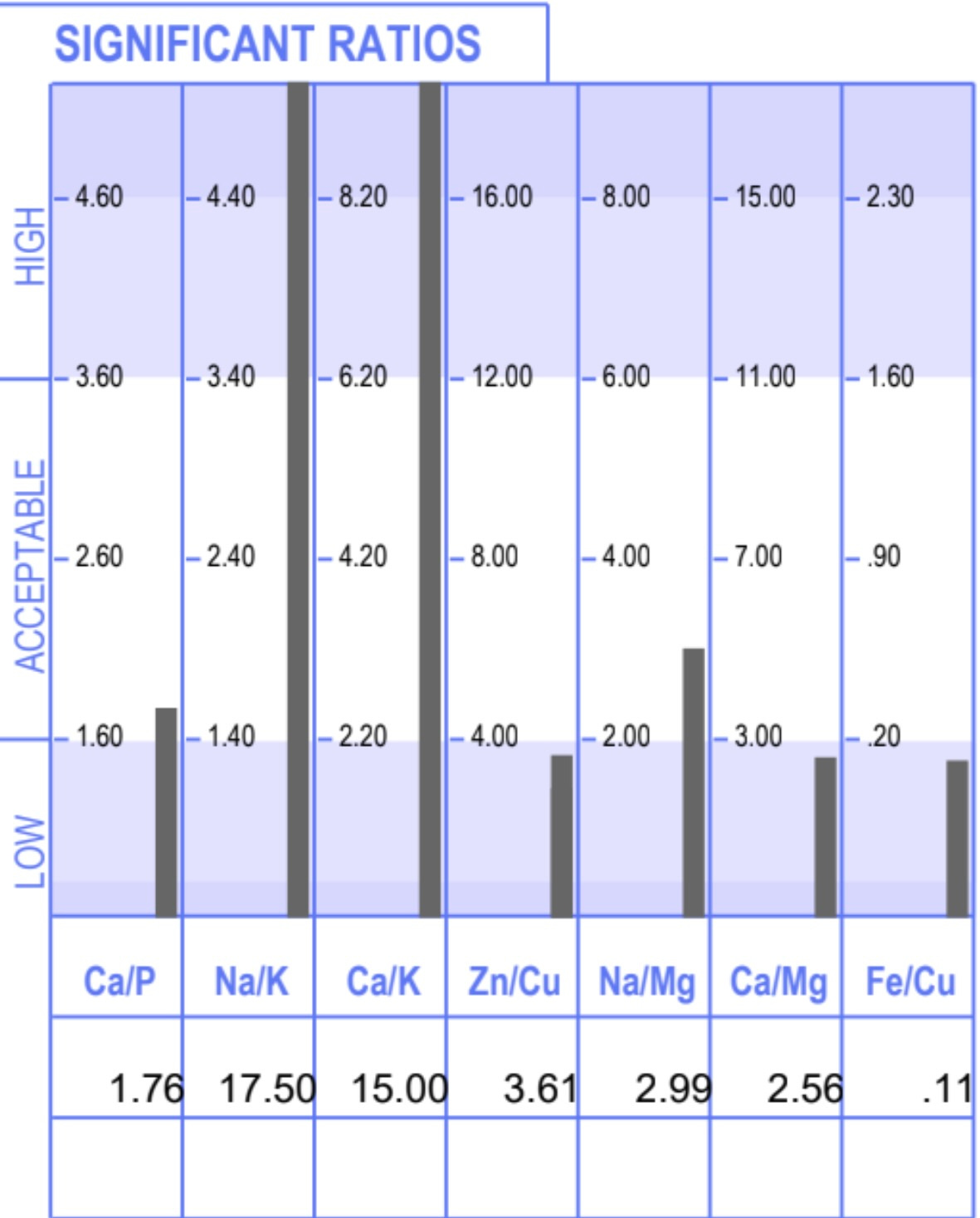
This is an individual with dyslexia who experienced abuse by their teacher in the classroom as a child. They are under large amounts of stress for their current job but oftentimes replay what happened to him that day in the classroom many years ago. To me, this mineral profile fits their symptoms and history of abuse perfectly.
Long term running on stress hormones like cortisol with other mineral imbalances as seen above does no good for anyone but specifically kids with dyslexia. This will lead to nervous system dysregulation, anger, frustration, and eventually incarceration for some.
I find Germanic New Medicine to be very interested in linking potential emotional triggers to physical symptoms. With dyslexia in particular, separation conflicts experienced as a baby or in early childhood can be connected to dyslexia.
A separation conflict is when a person or baby misses someone or wants someone in particular to get away from them.
What’s more interesting is that one third of adults with dyslexia experienced physical abuse in childhood.
“Even after accounting for age, race, sex and other early adversities such as parental addictions, childhood physical abuse was still associated with a six-fold increase in the odds of dyslexia.” — Esme Fuller-Thompson4
Fuller-Thompson goes on to say that “Although we do not know if the abuse-dyslexia association is causative, with one-third of adults with dyslexia reporting childhood abuse, it is important that primary health care providers and school-based practitioners working with children with dyslexia screen them for physical abuse.”
If you know someone with dyslexia, I encourage you to be kind always. You never know the internal battle someone is fighting.
If you’re unfamiliar with the school-to-prison-pipeline, it is essentially policies in public school (usually) that lead children to the path from school to prison. It should be noted that the pipeline does not affect all students equally. In my articles, I’ve particularly focused in on learning disabilities such as dyslexia and today I’m adding in ADHD but we cannot forget about racial disparities which I will likely cover in a future article because of the depth and attention I believe it so deserves.
We know that about 50% of the prison population is dyslexic. There are often comorbidities, such as ADHD, that overlap with dyslexia. A 2010 study found 40% of adult male long-term inmates to have ADHD.
“The results indicate that the persistent ADHD is very common among prison inmates.”5
If you’re asking any conventional medicine doctor what to do for ADHD, they will probably prescribe Adderall or Ritalin. They probably won’t ask about sleep, nutrition, exercise, how much time is spent outdoors, how much time is spent on screens, how often you watching TV, hobbies, time spent around animals, time spent with friends/family, or anything along those lines.
There are many doctors that prescribe medications like handing out M&Ms. Way too often without looking deeper into the biochemistry of the body.
But what if there were actual answers to what causes ADHD in kids and adults and ways to improve symptoms without a child potentially ending up in prison later on in their life?
A recent 2025 study discusses the impact of school policies on at-risk students (such as those with ADHD or dyslexia) and students of color.6 The study discusses several factors that strongly contribute to delinquency:
Executive functioning deficits
Poor academic achievement
Peer rejection
Experiencing abuse and neglect
Strained relationships with parents and teachers
While this study focuses on the impact of untreated ADHD, I will discuss treatments I believe should be utilized for kids and even adults later in the article.
A missing piece to this conversation is the lack of research in the psychology and criminology fields as untreated ADHD as a contributing factor. In order to further understand the actions and minds of delinquent students and inmates, we have to first understand precursors to this discussion. ADHD and dyslexia being very much one of them. I believe a lack in the conversation is the refusal to understand what is causing the behavior.
In addition to this, black children are disproportionately more suspended than white children and there is an under diagnosis of black children with ADHD or dyslexia. Furthermore, black children are less likely to be prescribed medication for ADHD than white children.7 Although I don’t always believe medication is the only answer for children, there should still be equal access and a parents’ right to choose the best fit option for the child.
While ADHD does cause low academic performance in some kids, it does not have an impact on intelligence. Similar to dyslexia, lack of awareness regarding ADHD symptoms has an impact on under diagnosis. Many teachers are not properly trained to recognize symptoms of ADHD other than hyperactivity: inability to sit still, getting up and moving around the classroom, etc.
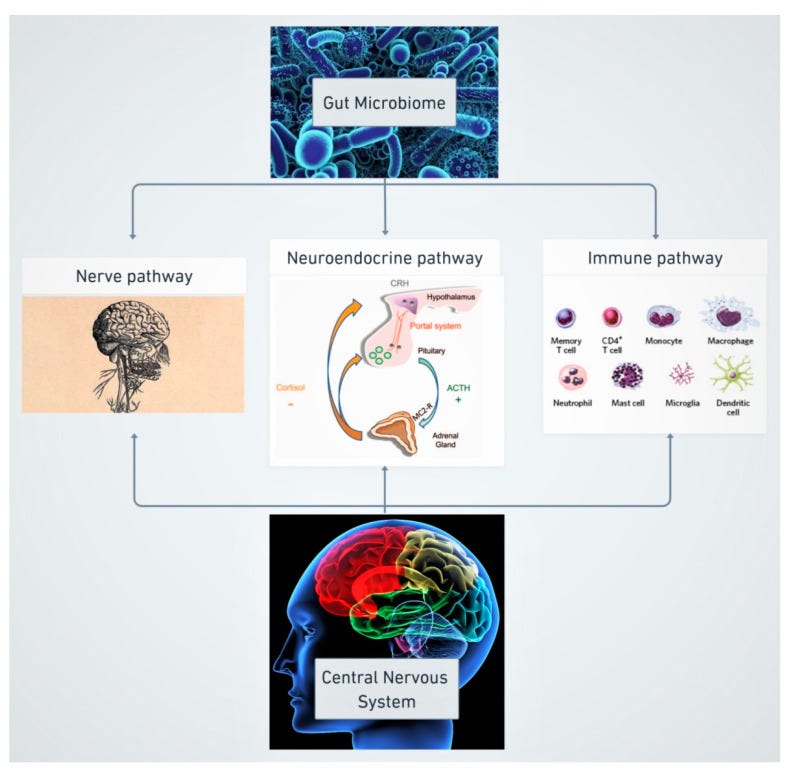
“In animal models, infections by pathogens like Campylobacter jejuni and Citrobacter amalonaticus induced anxiety-like behavior.”8
Pathogens like campylobacter can trigger inflammation and activate the immune system resulting in anxiety as found in the study above. We know that gut bacteria is necessary in regulating serotonin, GABA, and dopamine as the gut communicates with the brain through the vagus nerve. Pathogens tell the brain there is danger or a threat and can keep the body in a constant state of fear, anxiety, or fight-or-flight.
Some kids that are labeled as “defiant”, “disruptive”, or “dangerous” may actually be dealing with gut infections impacting their brain.
Of course this will tie into mineral imbalances such as low stomach acid, zinc, copper toxicity, magnesium, potassium, chromium, and more.
“Therefore, the connections established between these neurotransmitters and the gut microbiome may provide evidence for the role of these microorganisms in the pathophysiology of diverse neuropsychiatric disorders, such as anxiety, depression, bipolar disorder and neurodevelopmental disorders, such as ASD and ADHD.”
As we know from my previous article, many teachers are not trained to recognize signs of dyslexia. Some may not be aware of the symptoms of ADHD either besides hyperactivity.
We punish kids for behaviors that may be rooted in biochemical issues many don’t bother to look deeper into.
Research shows that certain bacterial infections can induce anxiety-like behavior, anger outbursts, aggression, and more.
Maybe the kid that can’t sit still in your classroom, unable to focus, is impulsive and reactive isn’t because they’re choosing to be difficult… maybe their gut is signaling danger to the brain every second of the day with no one even knowing.
Rather than looking deeper, we drive them to the doctor, then the pharmacist, put them on medication, and hope that the symptoms will go away.
Even though a child’s symptom is a signal.
“The gut microbiome modulates the secretion of gastrointestinal peptides that mediate metabolic functions related to energy homeostasis, such as insulin, leptin, ghrelin, neuropeptide Y family (NPY) and glucagon-like-peptide 1 (GLP-1).”
Essentially, this is saying that our friendly gut bugs don’t just help us digest food but they control hormone signals that regulate:
blood sugar
hunger and fullness
energy
brain function
The gastrointestinal peptides are messenger hormones that tell the body things like:
“Release insulin” (low blood sugar)
“You’re full” (leptin)
“You’re hungry” (ghrelin)
“Go get energy now” (NPY)
“Slow down blood sugar spikes” (GLP-1)
An article I wrote, Hypoglycemics in the Wild, dives into the epidemic of low blood sugar adults and children are experiencing. I see a lot of hypoglycemia issues with kids and adults that have ADHD.
If their gut is imbalanced (too little good bacteria and too much bad bacteria/viruses/parasites) the hormone signals mentioned above get thrown off, blood sugar becomes unstable, hunger cues are misinterpreted, and the brain doesn’t get a steady amount of fuel that it needs (kind of like filling your gas tank up—think of your brain like needing to stop at the gas station for a quick snack when fuel is running low).
I like to call this the blood sugar roller coaster.
The brain runs of stable glucose. When blood sugar is unstable:
The brain goes into a stress response
Adrenaline & cortisol rise to compensate
This mimics or worsens ADHD symptoms
Low blood sugar → brain stress → behavior
Hyperactivity
Poor focus
Impulsivity
Emotional / nervous system dysregulation + mood swings
Let’s also not forget that we can’t balance our blood sugar without minerals! I rarely find multivitamins or prenatals to perfectly fit a person’s profile which is why many people don’t improve when taking random supplements. More on this below, keep reading!!
Similar to dyslexia, many children are not screened for ADHD or provided proper treatments and classroom/learning environments. As we know, the top conventional treatments for ADHD is Adderall and Ritalin.
62% of children ages 2-17 years old are taking stimulant medications to treat/manage their symptoms. This statistic should SHOCK you. What’s unfortunate is that many of these kids don’t improve while on this medication. Although I will acknowledge that these medications have saved children’s and parents’ lives, it isn’t a one-size-fits-all medication that should be handed out like M&Ms, in my honest opinion.
I hear from parents often who have gone the medication route for their child and they improve but then symptoms return several months later, sometimes worse than before getting on medication. They’re stumped because how could this be? They return to their doctor and usually their only suggestion is to increase the dosage or try a new medication.
What’s heartbreaking is hearing stories of parents explain how their child turned into a numb version of themselves.
ADHD medications don’t always work for a child. As I’ve said before, it isn’t a one-size-fits-all approach and I see this weekly in my practice. However, there is a reason why parents see improvement and then several months they feel like they’re back to square one: mineral imbalances.
You see, medications like Adderall or Ritalin drive up sodium retention in the body for some kids. Genetics can also play a huge role here. Sodium is a masculine mineral and can cause children (and adults) to become angry, irritable, have a short fuse, frustrated, and sometimes aggressive and explosive.
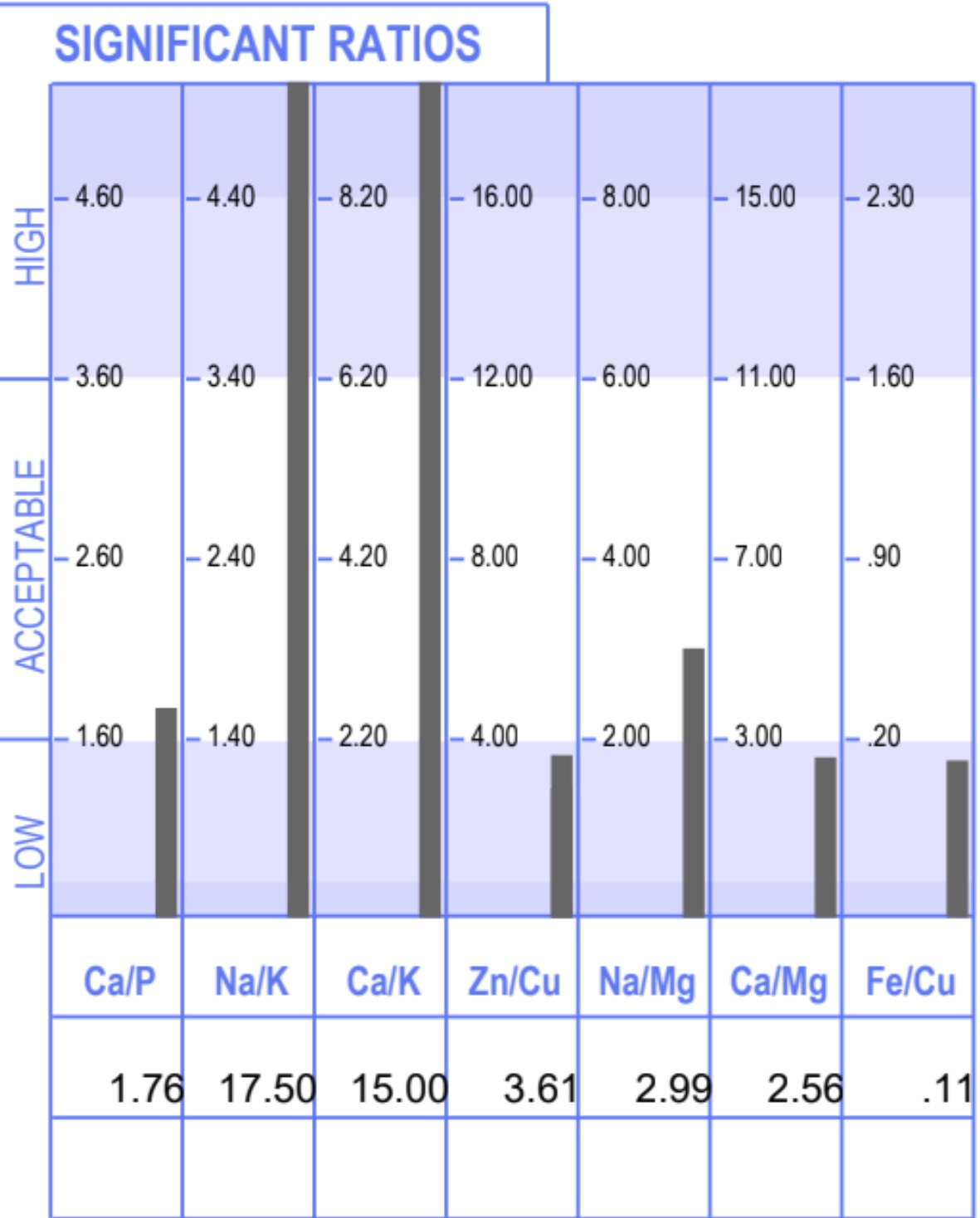
This is why you may see positive improvements in your child but overtime symptoms return, sometimes worse.
With sodium rising, this can contribute to inflammation and other mineral imbalances like copper toxicity or other heavy metal toxicity worsening symptoms in the child. And no, before you start to wonder, Zeolite or a heavy metal detox isn’t the answer—it is much deeper than that.
Additionally, medications usually don’t fix a symptom or diagnosis. They just mask the symptoms. That’s why your child will have to be on Adderall for the rest of their lives.
Doctors rarely ever look at mineral imbalances first as the cause of ADHD. Even if they do, they’re looking via blood work which isn’t an accurate marker of mineral status anyways besides iron. Oh, and not to mention that if they did treat mineral imbalances they wouldn’t have repeat customers because minerals are the root cause of quite literally any symptom!
The very first thing I look at in my clients with ADHD is their mineral status via HTMA (Hair Tissue Mineral Analysis) testing. HTMA is the most comprehensive test out there, in my opinion, and provides us with a detailed look at the body.
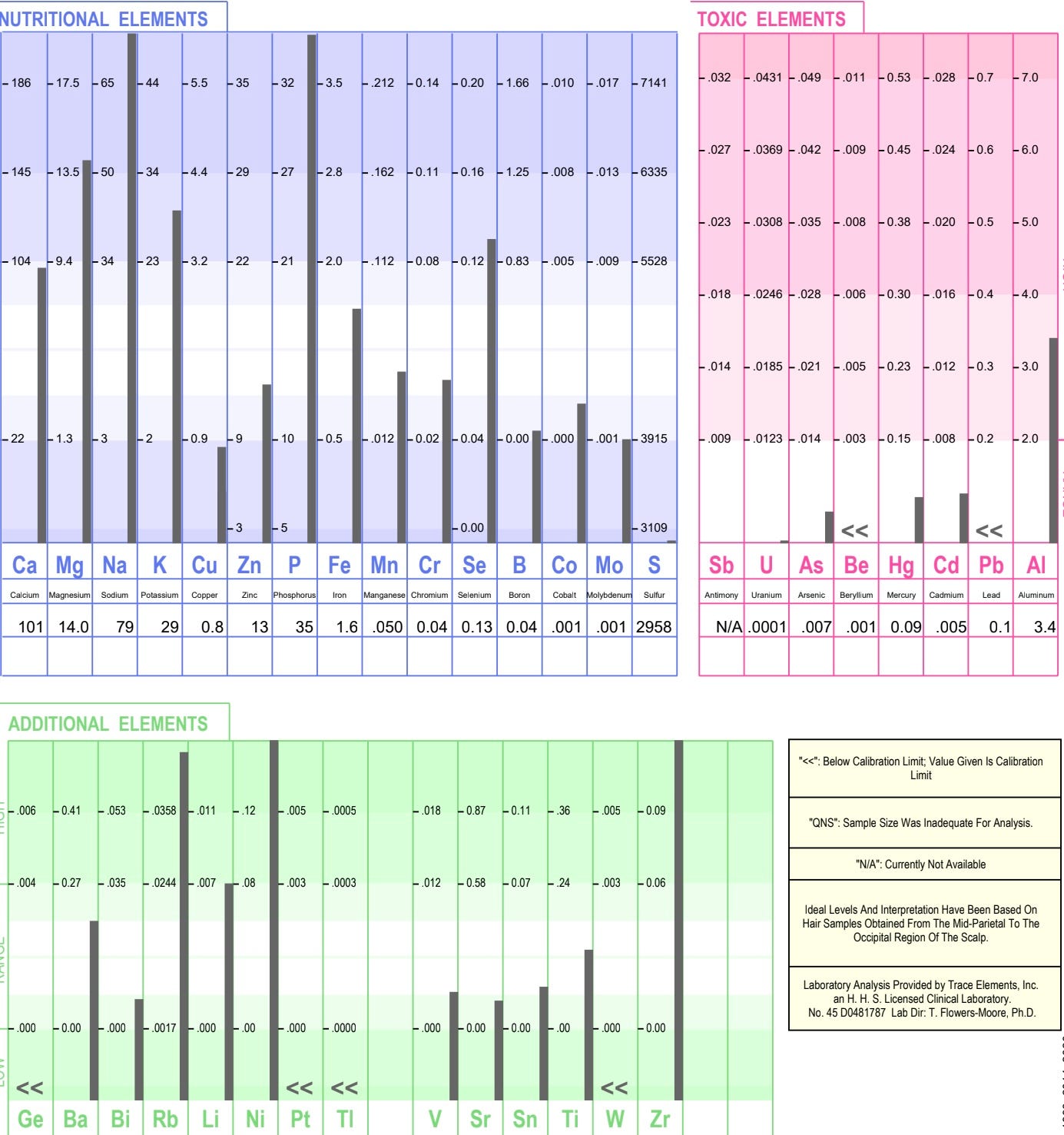
Minerals run the show for every single function within the body:
Hormones
Digestion
Thyroid
Metabolism
Detoxification
Mental health
Brain health
Stress response
Blood sugar
Adrenals
Viral/bacterial infections
Heavy metal toxicity
So why are more doctors not implementing this test in their practices?
For one, you cannot read this test at face value. Meaning that a particular mineral that is high may not mean that you need to avoid it entirely through supplements and food. And just because something is low doesn’t mean you need more of it. Hidden copper toxicity is a thing and something I see more often than overt copper toxicity, especially in adults. Because of this, I find people read the test themselves, put themselves on a copper supplement or high amounts of beef liver per week and they end up feeling awful and bed ridden because they made their copper toxicity way worse.
For two, doctors wouldn’t have repeat customers. I can proudly and humbly say that many of my clients that work with me don’t need extensive care plans and see symptom improvement in as little as a month. This is because we’re addressing the root cause of symptoms or dis-ease, not just masking symptoms and wanting you to come back each month spending more and more $$.
For three, doctors aren’t even trained to learn what mineral imbalances are or how deep they go/the functions of each mineral. Heck, in graduate school I was only taught about magnesium and it was a few short sentences.
We lack the foundations. We cannot heal without foundations and minerals are foundational. Dr. Henry Schroeder called minerals the “spark plugs of life” and for a very good reason!
GIMAP or Tiny Health’s Gut Health Test (code kprichards for $$ off) are my top two favorite labs to run alongside an HTMA in my practice.
You may be familiar with the gut-brain axis meaning that the gut microbiome has a direct impact on the brain, how a person responds or reacts, emotional regulation, and more.
Often alongside mineral imbalances in a child or adult with ADHD, I find parasites, bad gut bacteria, or low good gut bacteria levels via stool testing. I know that sounds icky to test your poo but it gives us so much information into many symptoms that need support alongside mineral balancing.
Let’s take streptococcus for example: this is a common illness kids experience like strep throat. However, many kids experience a repeat infection several times a year or each year and that bacteria doesn’t just go away. It hides inside the gut silently contributing to major symptoms that for some, lands them in prison.
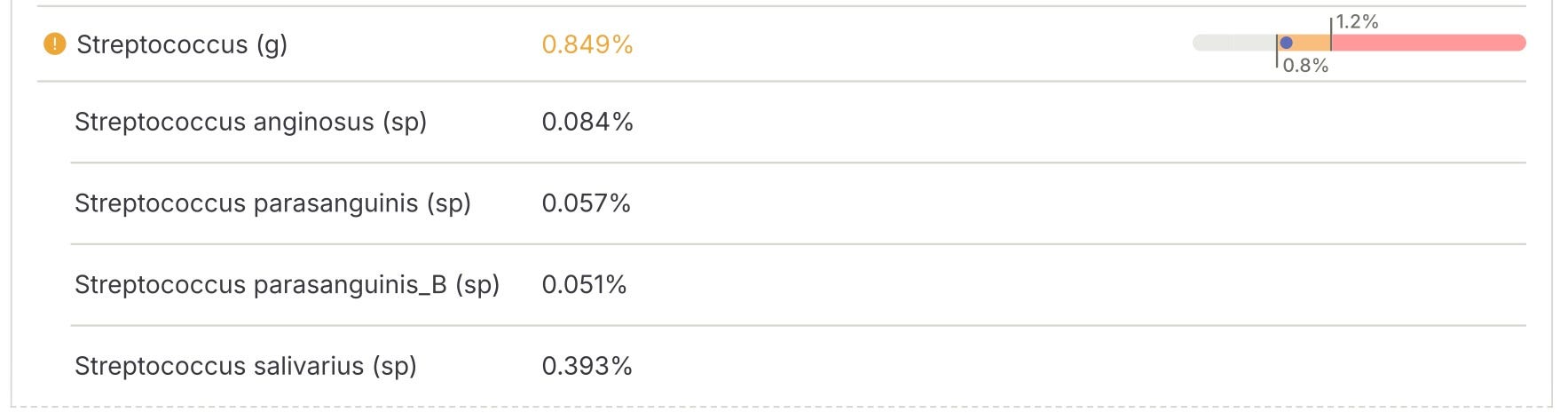
Again, a crucial missing piece to the puzzle for some people. And again, not a one-size-fits-all approach.
As we know with dyslexics, there is a clear school-to-prison pipeline and we are now slowly waking up to similar cases with ADHD.
Not every body thrives on medications, like Adderall, to fix their symptoms. Some individuals require deeper work such as the above mentioned functional lab tests.
More and more people are waking up to the negative consequences of not only big pharma but the governments impact on our food and lifestyle.
If we want to make an impact and decrease the prison population/reincarceration rate, we must focus on the foundations of health and look deeper into symptoms. Some people are feeding the very imbalances that are contributing to their symptoms without even knowing it (eg: multivitamins, random probiotics, medications, etc etc).
https://pubmed.ncbi.nlm.nih.gov/10876375/
https://pubmed.ncbi.nlm.nih.gov/10585988/
https://www.tandfonline.com/doi/full/10.1080/00049530.2024.2399114
https://pubmed.ncbi.nlm.nih.gov/24981005/
https://pubmed.ncbi.nlm.nih.gov/11471785/
https://www.sciencedirect.com/science/article/abs/pii/S0190740925004347
https://pmc.ncbi.nlm.nih.gov/articles/PMC11212017/
https://pmc.ncbi.nlm.nih.gov/articles/PMC7830868/#sec2-nutrients-13-00249
No posts
Comments
Nothing yet. Say the first thing.
Sign in to join the conversation.