
Because living longer only matters if your brain comes with you.
If you're new here — hi, I'm Dr. Jake, a board-certified psychiatrist specializing in brain health, and also a father, husband, gardener, and human being who likes to talk and write about the squishy substance inside of our heads every week.
If you came to see me in my memory clinic tomorrow, these 16 questions are some of the first things I'd ask you.
Sixteen questions to give us a baseline brain health assessment, category by category through the most well-established, evidence-backed risk factors for cognitive decline and dementia. From there, I’d dive into a medication and supplement review, order bloodwork to look for reversible causes, and get to know your unique story. An hour later, you’d walk away with a custom, personalized brain health plan to protect your brain into the future.
Today I’m giving you some of that same audit — for free.
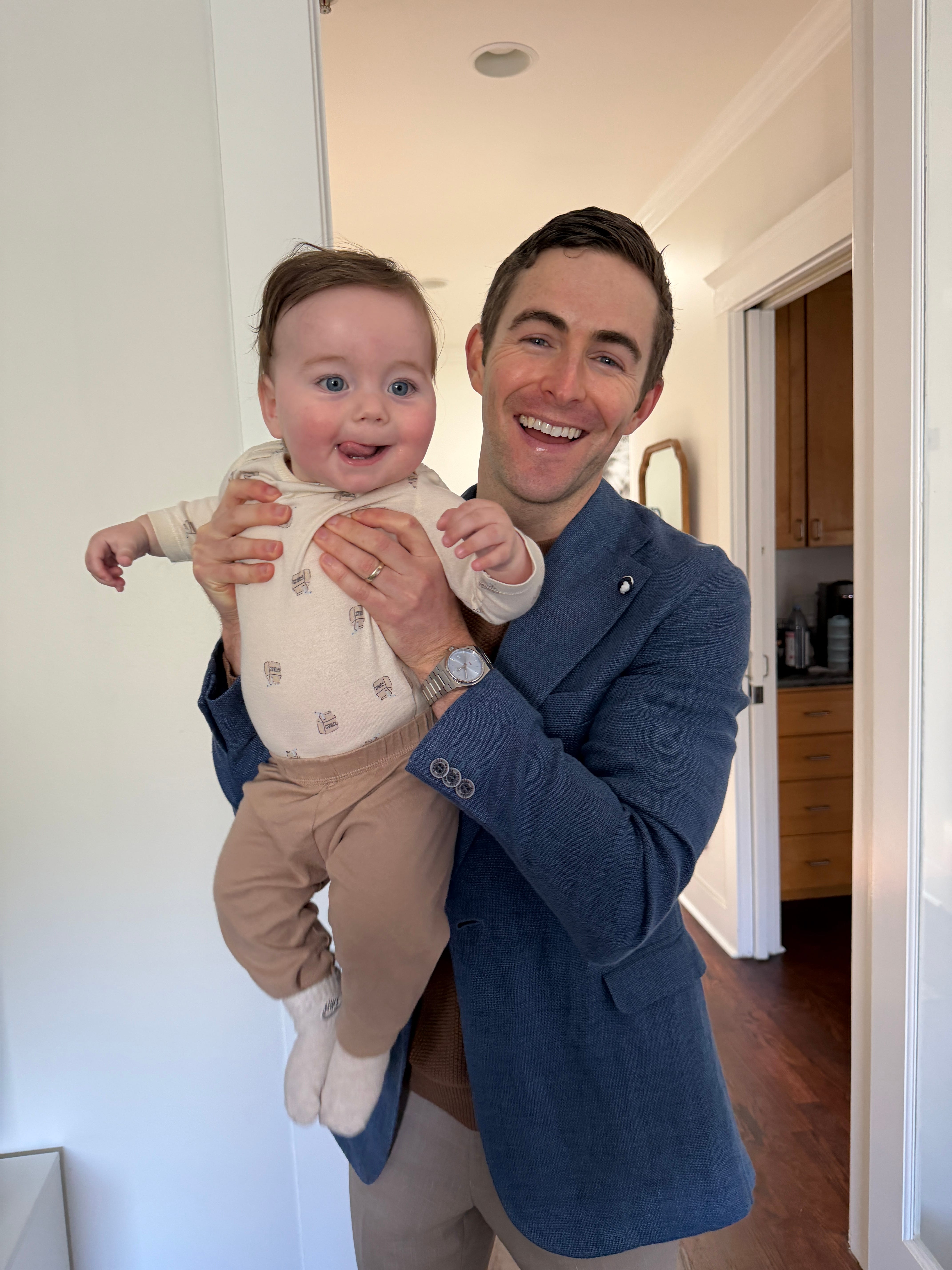
Quick life update before we dive in — First of all, happy Father’s Day to all the dads out there. It’s my first Father’s Day and I’m feeling immensely blessed and grateful for this chapter of life.
This week was a good one because I practiced what I preach. We filled our cups.
For the first time in a long time, I took a Friday off. My wife took off from her job as a primary care doctor too, and we went to a local spa to celebrate our anniversary and get an early start on Father’s Day. Yoga class, eucalyptus steam room, dry cedar sauna, jacuzzi, and then I read my Kindle by the pool and somehow fell asleep at 4pm.
Came back feeling restored and ready to jump into the week.
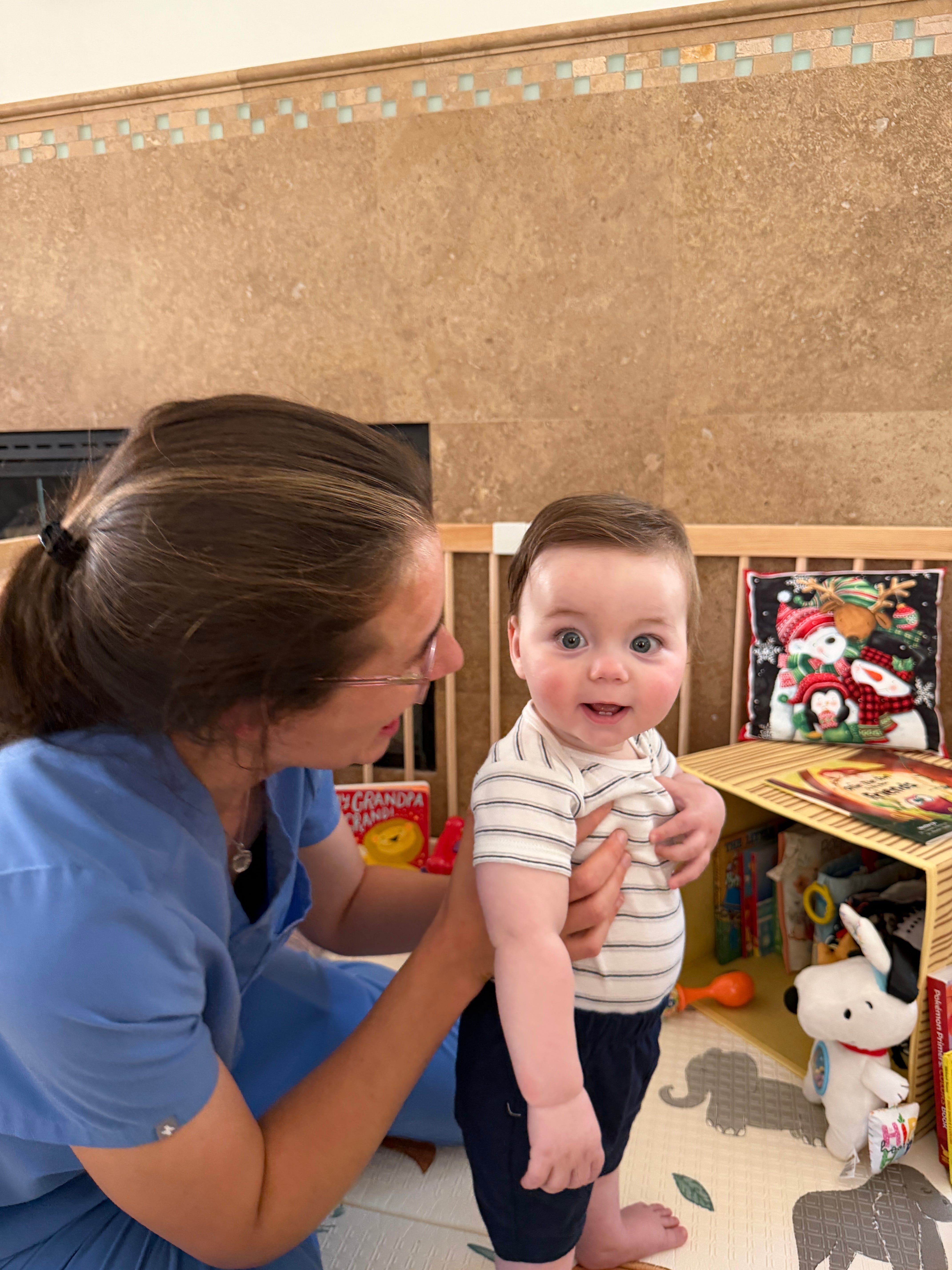
We also had Leo’s pediatrician visit. He’s doing great overall, though he’s a little behind on standing and walking, and we’re working on getting him more upright and on his feet. Trying not to ruminate on it too much, but if any of you have tips that worked for your little ones, send them my way — genuinely all ears.
Okay. Onto today’s topic.
Below is a self-quiz based largely on the 14 modifiable risk factors identified by the Lancet Commission on Dementia — the most comprehensive global research body looking at what we can actually control when it comes to brain health — plus two bonus categories I added because the evidence behind them is too strong to leave out.
First, a quick disclaimer… this is not an official, validated screening tool. It will not diagnose anything. Think of it more as a mirror — a way to see, honestly, where you’re doing well and where there might be room to grow.
Answer yes or no to each. Tally your yeses at the end. Then we’ll talk.
1. Cognitive Engagement
Are you actively learning something new on a regular basis? This isn’t about ten minutes of Wordle or Sudoku — those are fine, but they’re maintenance, not growth. I’m talking about learning a language, picking up an instrument, starting a new hobby like gardening or tennis — something that genuinely challenges your brain to build new connections.
→ Yes / No
2. Hearing
Are you staying on top of your hearing health — getting it checked periodically, using hearing aids consistently if you need them, AND wearing hearing protection in loud environments (concerts, power tools, etc.)?
→ Yes / No
3. Vision
Have you had your vision checked within the last year, AND are you using corrective lenses if needed?
→ Yes / No
4. Cholesterol
Have you had your cholesterol checked in the last year, AND is your LDL below 100 mg/dL?
→ Yes / No
5. Mood
Are you free of depression, or if you’ve experienced depressive symptoms, are you currently being treated for it?
→ Yes / No
6. Head Injury History
Have you avoided significant head trauma, or if you’ve had a concussion or loss of consciousness from a fall, have you taken steps to support recovery and monitor any lasting effects?
→ Yes / No
7. Physical Activity
Are you getting at least 150 minutes of moderate exercise per week, PLUS 1-2 sessions of resistance training?
→ Yes / No
8. Blood Sugar
Have you had your A1C and fasting glucose checked in the last year, AND is your A1C below 5.7% (and fasting glucose under 100 mg/dL)?
→ Yes / No
9. Nicotine
Are you free of cigarettes, vapes, and other tobacco or nicotine products?
→ Yes / No
10. Blood Pressure
Do you know your blood pressure, AND is it generally below 130/80?
→ Yes / No
11. Weight
Are you maintaining a healthy weight for your body?
→ Yes / No
12. Alcohol
Are you keeping alcohol to one drink or less per day (or avoiding it altogether)?
→ Yes / No
13. Social Connection
Do you have at least a few meaningful social connections you engage with regularly — not just digitally, but in real conversation?
→ Yes / No
14. Air Quality
Do you live in an area with relatively low air pollution? This one is largely outside your control, so don’t be too hard on yourself here — just worth being aware of.
→ Yes / No
15. Sleep (Bonus)
Are you consistently getting good quality sleep, generally seven or more hours a night, without significant disruptions?
→ Yes / No
16. Diet (Bonus)
Is your diet generally aligned with a Mediterranean or MIND-style pattern — plenty of vegetables, fish, nuts, olive oil, whole grains while avoiding ultraprocessed foods?
→ Yes / No
Scoring
Add up your yeses. Again, this is not an official or validated scoring system — just a quick gut check for the purposes of this newsletter.
15–16: Strong foundation. You’re doing the vast majority of what the evidence supports. Keep going!
10–14: Room to improve. You’re doing well in some areas, but there are clear opportunities to close some gaps.
Below 10: Let’s talk. Not a reason to panic — but probably a sign that a more structured, personalized plan could genuinely help.
If you landed in that last category, or just want a more thorough version of this audit done with bloodwork, cognitive screening, and a personalized plan behind it — that’s exactly what I do in my memory clinic.
I build a personalized plan you can follow at your own pace, with check-ins along the way — including a full psychiatric evaluation, cognitive testing, bloodwork for reversible causes of dementia, a medication and supplement reconciliation, and a 14-point personalized brain health treatment plan, with unlimited questions and messaging in between.
Right now, I’m only able to offer this to people in California, New York, or Florida. I hope to bring this nationwide soon — so if you don’t live in one of those states yet, keep following along, and I’ll keep providing as much value as I can either way.
Set up a free call with me below to learn more:
How’d you score? Curious to hear in the comments.
Disclaimer: This newsletter is for general informational and educational purposes only. It is not medical advice, diagnosis, or treatment, and should not be used as a substitute for professional medical care. Nothing in this publication creates or implies a doctor-patient relationship with me, and reading or interacting with this newsletter does not make you my patient. The information shared here may not be applicable to your personal health, medical history, or circumstances. If I cite patient examples in this newsletter, the information has been changed to protect patient privacy. Do not use this content to make decisions about your health or delay seeking professional care. Always consult your physician or another qualified healthcare professional before starting, stopping, or modifying any treatment, medication, supplement, or lifestyle practice. I make every effort to provide accurate, up-to-date, research-based information, but medicine evolves, details may change, and errors can occur. I cannot guarantee the completeness, reliability, or applicability of the content. Any actions you take based on this information are at your own risk. If you are experiencing a medical emergency, mental health crisis, or thoughts of self-harm, seek immediate help by contacting your healthcare provider, calling 988 in the United States, or going to your nearest emergency room.
No posts
Comments
Nothing yet. Say the first thing.
Sign in to join the conversation.