
Last week, my grandmother turned 102.

One hundred and two years old.
Bubbie’s brain is incredible. Not an ounce of cognitive decline. She’s sharp as a tack.
I will call her on the phone and she will say, without missing a beat: “It has been eight days since I last heard from you.”
That is the kind of mind we are talking about.
She has outlived everyone she grew up with. She has watched the world change in ways that would be unrecognizable to her younger self. And she has done it all with her brain fully intact.
As a psychiatrist who runs a memory clinic — whose professional life is devoted to helping people reduce their risk of dementia and protect their cognitive health — I find her fascinating. And every time I talk to her, I try to soak up as much wisdom as I can.
Today I want to share some of that wisdom with you.
On her 100th birthday, I interviewed her about her secrets to longevity.
1. “Mind Your Own Business.”
This was her number one answer. She repeated it about six times throughout the interview. She has never wasted energy comparing herself to others or worrying about what anyone else was doing. In an era of curated social media perfection, that advice could not be more relevant.
2. “Take Care of Your Body.”
She never smoked. Never drank. She exercised well into her 90s — riding a stationary bike. She is religious about brushing her teeth 3 times a day. Her diet throughout her life was not what I would have predicted however… limited fruits and vegetables, plenty of microwavable meals, and she often skipped breakfast. That is not what I recommend to my patients, but, go figure.
3. “Be Kind to Your Partner.”
My grandparents were married for many years. She cared for my grandfather through his cancer diagnosis and stayed by his side until the very end.
4. “Take It Day by Day.”
She lived through the Great Depression, Pearl Harbor, World War II and the Pandemic. This too shall pass. Do not get swept away by stress. Take life one day at a time.
5. “Make Your Own Happiness.”
When I asked her how to find happiness in life, she looked straight at me and said: “You have to make it on your own.”
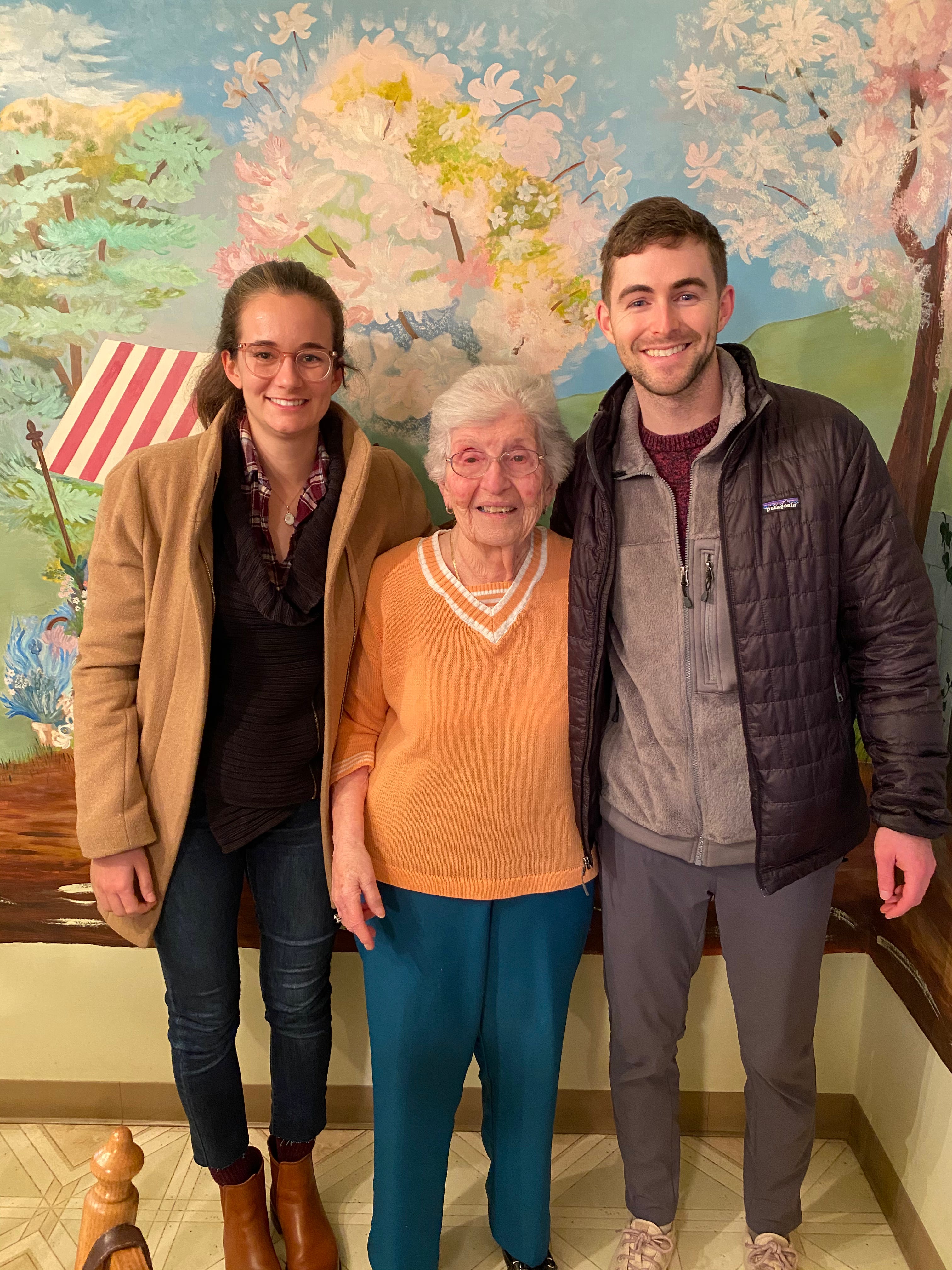
Happy 102nd birthday, Bubbie.
Bubbie’s longevity is extraordinary. But living longer only matters if your brain comes with you.
As a psychiatrist who specializes in memory and brain health, my focus is helping people not just live longer — but bring their brains along for the journey.
The research is clear: up to 45% of dementia cases may be preventable or delayed by addressing modifiable risk factors. Most people have never been told what those factors are or what to do about them.
If you are concerned about memory changes, there are two ways I can help.
Subscribe to the newsletter
Paid subscribers get the highest level of education I can offer outside of working with me as your psychiatrist directly — the kind of content I share with patients in my memory clinic. Below, we dive into the 14 evidence-based strategies I teach my patients to reduce their risk of dementia.Work with me directly.
If you live in California, Florida, or New York, I can create a customized brain health plan for you — starting with a full evaluation, a clear baseline, and a practical plan built around your specific risk factors.
Now let’s dive in.
These are the specific, evidence-based strategies I build personalized plans around for every patient I see. Each one has a meaningful body of research behind it.
1. Combine Cardio and Resistance Training
This is one of the most evidence-backed lifestyle interventions for brain health.
Cardiovascular exercise increases blood flow to the brain and boosts BDNF — brain-derived neurotrophic factor — a protein that supports the growth and resilience of brain cells. Resistance training preserves muscle mass, reduces fall risk, improves metabolic health, and has its own independent cognitive benefits.
I advise my patients to aim for 150 minutes of cardio per week and 1-2 resistance training sessions per week on average.
2. Do a Full Medication and Supplement Reconciliation
Several commonly used medications can quietly contribute to cognitive decline — anticholinergics like diphenhydramine found in Benadryl and most over-the-counter PM sleep products, benzodiazepines like Xanax and Ativan, and Z-drugs like Ambien and Lunesta. Many people have been taking some of these for years without realizing the cognitive risk.
I go through every prescription, every over-the-counter product, and every supplement with my patients. I assess what might be contributing to symptoms and what safer alternatives exist.
If you have not done this recently with a clinician who knows what to look for — this is worth doing.
3. Get the Right Blood Work Done
This is one of the most impactful and most overlooked steps in brain health. I run the following panel on almost every new patient before drawing any conclusions about their cognition:
Comments
Nothing yet. Say the first thing.
Sign in to join the conversation.