
During my residency training, I was fortunate to work with patients in their sixties, seventies, eighties, and nineties. I’ve seen two very different versions of aging. The 92-year-old retiree who loves life, gardens every day, travels, and has a brain as sharp as a tack. And the opposite — a 68-year-old admitted to the hospital for failure to thrive, bed-bound, with a brain MRI that literally showed atrophy across several brain lobes.
I’ve seen the body remain long after the mind has left. I’ve seen what it does to a person, and what it does to the people who love them. It is one of the most devastating things I’ve witnessed in medicine, and I’d guess many of you reading this have seen it too — in a parent, a grandparent, a friend.
Living longer is only a gift if your mind comes with you.
So today, I want to share six things I would do immediately if I wanted my brain to outlive my body — six concrete things you can start today. I’ll tell you exactly how I do it and exactly what I tell patients in my memory clinic.
Quick life update first:
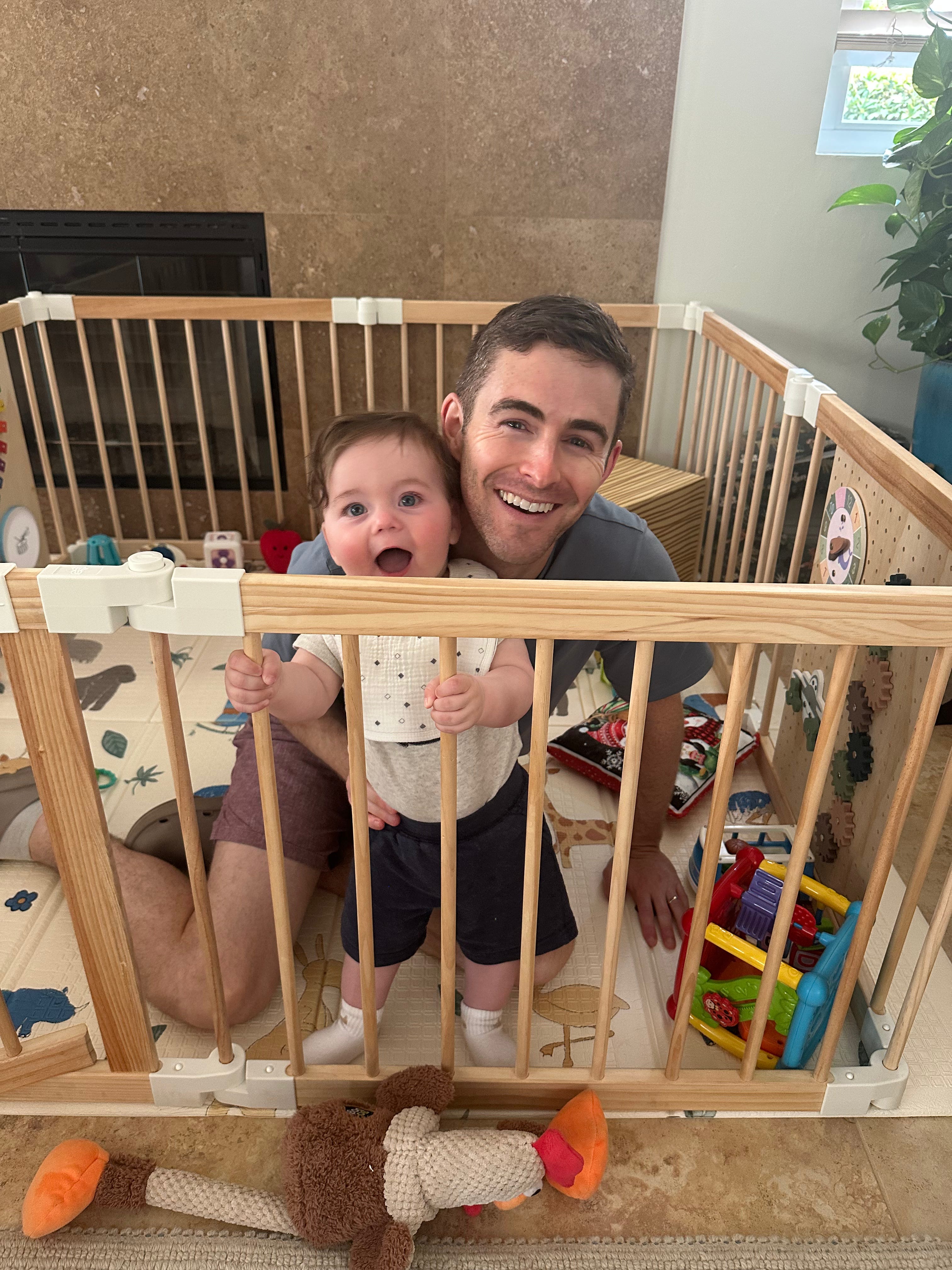
Thank you all for the tips on getting Leo moving. Last week I mentioned his pediatrician flagged him as a bit “behind” on crawling and gross motor skills — standing with support, cruising, that kind of thing. We’ve been working with him every single day, and he’s been doing way more army crawls this week and even taking a few supported steps. He’s doing awesome. Thank you, both for the practical tips and honestly for the reassurance that we’re not doing anything wrong.
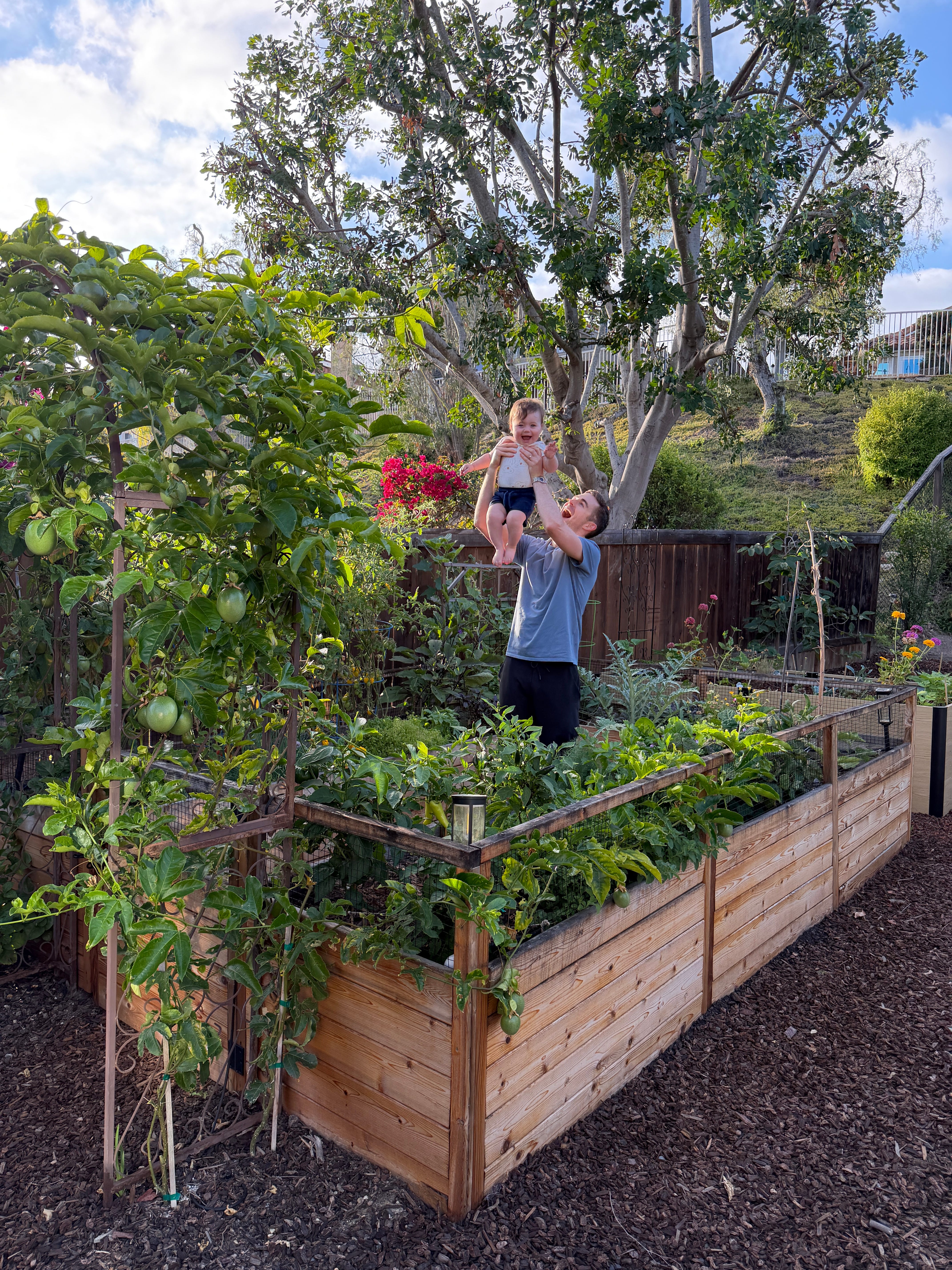
My garden is also officially on fire — for the first time in my (young) gardening career, I have too much to eat. Incredible problem to have. I’m not at the point where I can donate meaningfully to people in need yet, but I started giving cucumbers and tomatoes to neighbors this week.
Last thing — I’ve been doing a lot of thinking about how to bring what we do in my memory clinic to more of you, nationwide and honestly internationally. Nearly every day, someone reaches out asking if I can see them or a loved one in their state, and right now I’m limited to California, Florida, and New York. One option I’m seriously considering is a brain health course I’d lead myself, topic by topic, walking you through everything you need to be doing to protect your brain for the long haul. Nothing is finalized, but I wanted you to know I’m actively working on it. Thanks for your patience — I’ll keep you posted.
Okay. Let’s get into it.
1. Fight inflammation through food as medicine — and the science just got a lot more specific
A study published this month in JAMA Network Open (Diet Quality and Dementia Risk in Older Adults with Alzheimer Pathology) looked at nearly 19,000 older adults over eight years who had baseline blood biomarkers for Alzheimer’s-related changes — phosphorylated tau 217 (p-tau217), neurofilament light chain (NfL), and glial fibrillary acidic protein (GFAP). In plain terms, these are people carrying a high biological load for developing Alzheimer’s — genuinely high risk.
Here’s what stood out to me: even in people who already had these elevated biomarkers — meaning the biology of Alzheimer’s had already started shifting — following a low-inflammation eating pattern was associated with significantly lower dementia risk. How low?
Elevated p-tau217 + low-inflammation diet → 29% lower dementia risk
Elevated NfL + low-inflammation diet → 21% lower dementia risk
Elevated GFAP + low-inflammation diet → 27% lower dementia risk
We’ve known for a while that Mediterranean-style eating is associated with better brain health. What we didn’t know as clearly is whether diet still matters once the biology of Alzheimer’s has already started changing. This study suggests it does.
So what does a lower-inflammation pattern actually look like? It’s not complicated.
MORE…
Fruits (in particular, berries)
Vegetables
Nuts, seeds, legumes
Whole grains.
Fish & lean meat
And LESS…
Red meat
Processed meat
Sugar-sweetened beverages
Fruit tends to be easy for people to add. Vegetables too, once you learn to cook them in a way you actually enjoy.
Nuts and seeds are where most people get stuck in my opinion, so here’s exactly how I do it: in the morning, I toss a sprinkle of sesame, pumpkin, chia, or hemp seeds into my granola or oatmeal — just one random seed that day, nothing complicated. At lunch, I add walnuts, pecans, or pistachios to a salad, again just picking one without overthinking it. And I try to get a handful of berries daily — blueberries, strawberries, blackberries, whichever I have on hand.
Just a small handful. Nothing complicated. Just consistent.
2. Do a full medication and supplement audit
Nobody talks about this one.
I see patients who come to my clinic having been on the same medication for 10+ years, presenting with the exact symptoms that medication is known to cause — and somehow, nobody had connected the dots yet. I've had patients on nightly Benadryl, Ambien, or Xanax for years whose memory complaints and daytime fog were, in part, the medication itself.
This isn’t about fear-mongering every prescription. It’s about someone actually sitting down, going through every medication and supplement you take, and asking: is this still serving you? Is the dose right? Is there a safer alternative? Could this be contributing to what you’re experiencing right now?
Most people have never had this conversation with anyone. It’s one of the first things I do with every new patient.
If you want the rest — physical training beyond just walking, what to cut completely, how I build cognitive reserve, and the full brain health audit I run with every patient — that’s below for paid subscribers.
Comments
Nothing yet. Say the first thing.
Sign in to join the conversation.