
One year ago today, I took the biggest risk of my career.
It was the scariest thing I have ever done.
Here is my story.
I wanted to be a doctor since I was five years old.
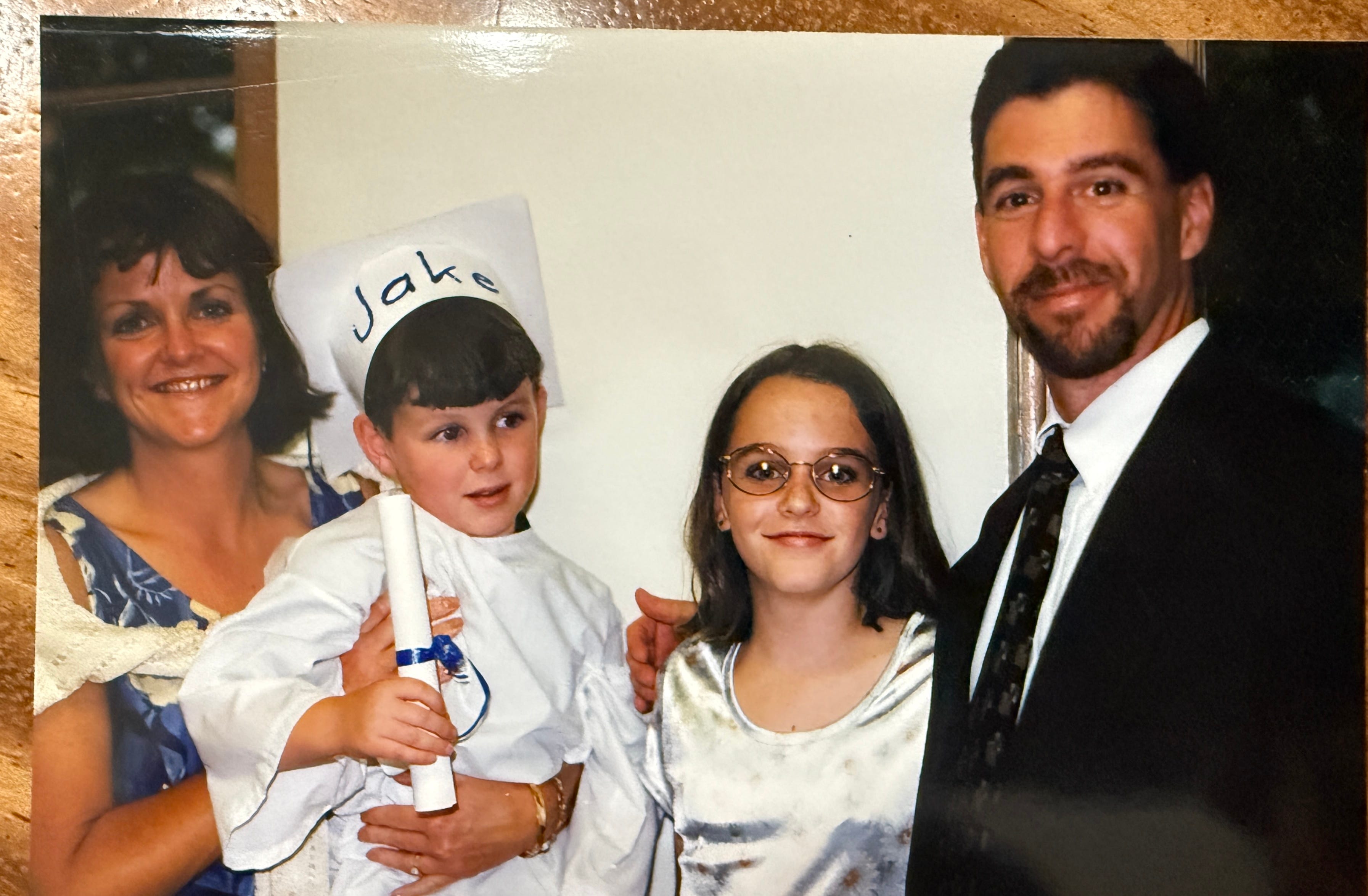
Growing up, doctors felt like superheroes to me. They saved lives. They were calm under pressure. They carried impossible weight and made it look effortless.
They didn’t break.
At least, that is what I believed.
In college, the symptoms started.
Chest tightness. Insomnia. Constant, low-grade stress that never fully lifted.
I saw a doctor at the student health center. Every blood test came back normal. Then he said: “This is probably anxiety.”
Anxiety? No way. Not me. I was going to be a doctor. And in my mind, doctors didn’t have anxiety.
So I did what so many future doctors do.
I ignored it. I pushed it down. I kept working.
At 22, I graduated college and applied to 25 medical schools.
Every single one rejected me.
I was crushed. I had built my entire identity around this dream. I had no backup plan. Just a certainty that had suddenly started to feel like a delusion.
But I refused to give up.
At 23, I drove Uber during the day and studied at night. I retook my MCAT. I rewrote every word of my application. I applied again.
At 24, I received the call that changed my life.
“Jake, you are accepted to medical school. You are going to become a doctor.”
On the first day of medical school, I met a girl. And she changed my life. We took a picture together during our White Coat Ceremony. It’s framed right next to me as I type this. But that’s a story for another day.
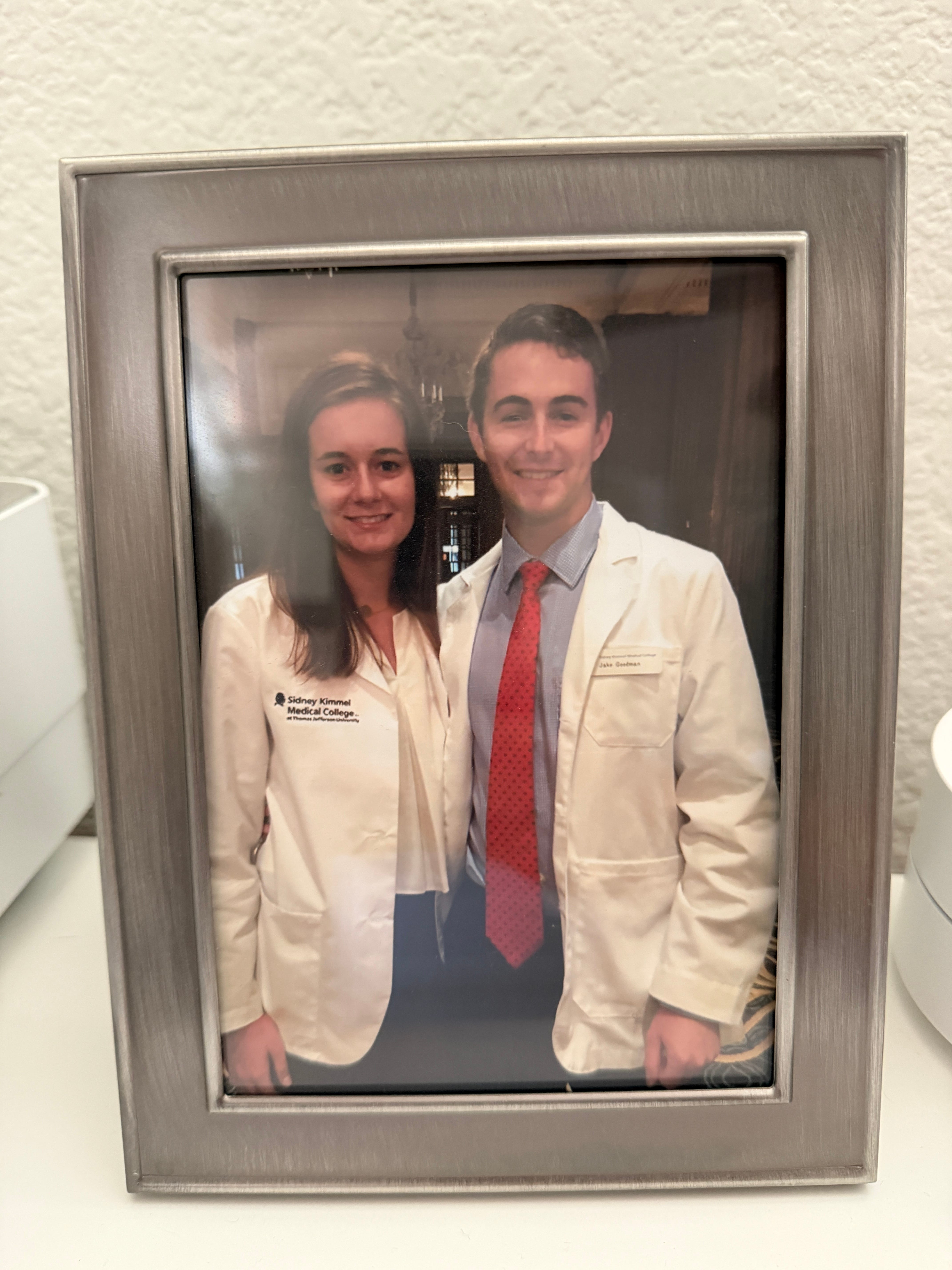
Medical school was everything I had worked for. I loved learning about the human body and how to heal those who are suffering. I woke up excited to learn each day. But medical school was also a pressure-cooker.
And the culture was exactly what I had already been practicing since college.
Push it down. Keep working. Don’t show weakness.
More pressure. More responsibility. More silence.
I was learning to treat mental health conditions in my patients while quietly pretending I couldn’t possibly have one.
Then, in my fourth year of medical school, I watched a patient pass away for the first time.
I was on a clinical rotation in the ER. We did everything right. It wasn’t enough.
I remember walking out of that room and not knowing what to do with what I was feeling. Nobody talked about it. Nobody pulled us aside and said: this is hard, and it is okay that it is hard. You just moved on to the next patient. You kept going.
I kept going.
That is what you learn to do in medical training.
But something cracked open that day that I did not have the language for yet.
Then came residency. My wife and I matched into the same hospital in the grueling process known as the couples match.
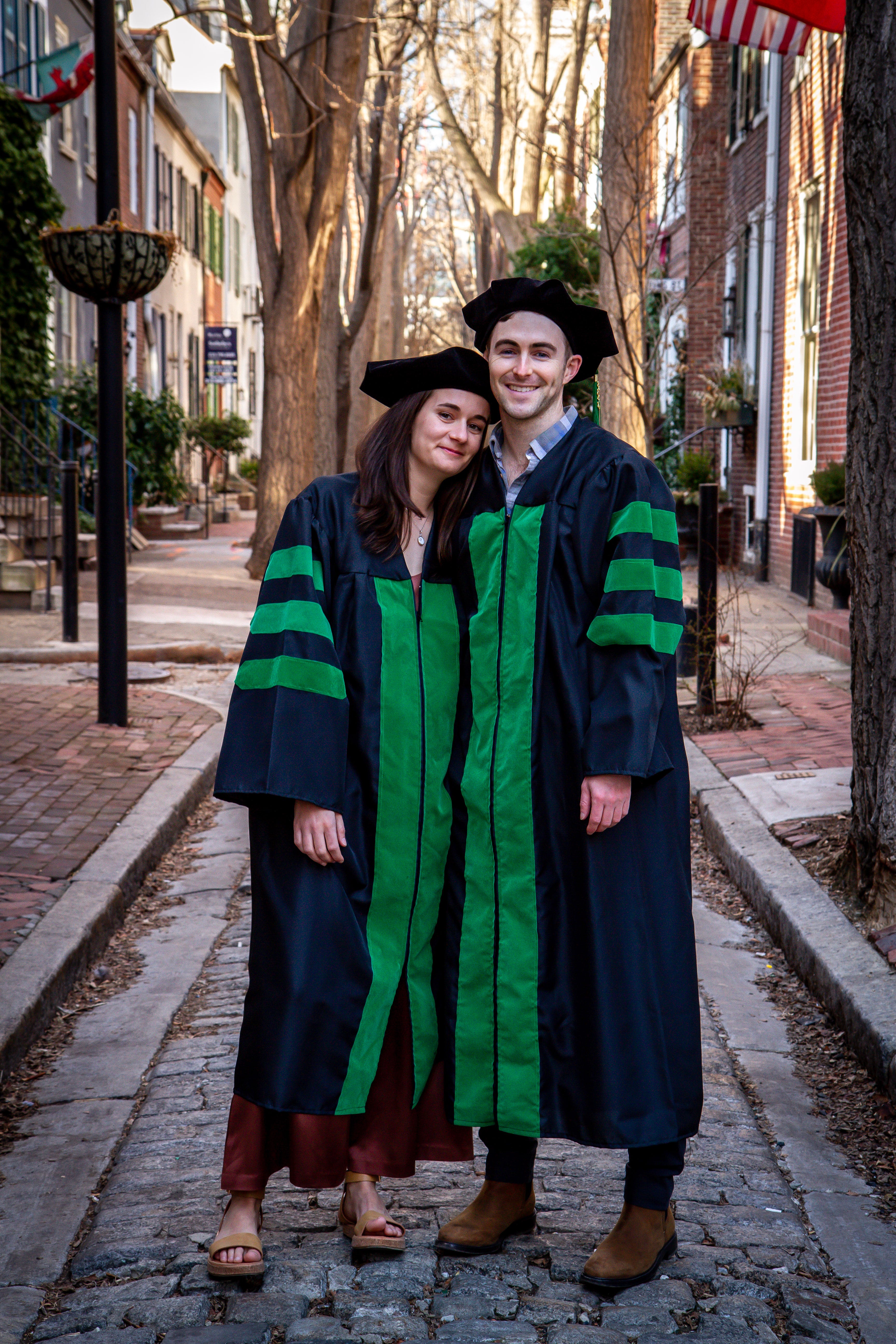
I did it. I became a resident doctor. My dream was coming true.
But then intern year broke me.
A few months in, I stopped feeling like myself. I was working in a safety net hospital, taking call in one of the busiest psychiatric emergency rooms in the country, caring for patients the system had failed long before they ever reached me. I gave all I had, every single day. And when I came home, there was nothing left in the tank. Looking back, I think what pushed me over the edge was a month of night shifts in October. Six nights a week for a month straight. My sleep collapsed. I stopped seeing the sun. I was in bad mental shape before that, but toward the tail end of that month, I stopped laughing. I stopped feeling joy. I felt isolated. Alone.
And then depression hit me like a brick.
I want to describe what that actually felt like, because most people picture depression as sadness. As crying. As being visibly down.
It was not that for me.
Depression felt like my soul had been sucked out of my body. I was a shell of myself. Going through the motions of seeing patients, writing notes, showing up, but feeling absolutely nothing behind any of it. Tunnel vision. Everything in black and white.
I remember going out to dinner with friends on my day off. Sitting there. Laughing at the right moments. Saying the right things. And feeling completely, utterly empty inside. Like I was watching myself from somewhere outside my own body.
I went to the beach. Nothing.
I went to play soccer, something that always brought me joy. Nothing.
Anhedonia. The clinical term for the inability to experience pleasure. I had used that word in patient charts dozens of times. Now I was living inside it.
And I still could not bring myself to say it out loud about myself.
The fear around physician mental health is real and specific. It is not just stigma in the abstract. It is the very real concern that disclosing a mental health condition could affect your medical license. Your career. Your reputation. That the people you work with will see you differently. That you will be seen as less capable. Less trustworthy. Less enough.
So I stayed quiet. And I got worse.
Then a friend said five words I will never forget.
“Jake, I think you’re depressed.”
My first instinct was denial.
Doctors don’t get depressed.
But then something shifted.
No. Doctors do get depressed. I was a doctor. But I was also a human being. And somewhere along the way, through the training, the culture, the silence, I had forgotten that the second part was allowed to be true at the same time.
So I got help.
I found a therapist. I found a psychiatrist of my own, which, as a psychiatry resident, required swallowing a particular kind of pride I did not know I had. I started medication. I did the unglamorous, unsexy work of actually getting better. It looked nothing like a movie montage. It looked like showing up to appointments exhausted. Like taking it one day at a time in the most literal sense of that phrase. I doubled down on caring for myself with the limited free time I had. Meditation every morning, even if it was just five minutes. I got back in the gym, even if it was just 10 to 15 minute sessions a few times a week. I forced myself to socialize even when I didn’t want to, because I knew it was healing for me. I made sure to eat the healthiest food I could.
Slowly, week by week, I started to feel like myself again.
The tunnel was widening.
And somewhere in the middle of that process, I made myself a promise.
I wanted to be the doctor I needed when I was younger.
Eventually, I shared my story publicly.
Depression and all. Medication and all.
Not because it was easy. It was actually terrifying. But I believed that if one person in healthcare read it and felt less alone, it was worth the discomfort.
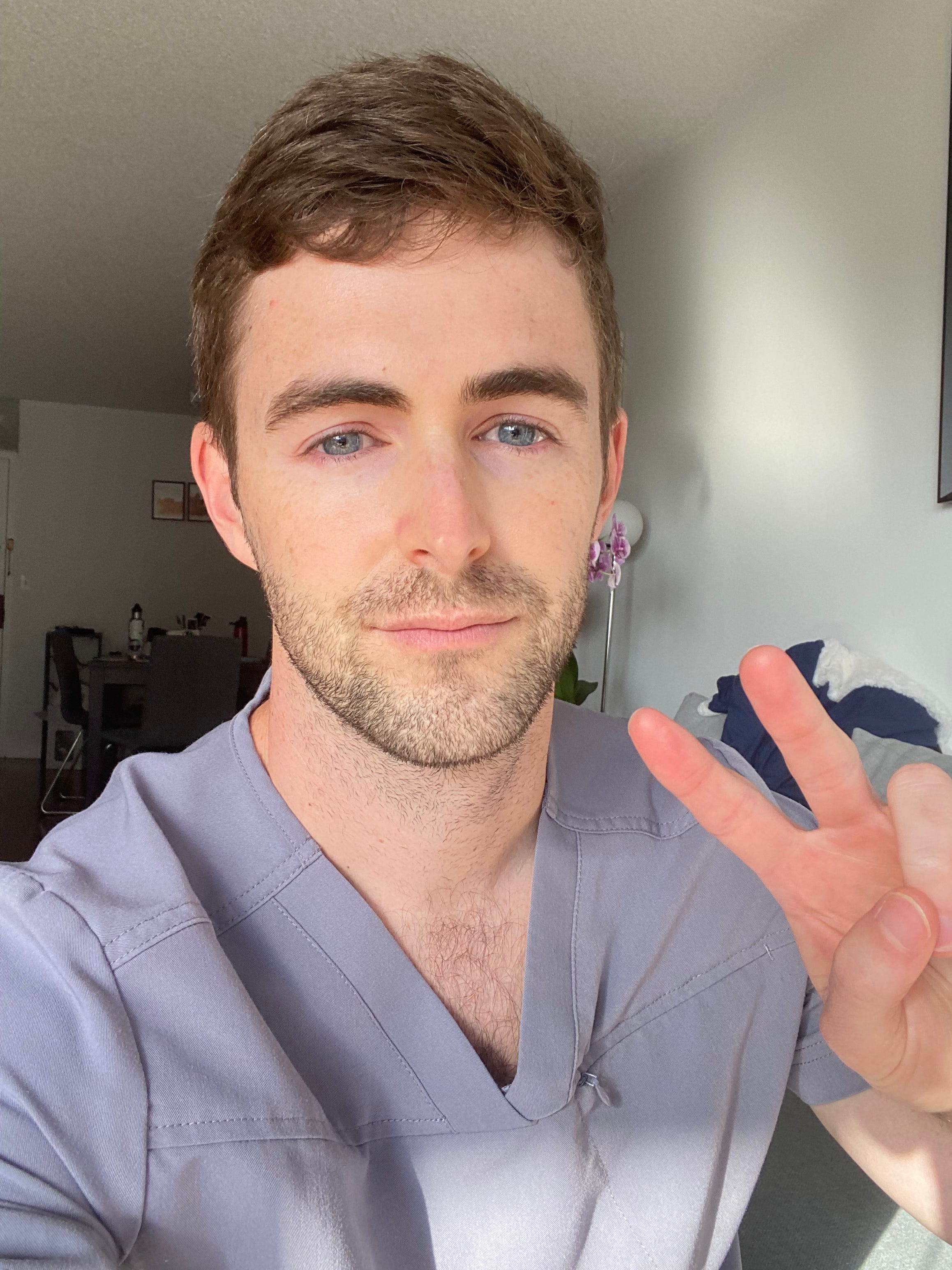
The post was accompanied by a selfie of me in scrubs, with an antidepressant pill in my mouth, and a caption that read:
“The stigma is rampant in the medical field. Opening up about your mental health as a medical professional, especially as a doctor who treats mental illness, can be taboo. As a doctor training to be a psychiatrist, most in the field would counsel me to not post this. Some would view it as a risk for my career. But I didn’t join this field to continue the status quo. I am part of a generation of doctors, nurses, and other health care professionals who are not afraid to be vulnerable and discuss mental health. Many consider me a leader in this generation. So here’s me leading by example. My name is Dr Jake, I’m a physician who treats mental illness, and I take medication for my mental health. And by the way, I’m proud of it. Medications aren’t for everyone, but they can be a powerful tool in combination with therapy and other self-care techniques to treat mental health issues. If this post helped you, please consider sharing it with a friend or loved one.”
Within 24 hours, the post was seen by millions and shared around the world.
To this day, I still get stopped in random places like airports because of this post. Healthcare workers thanking me for taking a risk and helping them feel seen.
So why did I post this? It would have been easier to continue posting about mental health from a distance, never implicating myself in the messiness.
I shared my story to be the doctor I needed to see when I was young, dreaming about what my life would look like as a physician.
Then, four years later, only days away from graduating residency and truly completing my life's journey to become a psychiatrist, I made a decision. I knew what I wanted to do after graduation. And it wasn't going to be easy. It was going to be the scariest thing I've ever done, even scarier than posting about my mental health.
The thing is, I knew who I wanted to serve.
Healthcare workers running on empty and calling it dedication. Nurses absorbing other people’s trauma with nowhere to put their own. Surgeons who had not taken a real vacation in years because the system had taught them that rest is weakness. Doctors who could identify every warning sign of burnout in their patients and were completely blind to it in themselves.
You spend your life caring for everyone else.
But who cares for you?
So on July 1st, 2025, the day after I graduated residency, I opened my own psychiatry practice, Goodman Psychiatry.
Built for healthcare workers.
Doctors. Nurses. PAs. Dentists. Therapists. Social workers. Speech and language pathologists. Dietitians. Veterinarians. Anyone in healthcare.
It was the scariest thing I have ever done professionally. No guarantees. No safety net. Just a belief that this was exactly what I was supposed to do.
Today marks one year since I launched my practice for healthcare workers. And it’s thriving.
I want to tell you about some of the moments from this year that I will carry with me for the rest of my career. Details have been changed to protect privacy, but the moments are real.
The surgeon who had not taken a real vacation in years. Completely burned out, running on obligation and adrenaline. We worked together for months. He went on his first real vacation. He came back and told me he had forgotten what it felt like to be a person outside of his job.
The medical student with crippling test anxiety who needed to pass their boards to move their career forward. We worked on it together. They passed. They cried when they told me.
The nurse I supported through a brutal divorce and an impossible life transition, who somehow kept showing up for her own patients through all of it. I got to sit with her in the hard moments and celebrate with her in the good ones.
And the social worker who received an ADHD diagnosis that changed her life. She spent decades believing she was undisciplined or not trying hard enough. Then she finally got properly evaluated, got the right diagnosis, and started treatment. She came back and said: “Is this how other people’s brains work?”
This has been the journey of a lifetime.
Thank you for being part of it.
Here’s to one year in practice!
If you are a healthcare worker in California, Florida, or New York who has been quietly running on empty, I would love to talk. Just a conversation about where you are and whether I can help.
Schedule a Free Call With Me Here
And if you are not a healthcare worker, or not in those states, thank you for being here. If this story moved you, please consider sharing it. Somewhere out there is a doctor or nurse quietly running on empty who needs to read this. You might be the reason they do. The share link is below.
I appreciate you taking the time. I will keep showing up every Sunday.
Here’s to year two.
— Dr. Jake Goodman
Disclaimer: This newsletter is for general informational and educational purposes only. It is not medical advice, diagnosis, or treatment, and should not be used as a substitute for professional medical care. Nothing in this publication creates or implies a doctor-patient relationship with me, and reading or interacting with this newsletter does not make you my patient. The information shared here may not be applicable to your personal health, medical history, or circumstances. If I cite patient examples in this newsletter, the information has been changed to protect patient privacy. Do not use this content to make decisions about your health or delay seeking professional care. Always consult your physician or another qualified healthcare professional before starting, stopping, or modifying any treatment, medication, supplement, or lifestyle practice. I make every effort to provide accurate, up-to-date, research-based information, but medicine evolves, details may change, and errors can occur. I cannot guarantee the completeness, reliability, or applicability of the content. Any actions you take based on this information are at your own risk. If you are experiencing a mental health crisis or thoughts of self-harm, seek immediate help by contacting your healthcare provider, calling 988 in the United States, or going to your nearest emergency room.
No posts
Comments
Nothing yet. Say the first thing.
Sign in to join the conversation.