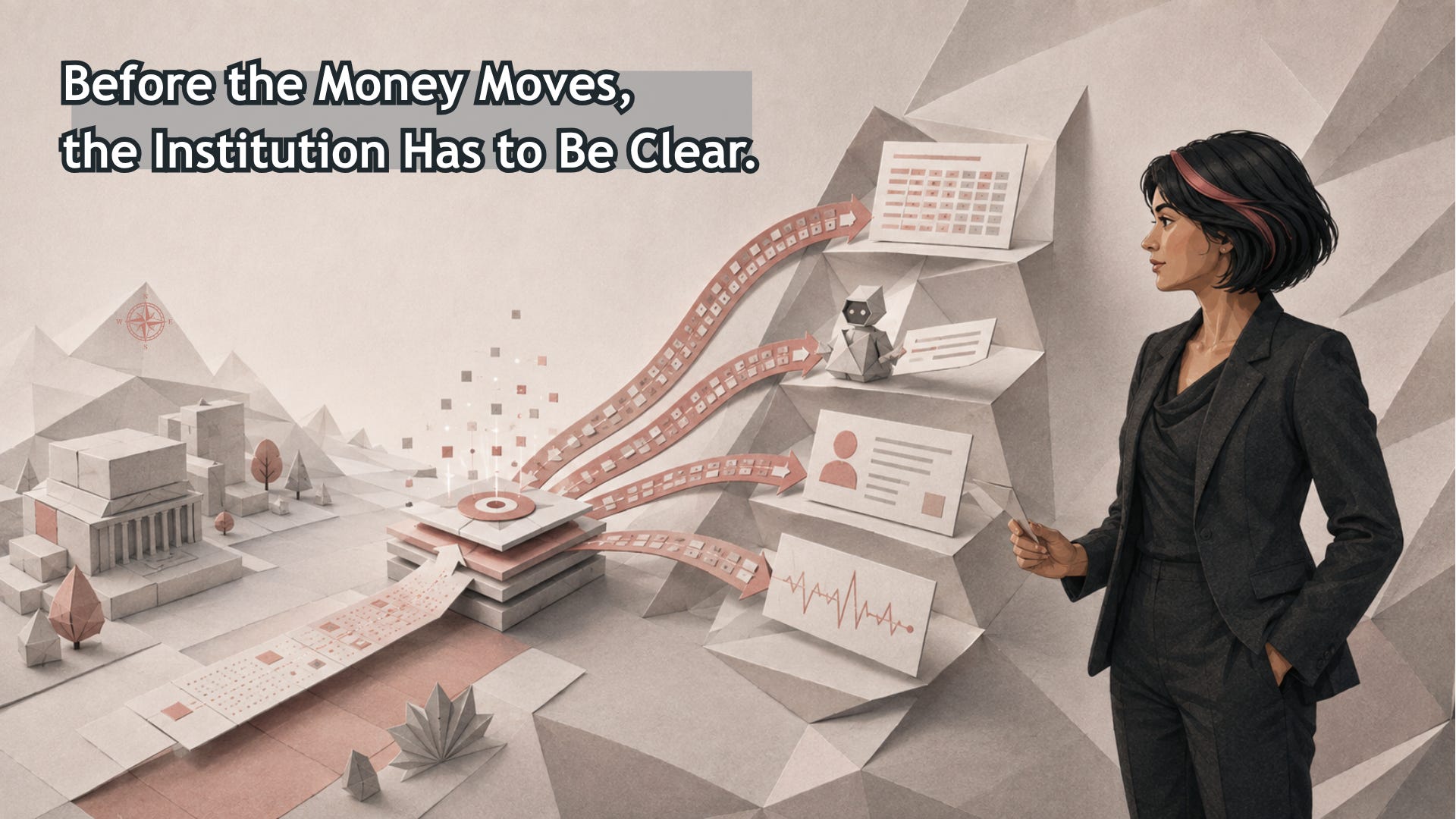
Before the Money Moves, the Institution Has to Be Clear
Technology will keep changing. The question is whether your institution’s policies and controls can still influence the transaction while there is time to act.

Independent thinking on payments modernization for financial institutions, focused on instant payments, risk, architecture, liquidity, and AI. Designed to help senior leaders navigate complexity with confidence.
Live Last read · last published · next check
Technology will keep changing. The question is whether your institution’s policies and controls can still influence the transaction while there is time to act.
A year of showing up every Wednesday, being human, and trying to help. Now I want to hear from you: has it made a dent?
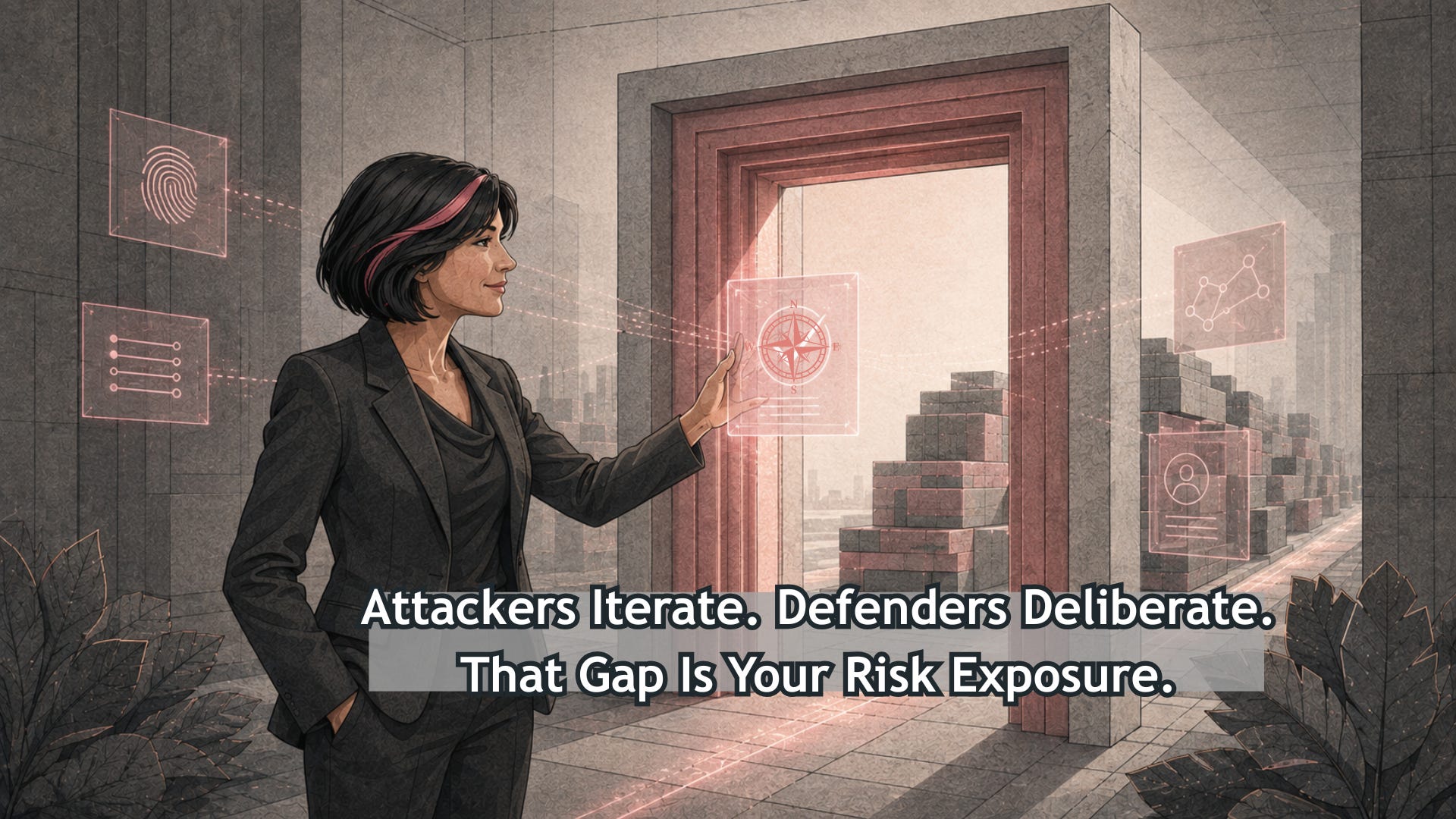
Attackers change their scam tactics in minutes. Many payment fraud reviews happen the next morning. Guess who wins.
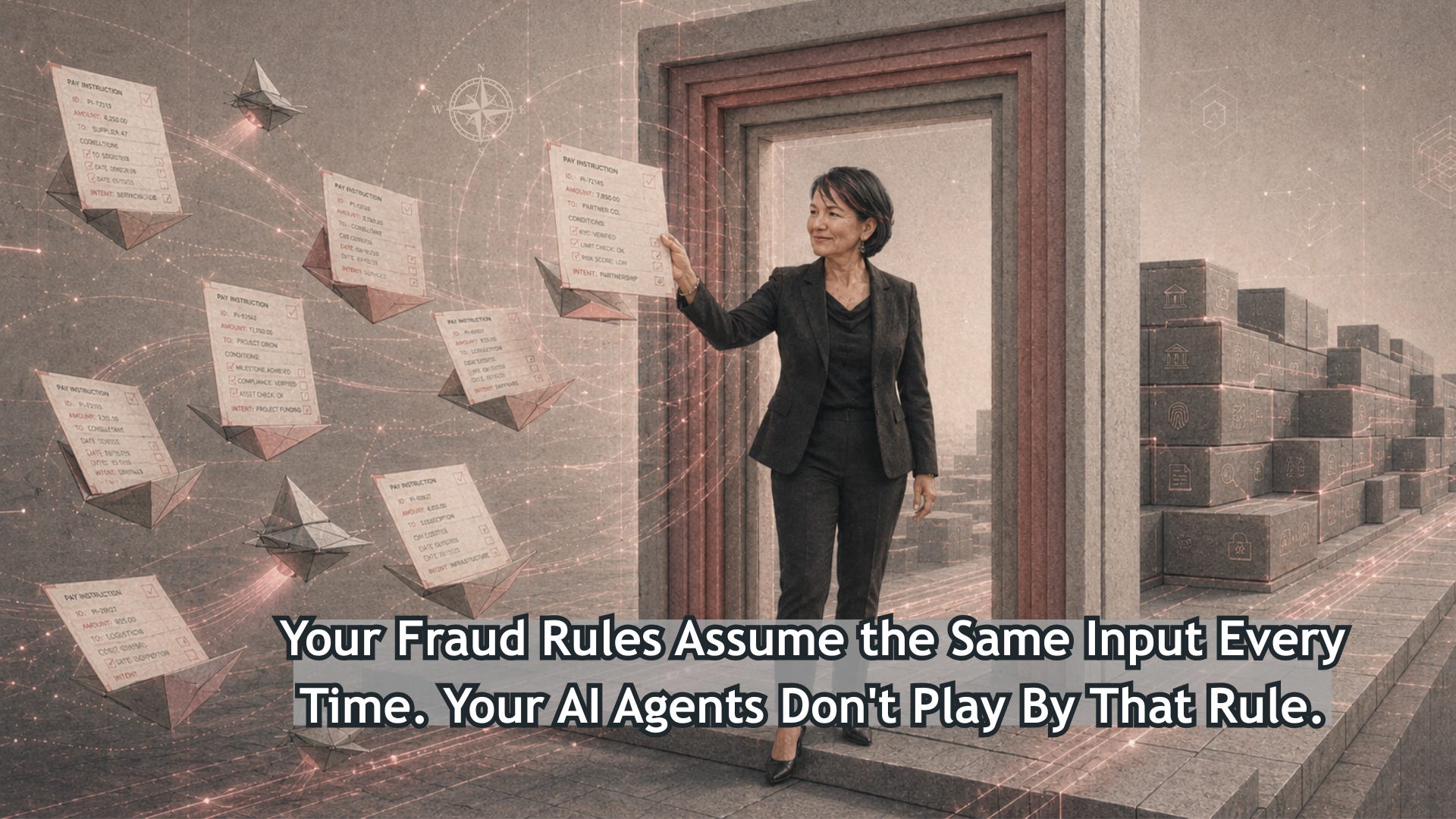
Your fraud controls assume the same input produces the same output. AI agents don't work that way, and that gap is the risk no one's named yet.
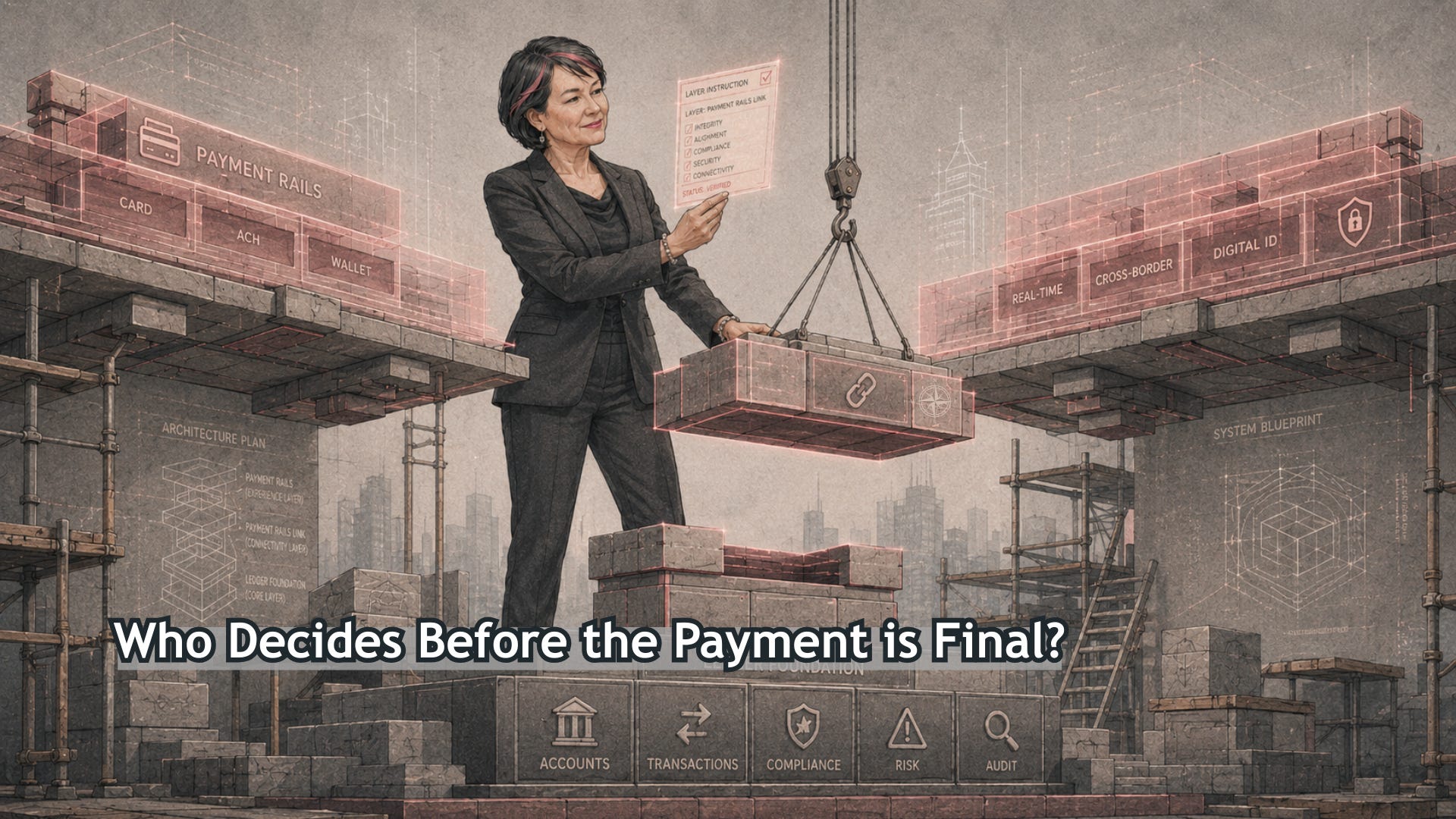
AI agents are beginning to move money. Most financial institution architectures still have no defined place to evaluate the decision before settlement.
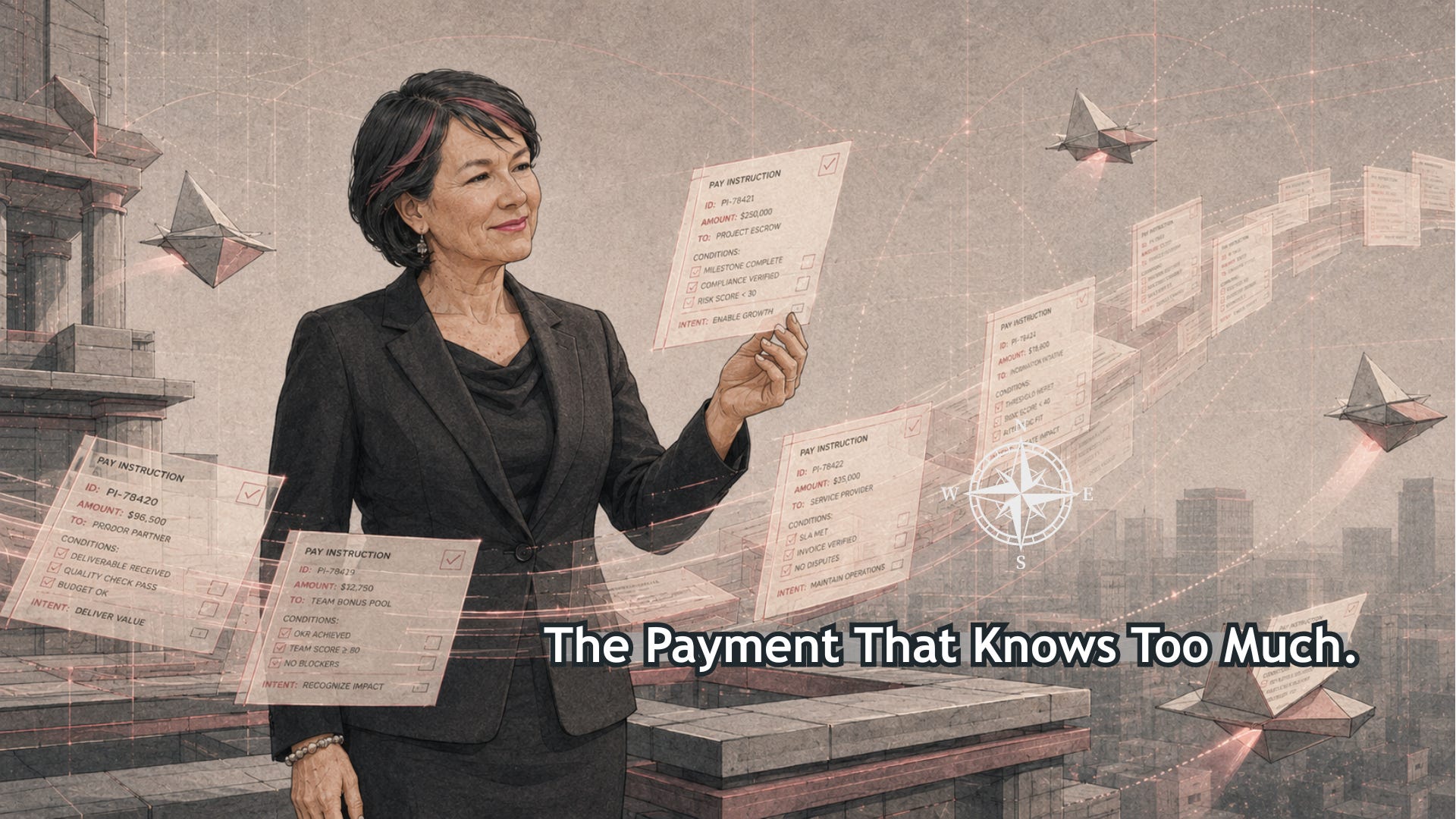
A payment used to carry two facts: how much and where. The one crossing your rails now carries why, and often no person authorized it at all.
Going live on Send was never the finish line. The real test is whether your institution can reuse what it already built.
Open USD. MiCA enforcement. GENIUS Act rules. Three events in 18 days, all pointing to the same structural reality about your payment rails.
Tokenized deposits and stablecoins depend on the same fiat rails your institution governs today. Most banks haven’t finished building that governance layer. The next product wave assumes they have.
You built the rail. You built the governance. You built the switchboard. Nobody built the offer.
A treasury AI initiates payroll at 11:47 PM. Your fraud model flags it, and it's not wrong to. But behavior alone can't tell a governed agent apart from an attack. The signal that separates them is already in the message.