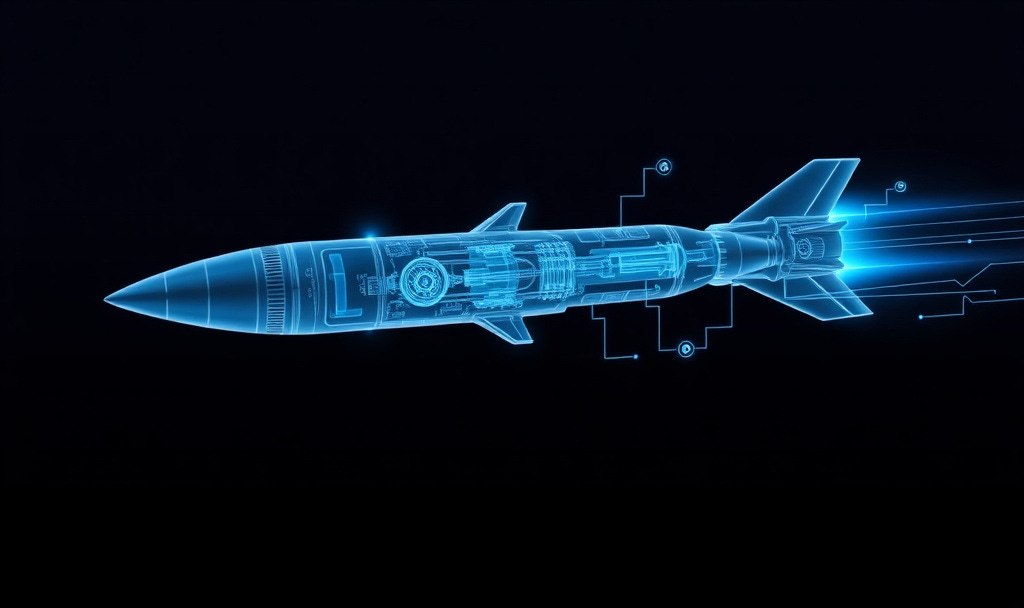
Supply Chain Anatomy: AIMs
The rise of drone warfare, along with the technological edge in the race to assure aerial supremacy, has nations scrambling for air defence. There aren't enough rounds in the rack for everyone.

Independent analysis of Australian and Indo-Pacific national security, strategy, and statecraft. Named authorship, sourced argument, no institutional line.
Live Last read · last published · next check
The rise of drone warfare, along with the technological edge in the race to assure aerial supremacy, has nations scrambling for air defence. There aren't enough rounds in the rack for everyone.
NASAMS have shown their worth in Ukraine, and now the ammunition can't keep up.
Continuing the argument from The Cyber Strategy Trap, the AI–cyber problem has fallen between portfolios. Settling who owns it means first settling what owning it would take.
Rafael's Spike LR2 is set to be crucial to Australia's anti-tank capability in the field, but hasn't managed to develop any genuine level of local production that ongoing usage will require.
Australia’s cyber strategy has been busy measuring its own delivery. The other players have changed the rules.
Australia's forthcoming Kongsberg factory deepens critical supply chain options, both for Australia and for Kongsberg's global customers. It doesn't necessarily increase sovereign capability.
Three economic philosophies, one government, and no stable solution.
Australia's universities cannot adapt to AI. Every lock has the same keyholder.
The Department of Defence's control over Australia's execution of AUKUS has done more to hinder than aid Australia's ability to gain from the trilateral arrangement.
AI removes the utilitarian argument for universities at the exact moment the democratic argument is the only one left.