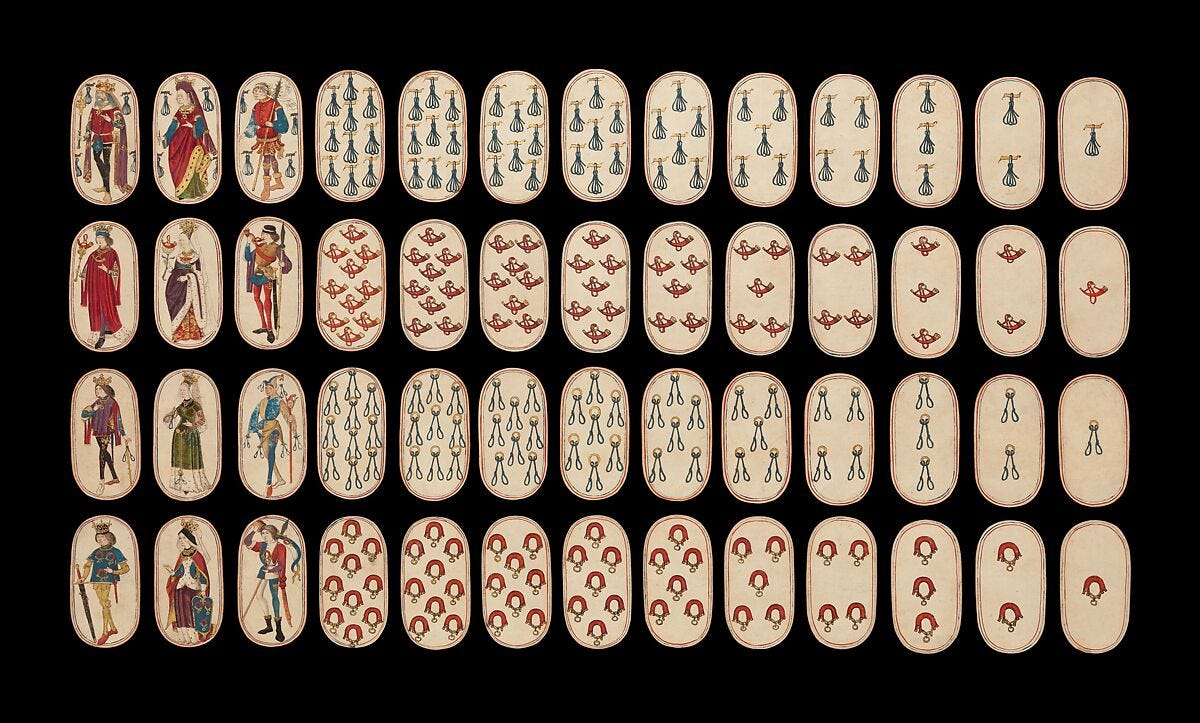
The Deck Nobody Played
Fifty-two cards from the 1470s, in near-perfect condition. That is the problem, and also the reason they exist.

Museum objects and the stories the labels leave out. Filthy means caked in everything that has happened to them.
Live Last read · last published · next check
Fifty-two cards from the 1470s, in near-perfect condition. That is the problem, and also the reason they exist.
Nobody knew who she was until 2004, when a stained-glass historian noticed some squirrels in a window
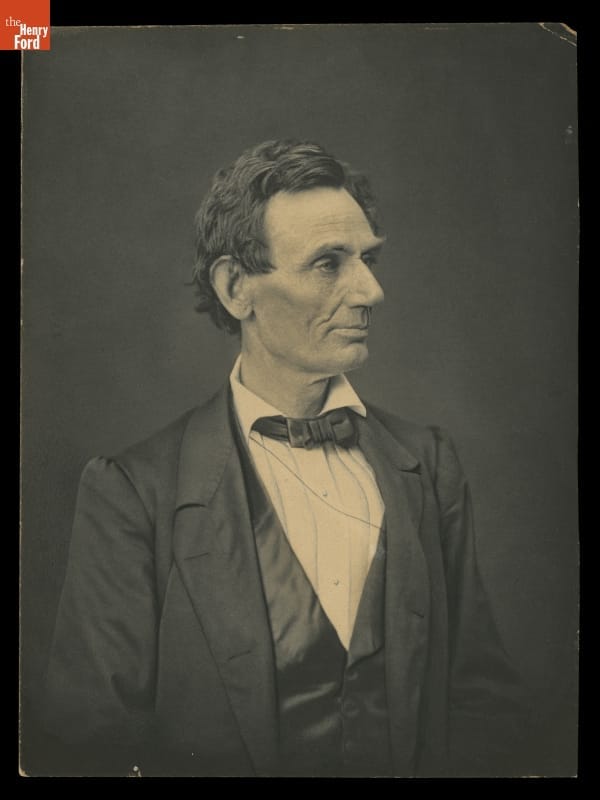
A photograph of Lincoln before the beard, before the war, before any of it. The face lasted months. The plate that recorded it lasted seventy-three years, and then someone mailed it.
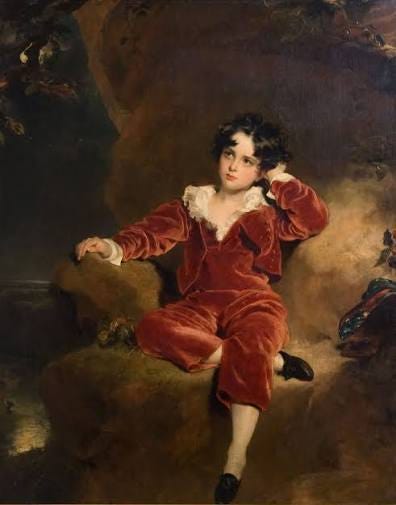
A father commissioned a portrait of his son and heir. The boy died at thirteen, and the picture became the most reproduced image of a child in Britain.
She did almost all of her collecting in seven years of widowhood. It was one of the great American collections, and it was sold off in a week.
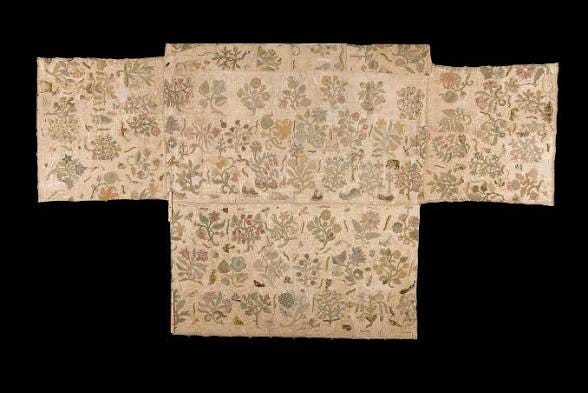
Elizabeth I owned thousands of gowns. One survives, and only because somebody cut it up.
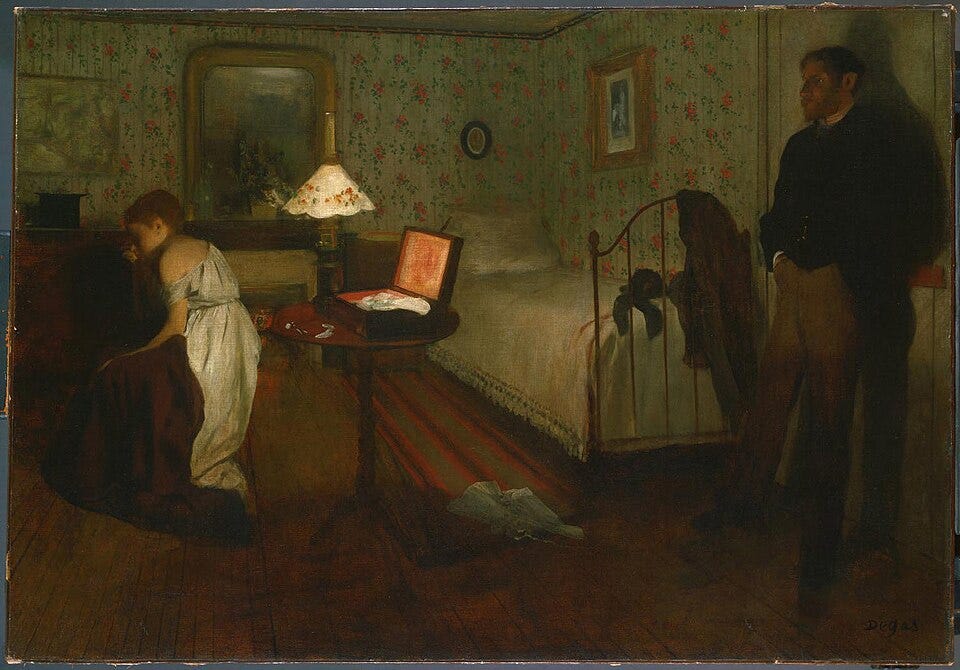
Degas painted one picture unlike anything else he made, kept it for thirty-five years, and never said what was happening in it.
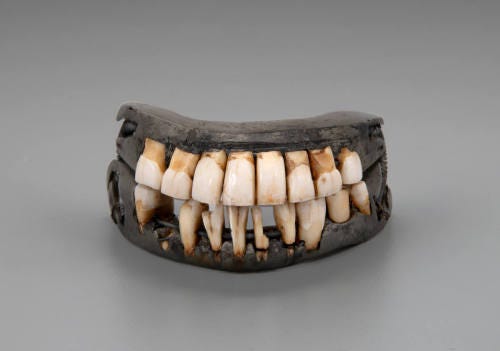
Everyone knows Washington’s teeth were wooden. They weren’t, and the truth is worse than the myth was built to hide.
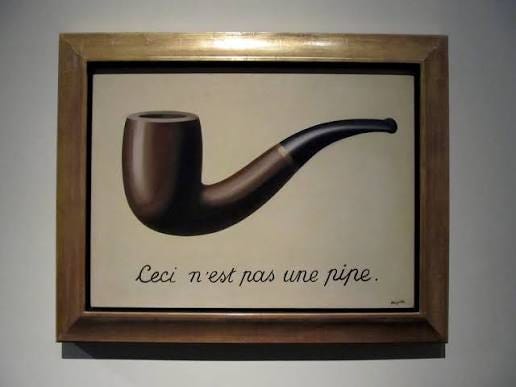
Magritte painted a pipe, wrote “this is not a pipe” under it, and became the only thing in the museum telling the truth. Then we put it on a tote bag.
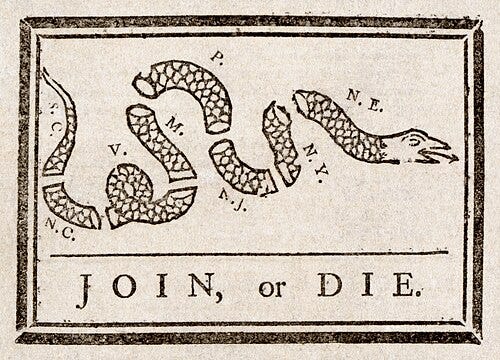
Franklin’s “Join, or Die,” the most famous cartoon in early American history, and the empire it was first drawn to serve.
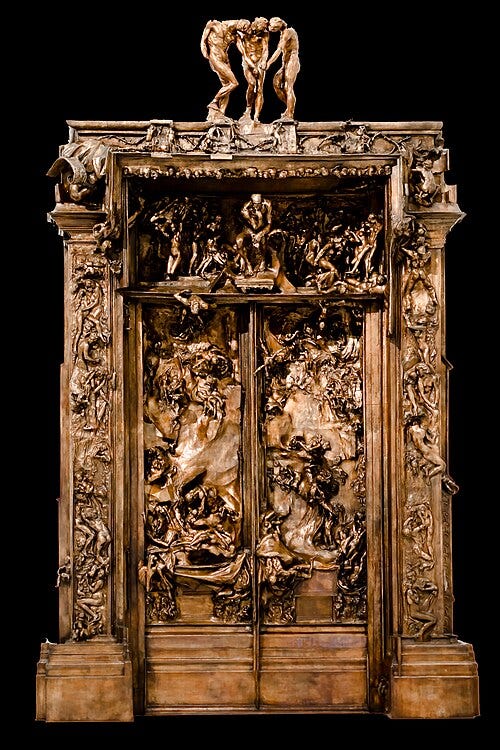
Rodin’s Gates of Hell, the unfinished door to a museum that was never built, and the masterpieces cut out of it.