
Luxury is a tricky word. We all know it’s a pinnacle thing and an expensive thing to acquire, but its meaning straddles both a descriptor of the offer and of the experience — the terms luxury hotel, luxury holiday even luxury chocolate are familiar, yet the experience of consuming them is perhaps more central to the meaning of luxury. Regardless of how luxury describes a product or the experience of that product, it is known to be rare and special and non-essential and desirable.
But with cars luxury becomes even trickier because luxury car tends to be short-hand for a luxurious car — one that is exceedingly comfortable and spacious and rich and prestigious. A rare and special and non-essential and desirable Caterham is a long way from a luxurious car, it is therefore not a luxury car (even if it might technically be a luxury purchase).
In automotive design, once we have accommodated how luxury straddles artefact and experience and also centres on a particular genre of large car, there is then the further exciting but challenging expectation from new luxury cars to reflect heritage and classic luxury car design tropes, whilst also being fresh and aesthetically innovative. The nature of how these ostensively opposing needs of old and new are balanced is often at the crux of critical reactions to luxury car designs; they are invariably slighted for being too classical or retro, or for being too much like other modern designs. Modern luxury is arguably the hardest design ambition to realise, if one of the most valuable too.
Then further bound-up in the luxury car design challenge is national identity. Luxury products and their experiences vary much according to where they are from. An American luxury car and the experience it gives differs much to that of a German, Italian or a British luxury car. National identity plays a strong role in most car brands, but particularly so for luxury car brands, and national identity is a bigger thing for luxury car design than for the design any other type of car.
Of all the national identities that are known for luxurious cars, Britain perhaps most ‘owns’ luxury car. Or rather, luxury car is at its zenith in the form of a British luxury car. The history of Britain relative to Empire and wealth and associated pioneering of luxury in the past is the core root for this, but so too is Britain’s early dominance of the luxury car design with Rolls Royce and then Bentley and others (Alivis, Bristol, Daimler, Jaguar, Lagonda etc) and the way that these luxury cars came to define a particular set of design attributes that shaped what constitutes a luxury-car.
Modern British luxury also presents a particular paradox. Unlike luxury fashion brands of Italy, France or Scandinavia — Miu Miu, Jacquemus, Ganni — which carry the flavour of their origins without leaning on their past, British luxury fashion brands tend to lean hard into their heritage, as do British luxury car brands.
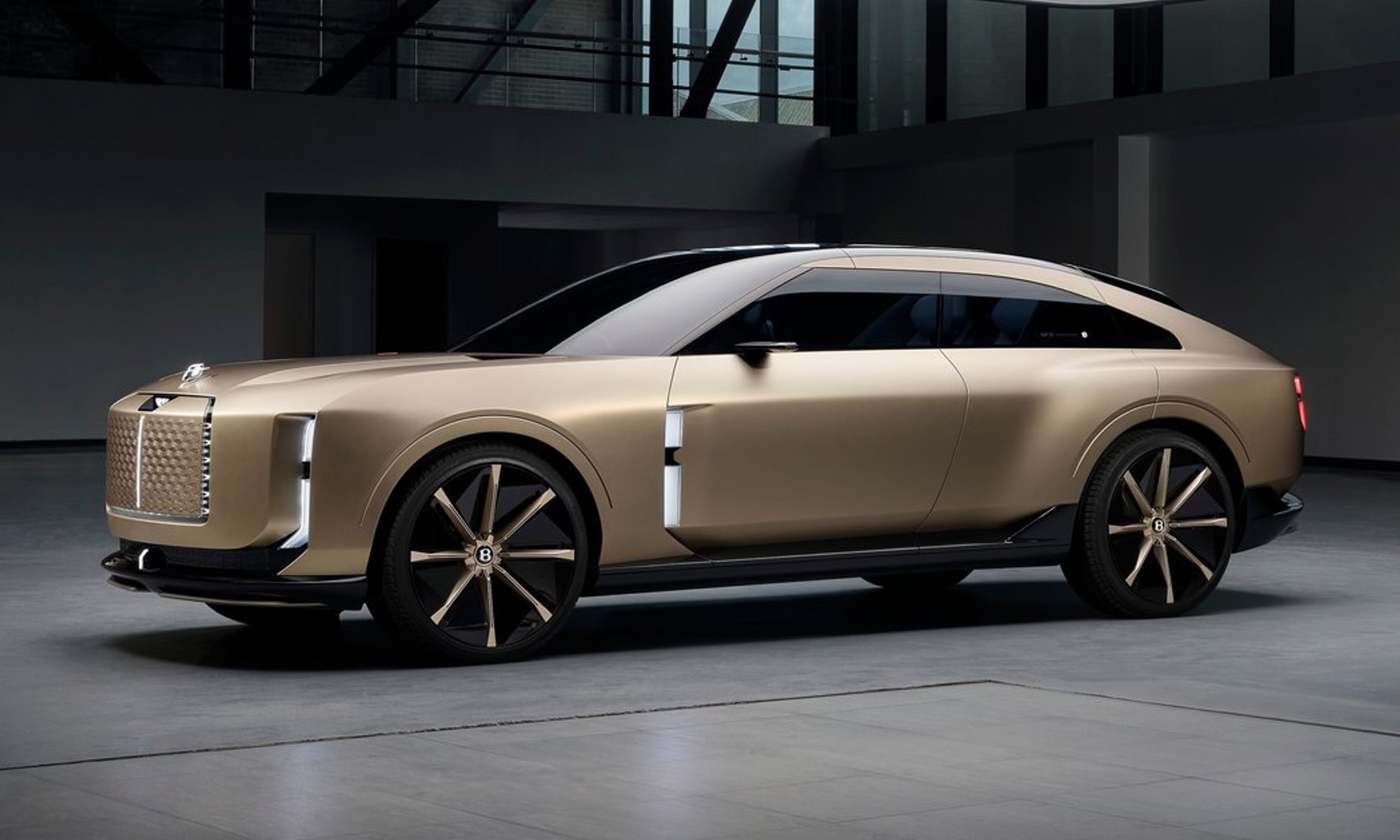
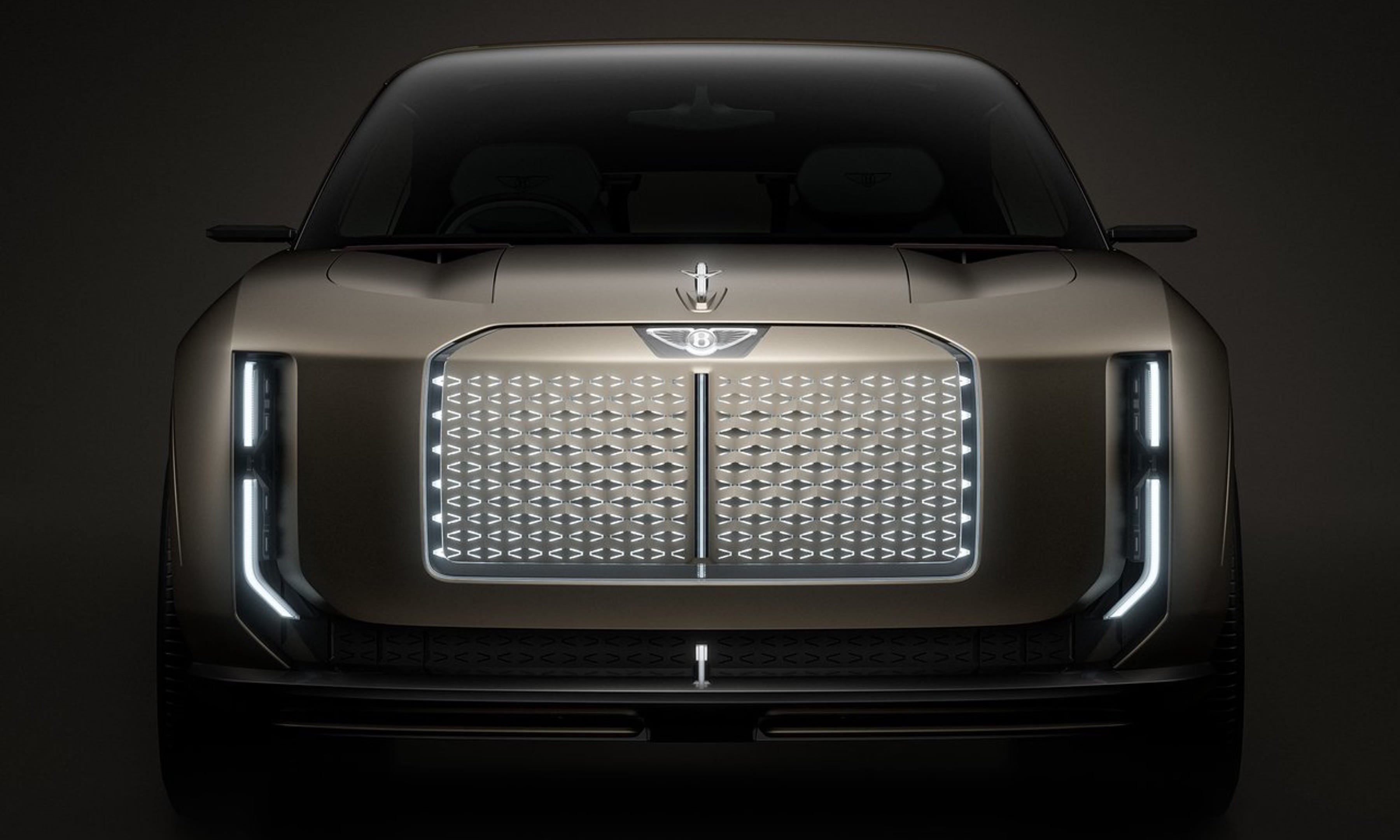
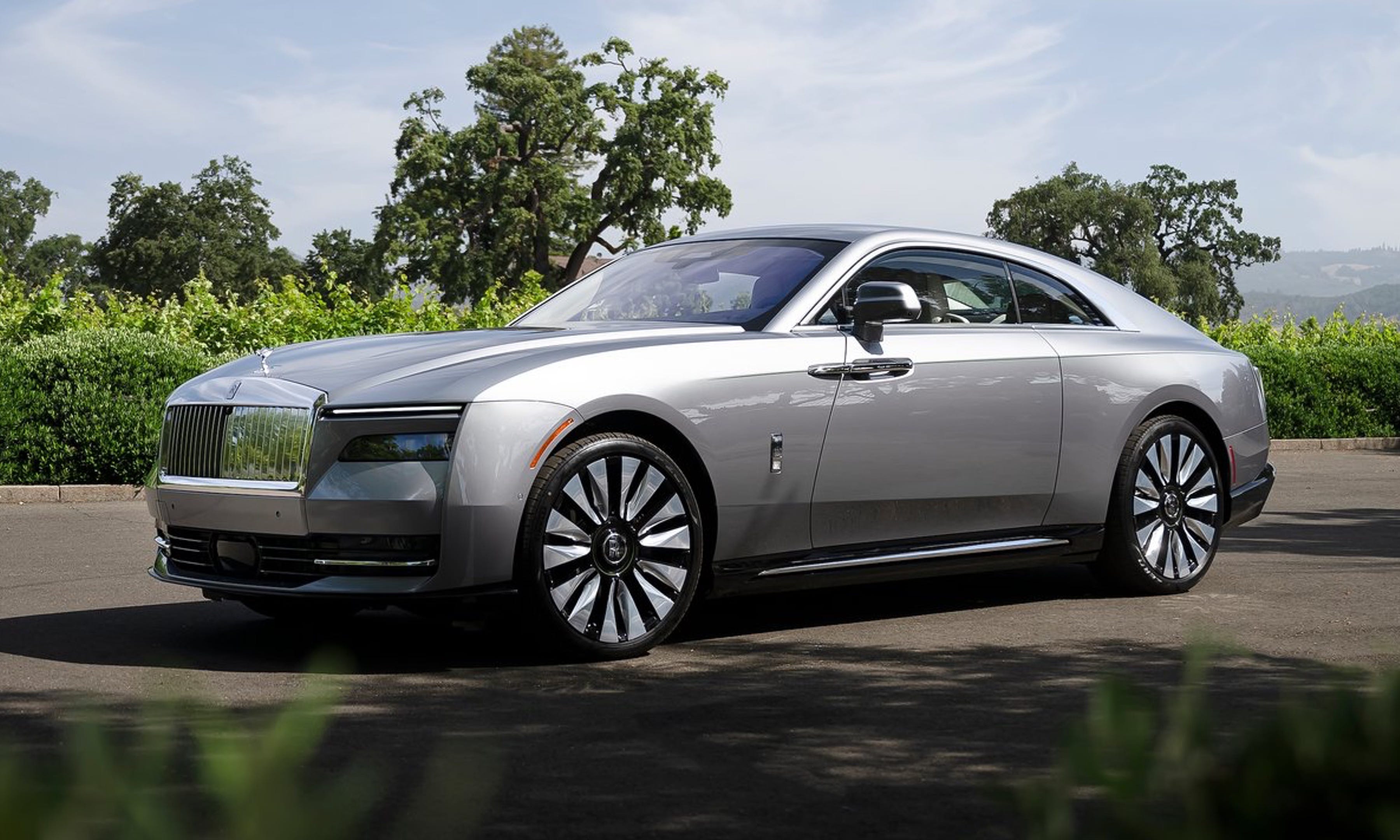
And so into this fray last week we saw the Bentley EX15 concept setting out a new direction for the brand by both drawing on new references from its illustrious history — notably its fastback-meets-shooting-brake silhouette nodding to the Bentley Speed Six Gurney Nutting Sportsman coupe — and introducing new ideas and motifs such as the perforated grille, slender light bars, ensconcing seat-pods, and new logo. But most significantly, EX15 also reasserts a more sturdy, masculine design identity that comes from its more robust and heavy-weight volumes. Delicacy remains, but only in the details now, this Bentley is more ‘Bentley Boys’ than perhaps any other post-war Bentley design. Along with last year’s Jaguar Type 00 concept, and the 2023 Rolls Royce Spectre, this new Bentley direction is part of a reemergence of classic British luxury car design: strength and heft and a marked level of visual mass for a four-square, bulldog demeanour. A robustness that more delicate designs from other European countries, or expansive designs from America, have rarely had.
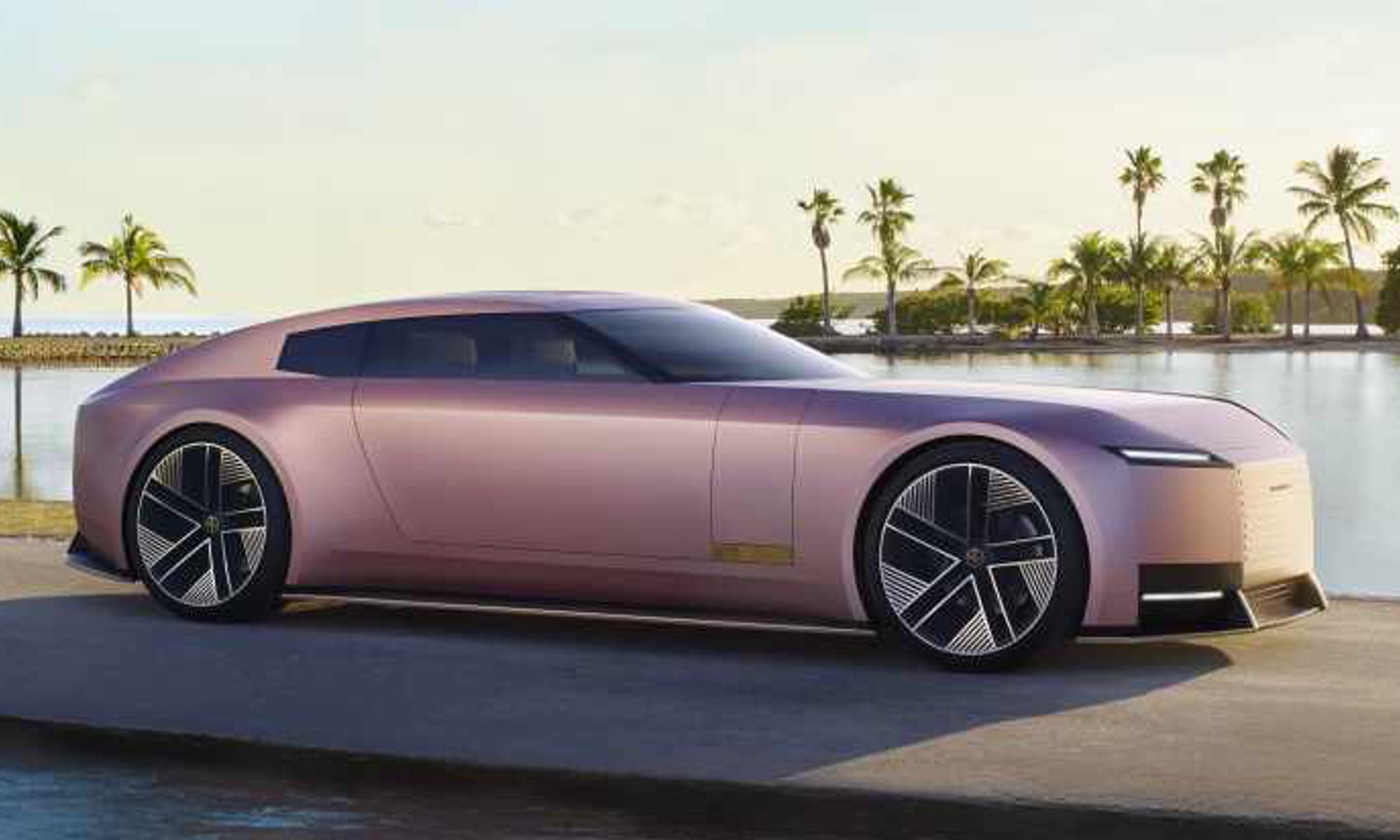
Modern-luxury may be the hardest thing to arrive at (the EX15 will likely realise this for many but not all its audiences) but this new Bentley does unequivocally reassert British luxury in car design — Britishness in luxury car design even — and that might be even more valuable.
No posts
Comments
Nothing yet. Say the first thing.
Sign in to join the conversation.