
There was a confident mood in the air at IAA Munich Show last week with the local car brands presenting major new car launches and speaking of momentum returning, in contrast to the reality of the market where tariffs, slowing demand, and faltering EV adoption continue to weigh on the industry.
For the European marques that optimism was mostly carried through heritage. BMW’s Neue Klasse iX3 drew directly on the lines of its 1960s saloons that the original 1962 Neue Klasse begot, Mercedes gave its electric GLC a grille inspired by those of its later 1960s cars, Volkswagen hung on to the established Polo name-plate for its forthcoming small electric ID offer, and Audi with their Concept C made a very conscious connection to the original 1998 TT (with nods also to 2004 A6). These major brands are leveraging their heritage to underline their time-won identity and consistency at a time of rapid change, and in doing so offer reassurance to customers.
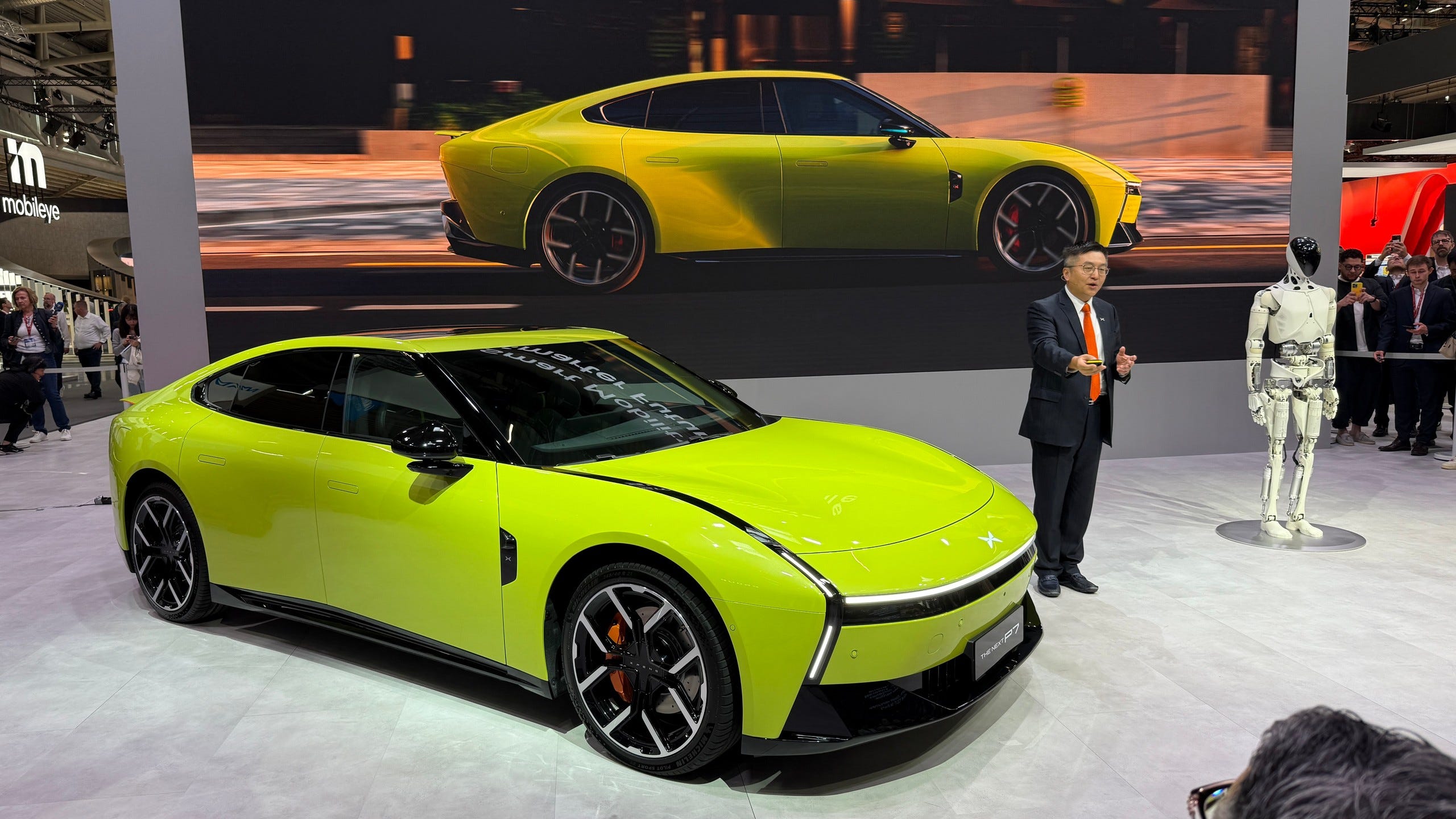
Chinese brands showed their confidence in a different manner with designs consciously centred on European sensibilities and played to their technology leadership. BYD launched a a wagon, Leapmotor introduced a small hatchback aimed at younger European drivers, Xpeng presented an AI-enabled P7 while announcing a new research activity in Munich, and Avatr presented a European designed concept car that pointed to an even more luxurious future offer. Unlike the heritage imbued Europeans, these Chinese designs are conservatively sleek and minimalist, and lean heavily on their battery technology, low cost and software (albeit stripped of the leading UX it enables in China) to appeal to customers.
Set against these two approaches, the Korean brands offered something different, drawing on Korea’s wider cultural influence to position design as a source of identity and soft power. Hyundai’s Ioniq Three Concept expressed this with confidence and distinction, full of details that entertained and surprised, and in doing so it stood apart from Europe’s heritage-led stance and China’s technology-driven focus.
At Europe’s largest auto show last week these three approaches show how brands are working to create value in the mid 2020s: rich European heritage that reassures; accessible Chinese tech that offers a new alternative; and different forms of useful and entertaining design from Korea. What remains open, and what Munich did not resolve, is whether these approaches truly align with the ways customers now measure value in their everyday lives?
Comments
Nothing yet. Say the first thing.
Sign in to join the conversation.