
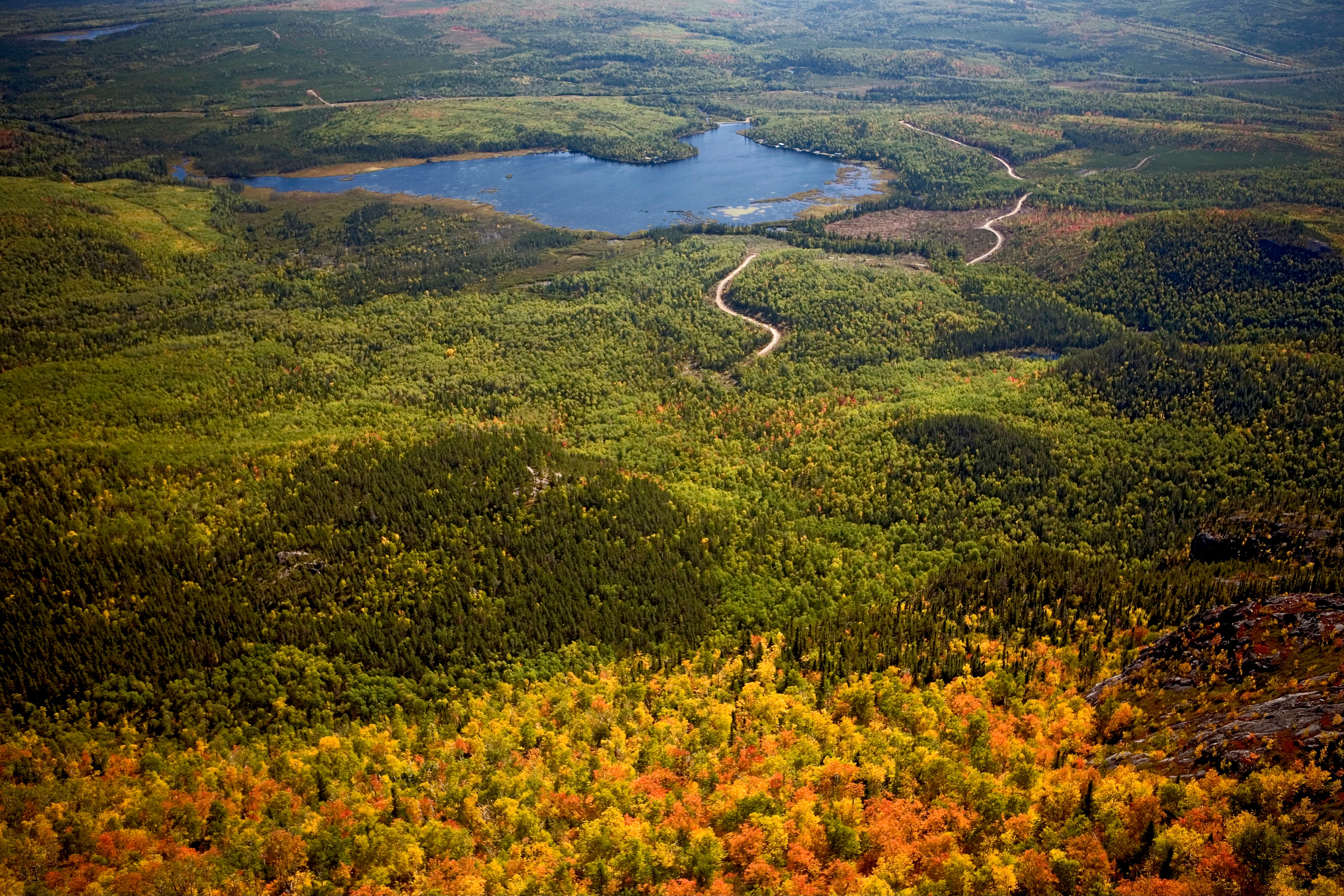
In 1976, the year Tania Viens was born in Sept-Îles, Route 138 ended about two hundred kilometres east of the town: beyond that point, Quebec’s road map thinned out almost to the point of disappearance. It was only years later, with a series of major hydroelectric projects, that the road was extended along what is now known as the Route des Baleines—the “Whale Route”—though it never reached Blanc-Sablon. “That’s where my family comes from,” Tania says. “Even today, you still have to drive a long detour through Labrador to get there.”
Iron ore and ice
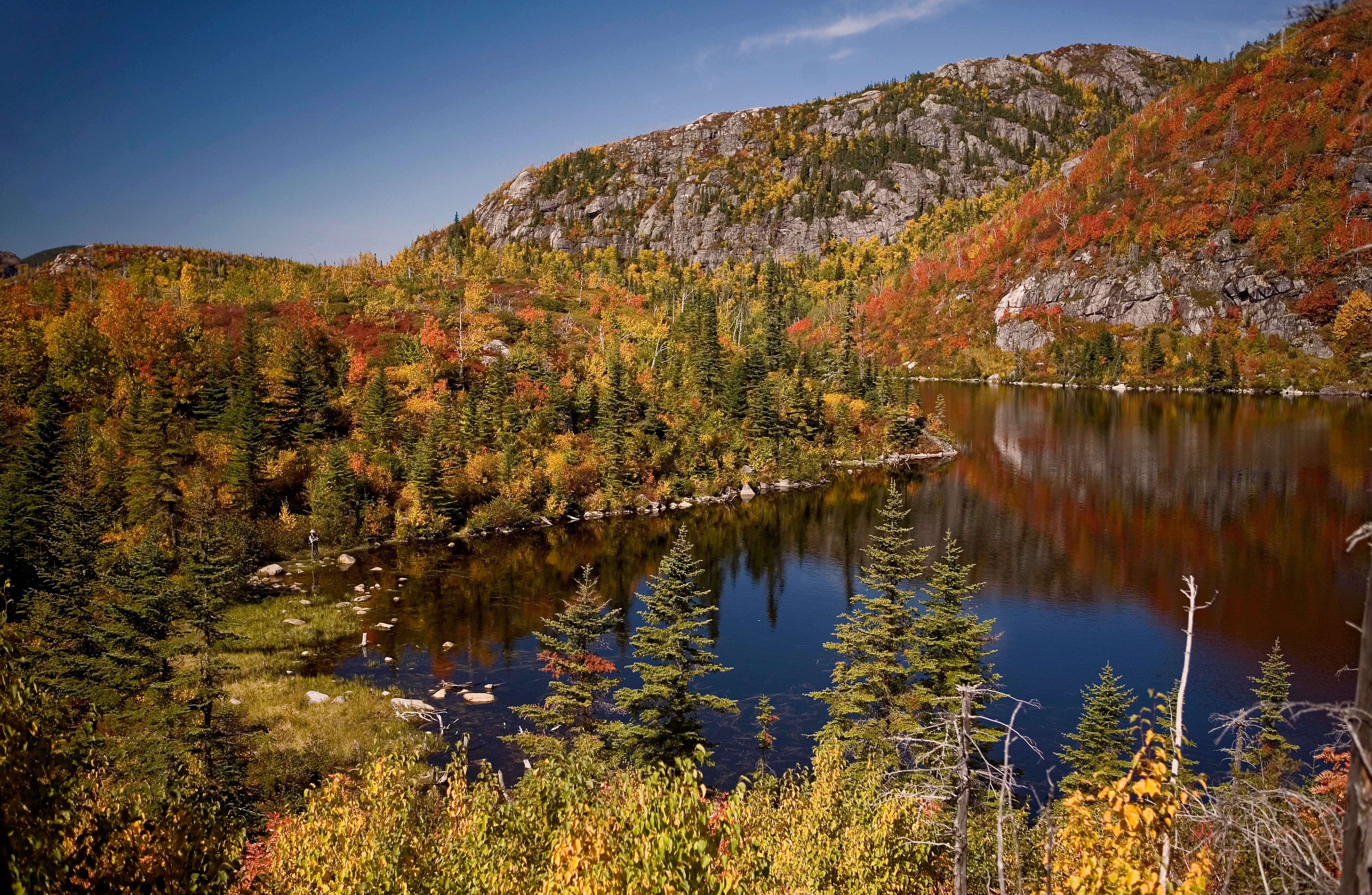
For almost two decades, that remote stretch of Côte-Nord, some 750 kilometres east of Quebec City, was the entirety of Tania’s world. “I grew up in Sept-Îles and went through all my schooling there until high school graduation,” she recalls. Yet during her childhood and adolescence, the town did not feel like an isolated outpost in the far Canadian North. At the height of the iron industry that fuelled the regional economy, the industrial hub on the Gulf of St. Lawrence—built around the port, the railway, and the mines—reached a population of 35,000: a community large and dynamic enough to soften the sense of geographic remoteness.
Even the harsh climate was experienced with a certain matter-of-factness. “Then as now, it could drop to minus thirty, but it’s a dry cold and people still go outside. You go snowmobiling, you ski—you adapt.”
The rite of departure
Leaving, however, eventually became almost inevitable. There were no universities in the area, and for those who did not envision a future in the mines, the road led elsewhere: to Rimouski, Quebec City, Montreal, or even out of the province. For Tania’s generation, leaving Sept-Îles was almost a rite of passage. “Most of us moved elsewhere.”
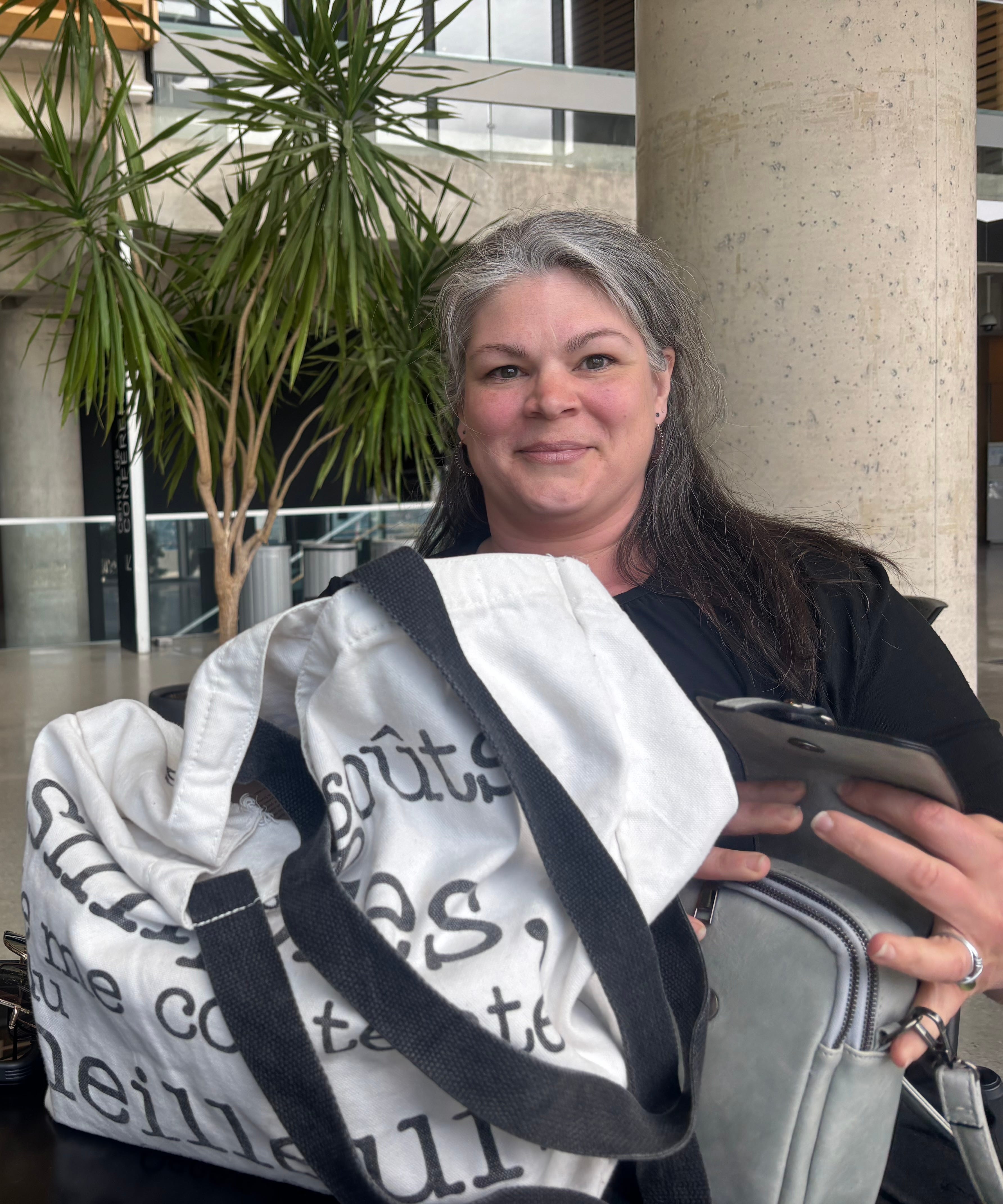
Today, Tania still returns north to visit her mother, and each trip brings a sense of “familiarity mixed with unease.” Some things remain unchanged: “I find the sea, the forests, the vast horizons—the landscape I grew up in.” But much else has shifted. “In recent years, the social fabric of the region has changed profoundly.”
Like many Côte-Nord towns, Sept-Îles follows the cycles of extractive industries: periods of rapid expansion followed by abrupt contractions. Workers arrive from other regions and countries, but when the economy slows, many leave again. “Every time I go back, I’m struck by how much the face of the city has changed.” The origins of newcomers have also shifted. “There used to be many Vietnamese refugees. Today, labour comes mainly from Africa, Haiti, and the Philippines. French, of course, helps francophone communities integrate.”
These changes have also reshaped the area’s social and cultural landscape. “The region has opened up to new perspectives and traditions, and in many ways that has been beneficial.” The dissonance Tania senses is more subtle. “When I was a child, Sept-Îles had large families and a strong sense of solidarity. People helped each other.” Those dynamics are changing. “Not necessarily for the worse, but they are changing.”
Frozen relations
There is, however, one area where she had hoped for more evolution: the relationship between the population and nearby Indigenous communities. “I’m surprised by how little it has changed.” Both sides have made efforts, she acknowledges, but relations remain “frozen,.” Far from assigning blame, she attempts an explanation: “I think everyone feels that something important is at stake, as if their identity were under threat.” As a result, withdrawal prevails. “Instead of joining forces, people retreat into their own shells.” And it’s not just fear, she contends: “There is also a lot of racism, on both sides.”
The Russian stint
After leaving Sept-Îles, Tania enrolled at Université Laval, where she studied French literature and Quebec literature. A Slavic studies programme gave her the opportunity to spend six months in Russia, during which she considered pursuing a PhD on Vladimir Mayakovsky. “I was fascinated by the way both Russian and Quebec literature had sought to free themselves from traditional dominant models in order to invent new forms of expression.” Once she graduated, however, she came to a pragmatic conclusion: academic prospects in literature were too limited.
The emotional geography of Nunavut
In search of work, she accepted a position at the Queen’s Printer of Nunavut. The territory had only recently been established, and its administrative structures were being shaped. “The office was responsible for publishing laws and managing the legal code,” she recalls. “The amount of work to be done was an enormous. I felt I was taking part, however modestly, in the birth of Nunavut.”
What she remembers most vividly is the sense of discovery that defined the experience. “Every day I was learning something new: ways of living, thinking, doing things.” And yet she did not feel entirely foreign to that world; having grown up far from major urban centres, she found unexpected familiarities. “In many ways, I felt at home.” That feeling came both from the people—“There was an atmosphere of kindness and generosity”—and from the work itself: “I felt truly useful.” Not even the climate deterred her. “The winters were harsh, of course, but magnificent.” The landscape left indelible memories: “Black rocks, icebergs, the northern lights. You just had to step outside.” Behind her home stretched the tundra; in front, Frobisher Bay.
Mumbai, the discomfort of being a woman
Nunavut also marked a turning point in her personal life. “That’s where I met my partner, a commercial airline pilot.” Soon after, his career took them to a radically different environment: Mumbai, India.
“It was probably the greatest cultural shock of my life,” Tania says. “In Nunavut, among the Inuit, I never felt defined by my gender, never reduced to being ‘a woman.’” In India, the experience was the opposite. It was not cultural difference itself that unsettled her—she had lived abroad before—rather the social role she was assigned. “Being a woman in that society was likely the hardest part.” At first, people in the neighbourhood assumed she was a tourist wandering through markets and shops. Gradually, however, her face became familiar and, “in the end, they accepted me.”
Yet the way people interacted with her changed dramatically when her husband was present. “They would address him and respond to him, even when I was the one asking the question.” She was told this was a sign of respect toward the husband, but for a young woman raised in Quebec, adapting to this conception of gender relations was not easy. “I could be completely ignored until my husband intervened.” Over time, initial surprise gave way to a kind of pragmatic acceptance: “At some point I told myself: This is not my home. It’s not my battle.”
Montréal: shaking the cage
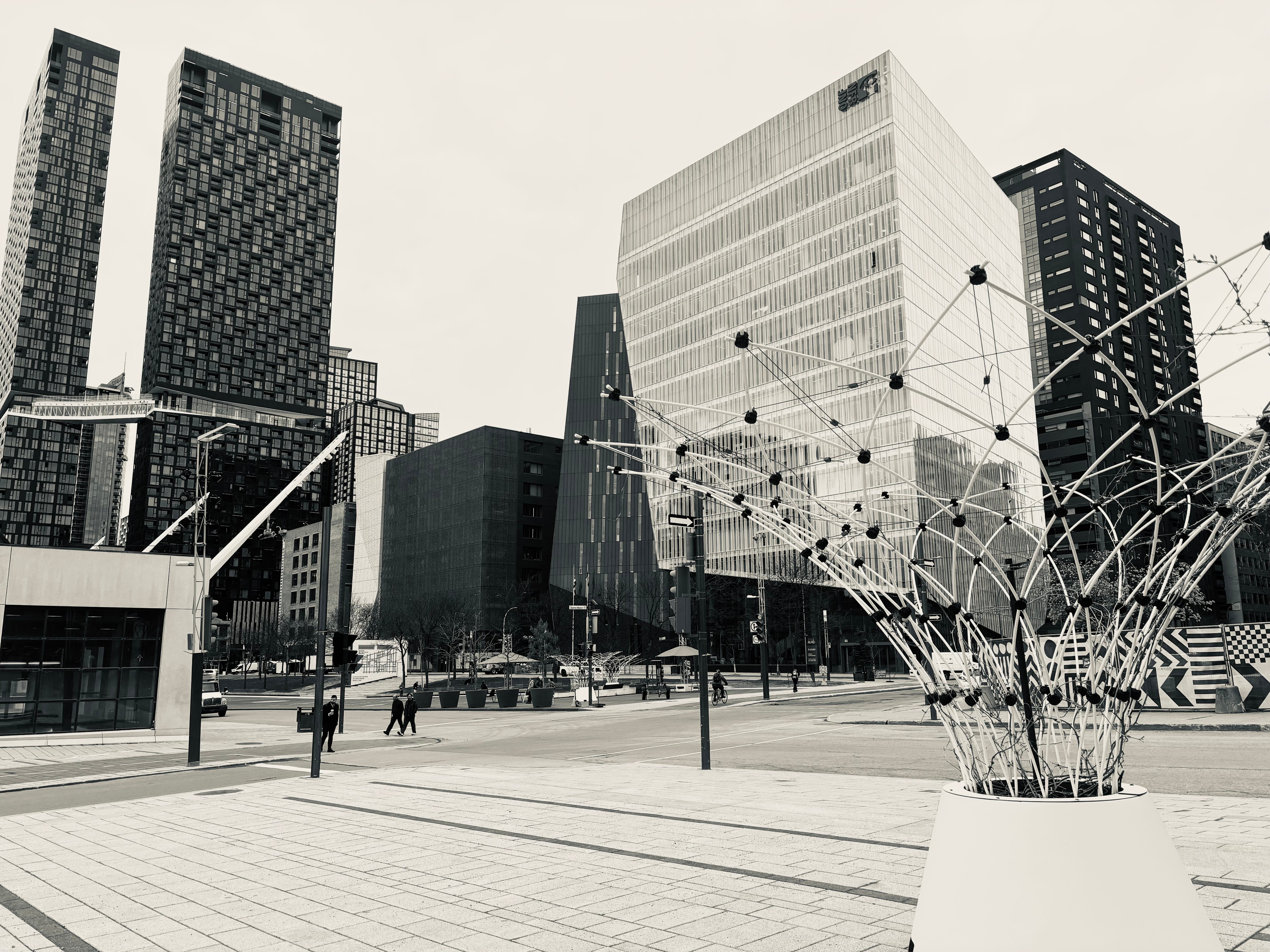
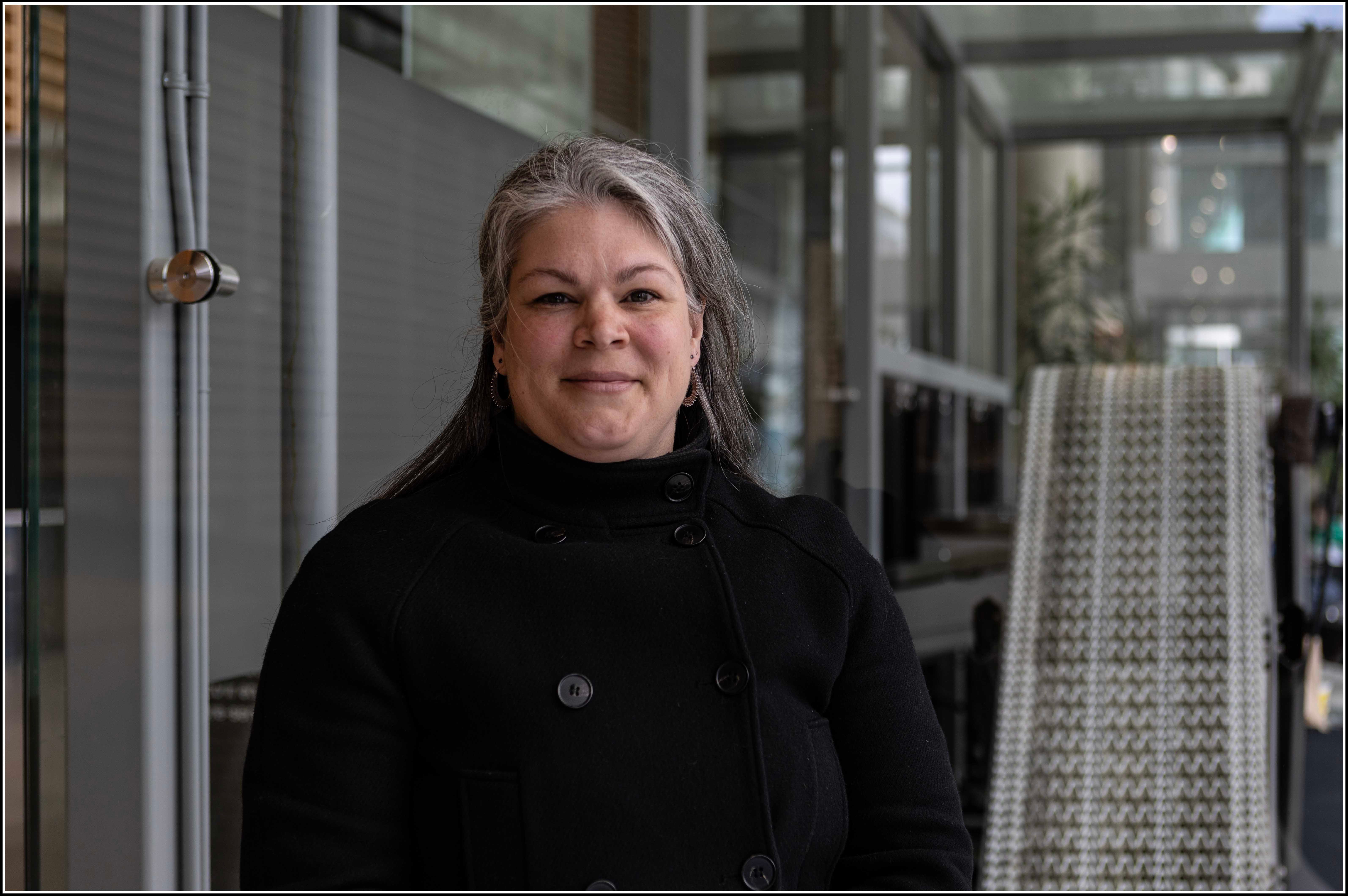
Returning to Montreal in 2009 also marked Tania’s return to the world of literature. Her husband had taken a position with a regional airline affiliated with Air Canada, and it was around this time that she met Lise Demers, founder of Les Éditions Sémaphore. “I started to work in her publishing house as a proof-reader and manuscript reader,” Tania says. “Lise wanted to see whether I could combine critical thinking with a sense of balance.” She passed the test and, five years later, Demers appointed her editorial director.
In many ways, that role reflects a constant element throughout Tania’s trajectory: an interest in how human beings interpret and make sense of the world around them. “We look for new voices, not necessarily debut authors, but writers capable of offering original perspectives,” she explains. A subject may have been explored countless times, she observes, but what matters is the ability to shed a different light on it. “You have to brasser la cage, as we say in Quebec: shake the cage. The goal is to keep ideas moving, to prevent them from hardening.”
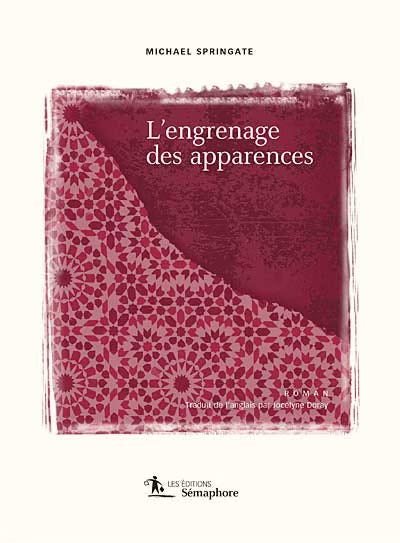
This is also the reason why she looks for books that challenge some of the most deeply held assumptions Canadians have about themselves. A novel she recently published, L’engrenage des apparences by Michael Springate (published in English as The Beautiful West and the Beloved of God), is a case in point: “We often pride ourselves on Canada being welcoming, inclusive, and fair. But what happens when fear enters the equation?” The book grapples with precisely this question.
Canada under scrutiny
Questions of identity also shape the way Tania sees herself. “I feel more Québécoise, but not in opposition to Canada.” Her own family reflects this complexity. “We have both Francophone and Anglophone roots, and in our conversations we switch between English and French without even noticing.”
Canada’s vastness, she suggests, fosters layered and overlapping identities. “Someone from Alberta will first and foremost feel Albertan; someone from Newfoundland will first and foremost feel Newfoundlander.” These identities can coexist without one excluding the other. The same applies to Quebec. “If there were another referendum today, I think most Quebecers would vote to remain in Canada.”
This does not mean, she insists, that Quebec culture does not need protection. “Every culture needs tools to stay alive.” But the context has changed dramatically since 1995. “Younger generations are much more connected to the wider world.” She sees this directly in her children, a fourteen-year-old daughter and a twelve-year-old son. “Their future will depend increasingly on what happens at the global level.”
Doors to the world
For this reason, Tania believes curiosity and the ability to question the world are more essential than ever. This is also why she and her Anglophone husband chose to enrol their children in an English-language primary school, while continuing to speak French at home. Later on, the kids will attend high school in French. “We wanted them to feel comfortable in both languages. The more languages you know, the more freedom you have. And ultimately, the more doors open onto the world.”
Some of those doors opened for Tania in 1995, as she left behind that small harbour at the end of Route 138.
Canadiensis – Letters from Canada/Lettere dal Canada is a reader-supported publication. To receive new posts and support my work, consider becoming a free or paid subscriber.
Tania e il suo altrove
Nel 1976, l’anno in cui a Sept-Îles nacque Tania Viens, la Route 138 s’interrompeva duecento chilometri a est della città: da lì in poi, la mappa stradale del Québec si diradava fin quasi a svanire. Fu solo negli anni successivi, in seguito a una serie di grandi progetti idroelettrici, che la strada sarebbe stata prolungata lungo quella che oggi è nota come la Route des Baleines, la “strada delle balene”, senza però mai arrivare fino a Blanc-Sablon. “È da lì che viene la mia famiglia”, racconta Tania. “Ancora oggi, per arrivarci in auto, bisogna fare un lungo giro attraverso il Labrador.”
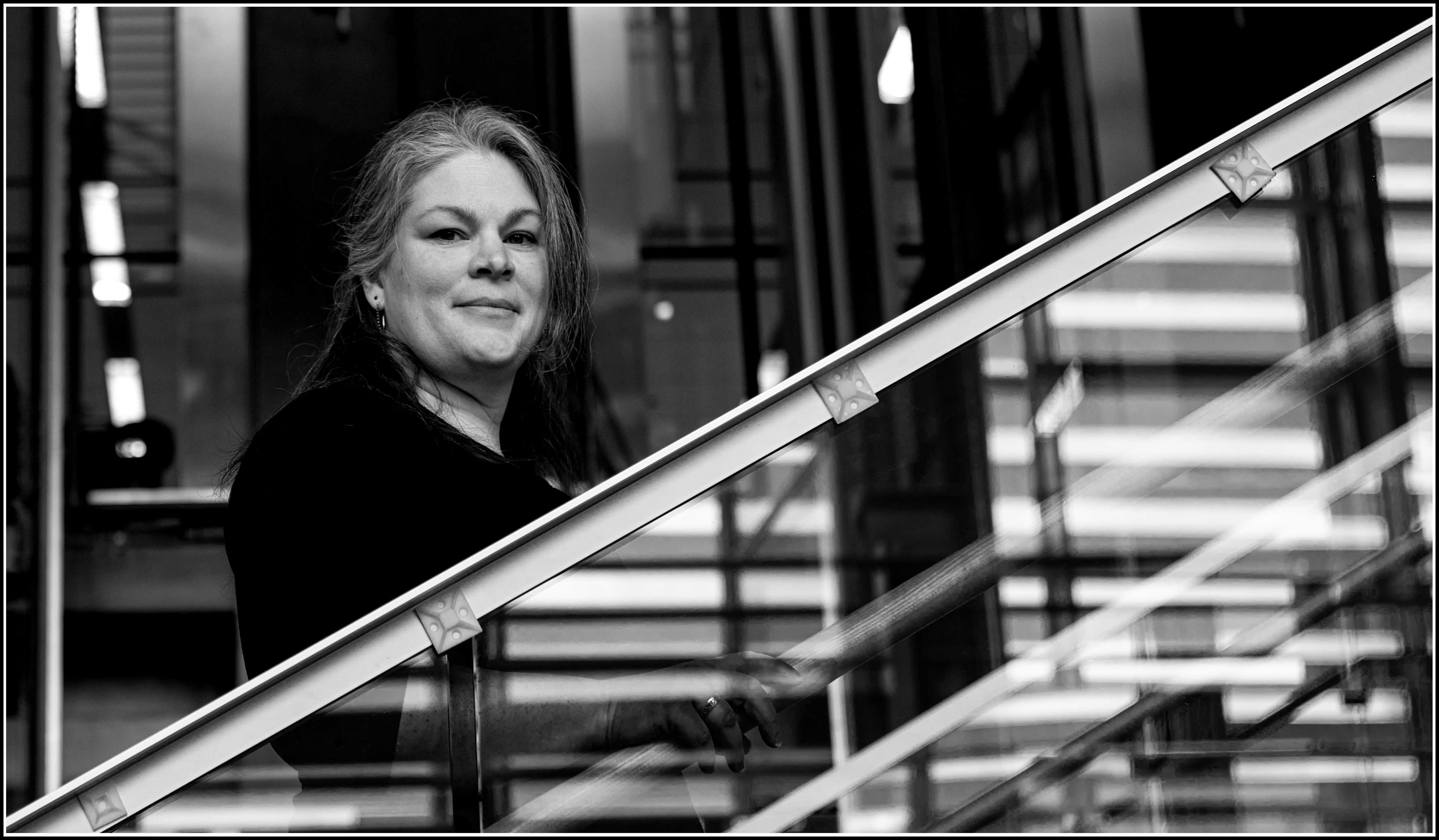
Ferro e ghiaccio
Per quasi vent’anni, quella remota regione della Côte-Nord, a circa 750 chilometri da Québec City, costituì per Tania l’intero suo universo. «Sono cresciuta a Sept-Îles e ho fatto lì tutte le scuole fino al diploma di maturità», racconta. Eppure, negli anni della sua infanzia e adolescenza, la città non dava l’impressione di un avamposto sperduto nel grande Nord canadese. Nel periodo di massimo splendore dell’industria del ferro, alla base dell’economia regionale, il centro industriale lungo il Golfo del San Lorenzo sviluppatosi attorno al porto, alla ferrovia e alle miniere contava 35.000 abitanti: una comunità abbastanza grande e dinamica da smorzare la percezione dell’isolamento geografico.
Il clima, per quanto rigido, veniva vissuto con tranquilla disinvoltura. “Allora come oggi, si arrivava anche a meno trenta, ma il freddo è secco e la gente sta fuori lo stesso. Si va in motoslitta, si scia — insomma, ci si adatta.”
Il rito della partenza
Lasciare Sept-Îles, però, a un certo punto divenne inevitabile. Nei dintorni non c’erano università e, per chi non voleva un futuro nell’attività mineraria, la strada puntava altrove: verso Rimouski, Québec City, Montréal o magari fuori provincia. Per la generazione di Tania, partire era quasi un rito di passaggio. “La maggior parte di noi se n’è andata.”
Oggi Tania torna ancora al Nord per trovare sua madre, e ogni visita le restituisce una sensazione di “familiarità mista a sgomento”. Certe cose sono quelle di sempre: “Ritrovo il mare, le foreste, gli orizzonti sconfinati – il paesaggio in cui sono cresciuta.” Ma molto altro è cambiato. “Negli ultimi anni il tessuto sociale della regione si è trasformato profondamente”.
Come molte città della Côte-Nord, Sept-Îles segue i cicli dell’industria estrattiva: periodi di rapida espansione seguiti da contrazioni altrettanto brusche. Il che attrae lavoratori da altre regioni e da altri paesi, ma quando l’economia rallenta molti ripartono. “Ogni volta che torno, mi colpisce quanto il volto della città sia mutato.” Negli anni è cambiata anche la provenienza di chi arriva. “Un tempo c’erano molti rifugiati vietnamiti. Oggi la manodopera viene soprattutto dall’Africa, da Haiti, dalle Filippine. Il francese, ovviamente, aiuta l’integrazione delle comunità francofone.”
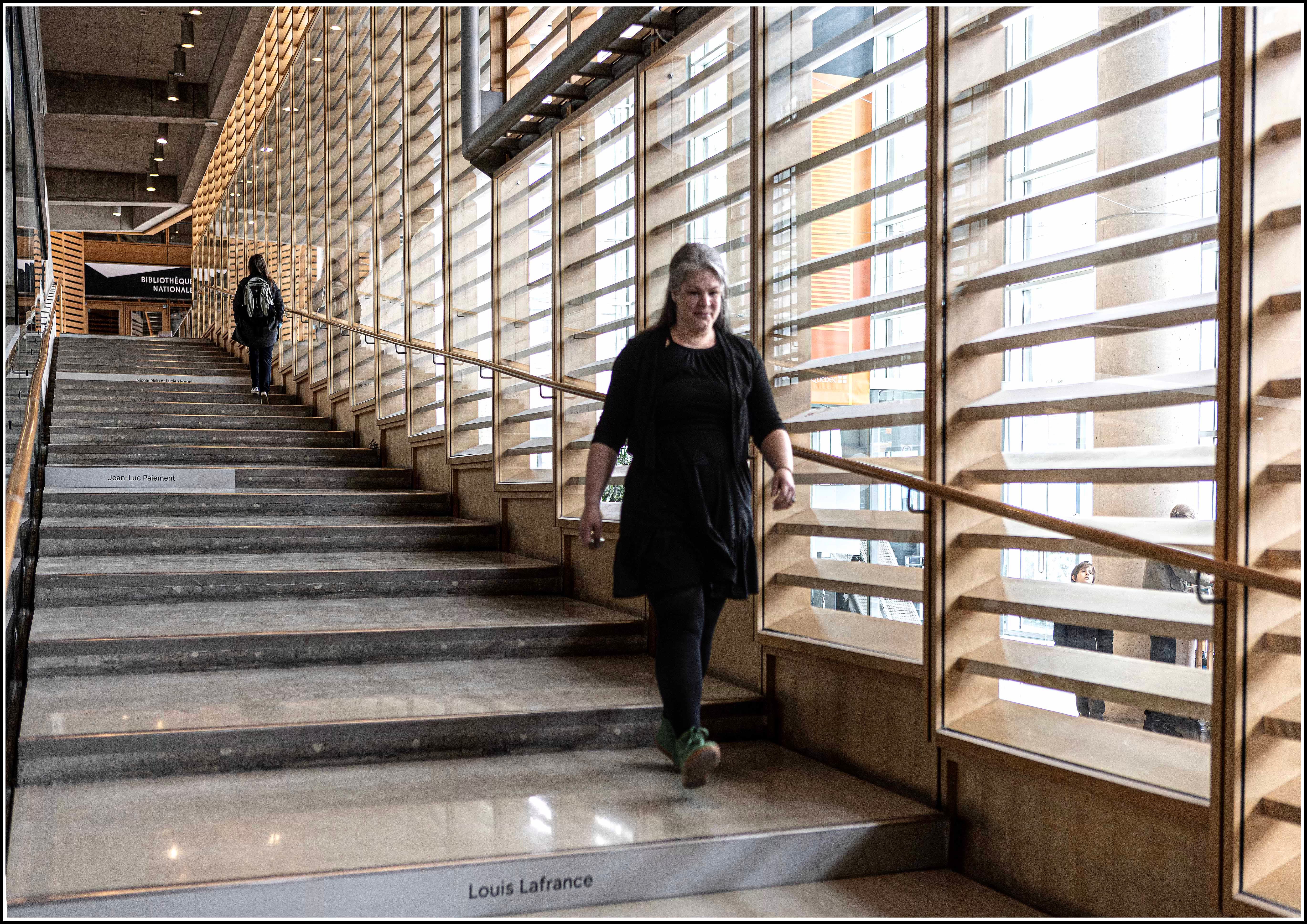
Sono cambiamenti che hanno modificato i tratti socio-culturali dell’area. “La regione si è aperta a nuovi punti di vista e nuove tradizioni, e credo che per molti aspetti ne abbia tratto beneficio.” Lo scollamento che Tania sente riguarda qualcosa di più sottile. “Da bambina, a Sept-Îles c’erano famiglie numerose e tanta solidarietà. La gente si aiutava.” Quelle dinamiche stanno cambiando. “Non necessariamente in peggio, ma stanno cambiando.”
La paura di riconoscersi
C’è qualcosa, però, che Tania sperava potesse evolvere: il rapporto tra la popolazione e le vicine comunità indigene. “Mi sorprende quanto sia rimasto immutato.” Entrambe le parti hanno fatto degli sforzi, riconosce Tania, ma le relazioni restano “congelate” e, senza cercare colpevoli, prova a dare una spiegazione: “Credo che tutti abbiano la sensazione che ci sia in gioco qualcosa di importante, come se la propria identità rischi di essere minacciata.” Così, prevale la chiusura. “Invece di unire le forze, ci si ritira nel proprio guscio.” Ma non si tratta solo di paura, aggiunge: “C’è anche tanto razzismo, da entrambe le parti.”
La stagione russa
Lasciata Sept-Îles, Tania si iscrisse all’Université Laval a Montréal, dove studiò la letteratura francese e quella del Québec. Un programma di slavistica le offrì l’opportunità di trascorrere sei mesi in Russia, durante i quali coltivò l’idea di fare un dottorato su Vladimir Majakovskij: “Mi affascinava come la letteratura russa e quella quebecchese avessero entrambe cercato di emanciparsi dai modelli tradizionali dominanti per inventare nuove forme espressive.” Una volta laureata, però, Tania giunse a una pragmatica conclusione: le prospettive accademiche in letteratura erano troppo limitate.
La geografia emotiva del Nunavut
In cerca di un impiego, accettò un’offerta di lavoro presso la Queen’s Printer del Nunavut. Il territorio era diventato amministrativamente autonomo da poco e le sue istituzioni erano in fase di costruzione. “L’ufficio si occupava di pubblicare leggi e gestire il codice giuridico,” ricorda, “C’era un’enorme quantità di lavoro da fare. Avevo la sensazione di partecipare, seppur in minima parte, alla nascita del Nunavut.”
Ciò che Tania ricorda con maggiore intensità è il senso di scoperta insito in quell’esperienza. “Ogni giorno imparavo qualcosa di nuovo: modi di vivere, di pensare, di fare.” Eppure non si sentiva del tutto estranea a quella realtà: cresciuta lontano dai grandi centri urbani, vi aveva ritrovato una familiarità inaspettata. “Per molti aspetti, mi sentivo a casa.” Quella sensazione le arrivava tanto dal contatto con la gente del posto – “C’era un’atmosfera di gentilezza e generosità” – quanto dal lavoro stesso: “Mi sentivo davvero utile.” Neppure il clima riusciva a scoraggiarla. “Gli inverni erano duri, certo, ma magnifici.” Quel paesaggio ha lasciato in lei ricordi indelebili: «Rocce nere, iceberg, aurore boreali. Bastava uscire.» Dietro casa sua si apriva la tundra; davanti, la baia di Frobisher.
Il Nunavut segnò una svolta anche nella sua vita personale. “È lì che ho incontrato il mio compagno, un pilota di linea.” Da lì a poco, sarebbe stata la carriera di lui a portare entrambi in un contesto radicalmente diverso: Mumbai, in India.
Mumbai: l’inconveniente di essere donna
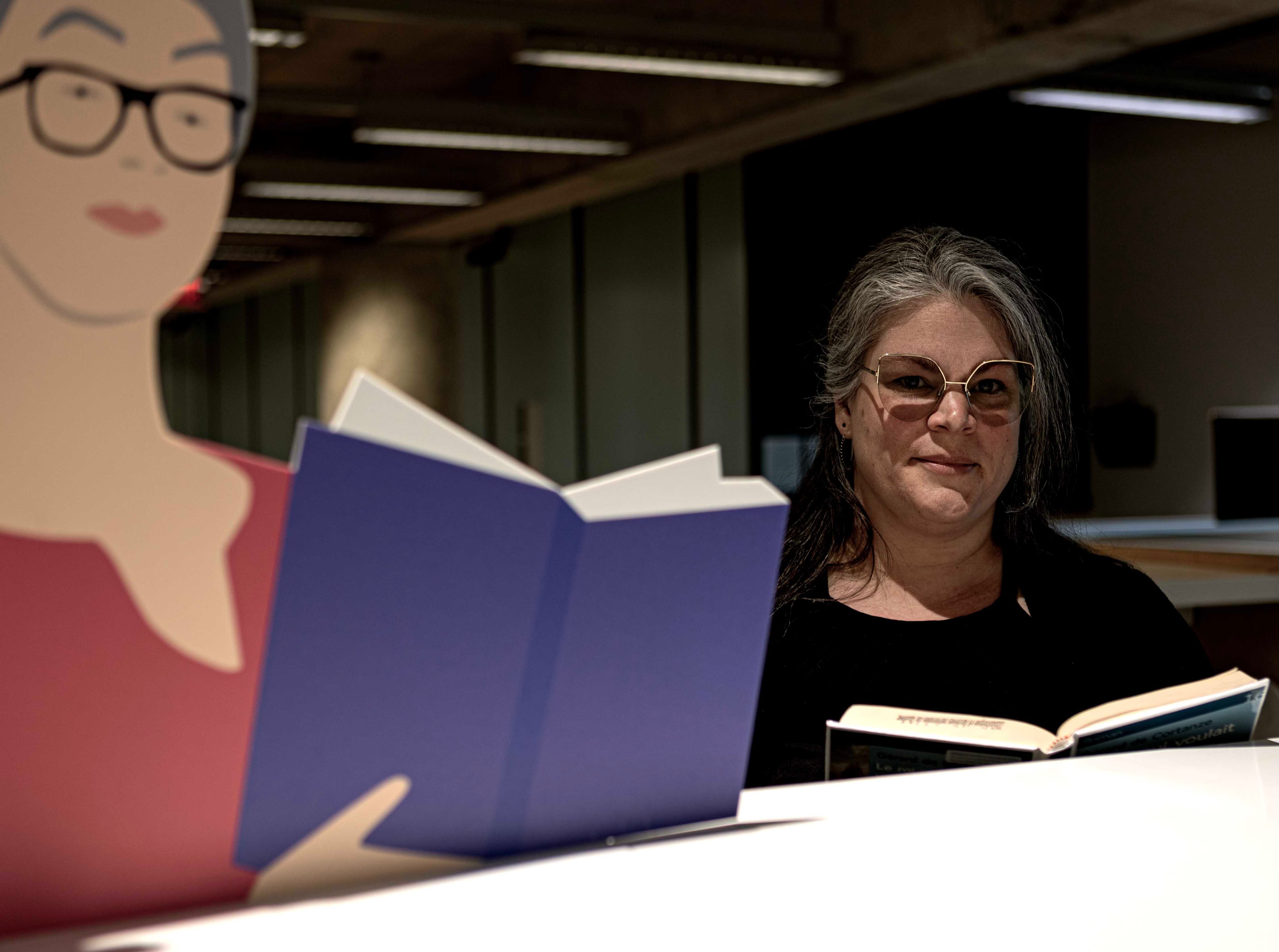
“È stato probabilmente il più grande shock culturale della mia vita,” racconta Tania. “Nel Nunavut, tra gli Inuit, non mi sono mai sentita definita dal mio genere o ridotta all’essere ‘una donna’.” In India, l’esperienza fu l’opposto. Non era tanto la differenza culturale a disorientarla—aveva già vissuto all’estero in precedenza—quanto piuttosto il ruolo sociale che le veniva imposto. “Essere una donna in quella società è stata la parte più difficile.” All’inizio, le persone del quartiere la scambiavano per una turista che si aggirava tra mercati e botteghe. Gradualmente, però, il suo volto divenne familiare e, “alla fine, mi accettarono”.
Il modo in cui le persone si rapportavano a lei però cambiava drasticamente quando era presente suo marito: “Si rivolgevano solo a lui e rispondevano a lui anche quando ero stata io a fare la domanda.” Le venne spiegato che si trattava di una forma di rispetto nei confronti del suo partner, ma per una giovane donna cresciuta in Québec adattarsi a quella diversa concezione dei rapporti tra i generi non fu semplice. “Capitava che venissi completamente ignorata finché non interveniva lui”. Con il passare del tempo, lo stupore iniziale lasciò il posto a una sorta di accettazione pragmatica: “A un certo punto mi sono detta: non è casa mia, non è la mia battaglia”.
Montréal: qualche scossone alla gabbia
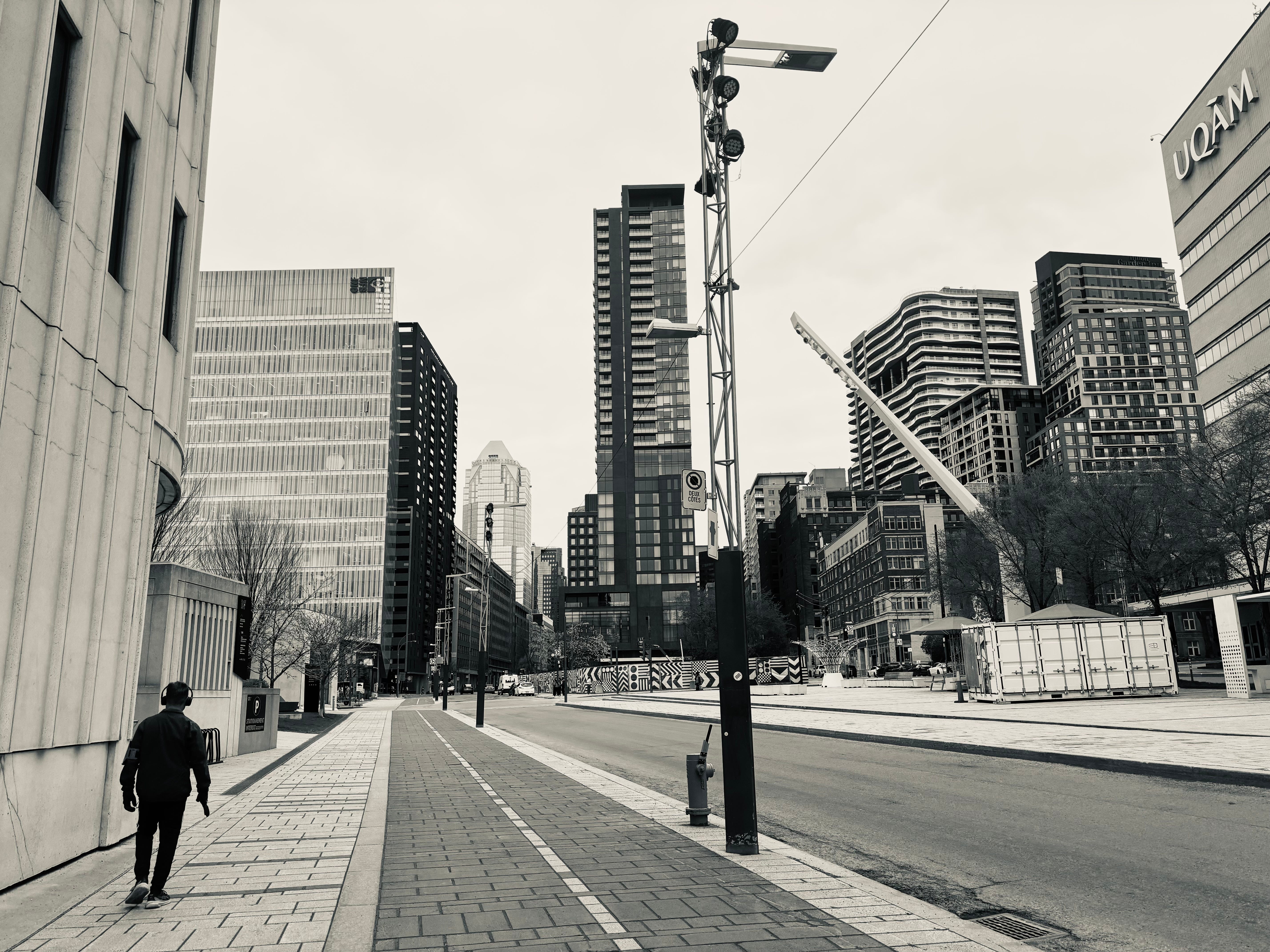
Il ritorno a Montréal, nel 2009, segnò per Tania anche il ritorno al mondo della letteratura. Suo marito aveva accettato un incarico presso una compagnia aerea regionale affiliata ad Air Canada e, proprio in quel periodo, lei incontrò Lise Demers, fondatrice delle Éditions Sémaphore. “Iniziai a lavorare nella sua casa editrice come correttrice di bozze e lettrice di manoscritti”, racconta Tania. “Lise voleva capire se fossi in grado di coniugare spirito critico e senso della misura.” La prova fu superata e, cinque anni più tardi, Demers le affidò la direzione editoriale della Sémaphore.
Per molti aspetti, quel ruolo riflette una costante che attraversa l’intero percorso di Tania: l’interesse per il modo in cui gli esseri umani interpretano e attribuiscono significato al mondo che li circonda. “Cerchiamo voci nuove, non necessariamente esordienti, ma capaci di offrire prospettive originali”, spiega. Un tema può essere stato affrontato infinite volte, osserva, ma ciò che conta è la capacità di gettarvi una luce diversa. “Bisogna brasser la cage, come diciamo in Québec: scuotere la gabbia. L’obiettivo è mantenere le idee in movimento, evitare che si fossilizzino.”
Da qui nasce anche la predilezione di Tania per libri che mettono alla prova alcune delle convinzioni più radicate che i canadesi nutrono su sé stessi. Un romanzo che ha pubblicato da poco, L’engrenage des apparences di Michael Springate (uscito in inglese col titolo The Beautiful West and the Beloved of God), è un esempio al riguardo: “Spesso ci vantiamo del fatto che il Canada sia un paese accogliente, inclusivo e giusto. Ma cosa succede quando entra in gioco la paura?” Il romanzo ruota proprio attorno a questa domanda.

Il Canada alla resa dei conti
Le questioni identitarie attraversano anche il modo in cui Tania guarda sé stessa. “Mi sento più québécoise, ma non in opposizione al Canada.” Del resto, la sua stessa famiglia riflette la complessità del paese. “Abbiamo radici sia francofone che anglofone e quando parliamo passiamo dall’inglese al francese senza quasi rendercene conto.”
La vastità del Canada favorisce appartenenze multiple e sovrapposte. “Un abitante dell’Alberta si sentirà prima di tutto albertano, uno del Newfoundland si sentirà prima di tutto terranovese.” Identità diverse che possono coesistere senza escludersi a vicenda. Lo stesso vale per il Québec. “Se oggi si tenesse un nuovo referendum, credo che la maggioranza dei quebecchesi voterebbe per restare in Canada.”
Ciò non significa, precisa Tania, che la cultura quebecchese non debba essere tutelata. “Ogni cultura ha bisogno di strumenti per restare viva.” Ma il contesto è cambiato profondamente rispetto al 1995 (l’anno in cui si tenne il referendum). “Le nuove generazioni sono molto più connesse al resto del mondo.” Lo vede in presa diretta con i suoi figli, una ragazza di quattordici anni e un ragazzo di dodici. “Il loro futuro dipenderà sempre più da ciò che accade a livello internazionale.”
Lingua e libertà
Per questo Tania considera la curiosità e la capacità di interrogare il mondo qualità più necessarie che mai. Questa è anche una delle ragioni per cui lei e il marito, anglofono, hanno scelto di iscrivere i figli alla scuola primaria in inglese, continuando però a parlare francese in casa e con l'idea di fargli in seguito frequentare le superiori in francese. “Volevamo che si sentissero a loro agio in entrambe le lingue. Più lingue conosci, più libertà hai. E, in definitiva, più porte ti si aprono sul mondo”.
Alcune di quelle porte per Tania si aprirono nel 1995, quando lasciò dietro di sé quel porto lontano alla fine della Route 138.
Canadiensis – Letters from Canada/Lettere dal Canada is a reader-supported publication. To receive new posts and support my work, consider becoming a free or paid subscriber.
Comments
Nothing yet. Say the first thing.
Sign in to join the conversation.