
Programing note: I hope you’re enjoying the long, languid days of summer. I am off for a two-week holiday with the family. You can look forward to next edition of Airport Architecture in August. Happy summer!
Airport Architecture is a reader-supported publication. To receive new posts and support my work, consider becoming a free or paid subscriber.
Notes from the runway
Maine is unique. It’s known as Vacationland for good reason: generations have holidayed on its rocky beaches, crystalline lakes and among its wooded hills. I love it there. You can bike, hike, run or walk with the knowledge that many have come before you — yet still feel you are somewhere wild (and given the remoteness of the much of the state, you probably are). My family and I ventured to Peaks Island on a recent trip. Once the “Coney Island of Maine,” it is now a bedroom community with quiet lanes and amazing ocean vistas that makes a lovely family bike and ferry outing from Portland. It’s places like Peaks that make Maine wonderful.

Words
It’s not so much that Delta did well in the June quarter, nor that it expects to continue to do well that caught my attention during the airline’s latest earnings call. It’s how the premium U.S. airline plans to further differentiate — and monetize — its new “basic” business fares. Plus, get ready for a widget-graced MAX. (FlightGlobal)
Brazilian carrier GOL made its long-haul debut to New York earlier in July. Known as the “Southwest of Brazil,” the airline is attempting to go upmarket with widebody aircraft and a new premium product under Abra Group ownership. Will it succeed? TBD but CEO Celso Ferrer is, for obvious reasons, confident. (TPG)
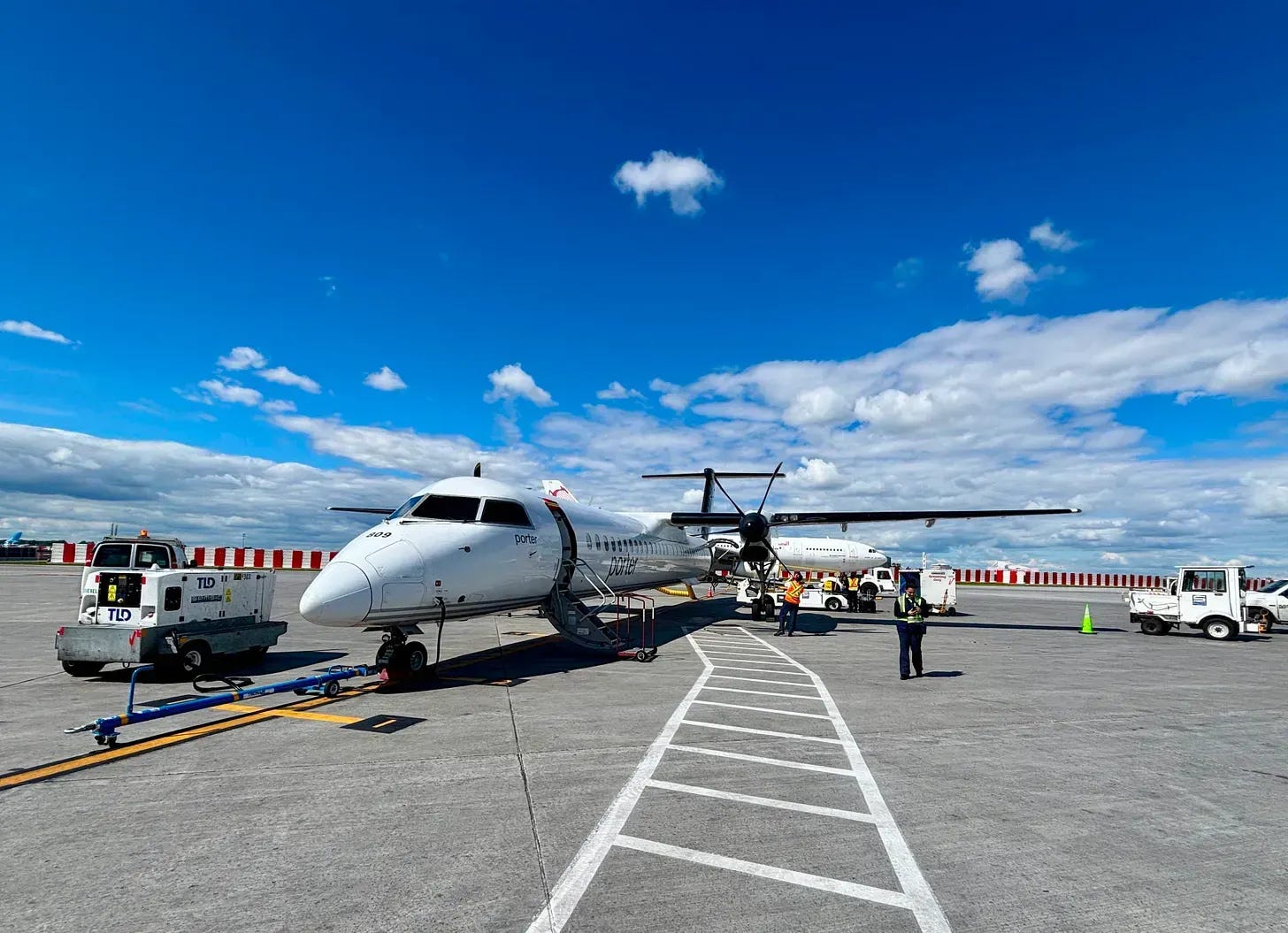
JSX is proving that its business model — boutique semi-private flights — is propulsion agnostic. In other words, travelers do not seem to care if they are on a jet or a turboprop as CEO Alex Wilcox recently told me. With ATR flights expanding to the Bay Area, the question is can the European airframer convince the airline to buy more? (TPG)
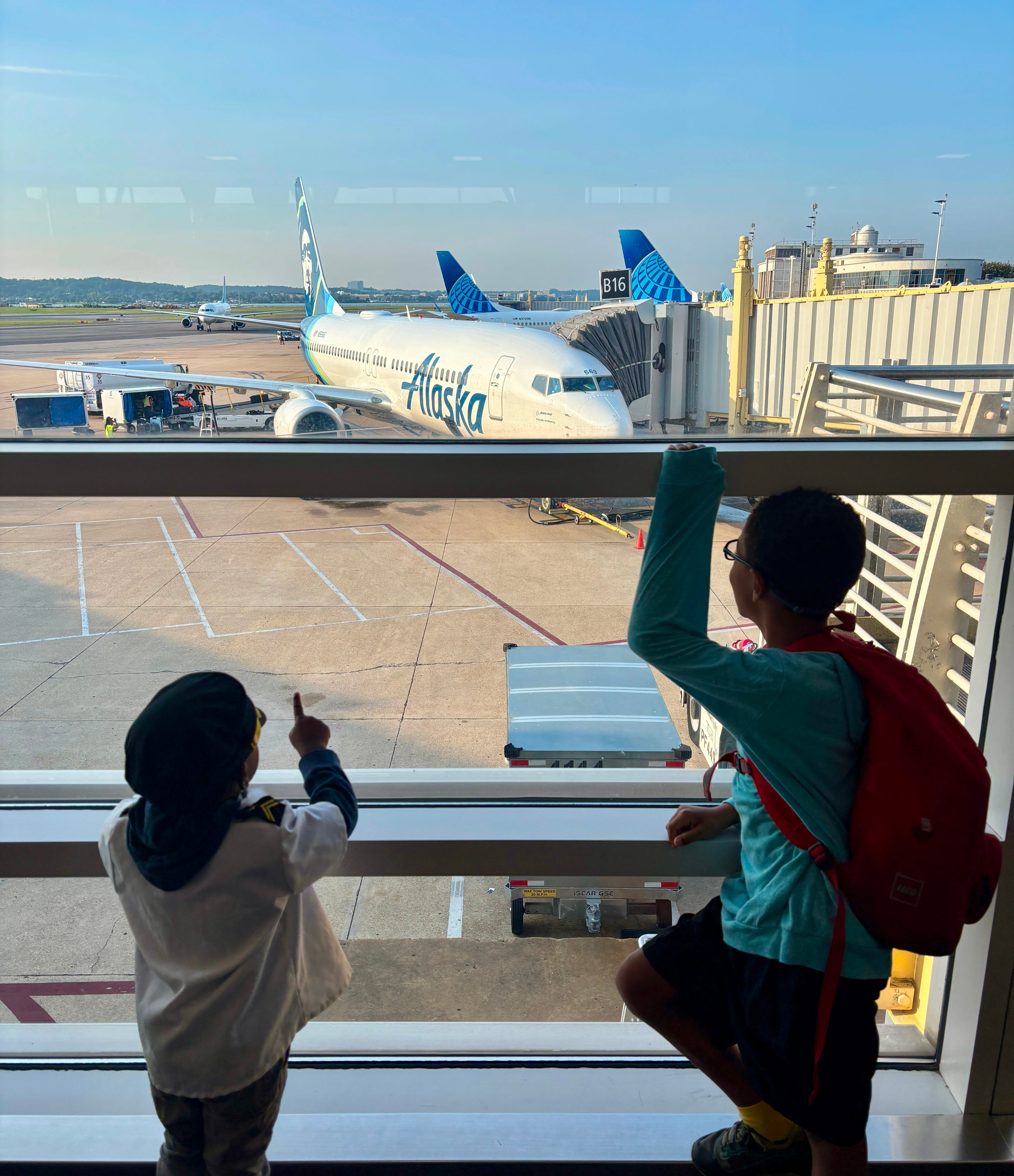
I, for one, do not relish the thought of sitting on a plane for 20+ hours. For those who don’t mind, Qantas will give you the option starting next year when it debuts nonstop flights from Sydney to London. (Travel+Leisure)
Plus, Alaska cuts five Mexico routes and adjusts Hawaii, American adds one to Japan, Air New Zealand’s CEO on the airline’s recovery, a new airport for the Dallas metroplex and a Delta One lounge is coming to Atlanta. (TPG, FlightGlobal)
Reads
The Tour de France is taking Catalonia and Southern France by storm. Through brutal heat — and wildfire threats — the peloton rides on towards Paris and the Champs-Élysées finish. Tadej Pogacar again dominates — just check out his epic ride up Tourmalet. ( has updates from the course).
I enjoyed Kriston Capps’s take in Bloomberg CityLab on the $22 billion plan for Washington’s Dulles airport. The comment that stuck out to me was how a lot of this hugely costly plan is “about pride” — something akin to the nostalgia that any aviation executive worth their salt will remind you has no place in the for-profit airline business.
The roll out of the EU’s new digital entry-exit system, Entry-Exit Scheme (EES), has been dismal. Hours-long queues and that lingering question in the back of many a frequent travelers head: why is the EU’s digital entry system so cumbersome and slow compared to those in other countries, like the UK and Australia? Processing times for non-European travelers have more than doubled at most EU airports since April and European Commission President Ursula von der Leyen has admitted “technical problems.” Still, there seems no relief in sight. If you are traveling, Zach Griff built a handy wait forecaster. Good luck.
Patrick Sisson wrote a good piece for Bloomberg CityLab on the urban design implications of eVTOLs. While these four-passenger aircraft are definitely coming, I do not think they will dramatically reshape cities. They will replace helicopters and, maybe, open some new markets for the wealthy and those with deep expense accounts but for the vast majority of people they will be an aspirational, rather than standard, mode of transport. And that’s not even mentioning how, for their strongest use case — airport transit — many safety and access issues remain.
The opening of Boeing’s North Line in Everett, plus the imminent certification of the final two 737 Max variants, may mark the end of nearly a decade of challenges for the airframer’s bread-and-butter aircraft program.
A decade ago “the idea of people lining up in droves to earnestly buy brown baseball caps that say ‘ask me about the Metro’ would have been inconceivable” in DC. Now, Metro is genuinely cool.
Cycle across the U.S.? In 1976, a group of people did just to do it. They called it Bikecentennial. “Today, something like the Bikecentennial would likely be attached to a greater social cause or staged in part as an act of political protest or resistance. But back then … the point was simply the ride. The group was having the time of their lives and wanted to share the fun.”
I have mixed opinions of the Rails to Trails movement. Yes, it has created many lovely new trails around the U.S. that I enjoy. At the same time, even as organizers sell it as “railbanking” corridors for future use, the reality is adding rail back is an excruciating long and challenging process (just read the history of the Purple Line outside DC). That’s why I love to see the suburbs of St. Louis building rails and trails together. More of this, please.
This is exciting: Mexico wants to build roughly 3,000km of new intercity passenger rail by the end of the decade. It’s a hugely ambitious undertaking and there is a lot that can still derail the plans, not to mention whether it is “good” passenger rail.
Listens
The Highway Teardown Tour continues with a visit to the first American city to remove an highway, Portland, Ore. Also, Louisville’s failed attempt to “8664,” and Baltimore’s work to rebuild a highway after the tragic Key Bridge collapse in 2024.
Love this: adaptive reuse in Mumbai turning a closed-off forest into accessible, and well designed, green space.
Quite the video (below) from Nick Andert on the situation with the much-delayed automated people mover at Los Angeles International Airport. Based on his reporting citing numerous public documents, it’s the concessionaire — not the airport’s — fault.
Comments
Nothing yet. Say the first thing.
Sign in to join the conversation.