
Hi Friends,
How are things where you are? Leave a comment and let me know.
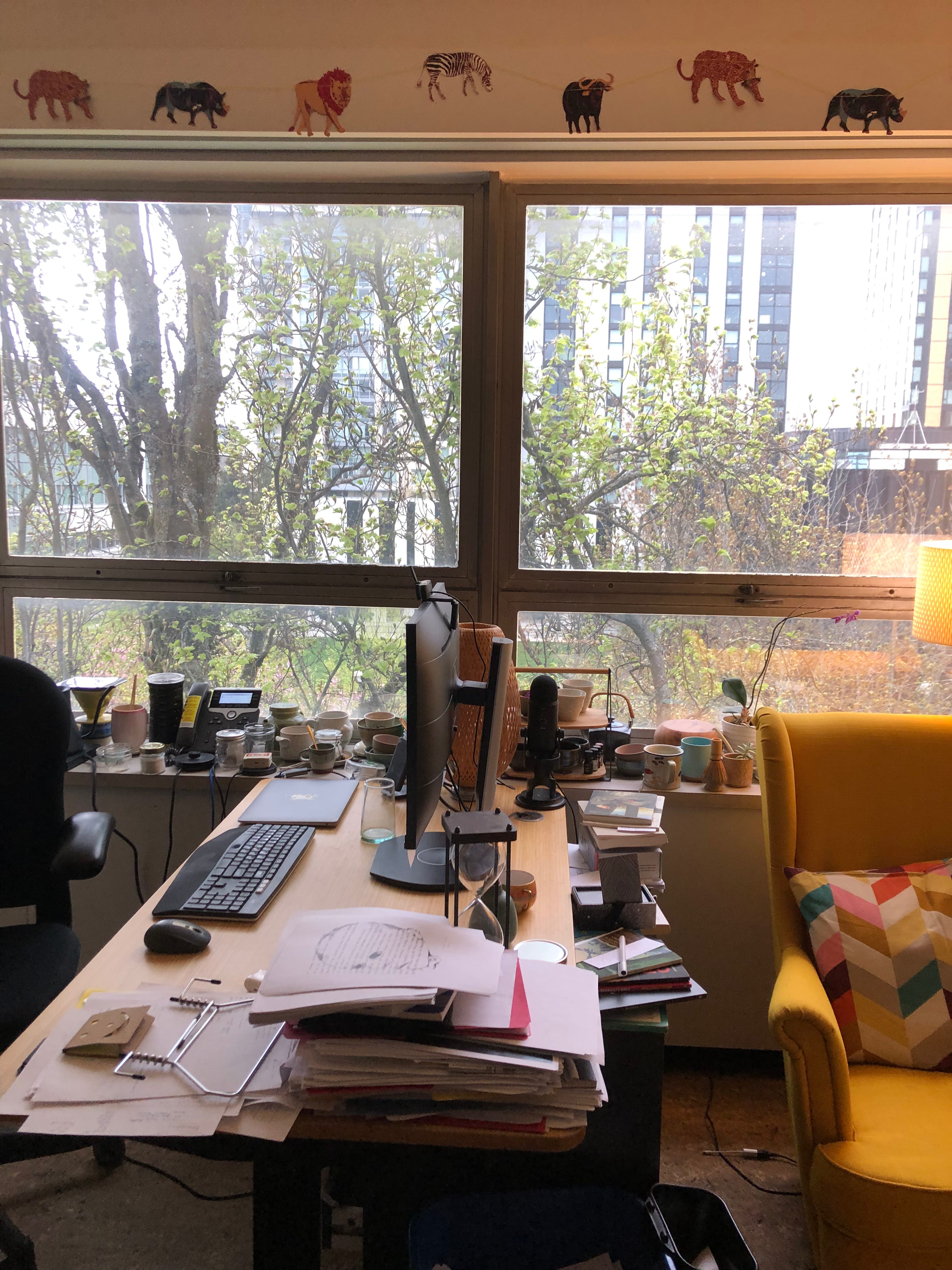
Here in Vancouver, I’m newly released from the teaching term and feeling my way into different rhythms of writing and reading as the temperature swings between swim weather and sweater weather (which can be the same for me). It’s a time for new green leaves on the tree outside my office window, new words on the page.
Writing = Making and Solving Problems
Over time, I’ve come to realize that problems aren’t an impediment to writing. Problems are the substance of writing: we set problems for ourselves and we work them out. In this feature, I ask writers to dig into a specific writing problem and how they resolved it.
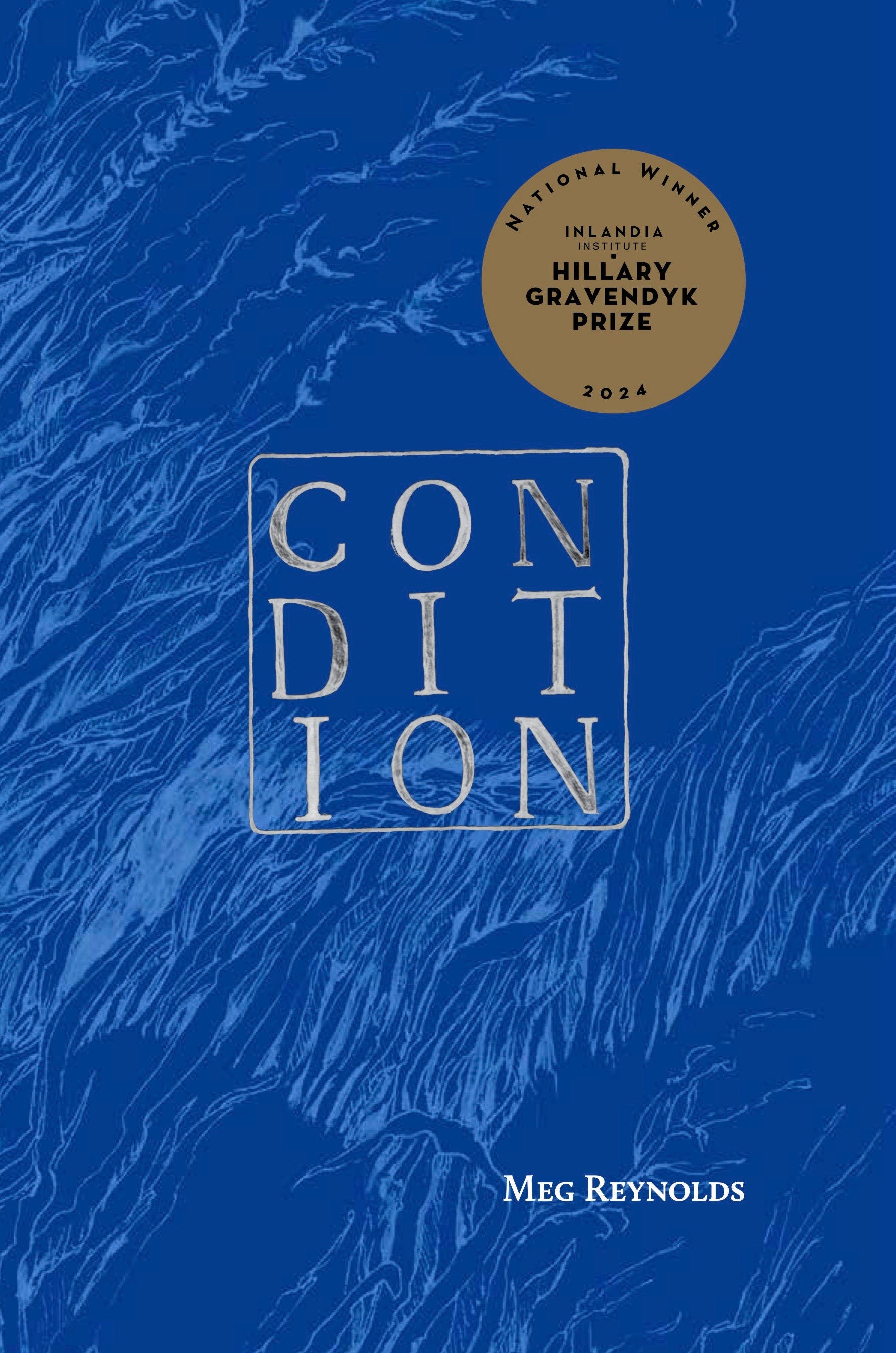
I’ve never met , but we’ve both lived in Vermont. And, like her new book Condition, my poetry collection The Silk the Moths Ignore won the Hillary Gravendyk Prize and was published by Inlandia Institute. Cati Porter from Inlandia reached out to tell me that they were publishing another poetry book about early motherhood, and I was immediately curious. When I learned that the book included drawings alongside text, I knew I had to read it. Sure enough, I thrilled to these poems’ hushed uncanny mysteries and moments of feral care. And then just recently I saw my Vermont friend Willow1 post on Instagram about reading this book while caring for her newborn twins! (If there’s ever a period when we need poetry company.)
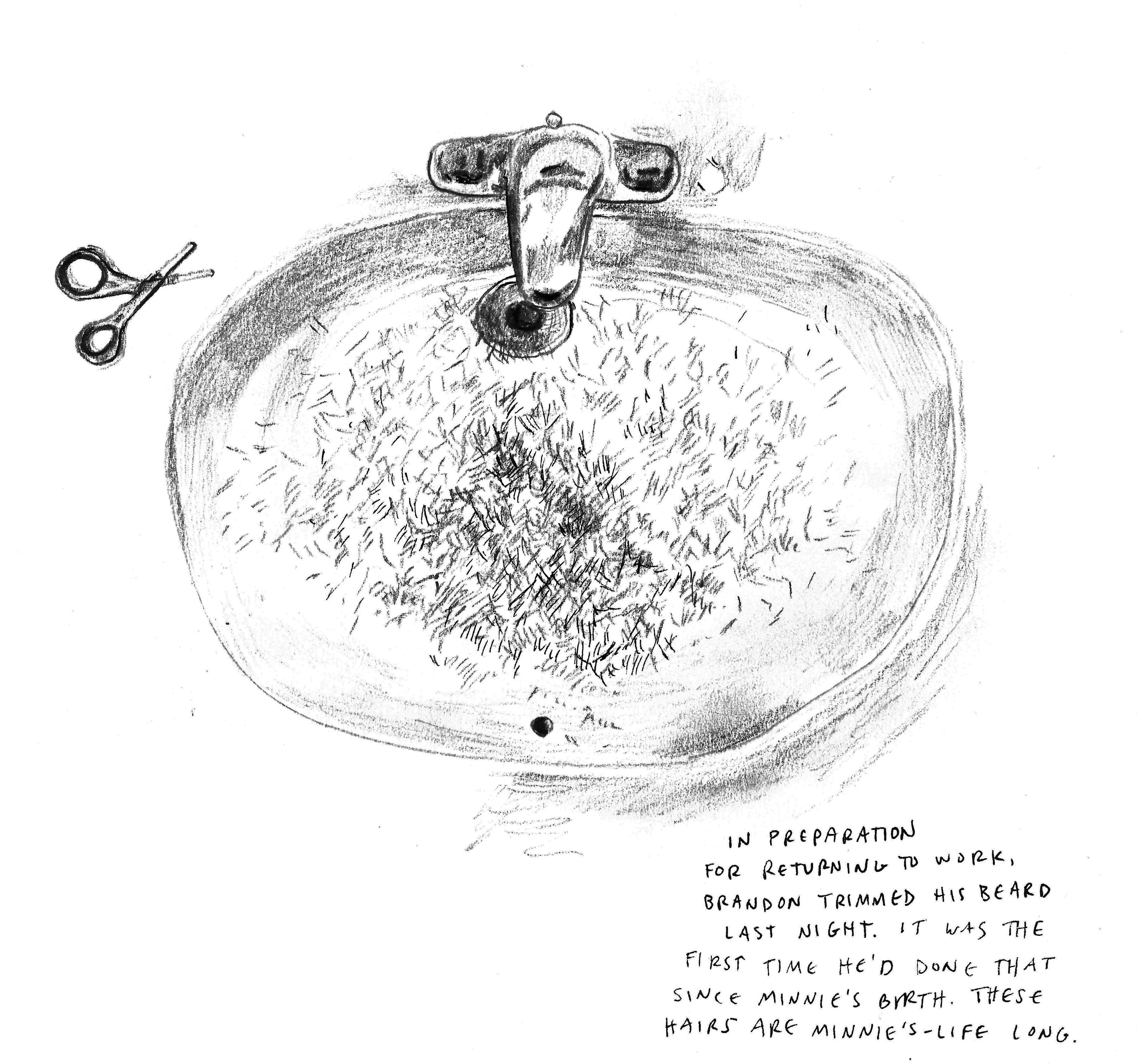
I especially appreciate how the documentary aspects of this collection sit alongside its alchemical side, how Meg anchors the transformations of parenting in everyday increments like the length of beard hairs and then offers images of dazzling strangeness like “she nurses there / like foal at a stone / of salt.”
I’m so pleased to share this interview, which comes with a special shout-out to anyone trying to make art amidst something.
What are three key things to know about this book?
This is a postpartum document of early motherhood.
Early drafts of these poems and creation of these images took place during the lockdown period of 2020.
It’s a hybrid book that incorporates poems, poetry comics, illustrations, and other hybrid pieces to express its central ideas about the beginnings of motherhood and transformation in isolation.
What’s a problem—small or large—that you encountered while making this book?
This will be obvious to anyone who wants to make art and children, but figuring out how to continue writing under the conditions of constant change, interruption, and exhaustion that are inherent to parenting, especially the parenting of small children, was like learning a new language. There were periods where I wrote feverishly. The energy to care for my daughter was sometimes excessive and urgent. I would wake up at 1 AM to the sound of a weak cry and then, even if she rolled over to go back to sleep, I would be awake, fully charged, alert in the way that caring requires.
People ask about the lack of sleep and how new parents push past their tiredness, but my answer is that the energy just comes. We are built for this. Of course, there were other days where all the creative energy I had was devoted to composing breakfast. Decision fatigue meant I could barely navigate pants. There were no poems, little reading then. Riding out those waves fluidly and fluently took months for me to master.
What did you do? How did you move forward?
Two enormous factors allowed me to find my way through this to create a finished book. First, in the creation of my first book, A Comic Year, I had a daily writing and drawing practice in order to build up the raw material of the book. In response to the grief that accompanied the end of a long term relationship, I wrote a poetry comic every day for a year following the break up to watch my path through and out of grief. I had experience with working through phases of great feeling.
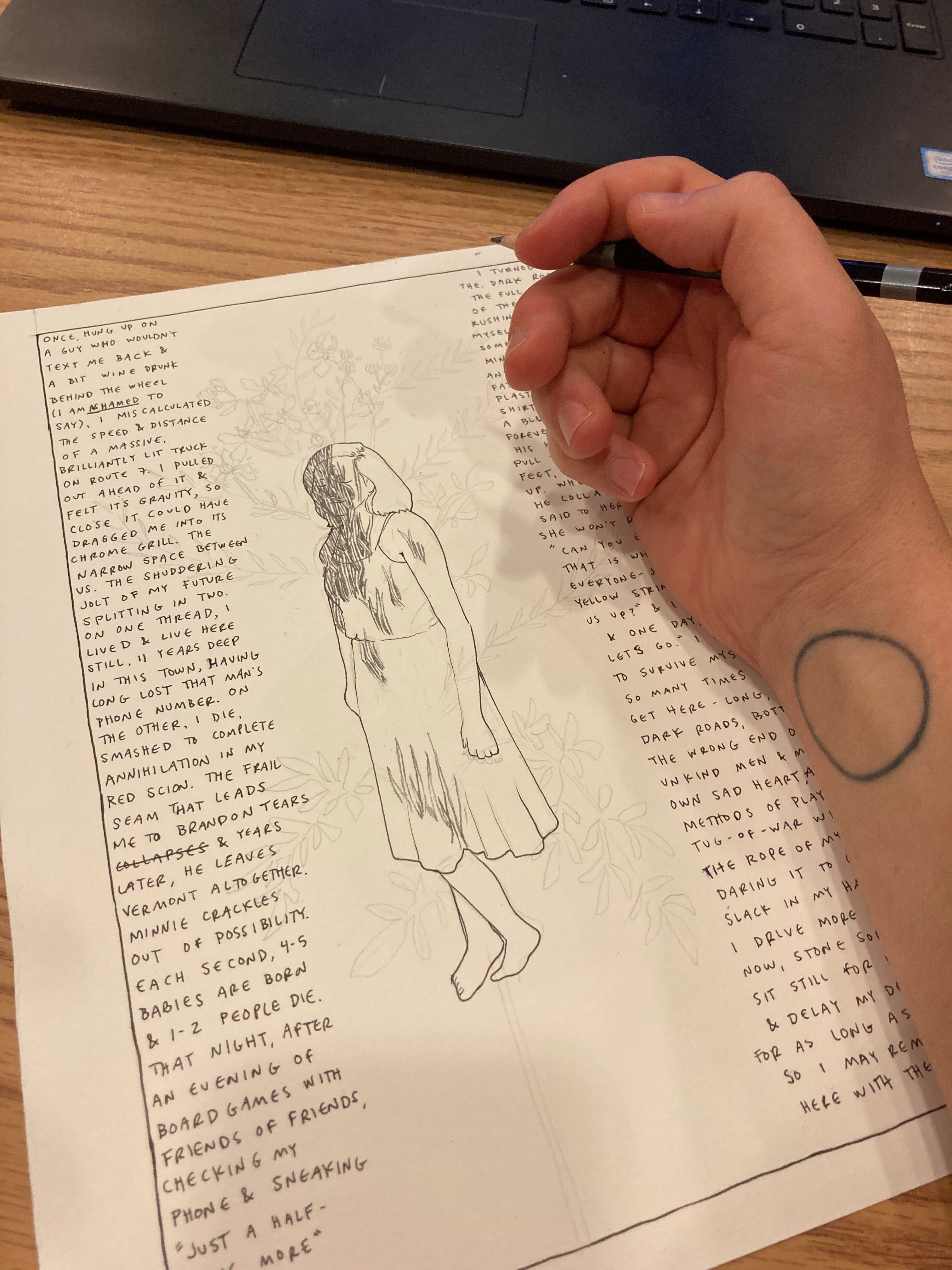
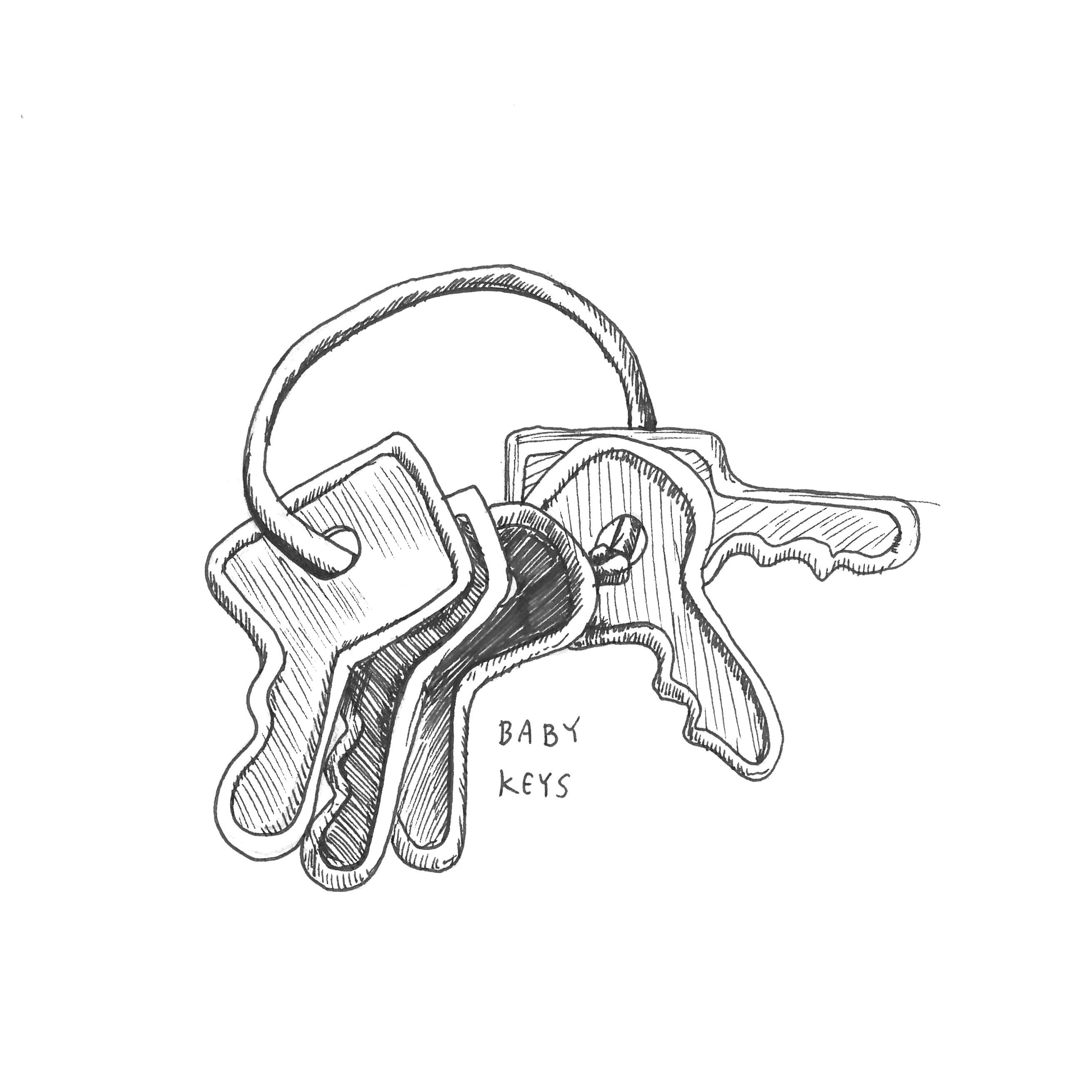
So I repeated this process for a good 9-10 months following Minnie’s birth, I wrote in a journal every day and often made drawings of her and other key objects that attended her infancy (burp clothes, baby keys, etc. that were at first essential then obsolete as she grew). I am sure that many parents will notice the significance of that age, 9-10 months, in terms of mobility. One she started pulling herself up, crawling, moving so fast, my productivity took a huge downturn for what felt like a long time. I was chasing her around the apartment, constantly improvising her care and safety. I don’t remember a lot of this period except the endless walks around our neighborhood.
This brought on the second piece. I was with Minnie at a doctor’s appointment, waiting around while she opened every drawer she could reach, and out of desperation, I wrote to my friend, the extraordinary poet Bianca Stone,2 who also has a young daughter, and asked her, HOW? How do you do this? She has written at least three utterly beautiful books since her daughter’s birth, and as foggy as I was, I knew she could help me.
She said to me, “You just have to do it every day. Every day, go to the poems. Send me something today.” So I did and kept doing it. I sent Bianca a poem every day for months using my journals as the source materials to create the poems that ultimately have composed this book. She often wouldn’t respond, but when I really hit something, she did, with such love and support. Her support for Vermont poetry, poetry as a medium in general, is in some ways well known, but in other ways, quiet and for its own sake. That is how care works and I think one could even compare it to how living things grow. She and other poets like her keep poetry alive. She helped keep these poems alive and I owe her so much gratitude. I hope to be such a poet who—by both making poems and supporting other poets—enlivens the world of poetry.
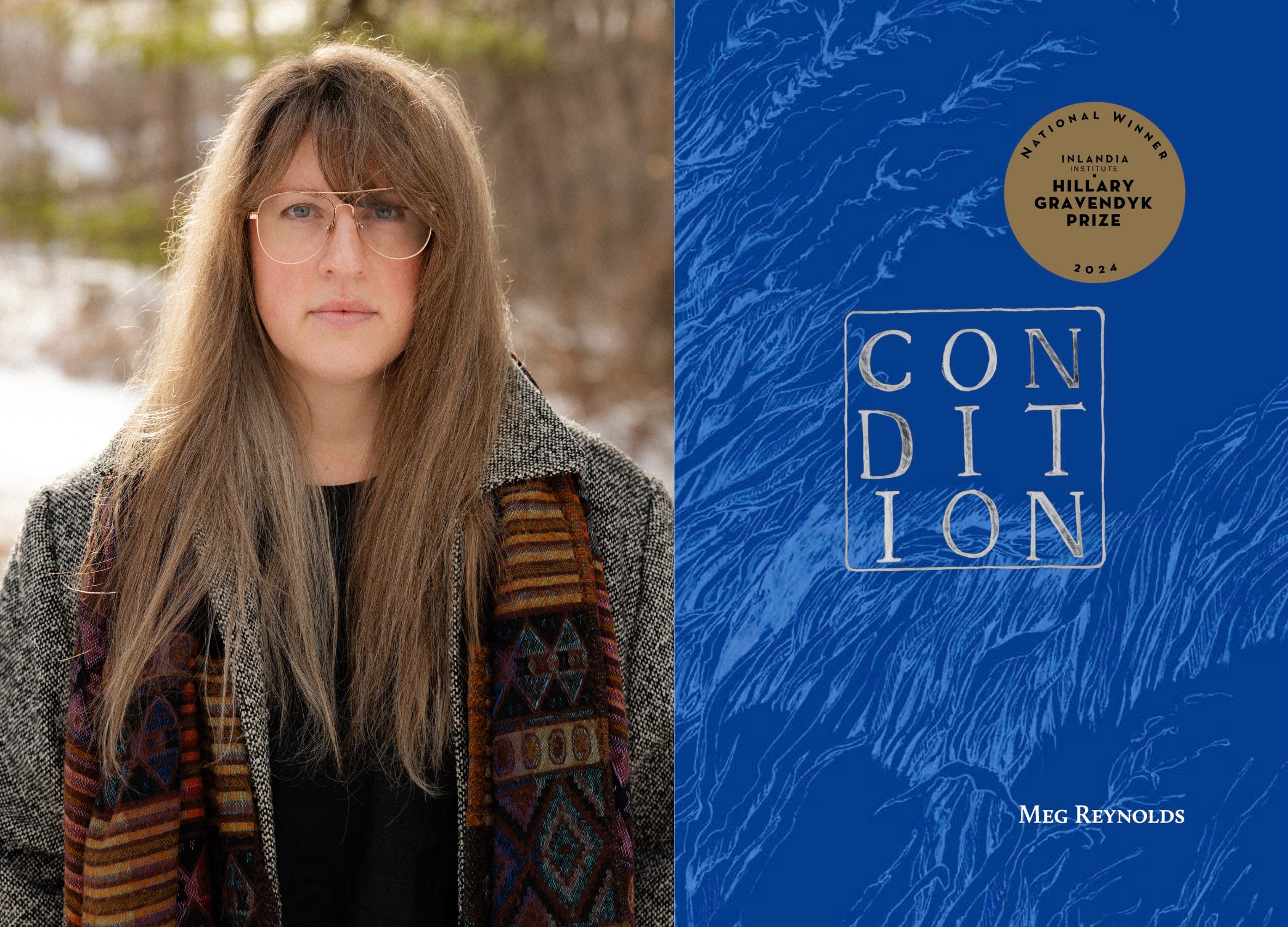
is a poet, artist, and teacher from New England. An instructor in writing and humanities at Vermont Adult Learning in Burlington, her work has been published in a number of literary journals including Mid-American Review, RHINO, The Offing, Iterant, Prairie Schooner, New England Review and the Kenyon Review. A graduate of the Stonecoast MFA program, her poetry and comic work has been nominated for the Pushcart Prize three times and once for Best the Net. Her first collection of poetry comics, A Comic Year, was published in October 2021 from Finishing Line Press. Her second collection, Does the Earth, was published in May 2023 from Harpoon Books. Reynolds’ poetry was published in Best New Poets 2023. Reynolds was also the 2024 winner of Inlandia Institute’s Hilary Gravendyk Prize with her collection, Condition, published in April 2026.
Try This at Home
Especially during a period of intensity, allow yourself to make poem MATERIAL rather than trying to “make poems.” (Same goes for essays or stories or whatever genre you’re working in). Take the pressure off your making and just collect whatever strikes you. Meg talks about “using [her] journals as the source materials to create the poems.” Distilling and transforming such source materials can lead to incredibly rich and revelatory work, even when the initial documenting feels dull and blurry.
Even if you “don’t draw” (but, as Lynda Barry would say, when did you stop? We all draw as kids . . .), try incorporating some kind of sketching or drawing into your notebook practice. Meg does this beautifully, but even those of us with less skill can give this a go. You can see some of my truly inexpert attempts at incorporating images into my notebook in a feature did for a while back. With more and more frictionless smooth AI slop available, I’m appreciating more and more the clumsy lines of an individual hand, even my own.
Find a source of what I like to call “friendly accountability.” Meg committed to sending her friend Bianca a poem every day, drawing on her journals as source material. Somehow knowing that Bianca was waiting on the other side was enough to hold Meg accountable to this commitment. Friendly accountability might also look like:
A shared Google spreadsheet where you document progress with a friend and leave comments to cheer one another on.
A weekly or bi-weekly phone call with a former classmate to discuss puzzles and challenges in your respective projects.
A co-writing date (I’m sitting across from my friend Hannah on one of these right now!). If you can’t meet up in person, you might also do timed writing sessions remotely with check-ins via text, phone, or Zoom in the breaks. If your schedule doesn’t align with a friend, you might also try out friendly accountability with a stranger through a platform like Focusmate.
More Like This
Warm best,
Bronwen
PS: If you liked this post, please hit the heart to let me know! You can also support this newsletter by subscribing, sharing, or commenting.
Meg let me know that poet Diana Whitney is the link between Condition and Willow. :)
I’m also a Bianca Stone fan! I love teaching her poem The Infant’s Eyes in my big Intro to Poetry lecture course alongside odes by Pablo Neruda and Ross Gay.
Comments
Nothing yet. Say the first thing.
Sign in to join the conversation.