Nitty-gritty process-nerd notes on writing, reading, teaching, & cooking. Monthly(ish) updates with writing exercises, reading recs, recipes, and more.
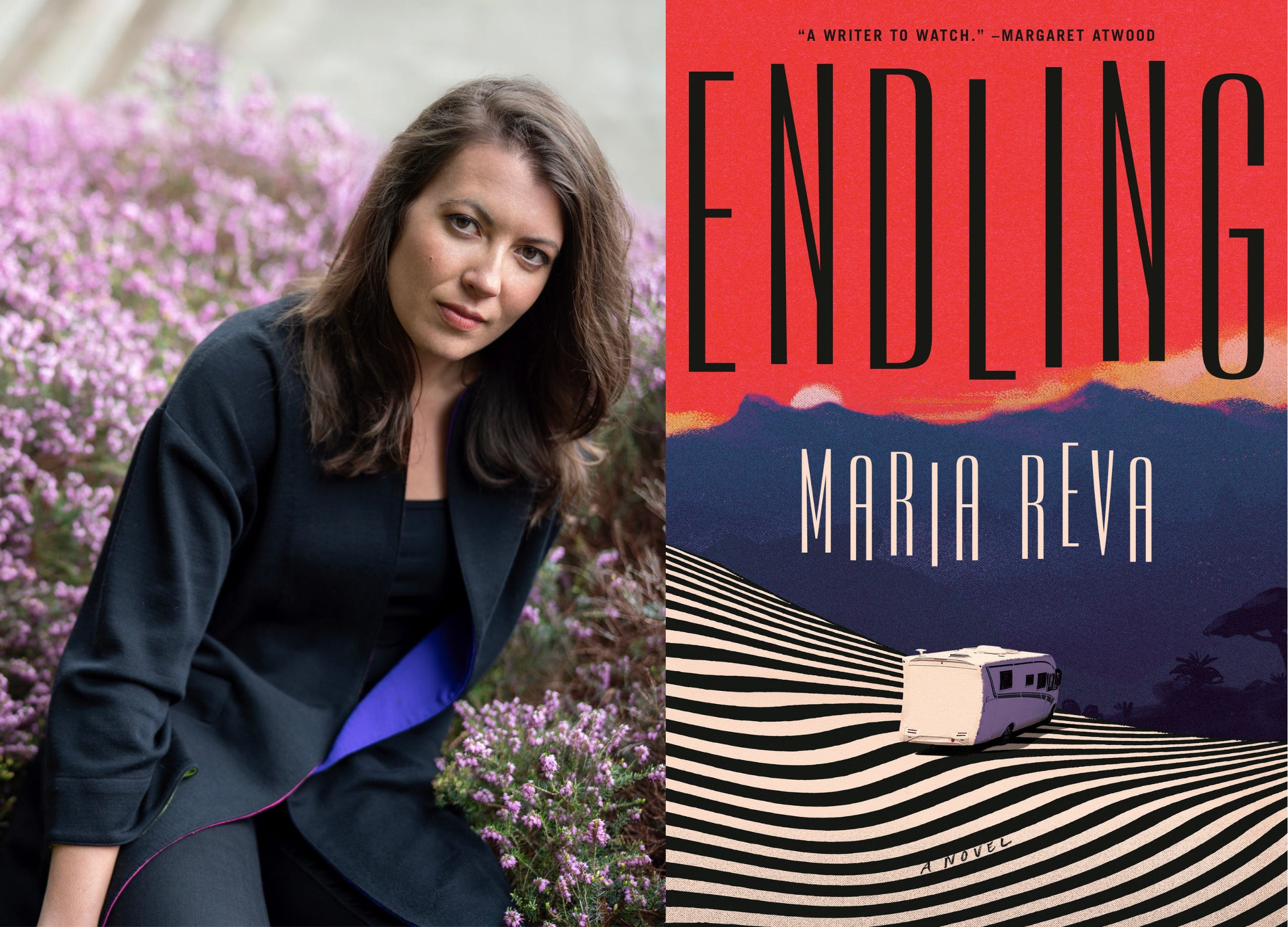
I gave up on my novel. How to continue with romance tours and snails when there was a war on? Who was I to write about war from my armchair in Vancouver? What was my role as artmaker when the world around me kept shifting?
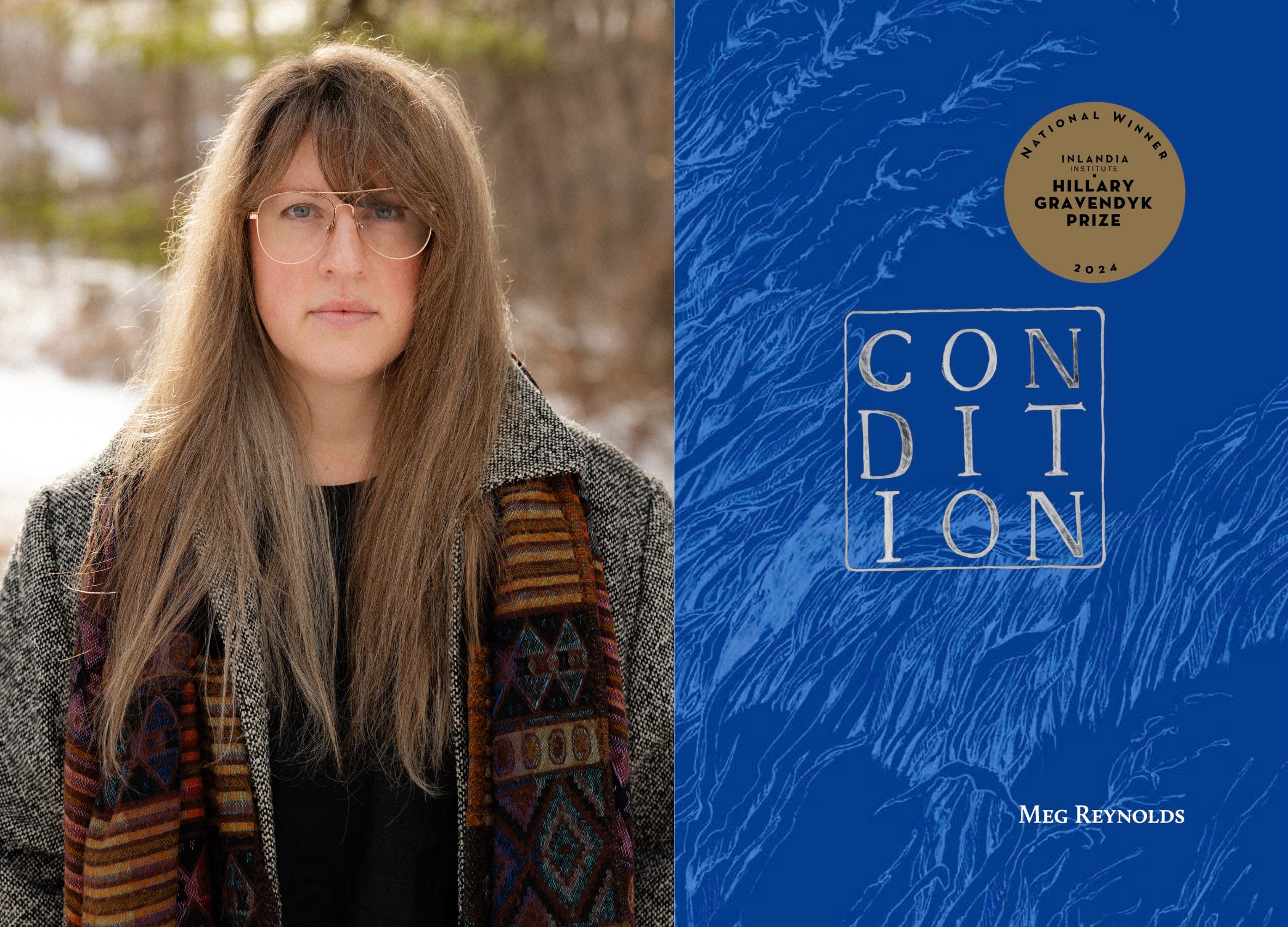
figuring out how to continue writing under the conditions of constant change, interruption, and exhaustion that are inherent to parenting, especially the parenting of small children, was like learning a new language
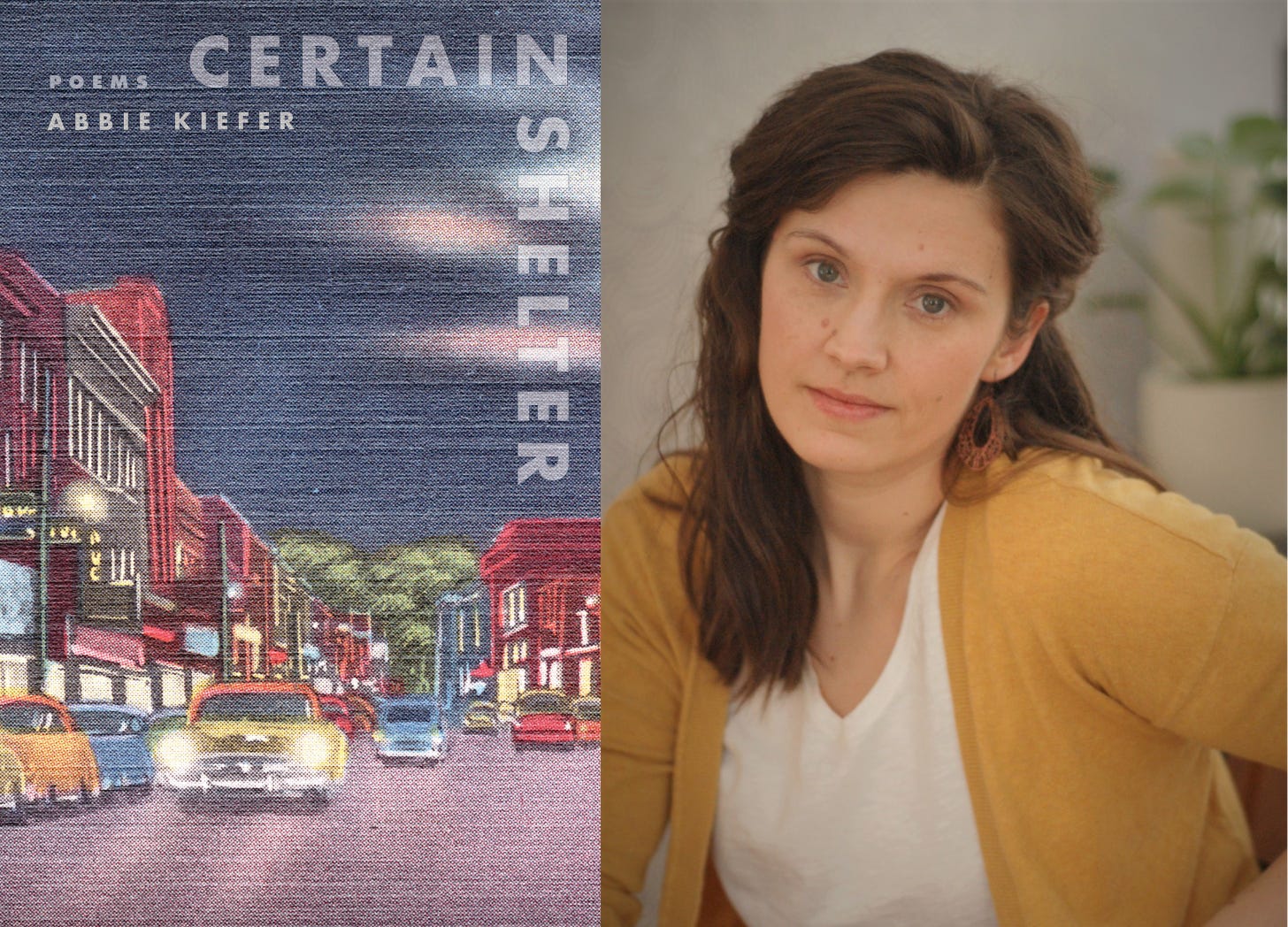
I’ve worked outdoors quite a bit in my lifetime, and if you walk around with a rake, you will find things to rake up. If you have a sonnet, you’ll find things to sonnet.
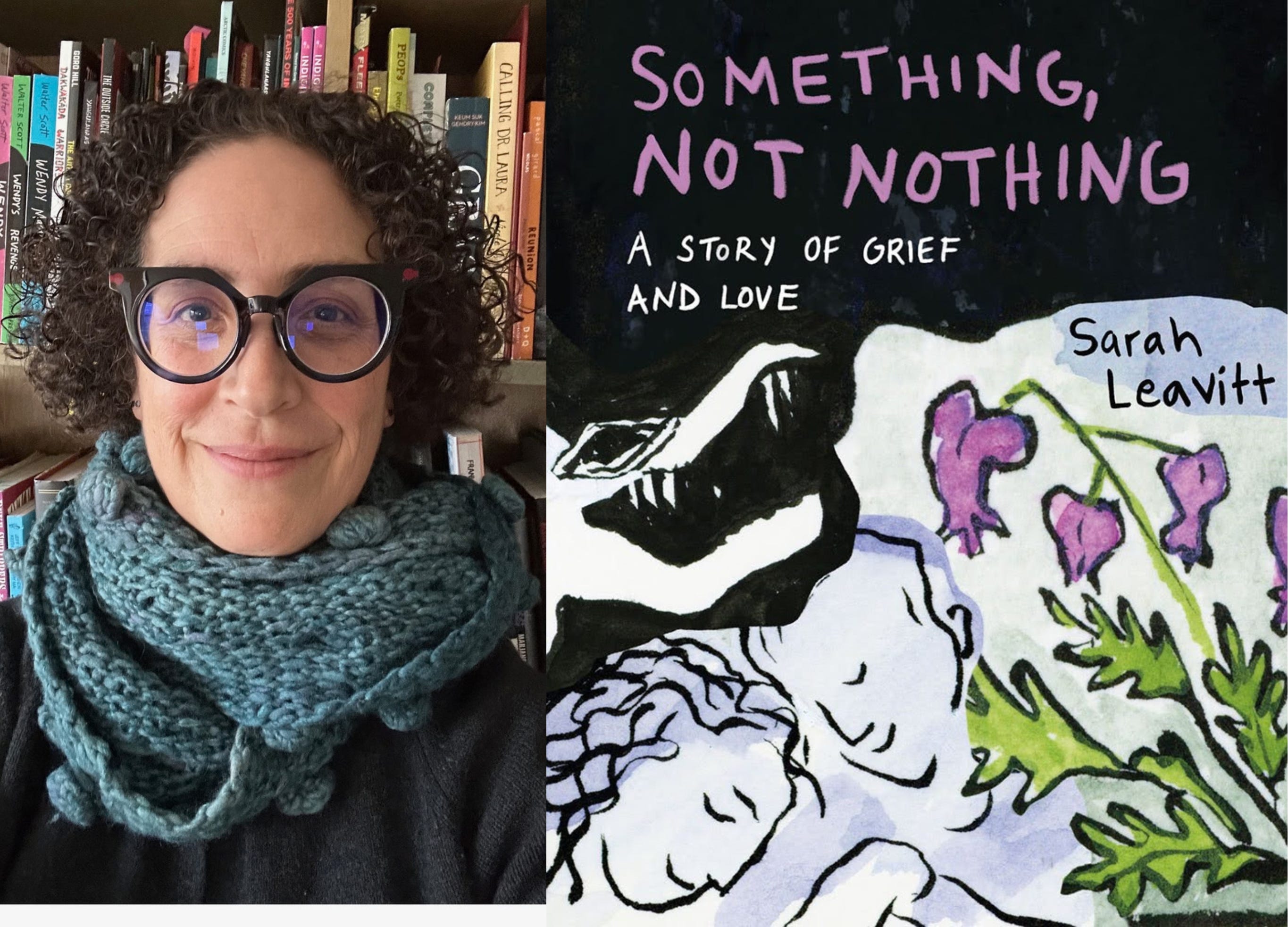
At the center of this book are my mom’s illness and death—a process of loss that made me easily distracted. I couldn’t write or read, so I stuck to what I thought of as easy television—cooking shows, predictable dramas. But even those became lenses for my grief, so when I started writing again, an ekphrastic TV poem found its way into what I was doing. And then I wrote a second one.
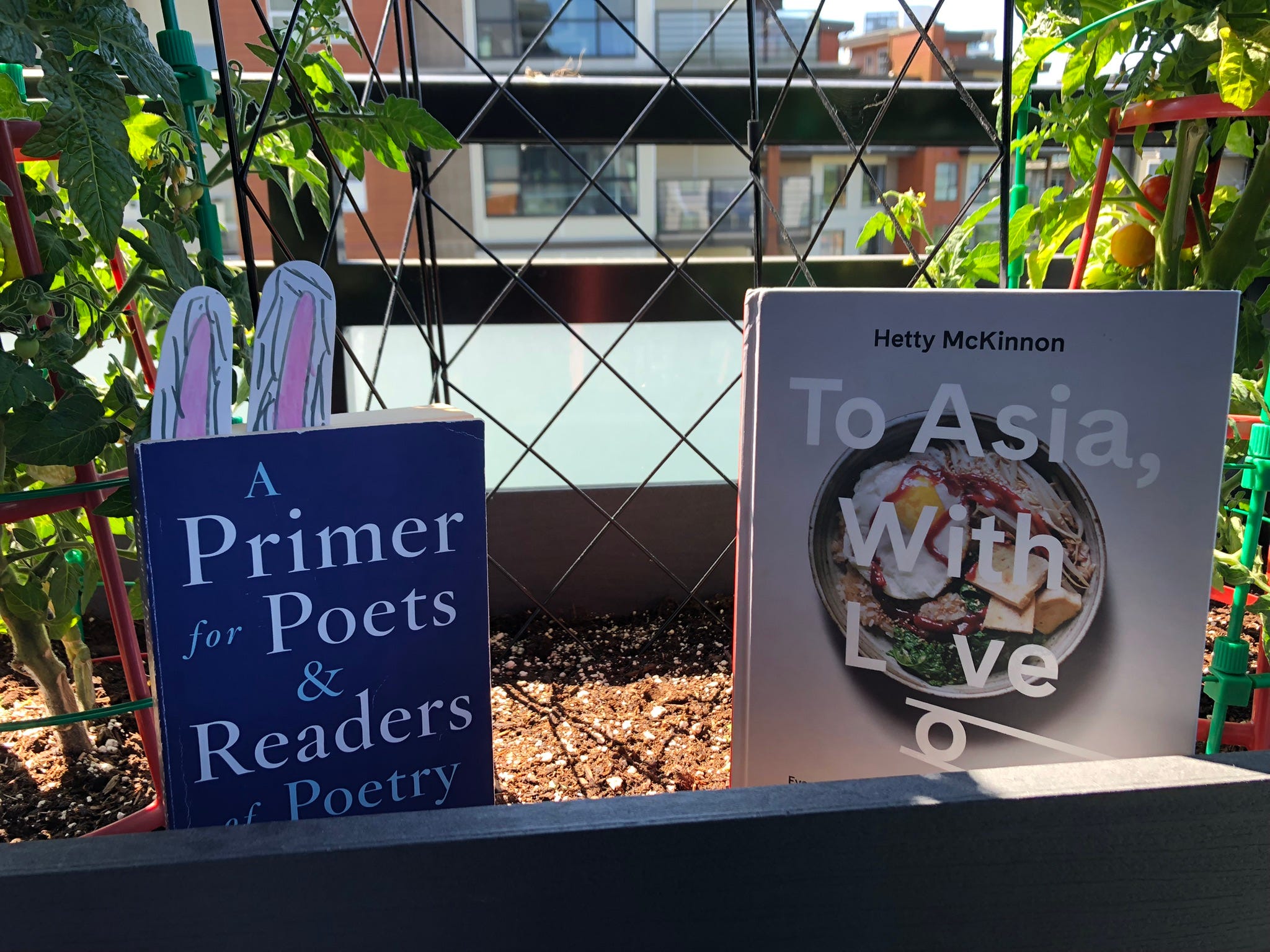
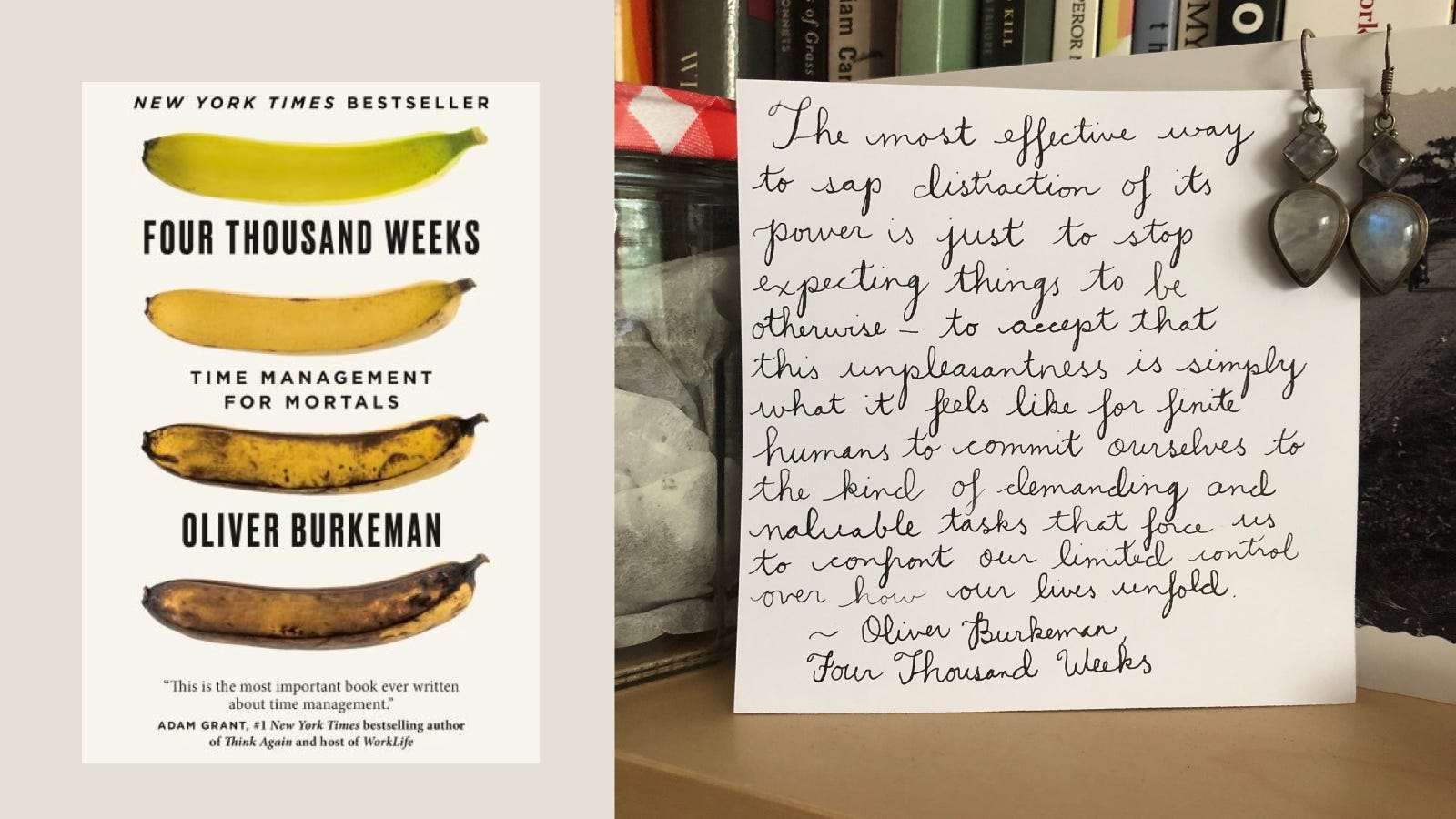
So, welcome to a new series: A COOKBOOK AND A CRAFT BOOK in which I share notes on one cookbook and one craft book (which I understand broadly as anything that has helped me become a better writer or writing teacher).
This book was supposed to be fun (and don’t worry, I think it turned out fun in the end). But I was inputting a huge amount of pandemic news every day. And we were all isolated and anxious and scared for our lives. It was just a dark fucking time. But the book was under contract, so all I could do was grit my teeth and write anyway. I remember the first round of edits that I got, the big feedback…
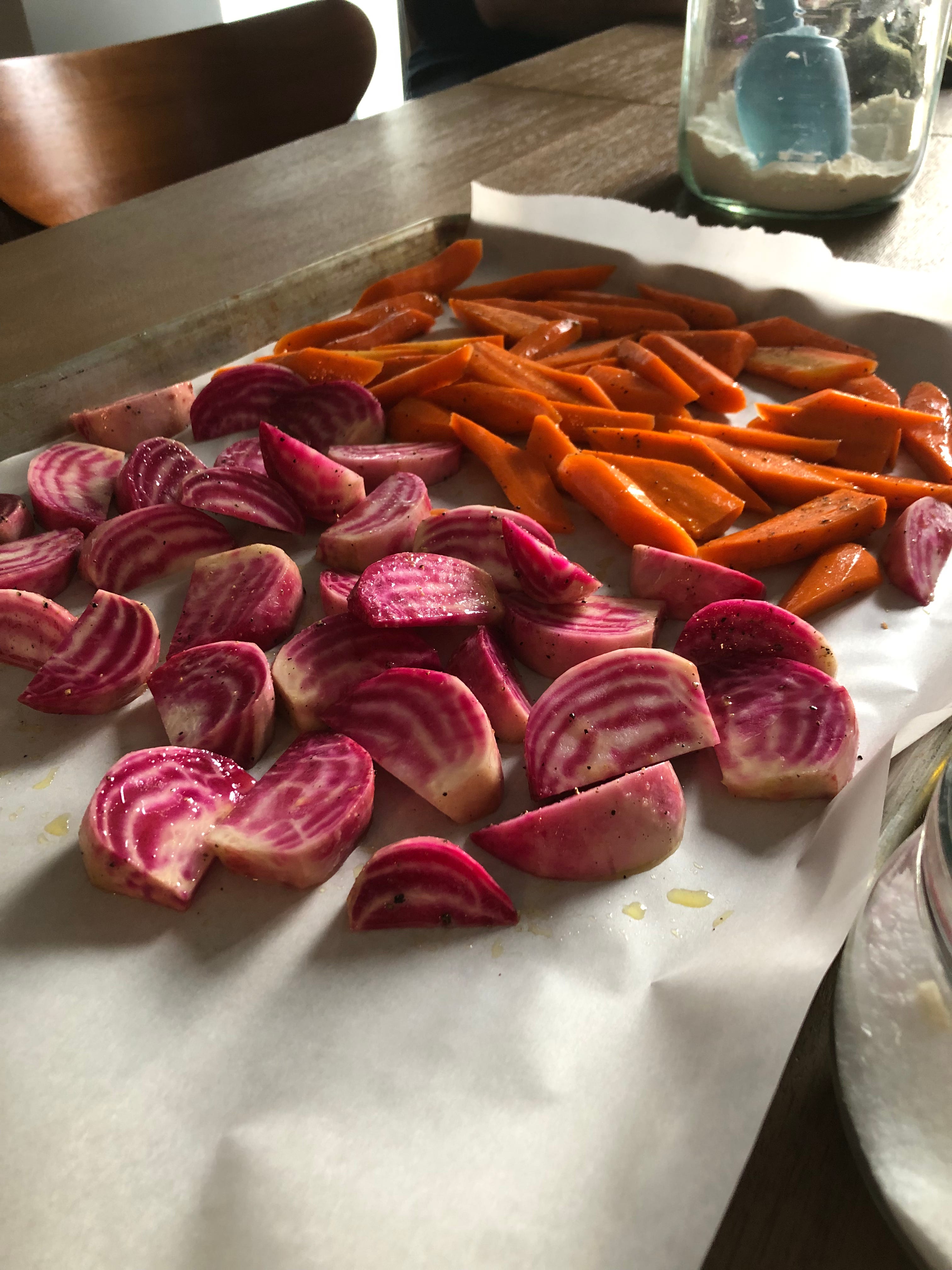
Here’s what you need:Some beets, carrots, or other root vegetables. Potatoes, sure. Parsnips, why not? A winter squash like kabocha would be fine too. Olive oil and salt. We can assume this, yes? Kale, preferably Black Kale, also called Dino Kale or Lacinato Kale. Lemon juice. Fresh-squeezed. Or just use a nice tart vinegar, it’s fine. Some salty fatty things, ideally an olive, a nut, and a…
The index cards forced a measure of economy, since I couldn’t explain the nuance of a study or wax poetic, and taping them up meant I could easily move things around and see the relationship between the parts. Color coding, with one color index card for memoir and another for research, helped me to think about the balance between the different materials I was using.
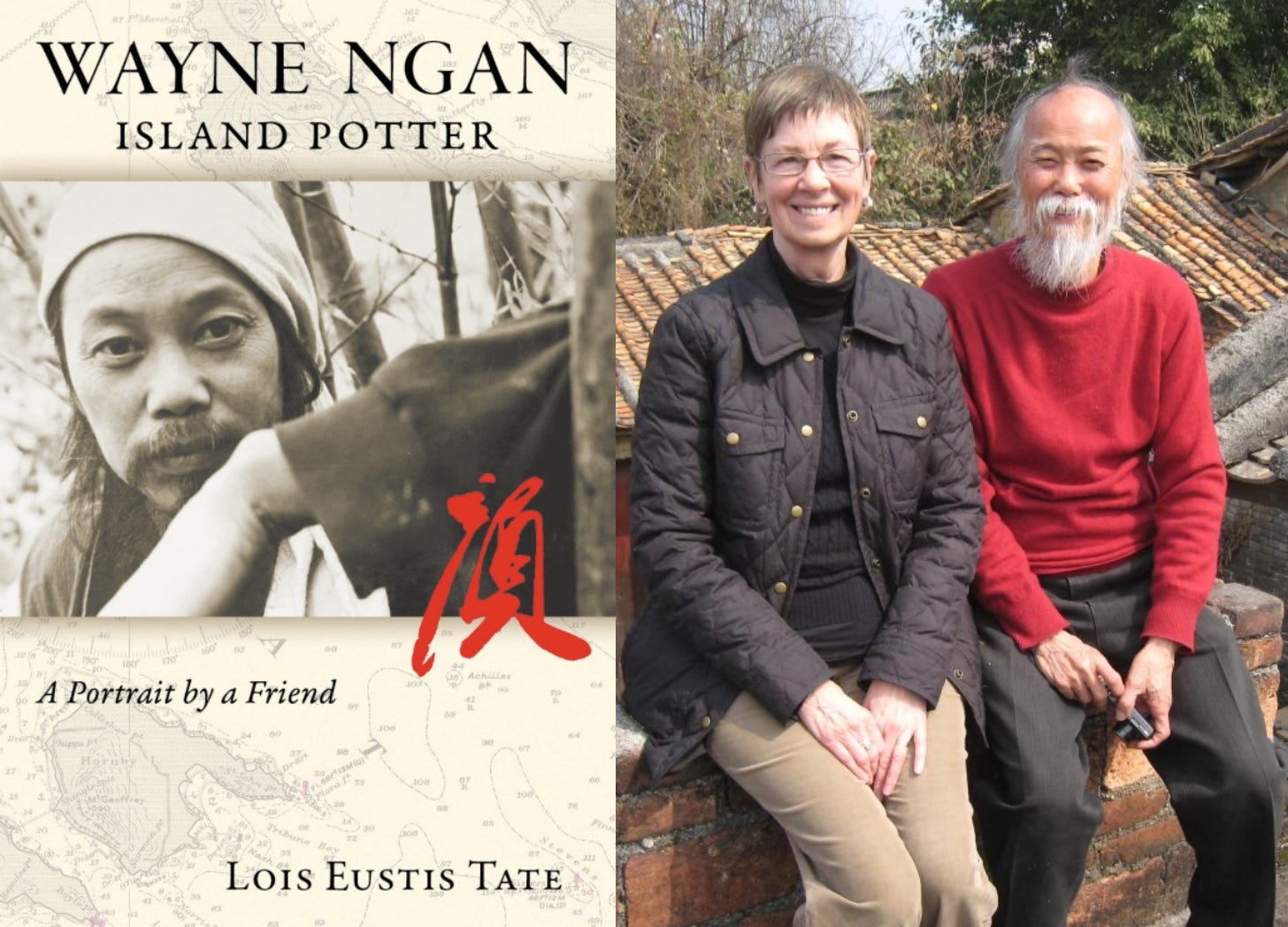
I began by working on the level of the scene, learning those building blocks. I wrote scenes from Wayne’s point of view, based on events he described in detail, as I recorded our interview sessions. I wrote scenes based on my memories of times with Wayne, from my teen years, and then from the early 1970s when I moved to Hornby Island, where Wayne lived with his wife Anne and their first daughter.…
I perched in the padded tattoo chair grateful for the lymph, the healthy white blood cells rising up to the surface that allowed my skin to take the needle and the ink. I ate a strawberry in the name of sympathetic magic and texted a picture to a few friends.
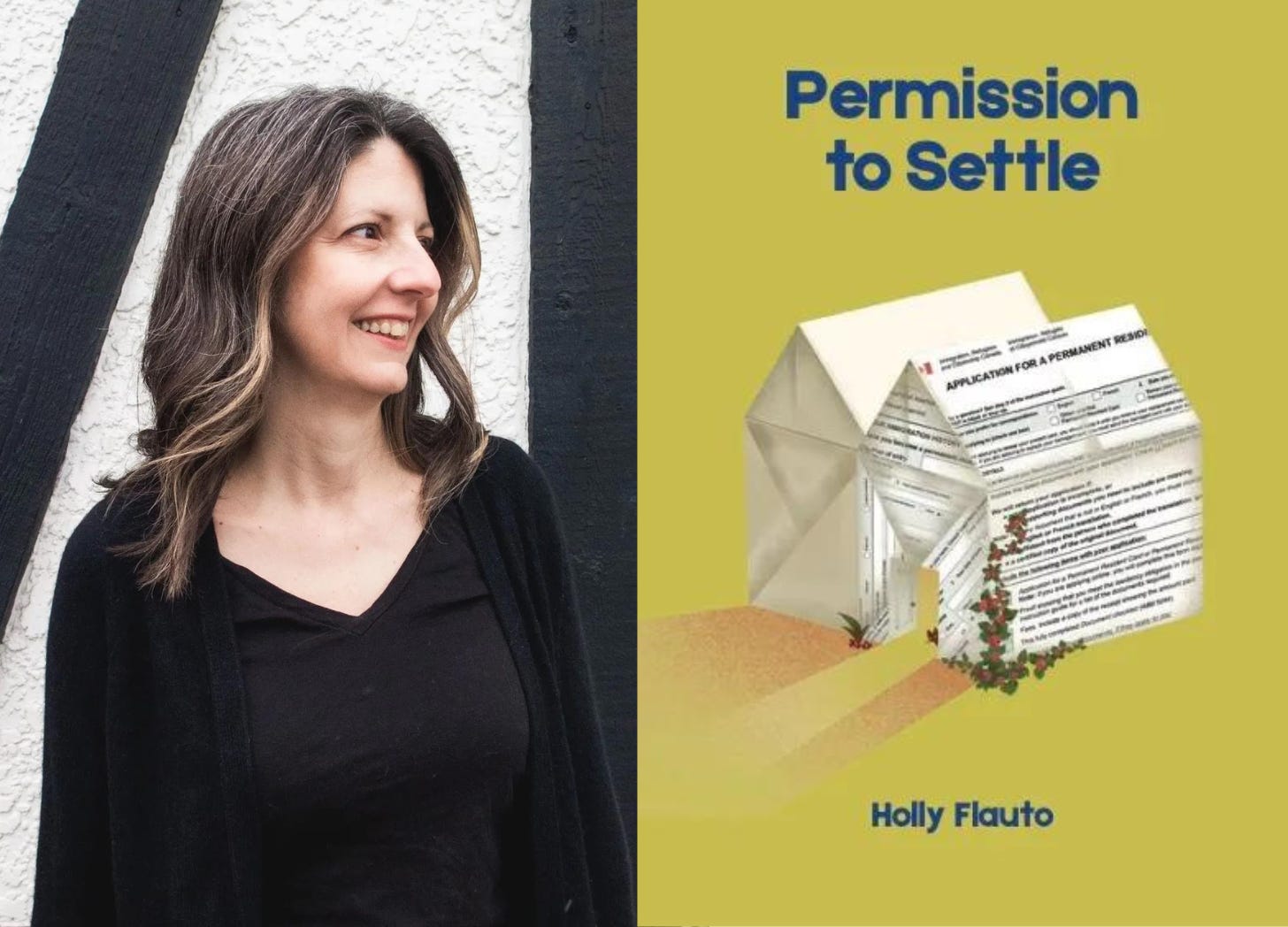
The answers to the blanks on the immigration application have burst out of their normal official structures into poems—each one stretching out in a different way.
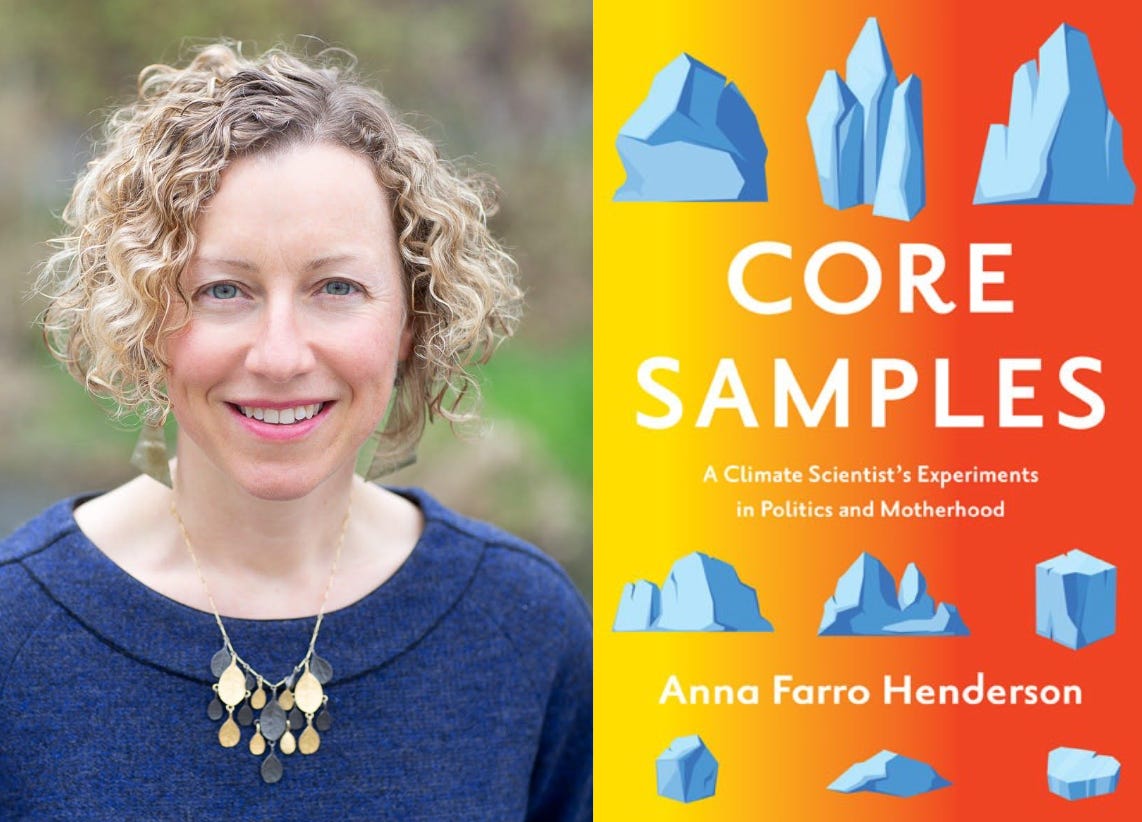
I bring readers into the research and discovery process of science and behind the scenes in the work of politics. I wrote the book with my old field notebooks from collecting scientific samples, letters I received while living on a glacier, meeting notes from when I advised elected officials, photos, news stories, and a diary kept while pumping milk in the U.S. Senate.
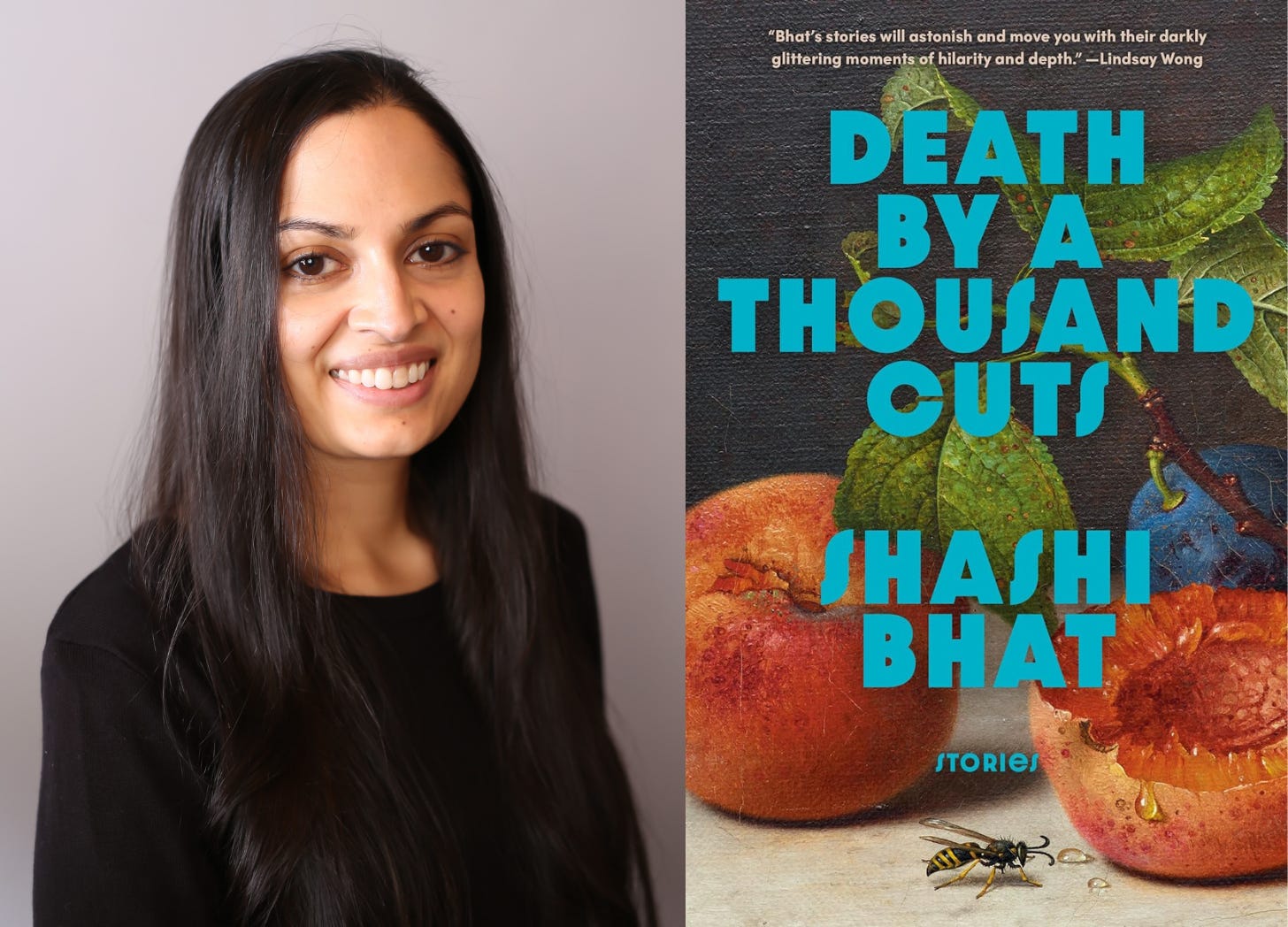
"With the title, I wanted to suggest the theme of accumulating injustices, small slices of harm that are ultimately devastating—this theme is present in some way in every story in this book. I didn’t know it was also the name of a Taylor Swift song."