
It is an exaggeration to state that a single BAM activity ‘changed my life’, but I can honestly say that participating in the Development Programme for Directors of Research (DPDoR) made a significant difference to my leadership practice and has hopefully had a positive impact on many of the people that I have worked with over the years.
DPDoR is a joint initiative of BAM and the Chartered Association of Business Schools (CABS), comprising four two-day sessions spread over nine months, facilitated by an experienced research leader, with excellent speakers from across the sector. Participants are typically recently appointed or aspiring research leaders.

In 2014, I was both delighted and slightly nervous to be appointed as Associate Dean for Research (ADR) at Hull University Business School. On the face of it, I had no reason to worry. I had spent several years as director of a university-based research institute and then as director of a small consultancy. Surely the ADR role would be straightforward for someone with my experience?
It didn’t take long for me to realise that I had a lot to learn about leading in an academic environment, and I had no idea where to turn for support. My fellow ADRs at Hull were supportive, and I made a point of participating in the university’s leadership development programmes. This helped, but I still felt ill-equipped to address the specific challenges I faced in my new role, especially with my background being mainly in commercial or quasi-commercial research rather than in ‘pure’ academia.
I began to wonder whether I had made the right decision. I had limited experience of REF, journal rankings, research strategy, doctoral programmes, ethics and a whole host of other areas for which I was suddenly responsible. My previous roles involved managing projects, budgets and people, but I realised that the structures and cultures of universities differ significantly from those of the smaller, less formal groups that I had previously been involved with.
It didn’t take long for Imposter Syndrome to kick in. Many of the colleagues I was leading had stronger publication records than I had, and I was tasked with making often difficult decisions about REF submission, doctoral scholarships, conference funding, research time allocation, sabbaticals and so on. Perhaps I had stumbled into the wrong job? Maybe I should cut my losses and revert to my lecturing role or move back to the commercial sector?
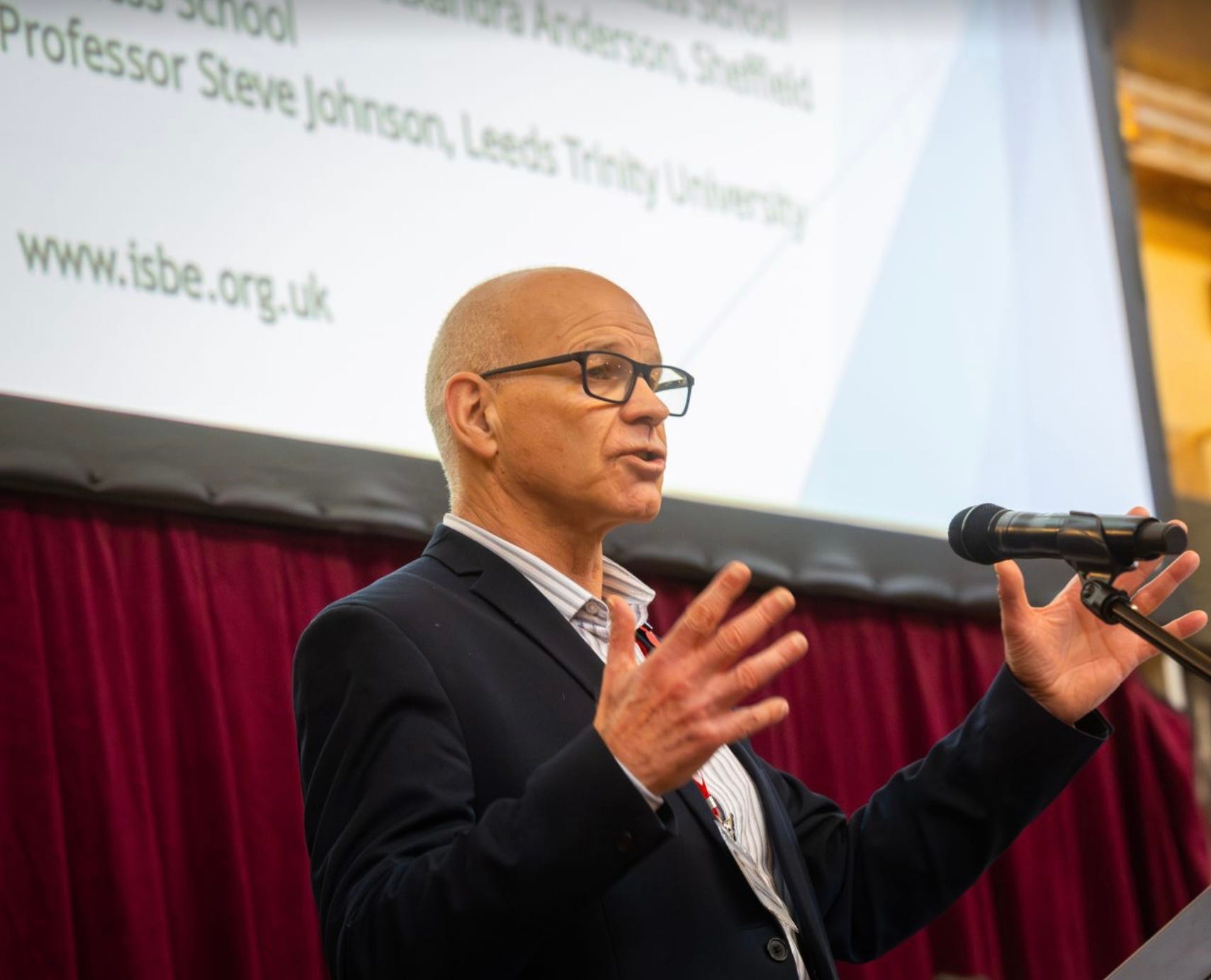
Then everything changed, although I didn’t realise it at the time. My dean, to my eternal gratitude, agreed that I could sign up for DPDoR and made funds and time available for me to participate. I went into the programme with a positive attitude, determined to learn more about the areas that were a bit of a mystery to me. The programme’s focus on research leadership issues specific to business schools attracted me, as did the stellar line-up of speakers with varying backgrounds and experience. I learned a huge amount from these speakers, all of whom were open and honest about the challenges they had faced and how they had tackled them, without condescension or elitism.
My most important takeaway from DPDoR was that I was not alone. The challenges I faced, and the Imposter Syndrome that I felt, were not unique to me. My fellow participants were incredibly open in sharing their concerns, listening to others’ problems without judgement and suggesting possible solutions.
I took away these lessons and tried to implement solutions to the problems that I had shared with the group. Not all the solutions worked, of course, but I tried to learn from these ‘failures.’ I kept in touch with other group members; we shared challenges and solutions, and occasionally ran informal mutual therapy sessions!
None of this made me a perfect leader (such a thing doesn’t exist, I now realise), but I decided to continue in my role and try to rid myself of the feelings of inferiority that had bugged me in my early months. If I wasn’t sure about something, I would ask someone instead of feeling that I ought to know the answer. I also realised that some of the skills and experience I had accumulated were challenging for many colleagues, and I was able to support them in areas such as proposal writing, presentation skills and people management.
I remained in research leadership following my DPDoR experience, moving on to roles at two other universities. I am now semi-retired, but I’m still implementing some of the lessons in my emeritus role and through my involvement with organisations such as the Institute for Small Business and Entrepreneurship (ISBE). I still don’t get everything right, of course, but I am continuing to learn and – hopefully – to make a difference.
Over 40 years, BAM training and development initiatives - in addition to high-profile and incredibly valuable events such as the annual conference - have supported me and countless other business and management scholars. Thank you to BAM and CABS, to my fellow DPDoR participants and to the many colleagues who have helped me develop into a more confident, responsible and, hopefully, effective research leader.
Steve Johnson is Emeritus Professor of Business and Enterprise at Sheffield Hallam University, having undertaken research leadership roles at four UK universities. He has led several initiatives to improve research culture, including reform of career frameworks, mentoring programmes and support for Early Career Researchers. Steve shares his thoughts about Responsible Research Leadership on Substack.
Comments
Nothing yet. Say the first thing.
Sign in to join the conversation.