

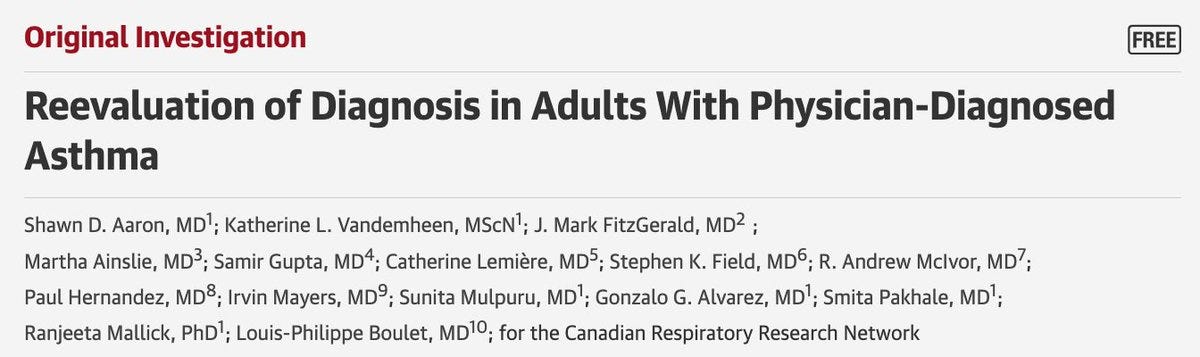
A groundbreaking study published in 2017 asked a simple but critical question: how many people diagnosed with asthma actually have asthma?
Researchers took 613 adults with physician-diagnosed asthma and put them through rigorous objective testing.
Here are some of their striking findings:
33% had their asthma diagnosis ruled out - no evidence of airflow obstruction, bronchial hyper-responsiveness, or asthma symptoms after stopping all medications.
Only 50% had undergone objective testing - despite being given the diagnosis
2% had serious conditions misdiagnosed as asthma - ischemic heart disease requiring coronary intervention, subglottic stenosis needing airway procedures, interstitial lung disease, pulmonary hypertension, sarcoidosis, and tracheobronchomalacia.
Asthma is particularly vulnerable to misdiagnosis:
Symptoms are episodic. You might wheeze during a viral infection but test completely normal weeks later at your appointment. Multiple conditions cause similar symptoms - heart disease, GERD, vocal cord dysfunction. And as the study documented, objective testing often wasn’t performed at initial diagnosis. Half of patients were diagnosed on symptoms and physical exam alone with no further investigation.
This creates the perfect storm for diagnostic error.
Now, this is not to say everything in your chart is wrong. Most diagnoses are correct, and some are more straightforward than others. But this is a good example about the smaller group where uncertainty exists and reassessment can make a meaningful difference.
Additionally, the study couldn’t definitively separate misdiagnosis from remission in all cases. But the association between lack of initial testing and ultimate exclusion of asthma was statistically significant.
Either way (whether misdiagnosis or remission) the finding stands: one-third of recently diagnosed patients with asthma didn’t have current asthma when systematically evaluated, with some serious conditions missed.
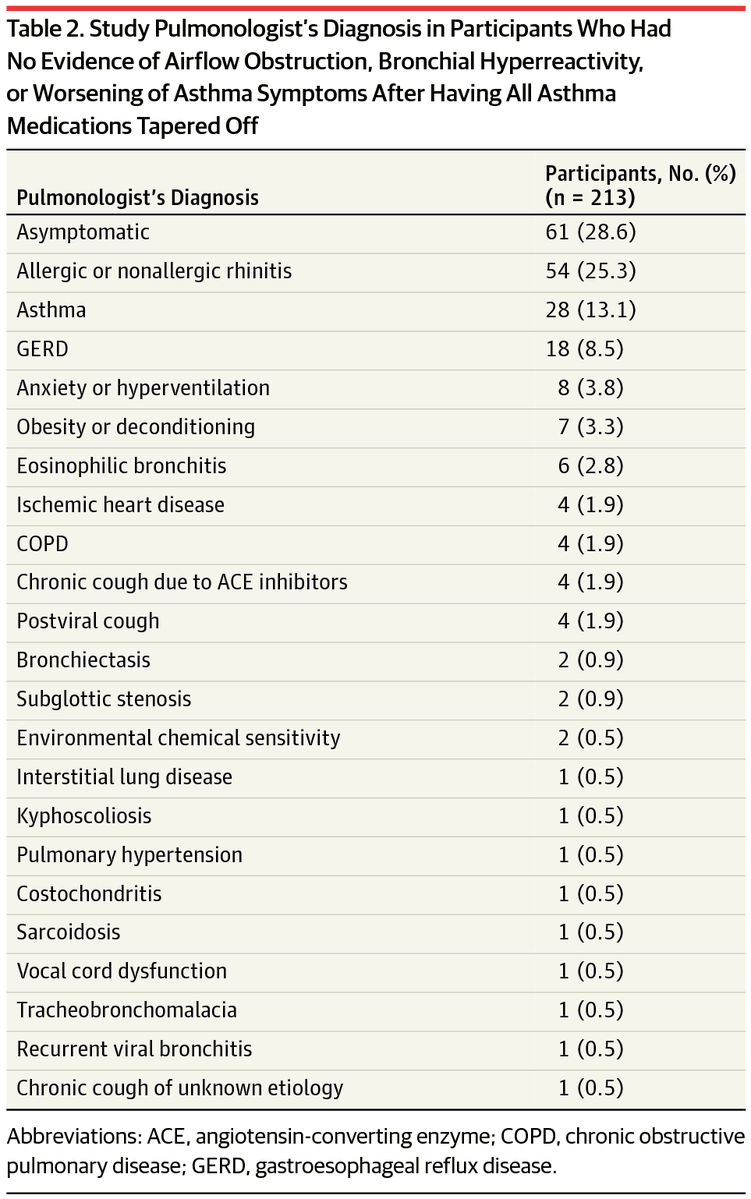
The study itself did not measure clinician decision-making psychology or anchoring bias. It documented outcomes: which patients did or didn’t have asthma on rigorous testing.
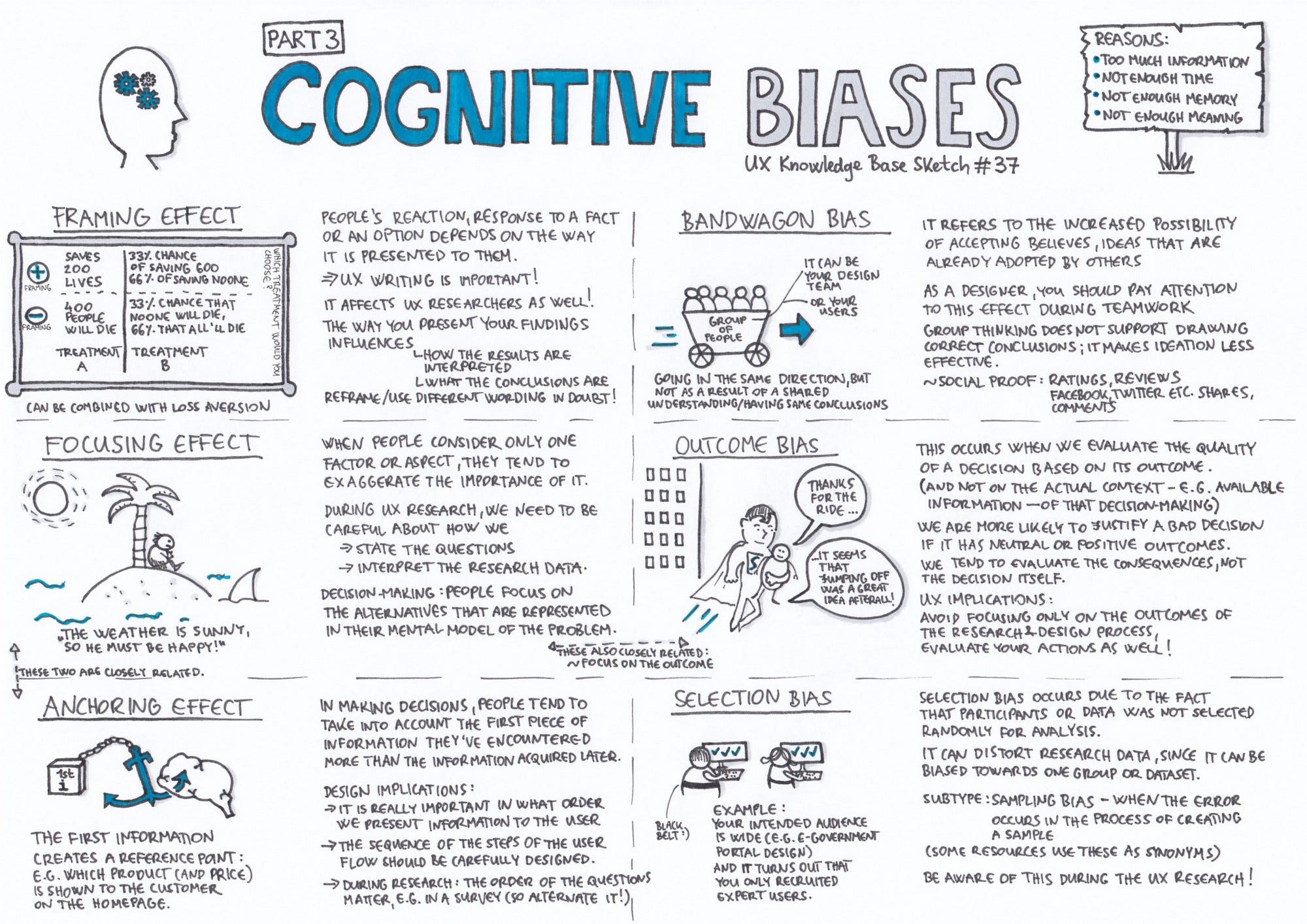
But the pattern suggests cognitive bias may play a role. Here’s how:
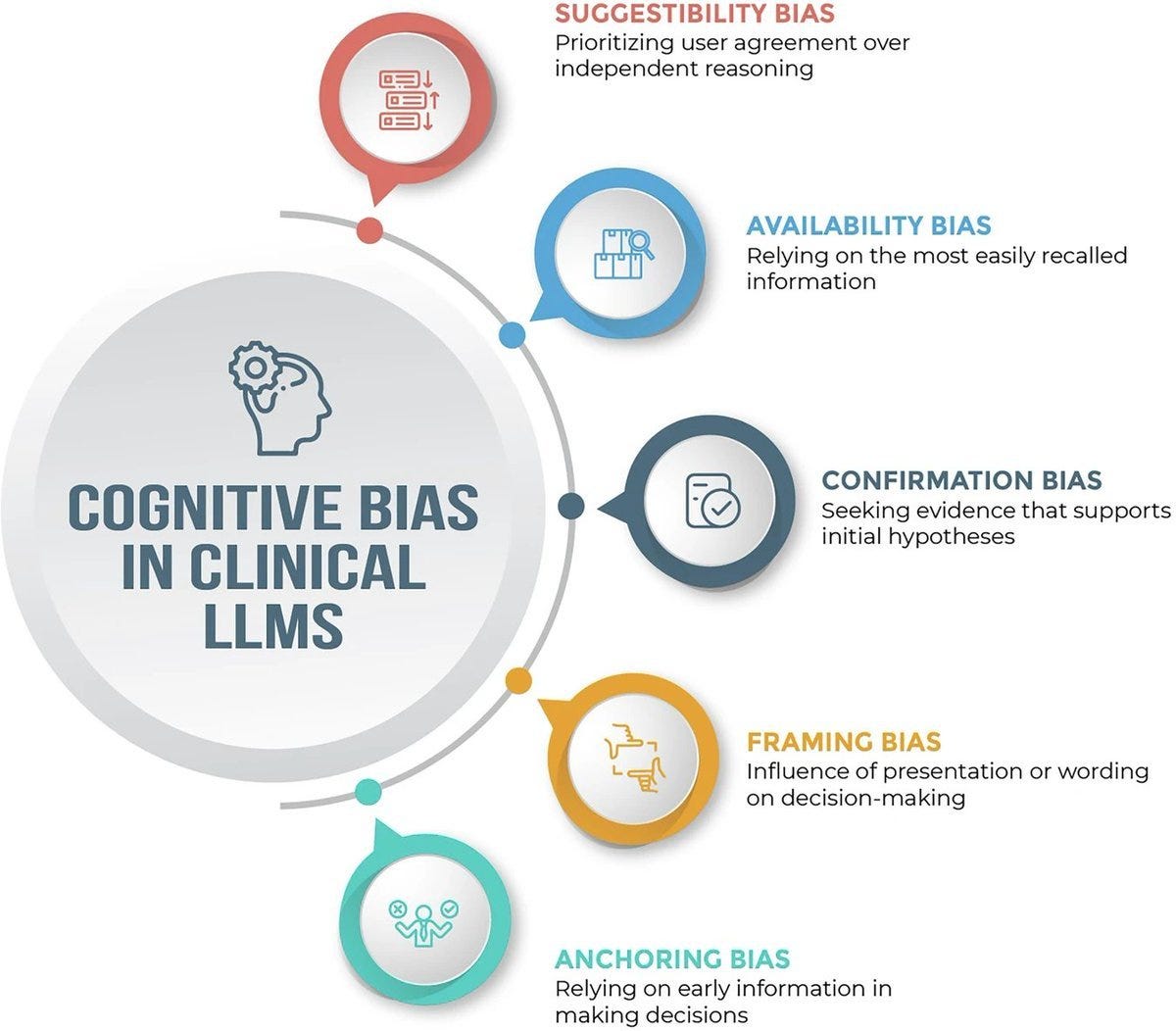
Once “asthma” appears in your medical chart, subsequent providers see that label. When you present with shortness of breath and wheeze, anchoring bias - the tendency to rely heavily on the first piece of information encountered - may lead doctors to interpret symptoms through the “asthma” lens rather than reconsidering the diagnosis.
This isn’t proven by the study, but it’s a reasonable psychological explanation for why diagnostic errors persist once made.
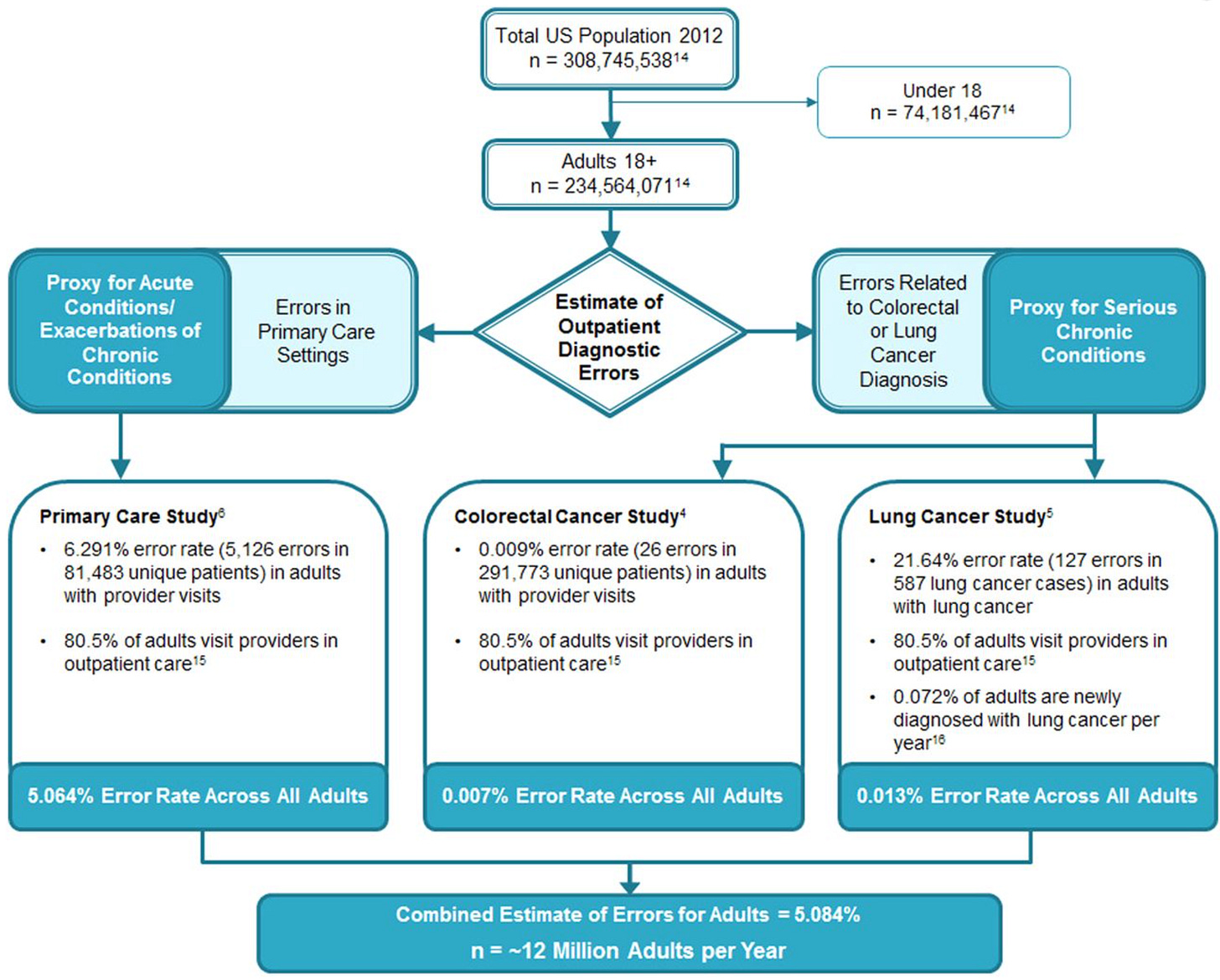
Separate from this asthma study, broader research on diagnostic errors exists.
A synthesis of large observational studies estimated that approximately 5.08% of U.S. adults experience outpatient diagnostic errors each year across all conditions. That’s roughly 1 in 20 patients annually - though this is an estimate from observational studies, not a definitive rate, and it varies widely based on condition type, diagnostic complexity, and clinical setting.
You and your doctor are a team, but you’re the one living in your body 24/7.
Your doctor brings medical expertise and pattern recognition from seeing thousands of patients. You bring detailed knowledge of your specific symptoms, how they have changed over time, and what does or doesn’t help.
The best outcomes happen when both perspectives inform diagnosis and treatment.
But there are practical constraints. Time limitations mean your doctor might only have 10-15 minutes per appointment. System fragmentation means records don’t always follow you. And if you don’t actively participate - asking questions, tracking symptoms, following up - critical information can get lost.
And many patients face real barriers: cost of accessing records, language barriers, health literacy challenges, lack of transportation, mental health issues that make advocacy difficult, distrust of medical systems due to past dismissal or discrimination.
Within your means and capabilities, being engaged helps. Even small steps matter.
Here’s a framework for what might help.
This is critical. Information empowers you and your medical team.
Here’s a stark example of how fragmented some systems still are.
In Canada, provincial health record systems do not communicate across borders. If you move from Ontario to British Columbia, your new physicians have no automatic access to your prior medical records unless you personally provide them.
That means if you arrive in the emergency department after an accident and have a history of anaphylaxis to a medication, your doctors could have no way of knowing and administer it.
Even hospitals, specialist clinics, and family practices often operate on different electronic record systems that do not interface with one another.
How to gather everything:
Request records from every provider you’ve seen:
After appointments, and with your primary care provider, ask for copies of specialist reports, imaging and lab results, etc.
Sign up for patient access portals. Many hospitals allow you to sign up and see all of your records and test results
What to specifically request:
Consultation reports and progress notes from specialists
Diagnostic test results (bloodwork, imaging, pulmonary function tests, cardiac tests)
Operative reports if you’ve had surgery
Emergency room reports
Hospital discharge summaries
Organize everything chronologically:
Create a folder (physical or digital) sorted by date
Keep a master list of all diagnoses with dates they were made
Keep a master medication list with start/stop dates and reasons (including sick day instructions if relevant)
Document all surgeries and procedures with dates
Create a one-page medical summary:
Active diagnoses
Current medications with doses
Drug allergies with specific reactions
Major surgeries/procedures with dates
Key test results (like baseline lung function if you have respiratory disease)
Emergency contacts
Names and contact info of your doctors
This can all easily be compiled into a folder on your computer and tracked on an excel sheet.
I am an advocate of people using AI-tools to help people educate themselves — but this is never a replacement for medical care. AI tools cannot diagnose or treat you, and their outputs commonly contain inaccurate or outdated information. Always verify with healthcare professionals and trusted medical sources. Many times physicians will be able to direct you to helpful vetted resources.
Most patients don’t fully understand their diagnoses. A doctor says “you have asthma” and people nod, but do they actually know what that means? What the diagnostic criteria are? What tests should have been done?
AI tools can be starting points for learning, but they have significant limitations.
Some important warnings:
AI can hallucinate - generate plausible-sounding but completely false information
AI can cite outdated medical information - guidelines change frequently
AI training data may not represent all populations equally - recommendations might not apply to your specific demographic
AI cannot assess your individual situation - it doesn’t know your complete medical history
Never make treatment decisions based solely on AI output
AI is not confidential - do not enter sensitive personal, medical, or identifying information that you would not be comfortable being made public.
However, they can be a helpful tool for answering questions and learning the basics in many circumstances, which you can then verify with your doctor and other resources.
Here are some prompts to start with:
“I’ve been diagnosed with [condition]. Can you explain in simple terms what this condition is, what causes it, and how it’s typically diagnosed?”
“What are the standard diagnostic tests for [condition]? What objective findings confirm this diagnosis?”
“Here are my [lab results and imaging reports]. Can you explain what these findings mean in simple terms, which results are normal or abnormal, and how they support or change a diagnosis of [condition]?”
“What other conditions can mimic or be mistaken for [condition]? What are the key differences?”
“What lifestyle factors or behaviors worsen or improve this condition?”
“I’m on [medication]. What is this medication, how does it work, what are common side effects, and what are serious side effects I should watch for?”
After getting AI responses, verify with:
Your healthcare provider directly at your next visit and
Major medical organizations’ patient education materials (e.g., American Heart Association, American Lung Association, etc.)
How to use these tools responsibly:
Use them to educate yourself and generate good questions, not to diagnose or treat yourself
Bring questions from your research to your doctor: “I read that [X] can also cause these symptoms. Have we ruled that out?” or “what do you think of the evidence behind this diet for [X condition]”?
Never stop or change medications based on information you find online without discussing with your healthcare provider first
Be explicit with your doctor that you’re researching: “I’ve been reading about my condition to better understand it. Can we discuss what I found?”
Example of good use:
You have “asthma.” You research: “What objective tests confirm an asthma diagnosis?” or “What is the guideline-based criteria for judging asthma severity”
You learn about spirometry with bronchodilator response, bronchial challenge testing, peak flow variability from reliable sources.
You check your records. You’ve never had these tests. You were diagnosed based on symptoms alone.
Next appointment: “I’ve been reading about the diagnostic criteria for asthma. Would it be reasonable to confirm my diagnosis with objective testing, such as spirometry with bronchodilator testing?”
Many diagnostic errors happen because of incomplete communication and information (especially when pieces of your medical record are missing). Both parties make assumptions. Critical information gets missed.
This isn’t about being combative. It’s about being a collaborative partner in your care.
At every appointment where a diagnosis is made or treatment changed, here are five key questions to make sure you know the answers to:
1. “What exactly is the diagnosis, and how certain are you?”
Ask for a full explanation of the disease and why they think you have it.
If your doctor isn’t certain, that’s valuable information. “I’m treating this empirically as asthma and we’ll reassess” is very different from “objective testing confirms asthma.”
2. “What is the treatment plan, and why did you choose this specific approach?”
Understand not just what you’re taking, but what the expected outcomes are.
“This is a corticosteroid inhaler. It reduces airway inflammation. We’re starting with a low dose and will reassess in 6 weeks to see if you have less shortness of breath and wheeze”
That’s informed treatment. You know what to expect, when to follow up, what success looks like.
3. “What’s the backup plan if this treatment doesn’t work?”
It’s helpful to think ahead. If the first treatment fails, what’s next?
This also reveals diagnostic certainty. If they say “if the asthma medications don’t help, we’ll reconsider the diagnosis, try something else, and explore further testing for other conditions,” that tells you they’re keeping an open mind and what else you can expect.
4. “What other diagnoses could explain my symptoms?”
This is a question that encourages broader diagnostic thinking without being confrontational.
It invites your doctor to share their thought processes so you can better understand their reasoning.
“I’ve read several conditions can cause symptoms similar to asthma. Can you walk me through how we determined asthma was the most likely diagnosis in my case?” This prompts them to explain their reasoning and what findings would make them reconsider, and also what else you should look out for should symptoms change.
5. “What should I do if my symptoms worsen, I get sick, or I have an emergency?”
Ask your clinician to spell out a clear action plan.
Helpful follow-up questions include:
“What changes in my symptoms should prompt me to call the clinic?”
“Are there medications I should adjust or start if I get sick?”
“What symptoms mean I should seek urgent or emergency care?”
“How often is too often to use my usual rescue or as-needed treatments?”
This moves the plan from vague reassurance to specific, actionable guidance and helps you respond appropriately when things change.
Write down the answers to all five questions. Review them at home. Follow up if something doesn’t make sense.
Most doctors appreciate engaged patients who ask thoughtful questions. You’re helping them do their job better.
You’re not trapped with one doctor. If you don’t feel heard, if treatments aren’t working, if something doesn’t sit right - getting another perspective is reasonable.
How to approach it:
Be direct and polite with your current doctor: “I’d like to get a second opinion to confirm the diagnosis and treatment approach. Could you please refer me to another physician for this?”
Most doctors won’t be offended. They understand the value of fresh perspectives.
Bring all your organized medical records (see Step 1)
Come with specific questions (see Step 2)
Be open about why you’re seeking the second opinion - “treatments haven’t worked” or “I want to confirm this diagnosis”
The asthma study functioned as a systematic “second opinion” for all participants. That comprehensive re-evaluation found serious conditions that had been labeled as asthma - including heart disease requiring intervention and airway problems requiring procedures.
The healthcare system has structural problems that contribute to diagnostic errors:
Time constraints: 15-minute appointments aren’t enough for complex cases
Fragmented records: Lack of interoperability between systems and even doctors
Financial barriers: Some testing and specialist visits cost money and time many patients don’t have
Workforce shortages: Not enough specialists in many areas
These need policy-level fixes. Better EMR integration. More time per appointment. Better diagnostic support tools
You advocating for yourself helps you individually. But we also need systemic change to reduce diagnostic errors for everyone
What you can practically do:
Share experiences to raise awareness among peers and patient communities
Support and engage with patient advocacy organizations
Write to local representatives or health ministries about access, poor experiences, wait times, and record interoperability
Participate in surveys, public consultations, or advisory panels when available
Vote and advocate with healthcare access and quality in mind
Your doctor wants to help you. Most of us went into medicine because we care. We work hard, we agonize over complex cases, we want you to get better. And most of the time doctors get things right.
But medicine is hard. The human body is complex. Time is limited. Information is imperfect. Even with excellent training and good intentions, we miss things.
That’s where you come in.
You’re not a passive recipient of care. You’re the most important member of your healthcare team.
You’re the only person who experiences your symptoms 24/7. You’re the only one who knows exactly how treatments affect you. You’re the only constant as you move between doctors and systems.
That knowledge is power.
When you track symptoms and keep organized records, you give your doctor data they might not get any other way. When you ask questions, you help them think more thoroughly. When you speak up about treatments not working, you provide crucial feedback.
This isn’t being difficult. This is communication.
The asthma study proved it matters. Systematic reevaluation ruled out asthma in one-third of patients and caught serious conditions in 2% that needed completely different treatment.
The system has flaws. Doctors are human. Errors happen. Patients should not have to carry that burden alone, but being organized and engaged can add another layer of protection
Start today. Request your medical records. Write down questions for your next appointment.
Your doctor has medical expertise. You have lived experience and motivation. Together, that’s powerful.
But you need to show up as an active partner.
Your health is the most important investment you will ever make.
Thanks for reading. If you found this helpful, a like or restack means a lot and helps others discover it.
This newsletter is for educational purposes only. It is not personal medical advice. Opinions are my own. Always consult your own health-care provider for medical guidance.
No posts
Comments
Nothing yet. Say the first thing.
Sign in to join the conversation.