
Growing up, most of us were told all sorts of things. Feed a cold, starve a fever. Crack your knuckles and you’ll get arthritis. Don’t swim for an hour after eating. Some of it seemed to work, though it probably would have worked out anyway. Some of it did nothing. And a few of the things we got told are, honestly, bad for you.
Then there’s the small handful that actually hold up.
Home remedies matter to me. People have refined them over generations, they are cheap and usually low-risk, and the good ones genuinely help. So going through medical school, I kept a running list: which of the things we grew up being told have real evidence behind them, and which are just folklore wearing a lab coat.
These are 10 that stood the test of science, with the evidence behind each and the limits worth knowing.
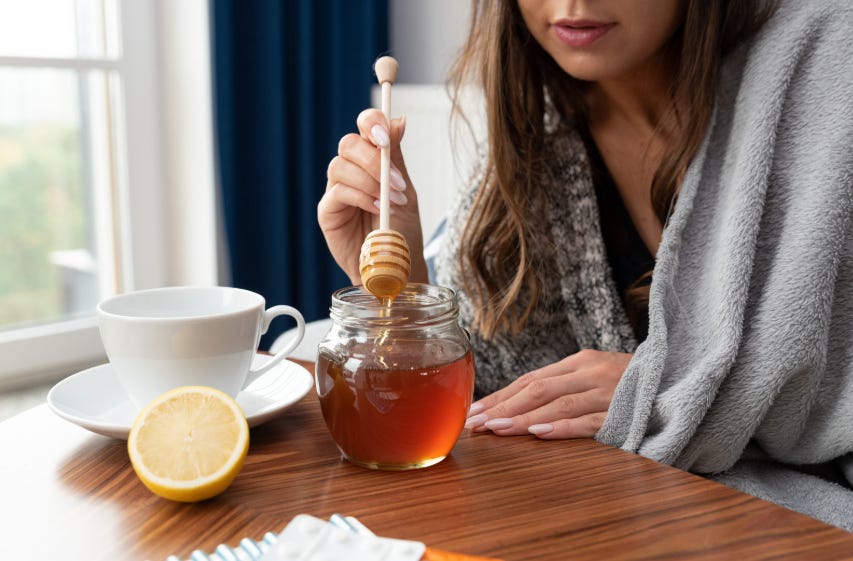
A Cochrane review of 6 trials in 899 children found honey reduced cough frequency and severity better than no treatment and better than diphenhydramine (Benadryl), with little or no difference compared to the cough syrup dextromethorphan (Oduwole et al. 2018). One or two teaspoons before bed in hot tea is reasonable.
Note: never give honey under 12 months of age. This risks infant botulism.
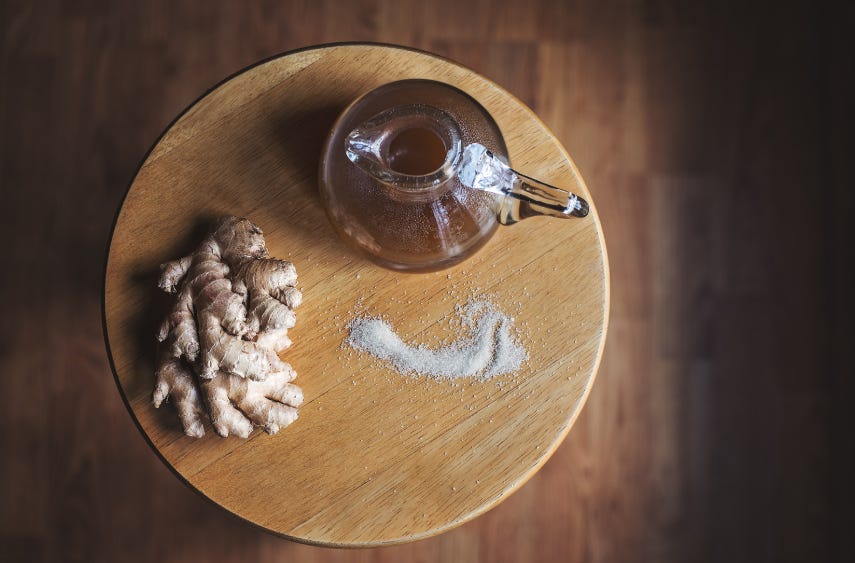
A meta-analysis of 13 trials in 1,174 pregnant women found ginger significantly reduced nausea severity versus placebo, and at least matched vitamin B6 (Hu et al. 2020). A systematic review and meta-analysis of surgical patients found it reduced postoperative nausea severity, vomiting, and rescue antiemetic use versus placebo (Zhu et al. 2021).
The usual dose is about 1 gram a day, split into about four doses.
And unfortunately ginger ale soda does not count. Most brands contain little real ginger and do not reliably deliver the dose studied in trials.
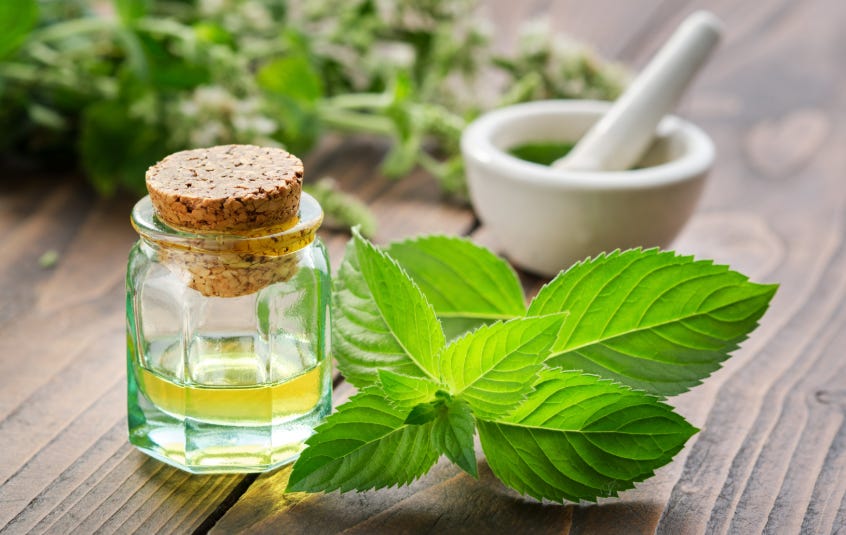
Enteric-coated peppermint oil capsules beat placebo for irritable bowel syndrome (IBS) across 10 trials in 1,030 patients, with a number-needed-to-treat of 4 for overall symptoms and 7 for abdominal pain (Ingrosso et al. 2022).
The catch: it can cause heartburn, and the trials were small.
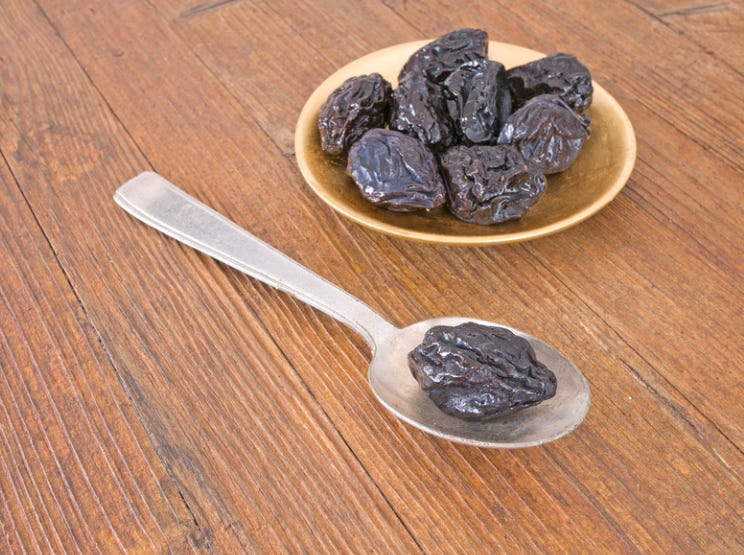
In a head-to-head randomized trial, 50 grams of dried plums twice daily actually outperformed psyllium on the number of complete bowel movements and on stool consistency (Attaluri et al. 2011). The fiber plus sorbitol does the work.
Cheap, palatable, and a sensible first thing to try before laxatives.
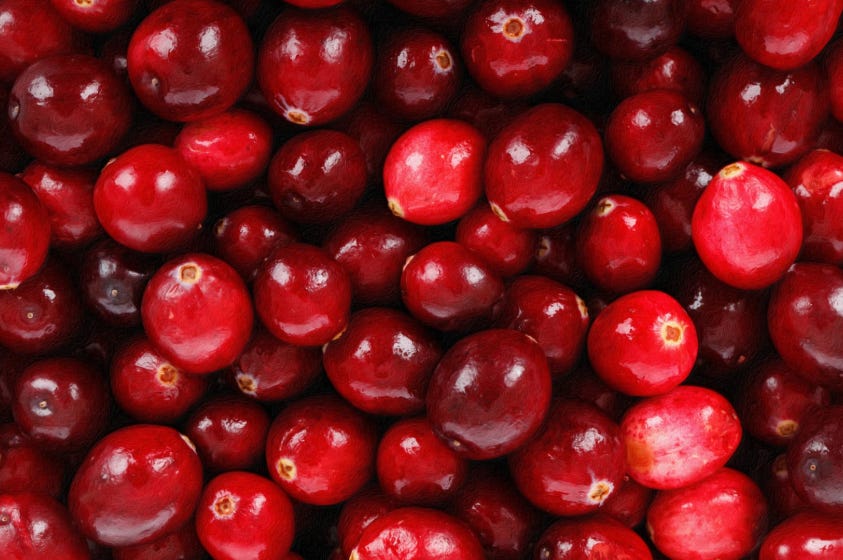
A 2023 Cochrane review pooled 50 trials and 8,857 people. Cranberry products cut the risk of symptomatic, culture-confirmed UTIs by 26% in women with recurrent infections, 54% in children, and 53% in those at risk of UTIs from an intervention (Williams et al. 2023).
Two cautions: it did not seem to help the elderly, pregnant women, or those with bladder-emptying problems, and it is prevention, not a treatment for an active infection.
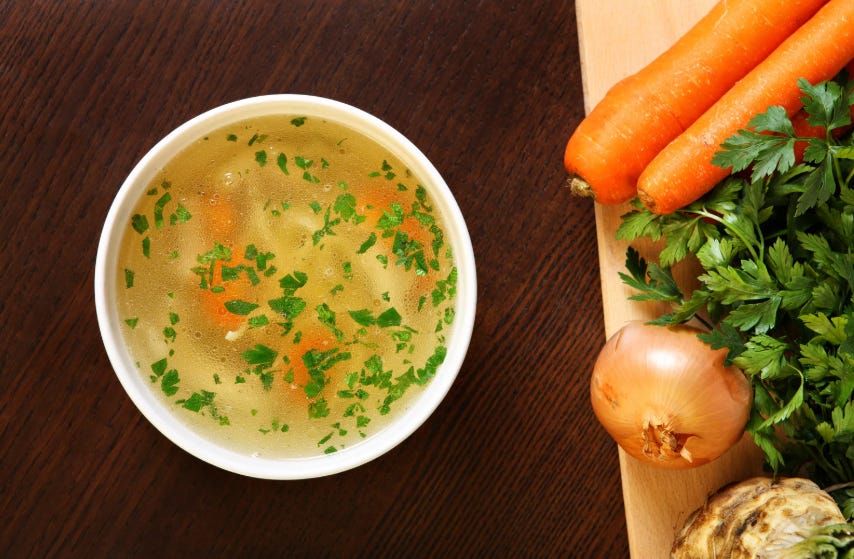
In a lab study, chicken soup appeared to be anti-inflammatory and inhibited the movement of neutrophils (Rennard et al. 2000). However, we don’t have data to show that this translates to actually shortening a cold. What also probably helps is the hot fluid, steam, and salt which eases congestion and keeps you hydrated. But it’s a neat theoretical mechanism for getting better faster.
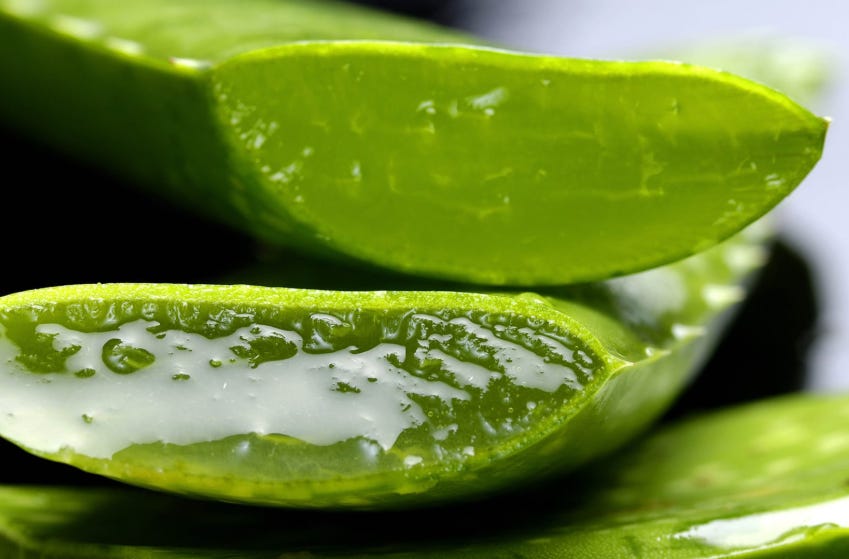
A 2024 meta-analysis of 9 randomized trials found aloe vera healed second-degree burns roughly 3.8 days faster than other topical treatments, with no increase in infection (Huang et al. 2024).
For a small, minor burn, it might be a reasonable option. Anything deep, large, or on the face or hands belongs in a clinic.
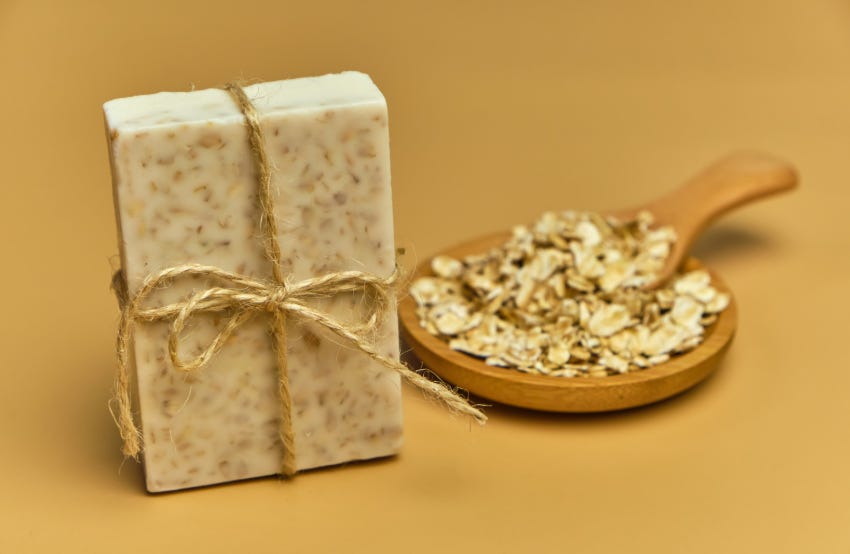
In two small single-arm studies, a 1% colloidal oatmeal cream improved itch, eczema severity, skin hydration, and water loss over 14 days (Lisante et al. 2017).
It will not replace prescription treatment for more severe eczema, but for dry, itchy skin, it might be a low-risk add-on worth trying.
A meta-analysis of 13 studies found that a warm bath or shower at 40 to 42.5 degrees Celsius, taken 1 to 2 hours before bed, shortened the time to fall asleep and improved sleep quality (Haghayegh et al. 2019).
The mechanism is counterintuitive: warming the skin pulls heat out of the body’s core afterward, and that core temperature drop is what helps your body sleep better.
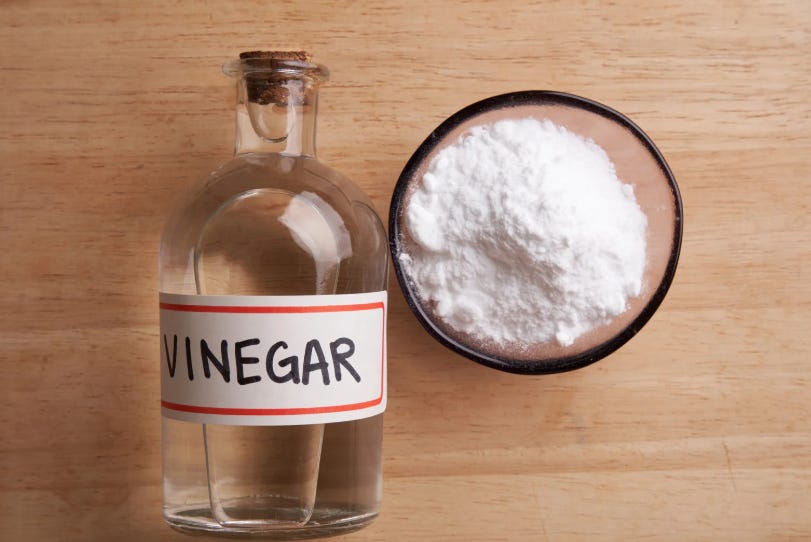
Dilute acetic acid (vinegar) drops were as effective as antibiotic-steroid drops in the first week of acute otitis externa in a Cochrane review (Kaushik et al. 2010).
However, if swimmer’s ear is truly diagnosed, I’d use antibiotic drops because cure rates drop off compared to antibiotics at two and three weeks. Ear infections should be also checked first to make sure the eardrum is intact. In a pinch, I’ve used vinegar drops on vacation for early symptoms with good effect, but pain, discharge, hearing loss, fever, or symptoms that persist need medical care.
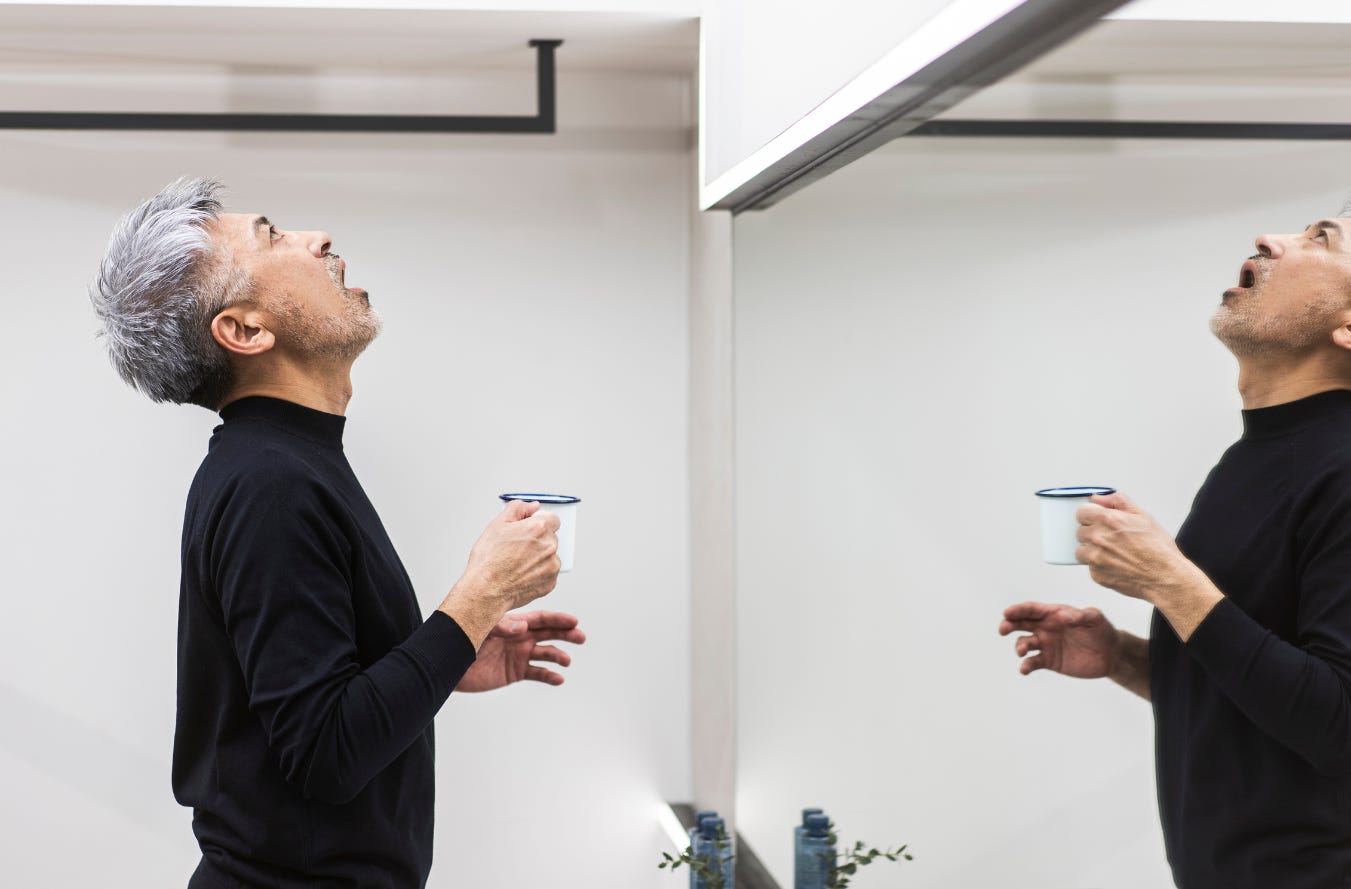
In a small pilot RCT, adults who started hypertonic saline nasal irrigation and gargling within 48 hours of a cold got better about 1.9 days faster, used 36% fewer over-the-counter medications, and had 35% less spread to household contacts (Ramalingam et al. 2019).
This was a small, open-label trial, so I would not call it definitive. But it is cheap, low-risk, and plausible enough that I use it early.
I wrote more about exactly what I do to get over illness faster here:
As medicine advances, it is tempting to dismiss every home remedy as folklore. But that misses the point.
Some are cheap, low-risk, and genuinely helpful. Used well, they can ease symptoms, support recovery, and sometimes reduce the need to reach for medication right away.
Progress in medicine should not make us dismiss time-tested solutions. It should make us more precise about which ones work, who they help, and what their limits are.
Thanks for reading. If this was useful, a like or restack helps others find it.
This newsletter is for educational purposes only. It is not personal medical advice. Always consult your own health-care provider for medical guidance.
No posts
Comments
Nothing yet. Say the first thing.
Sign in to join the conversation.