

Nothing prepared me for what I would see in medical training.
What shocked me most wasn’t necessarily the dramatic stuff. It was how often a person’s catastrophe traces back to something completely ordinary. The things most people do every day without a second thought.
These are not common dangers. Most are rare, and statistically unlikely to happen to you.
But they are medically real. They are the kinds of cases doctors see, hear about, read about, and never forget.
This article is not meant to scare you. It is meant to make a few ordinary risks easier to recognize before they become potentially catastrophic in an unlucky few.
Here are 10 I never expected to learn.
1. Feather pillows and duvets
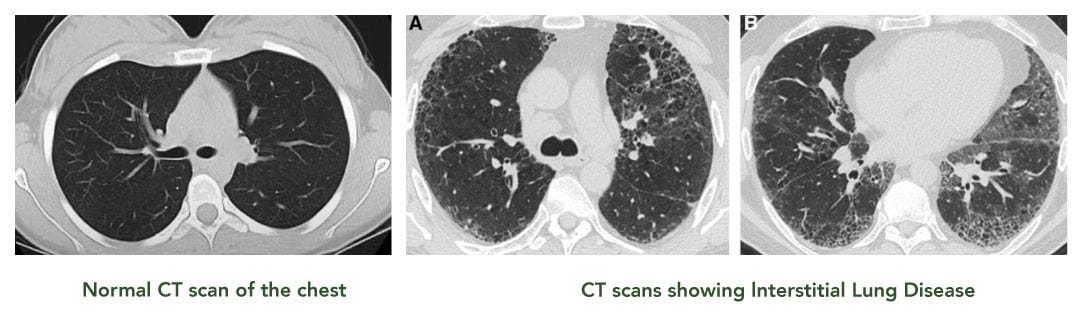
A classic respirology presentation: a non-smoker with months of worsening cough and breathlessness. By the time a doctor sees them, they can't get dressed in the morning without stopping to catch their breath. Some need supplemental oxygen. A CT scan of their chest shows hazy "ground-glass" patches scattered across the lungs, the imaging pattern of widespread inflammation. The trigger was the feather duvet on their bed (Liu-Shiu-Cheong et al., 2019). Tiny down particles can drive an immune lung reaction called hypersensitivity pneumonitis; continued exposure can scar the lungs permanently.
2. Hantavirus from cleaning a cabin
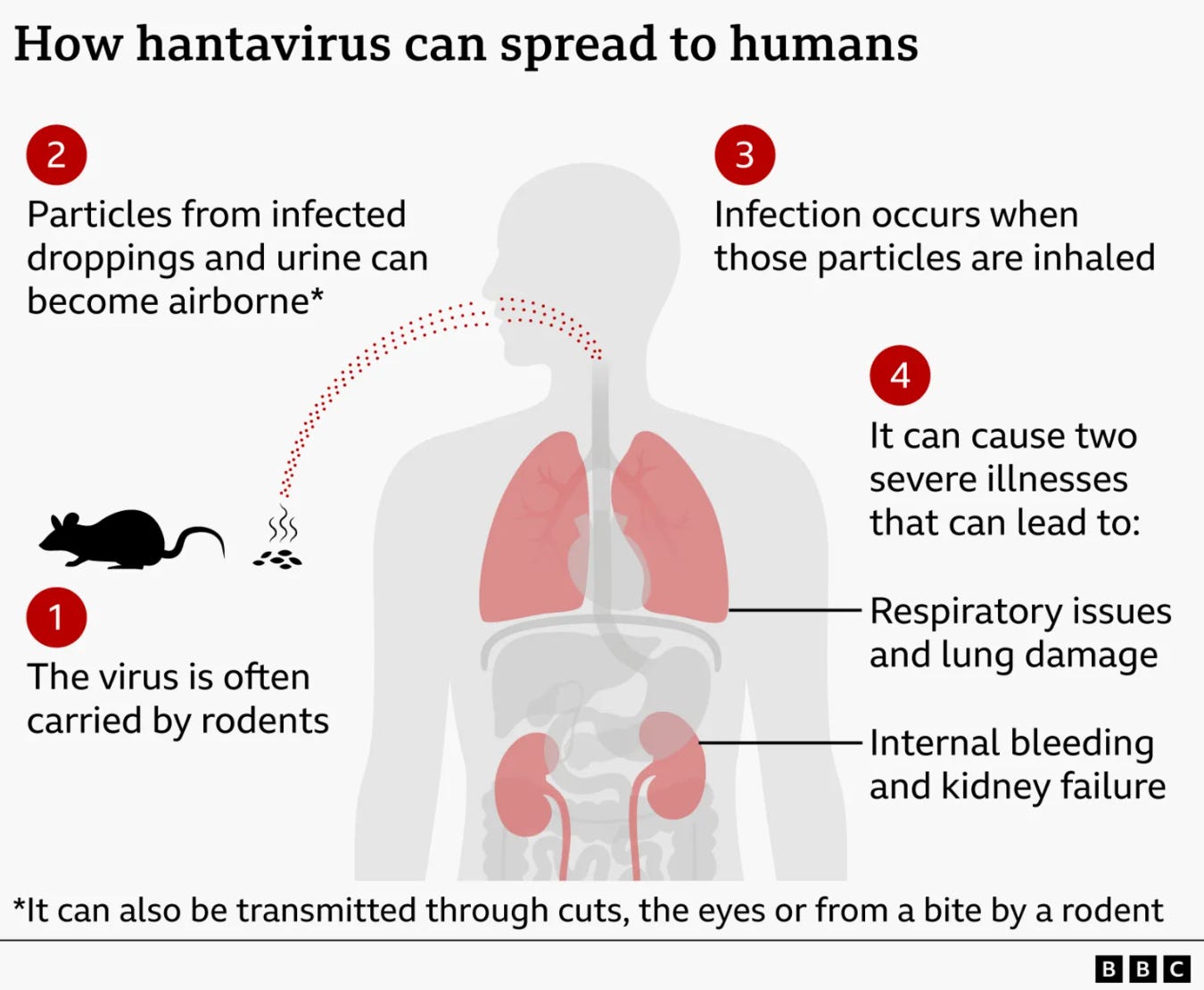
A 44-year-old man cleaned a heavy infestation of rodent droppings out of an old camper van, then went camping. Two weeks later: sore throat, cough, breathlessness, fevers. Hantavirus pulmonary syndrome (Yap et al., 2016). The virus is shed in rodent urine, droppings, and saliva, and inhaled when contaminated dust is stirred up. HPS kills roughly 35% of those infected (de St Maurice et al., 2017).
3. Showerheads

Another classic respirology presentation: a woman with months of a stubborn cough that brings up tons of green phlegm, weight loss, and fatigue. Imaging of the chest shows small nodules and inflamed airways in one part of the lung. Her sputum grows Mycobacterium avium, genetically identical to the slimy biofilm inside her own showerhead (Falkinham et al., 2008). A 2009 study found similar bacteria enriched over 100-fold above tap-water levels in showerheads, aerosolizing into the airway with every shower (Feazel et al., 2009). In some cases, infection can lead to bronchiectasis: permanent airway scarring that can leave people with an ongoing productive cough, repeated chest infections, and worsening breathlessness.
Tip: Replace plastic showerheads and tubing every year, clean them with vinegar regularly, and keep your bathroom dehumidified.
4. Popping a pimple in the “triangle of danger”
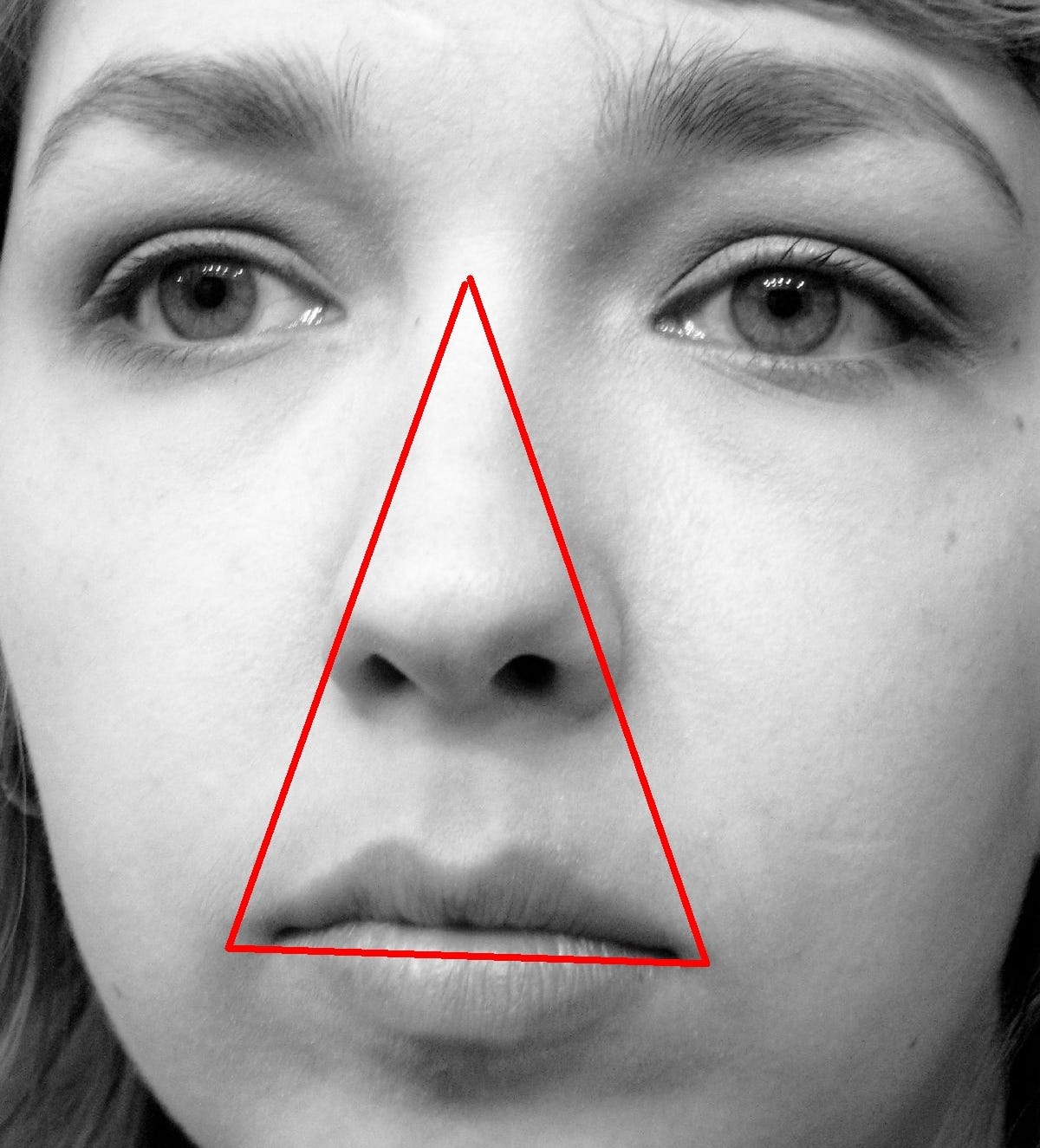
A 22-year-old woman squeezed a pimple on her nose. A week later, the left side of her face was swollen and red. Within days, she was septic and short of breath: chest CT showed findings concerning for septic pulmonary emboli (chunks of infection that had broken off and travelled to her lungs), and brain imaging revealed a clot in her cavernous sinus extending down her jugular vein. She survived after weeks of IV antibiotics and blood thinners (Restrepo Vanegas et al., 2023). The veins between eyebrows and upper lip drain backward into the cavernous sinus, deep inside the skull, with few valves to stop infection from spreading the wrong way.
Tip: Never squeeze pimples in this zone.
5. Bad contact lens hygiene
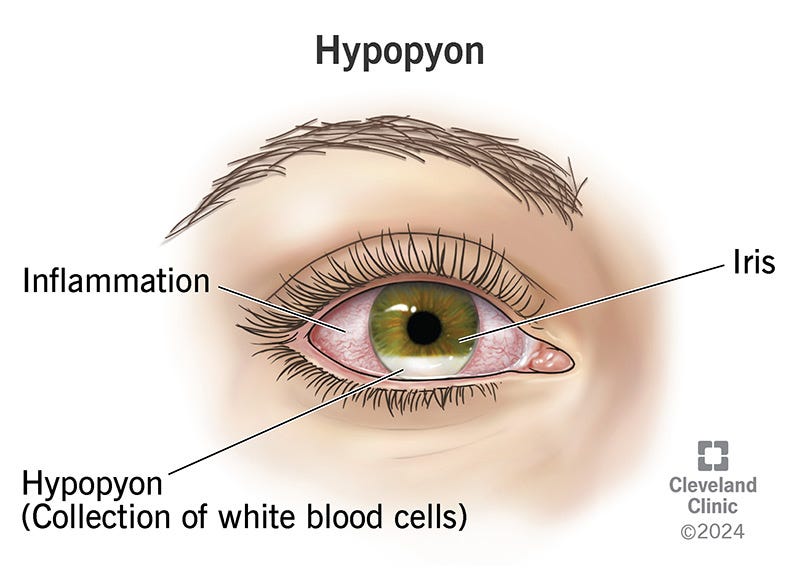
A 57-year-old man came to the ED with eye pain and severe vision loss in both eyes after wearing the same soft contacts day and night for two weeks without daily cleaning. He could only perceive light from his right eye and hand movement from his left. His right cornea had perforated; the left had pus pooling inside the eye. A corneal transplant saved the right eye; the left healed with a permanent scar across his central vision (Cope et al., 2018). Sleeping in contacts raises infection risk 6 to 8-fold.
Tip: Never sleep, swim, or shower in contacts, or rinse them with tap water.
6. Cotton swabs in the ear
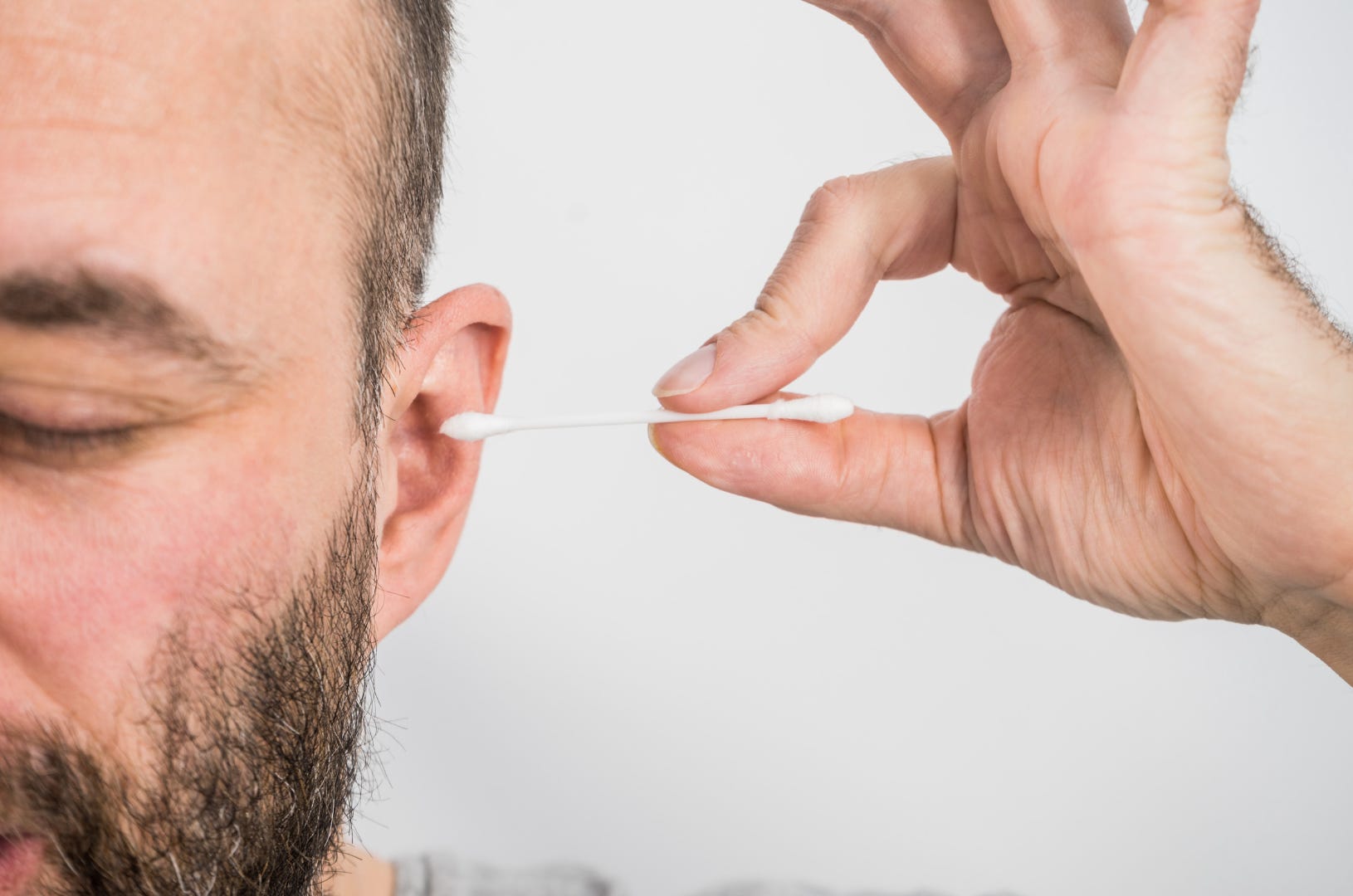
A healthy 31-year-old man developed seizures after worsening left ear pain and discharge. Brain imaging showed pockets of pus near the left temporal lobe of his brain. The cause? A cotton bud lodged deep in his ear canal, triggering necrotising otitis externa, skull base osteomyelitis, and subdural abscesses (Charlton et al., 2019). An estimated 263,000 US children have been treated in EDs for cotton-tip ear injuries; a quarter had a perforated eardrum (Ameen et al., 2017).
Tip: Never put anything in your ear canal. Oil drops are safer.
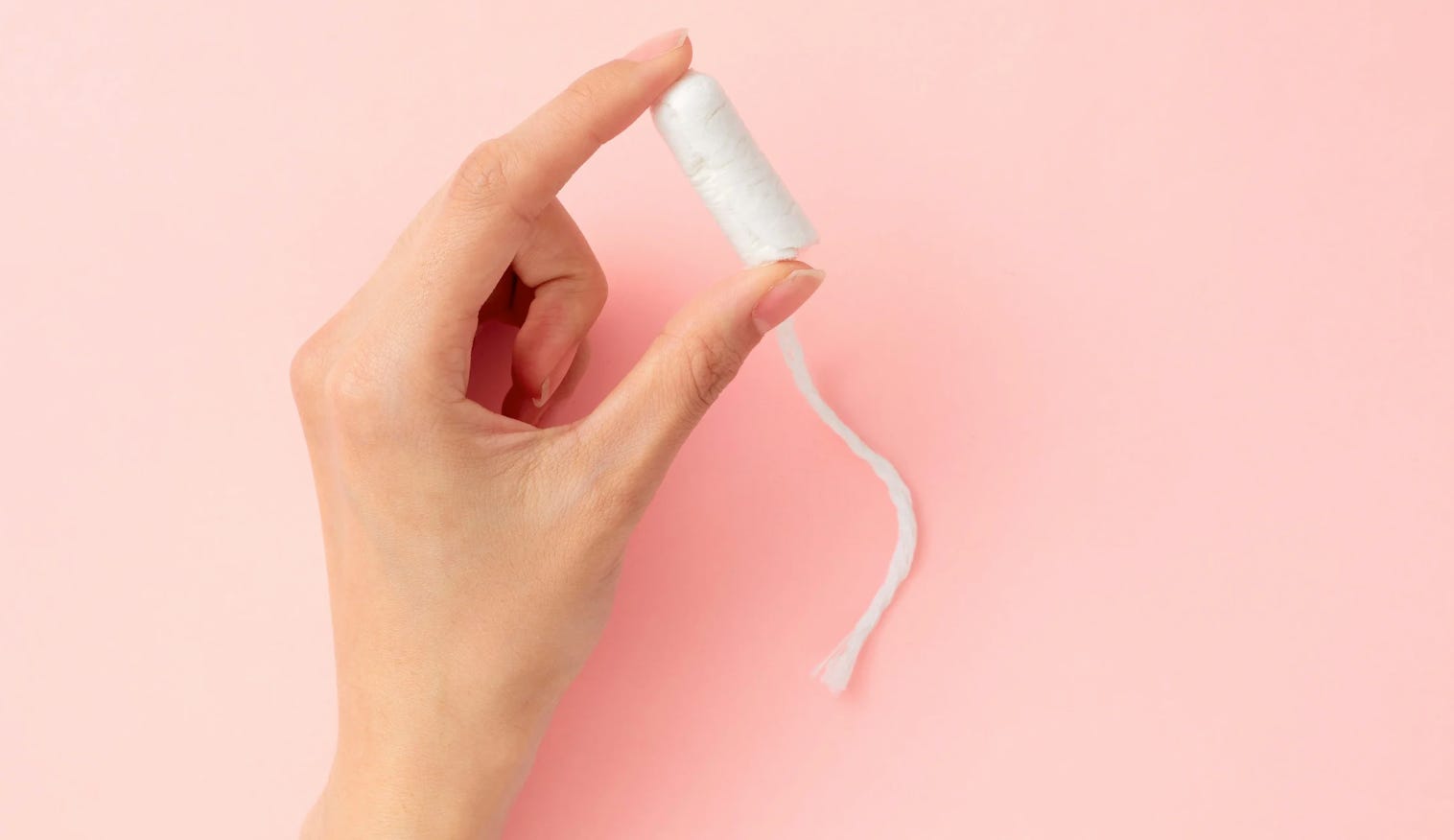
7. Tampons left in too long
Sepsis is a common serious reason for people to end up in hospital. It’s basically your immune system overreacting to an infection, and instead of just fighting the bug, it starts attacking your own body.
One tragic case: a 17-year-old girl died of tampon-related toxic shock syndrome while she was on her period. Swabs from her vagina grew a bacteria called Staphylococcus aureus that was making a toxin which sets the immune system off all at once (Tang et al., 2010).
Tip: Tampons should never be left in place for more than 8 hours
8. Phone charging on the bed or under a pillow

A 39-year-old man’s lithium-ion foot warmer caught fire while he was wearing it. Full-thickness burns through skin and muscle required weeks of surgery to repair (Cole-Price et al., 2024). Lithium-ion batteries and chargers can overheat or fail, and bedding can trap heat or ignite if something goes wrong (Duff et al., 2024).
Tip: Charge devices on a hard surface, never under a pillow or blanket.
9. Black licorice

A 54-year-old man collapsed in a fast-food restaurant after eating licorice-flavored candy daily for three weeks. His heart went into ventricular fibrillation, a chaotic rhythm where the heart quivers instead of pumping. His potassium had dropped to 2.0 mmol/L (normal is 3.4 to 5.0), low enough to throw the heart’s electrical signals into chaos. He died 32 hours after arriving at the hospital (Edelman et al., 2020).
The active compound in real black licorice (glycyrrhizin) blocks an enzyme in the kidney that normally keeps cortisol in check. With that brake gone, cortisol drives the kidney to flush out potassium, and levels fall fast.
This does not mean you can never eat black licorice. This case involved an extreme intake: he had reportedly been eating roughly 1 to 2 large bags daily for weeks. But it is an important reminder that dose matters.
10. Too Much Tylenol

Tylenol (acetaminophen) is one of those drugs that’s completely safe in proper doses, but it doesn’t take much to overdose. The recommended daily max for adults is 4 grams. Take more than that for a short while, and your liver can fail.
Another tragic case: A 22-year-old pregnant woman with severe dental pain took 8 to 9 grams of acetaminophen daily for about two weeks. She developed acute liver failure, needed a liver transplant, and her fetus unfortunately passed away two weeks after the operation (Thornton & Minns, 2012).
One of the most common ways people accidentally overdose is by taking acetaminophen from several products at once: a cold medicine, a sleep aid, and a prescription painkiller, all quietly stacking the same drug.
Tip: Read every label for “acetaminophen” and don’t combine multiple products. Check the correct dose with your doctor if you have medical conditions. And if you ever think you might have taken too much, please come to the ER right away. It doesn’t take much to overdose, but it’s incredibly easy to treat if caught early.
Thanks for reading. If you found this helpful, a like or restack means a lot and helps others discover it.
This newsletter is for educational purposes only. It is not personal medical advice. Opinions are my own. Always consult your own health-care provider for medical guidance.
Comments
Nothing yet. Say the first thing.
Sign in to join the conversation.