
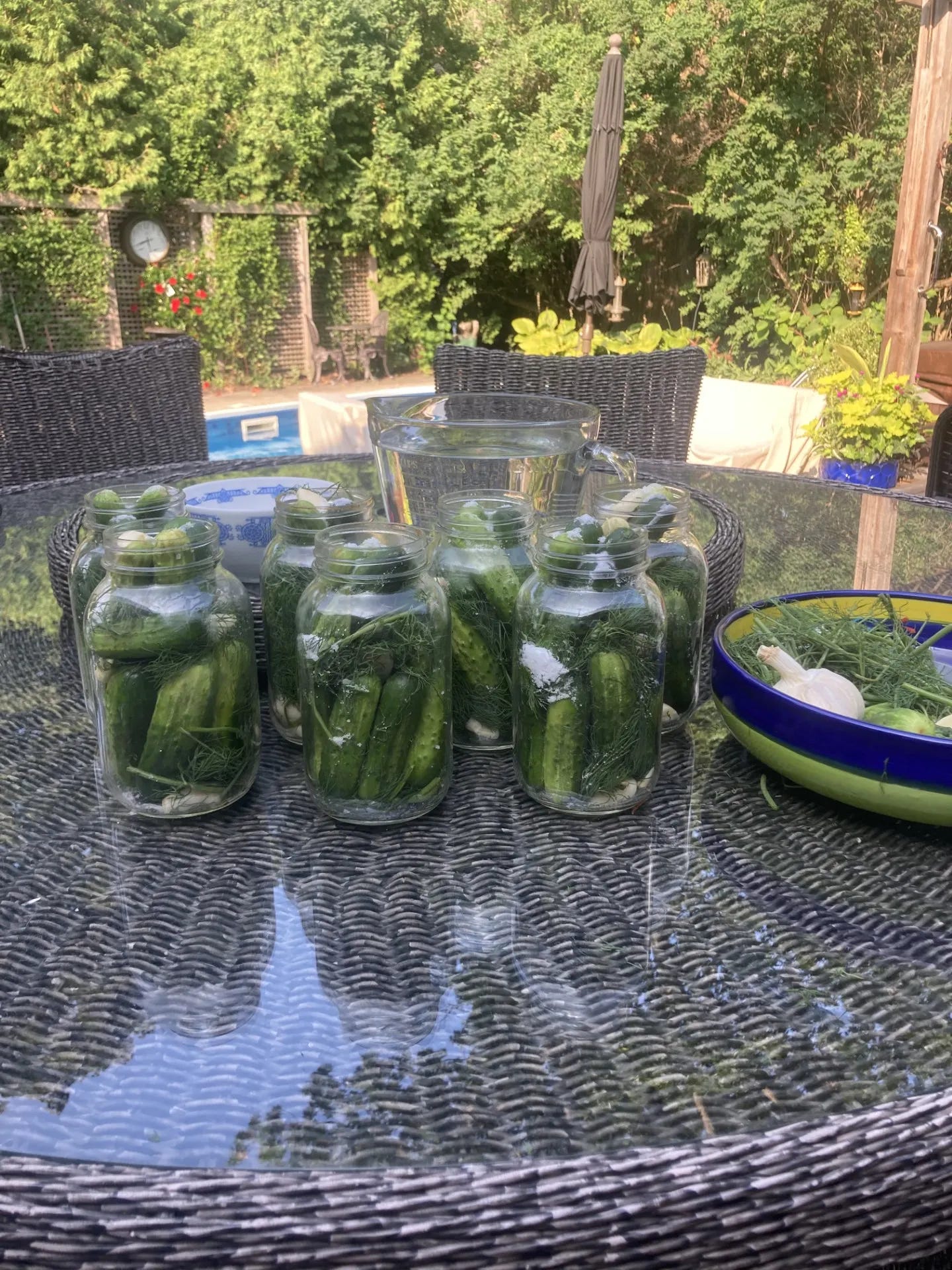
My previous post discussed #Kosher Dill pickles as a healthful prebiotic. But each 1 litre jar of Kosher Dills requires up to two tablespoons of salt. This raises the question of how can that much salt be healthy?
So, what about salt? Comprised of sodium chloride, salt is one of the simplest substances on earth and we can’t live without it.
Salt’s role has long been appreciated in food preservation. Roman soldiers were partly paid with salt portion which became known as their “salary”. Salt was so basic to sustaining life in a tropical environment, that Mahatma Ghandi was able to lead millions in national protest against a proposed tax on salt that spelled the end of almost 200 years of British rule over India.
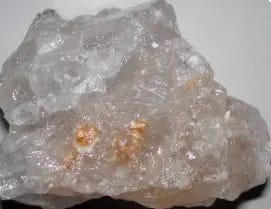
#Salt takes many forms; rock salt, table salt, Kosher salt, and sea salt. All salt forms are the product of sea water trapped from ancient oceans. The difference in these forms of salt is largely based on how it is we acquired. Rock salt is mined, while sea salt represents evaporated sea water. Sometimes the mineral in a mined salt deposit is hydraulically washed out and then evaporated.
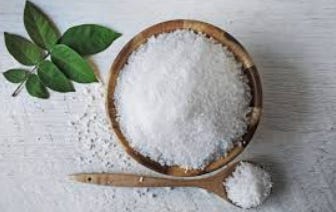
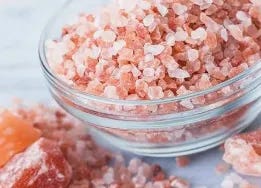
Different salts are the result of distinct crystal structures giving it some of its cooking and flavouring characteristics. The pink colour of #Himalayan salt results from small amounts of mineral contaminants. While salt crystals provide different results in cooking, health claims for different forms of salt are more marketing than reality. It is interesting that while Himalayan salt is marketed as being 200 million years old it still carries an expiry label of a couple of years. I will eventually have more to say on the validity of “Best before” labelling at a later date.
Are some forms of salt better for cooking? Kosher salt traps more air between its larger crystals, making it more effective in drawing fluid out of meat and a better product for pickling meat, fish and vegetables. Salt fleurettes in products labelled “sea salt” allow the flavour to linger on the tongue. A salt brine dissolves more readily in milk products making it better suited in the preparation of Parmesan cheese. My grandmother Clara, an excellent intuitive cook, felt that a “pinch of salt” improved the flavour of most sweet foods including ice cream, chocolate and sugar sweetened coffee.
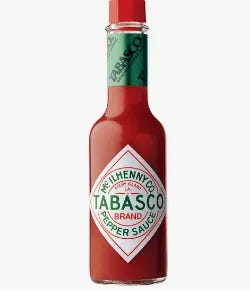
Salt combined with peppers is the basis of Tabasco hot sauce. Produced by the McIhenny Family in Avery Island Florida. Following the America civil war, McIlhenny cured Jalapeno peppers with salt from the Avery Island salt dome to prepare this characteristic savoury product. Salt is also one of the main ingredients of Parmesan Cheese. It was added to dried milk by monks in the 11th century as a way to keep cheese from going bad.
From a medical perspective, sodium levels in the blood are critical to health. Infants who get dehydrated more easily than adults will suffer if the salt level in their blood is either too low or two high. If the serum salt is too low, they have seizures. Correcting it too quickly will cause dangerous brain swelling. Anyone who watches the television ER series knows that the first step in almost any medical emergency with “shock” is to provide a salt infusion. One litre of IV normal saline will restore blood pressure in shock whether the result of a grave injury or a serious medical illness.

Firefighters and others working outdoors in hot weather take salt tablets to allow them to retain enough fluid to keep working. Long distance runners and high-performance athletes drink the electrolyte mixtures called sports drinks characterized by higher salt content. The lives of millions of children in developing countries have been saved by providing high sodium WHO oral electrolyte solution. Salt supplements are the first treatment recommended for teens who experience fainting and low blood pressure from a condition called dysautonomia.
While it isn’t an antiseptic, salt’s antimicrobial properties make it the first step in washing a wound out before it’s sutured. Health professionals flush bacteria out of the wound with saline so that germs aren’t sealed in once the wound is closed. This stings a lot hence the expression “rubbing salt into a wound.” Salt solutions can also be used as a poultice to draw fluid out of inflamed tissue.
The medical properties of salt are mostly based on its ability to pull fluid across membranes. Pulling water out of cells preserves food and keeps bacteria from spoiling human food. While techniques vary, salt is the basis of food prep in pickling, making parmesan cheese, salami, beef jerky, salt pork and corned beef.
For some people, excessive dietary salt is problematic, sometimes leading to #high blood pressure. Adults require 2300 grams of salt, about 1 teaspoon per day. Amounts in excess of 2000 mg can contribute to high blood pressure and #heart failure. The first step in the medical management of hypertension is to restrict added salt in the diet and the avoidance of very salty preserved foods. The most basic antihypertensive drugs block reabsorption of sodium in the kidneys which result in increased urine production, something anyone who has been treated with a diuretic knows only too well.
The effects of salt aren’t the same for everyone. Younger people’s blood vessels have greater elasticity and tolerate higher dietary sodium without resulting hypertension. As arteries stiffen with age, sodium intake become more of a problem. Genetic differences make some folks more prone to hypertension and less tolerant of salt. By contrast, some older folks find improved stamina and exercise tolerance with higher salt intake. This is all very individual and should be discussed with your health care professional.
Comments
Nothing yet. Say the first thing.
Sign in to join the conversation.