Stuck in the Malaise Loop
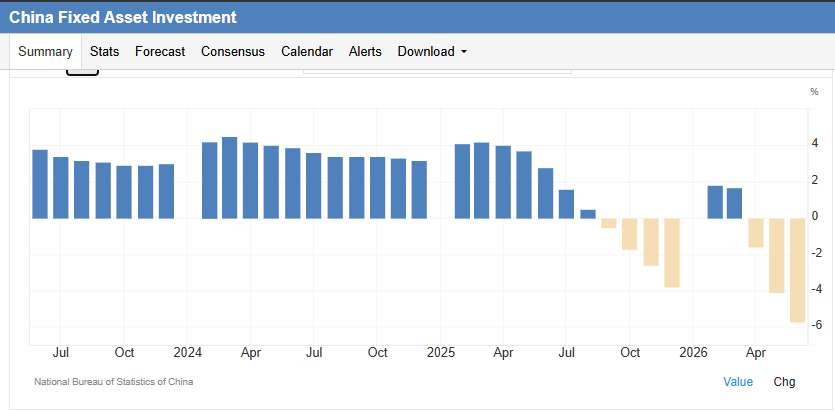
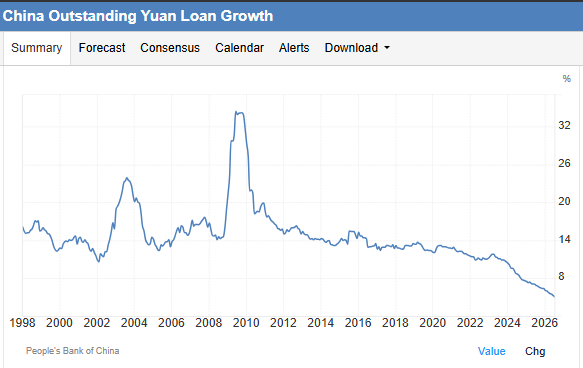
Domestic conditions are weakening as the deleveraging becomes more entrenched. Without significant government effort to reverse the dynamics, China looks stuck in a self-reinforcing negative dynamic.

A daily look into the thinking of veteran macro investor Bob Elliott as he navigates some of the most challenging market dynamics he's seen over his career.
Domestic conditions are weakening as the deleveraging becomes more entrenched. Without significant government effort to reverse the dynamics, China looks stuck in a self-reinforcing negative dynamic.
Last week saw growth boom expectations stay firmly in place despite continued soft data. This week the AI themes will get all the attention as folks wait for NVDA to wrap up the season.
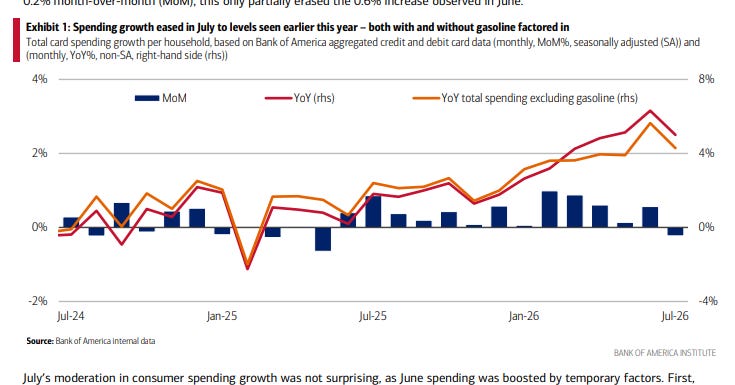
US HH carried the economy in 1H26 with their surge in spending. Without their blowout spending, growth is likely to be far slower than many expect.
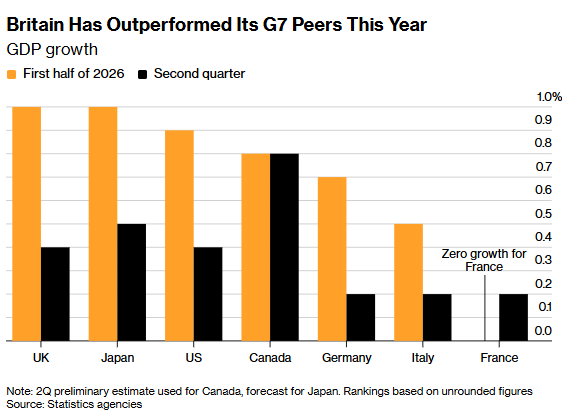
Past easing of policy helped keep the economy steady despite the recent oil shock. But more notable has been the fading of inflation which takes pressure of the BoE to do anything soon.
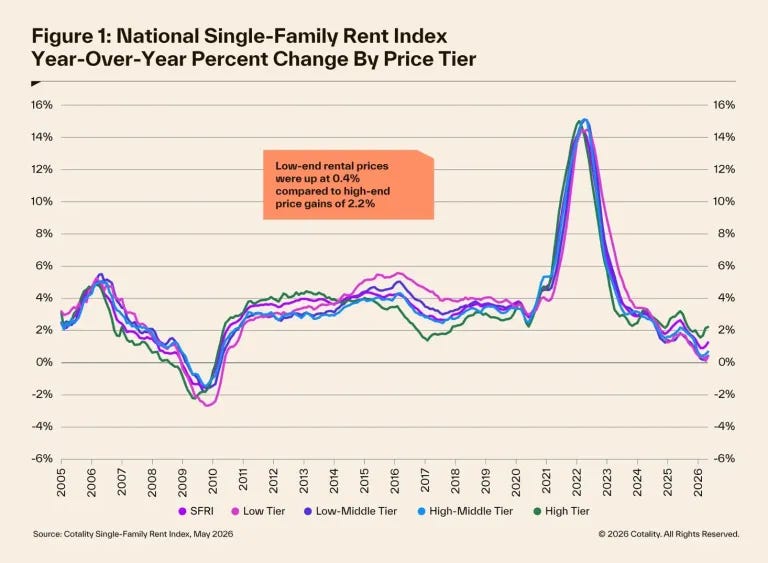
While many wring their hands on socials about inflation pressures today, the underlying data across most categories point to subdued consumer price growth ahead absent a renewed oil shock.
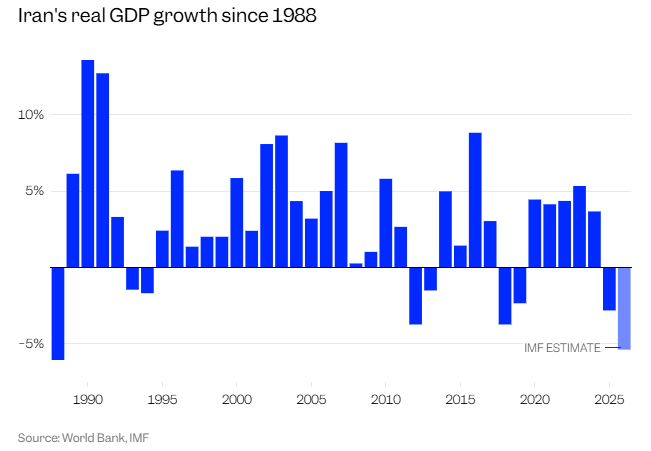
While the US hopes to wait out Iran, the domestic macro data suggests it could be months or even years before the economic pressures become painful enough to force a shift in policy.
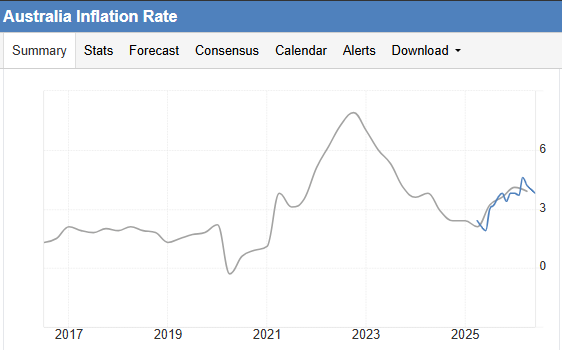
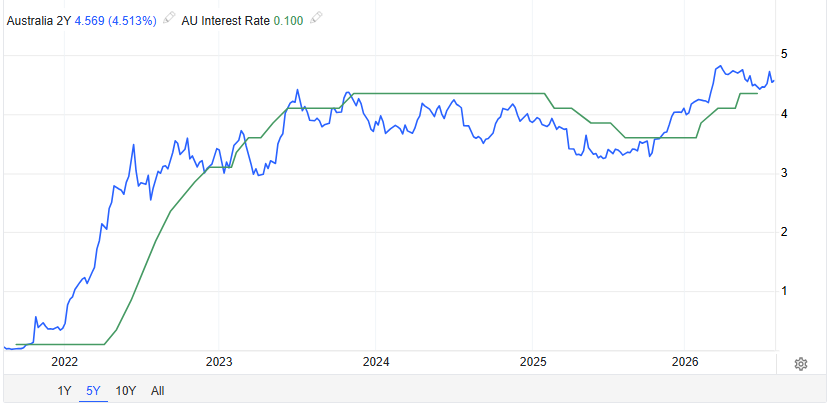
Both the US and Australia faced elevated inflation and a decently strong economy driven by a building asset boom. They took very different paths.
As the market winds down what has been another extraordinary earnings season, we get a timely read on US inflation and demand which will give some sense of how 2H26 is starting off.
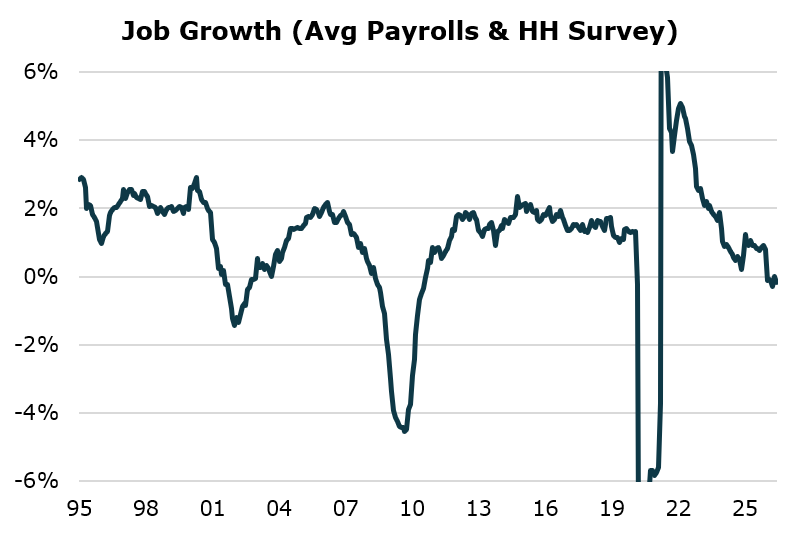
For all the hope that labor markets were going to pick up, the reality looks pretty soft with roughly zero job growth, tactical momentum slowing, and wage growth at cycle lows.
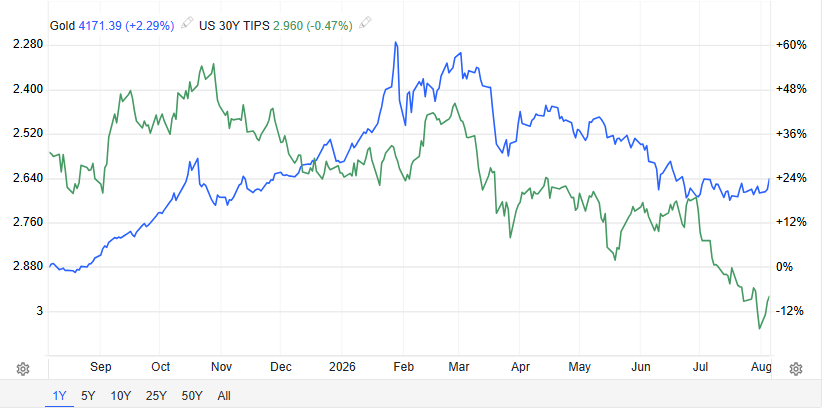
Gold has quietly built a stronger foundation than many realize. With steady physical demand, limited new supply, and ETF positioning still subdued, it may not take much to drive the next leg higher.
Oil prices are learning heavily on admin rhetoric to price high confidence of a near-term deal even as the actual flow of barrels out of the gulf is becoming increasingly constrained.
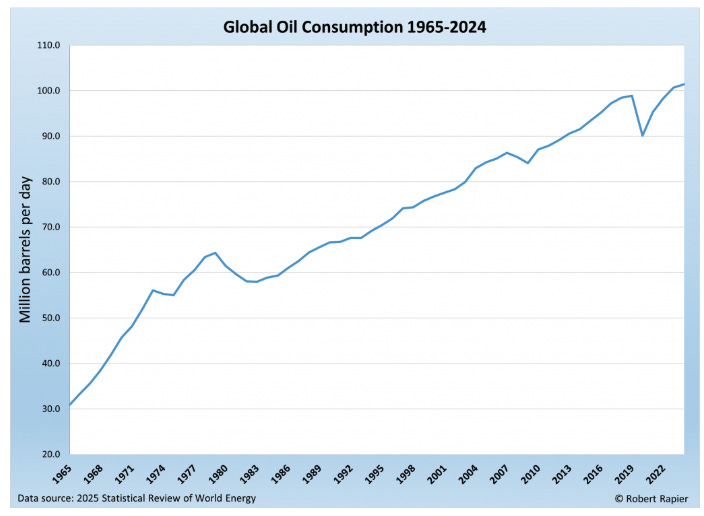
Limited reduction in crude inventories globally suggest that the oil supply cuts have been absorbed by an extraordinary reduction in demand. Much more likely its China’s obfuscated inventory cuts.
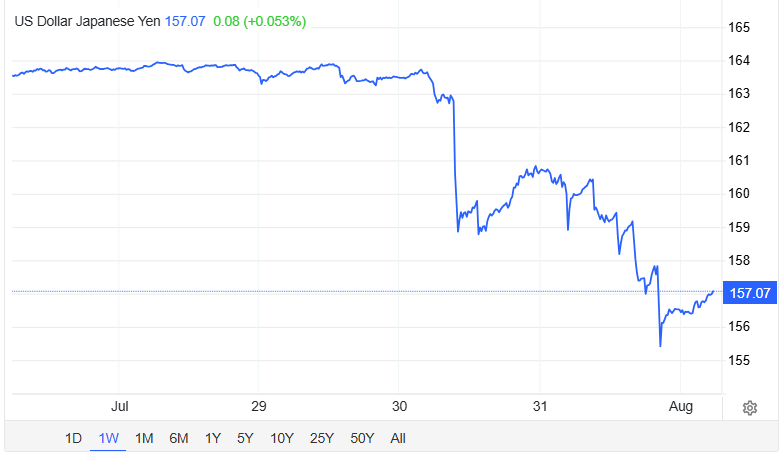
While intervention on its own rarely changes the trajectory of exchange rate markets, conditions are aligning to support the JPY here and the Treasury & MoF efforts are a kickstart to grind higher.
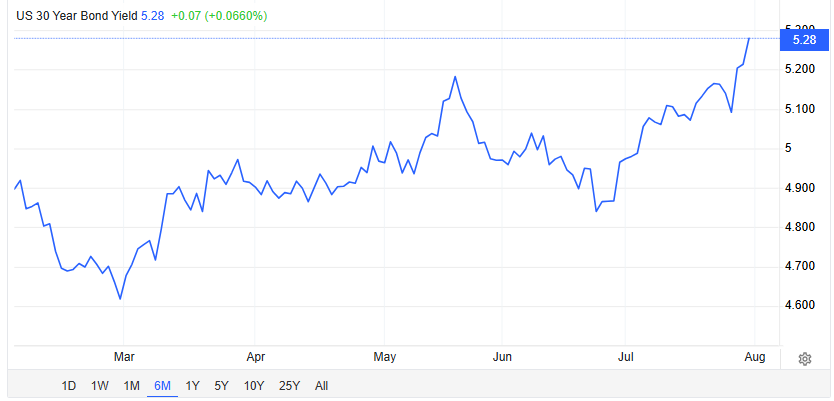
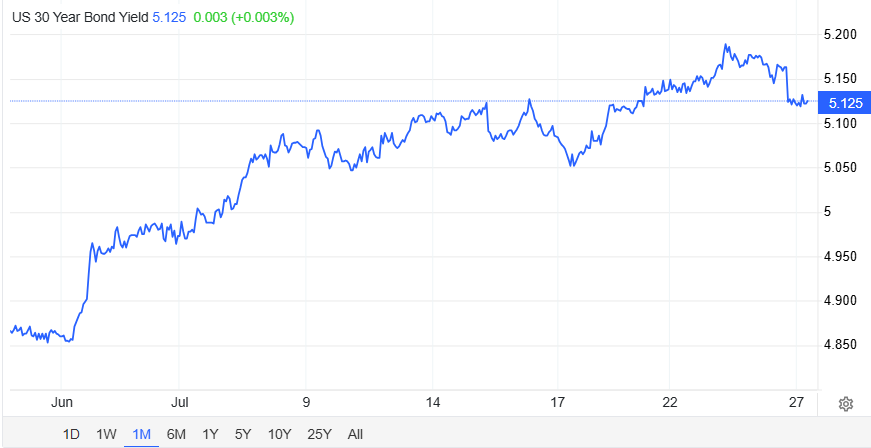
The bond market takes center stages as the QRA, employment report, and whether the JPY intervention continues will set the tone for duration currently at multi-decade highs in yield.
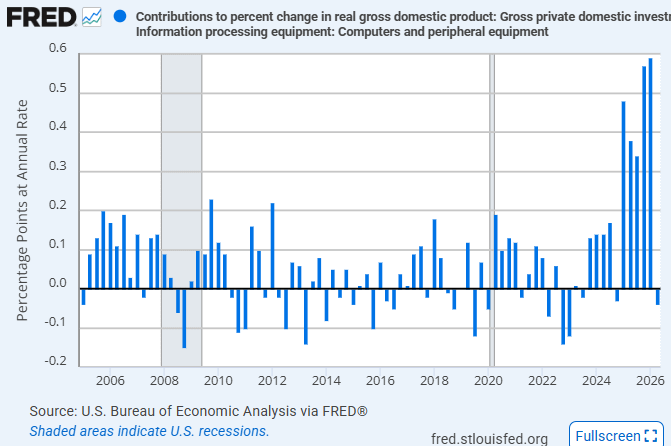
While everyone hopes the Situational Awareness washout marks a bottom in the Semi/AI selloff, the macro data released yesterday calls into question the whole growth & profit boom attributed to AI.
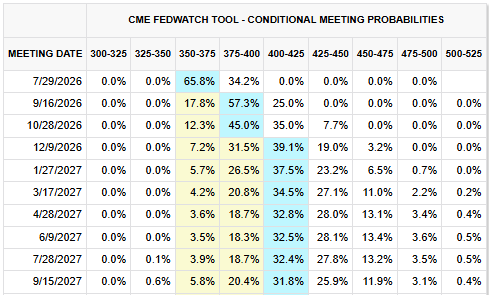
If the Fed sits around in wait and see mode on the hikes needed to cool the equity mania and fight persistently above-target inflation, yesterday showed the long end is going to do it for them.
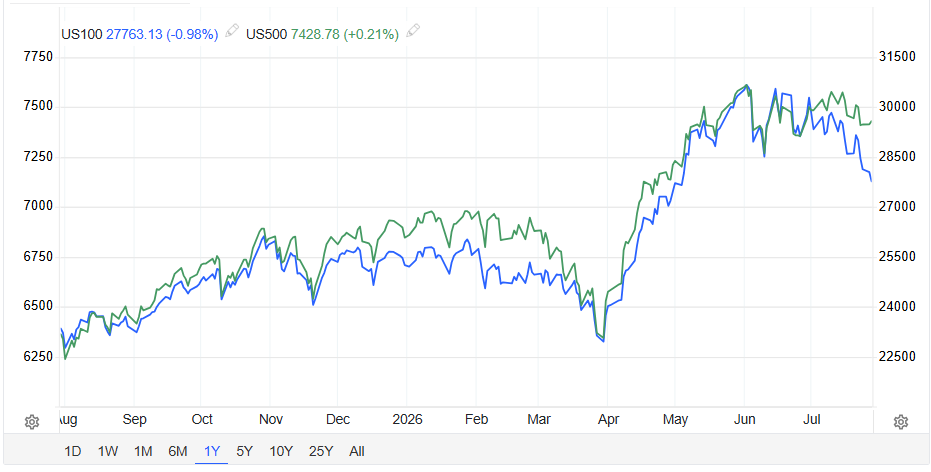
While pundits read the recent market action as a sign the market can withstand reversal of the AI/Semi mania, it’s much more likely a sign of short covering flows than longer-term resilience.
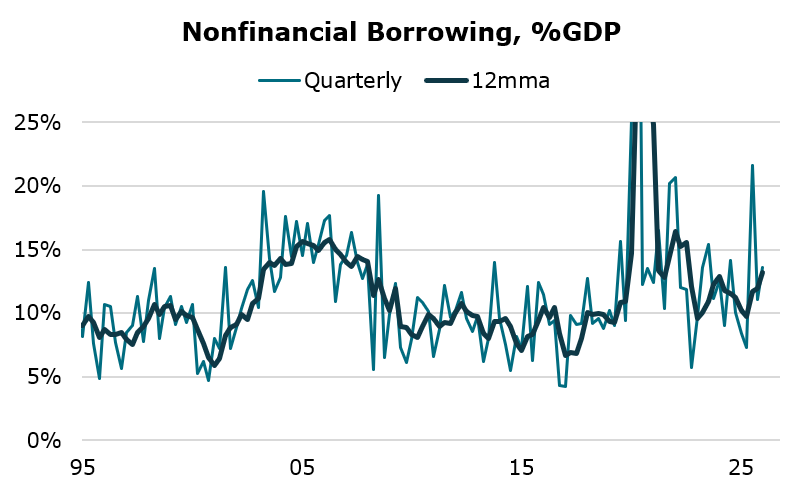
US duration supply is normal as weak HH & corp borrowing offsets high gov deficits, which means when the extraordinary equity bid ends, bonds may be more diversifying than most expect.
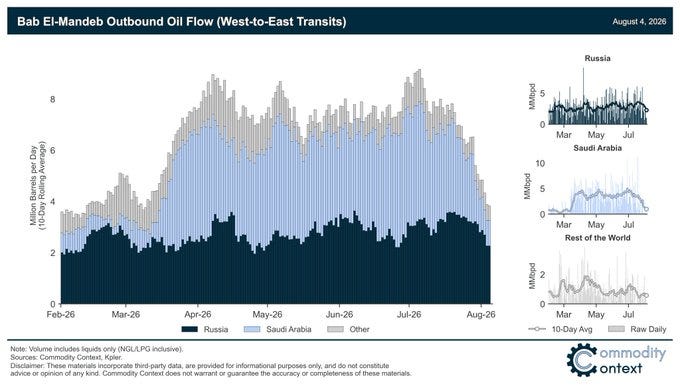
De-escalation signs are crushing short-dated oil prices as we start the week, but there is still a long way to go with limited Hormuz transits, the Bab-el-Mandeb closing and Chinese demand picking up.
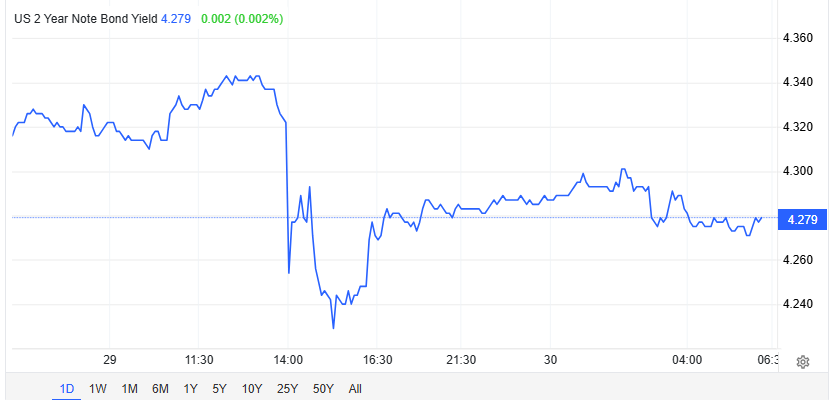
A week of central bank intrigue as there is still some uncertainty about how the Fed, BoJ, and BoE will handle the economic consequences of the continued Iran conflict.