
About the Series: Blaxploitation and the Cities That Make Us is a 6-week analytical series exploring the relationship between Blaxploitation protagonists and the communities that shape them. Whether Los Angeles, Harlem, Oakland, or Detroit, these cities are living organisms that influence each protagonist’s identity. Through historical, cultural, and film analyses, this series examines how each project reflects the neighborhoods, struggles, and communities that gave rise to some of Black cinema’s most adored heroes.
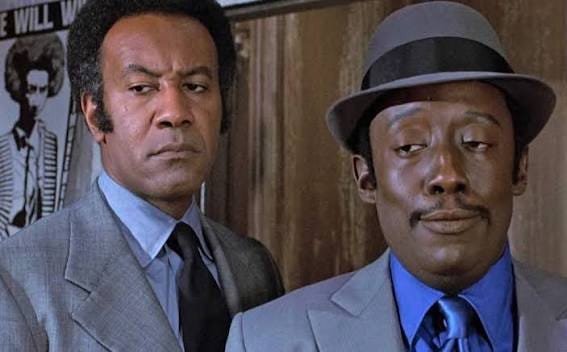
Directed by the late, great Ossie Davis, Cotton Comes to Harlem is an electric early Blaxploitation classic centering “Grave Digger” Jones (Godfrey Cambridge) and “Coffin” Ed Johnson (Raymond St. Jacques), two wise-cracking, street-smart Black American cops working in tandem in Harlem. While often remembered for its punchy comedy and noir flair, Davis’ greatest feat is embedding Harlem as a character as central to the story as Digger and Ed. Every scene reveals the neighborhood as a living structure built on protecting itself despite the internal and external corruption threatening the community.
This Substack is reader-supported. To receive new posts and support my work, consider becoming a free or paid subscriber.
Inspired by Chester Himes’ book of the same name, the film begins with a rally spearheaded by Reverend Deke O’Malley (Calvin Lockhart), who is attempting to gain traction for his Marcus Garvey-inspired “Back to Africa” movement. Standing before a hopeful crowd, he shouts:
“Are you Black enough to hear me? Detroit, Chicago, Los Angeles, Baltimore, Washington… Brothers, we are going home. Goodbye rats and roaches. Goodbye being kicked and raided. Goodbye getting robbed and cheated. Goodbye having to live on the white man’s welfare. We are going home!”
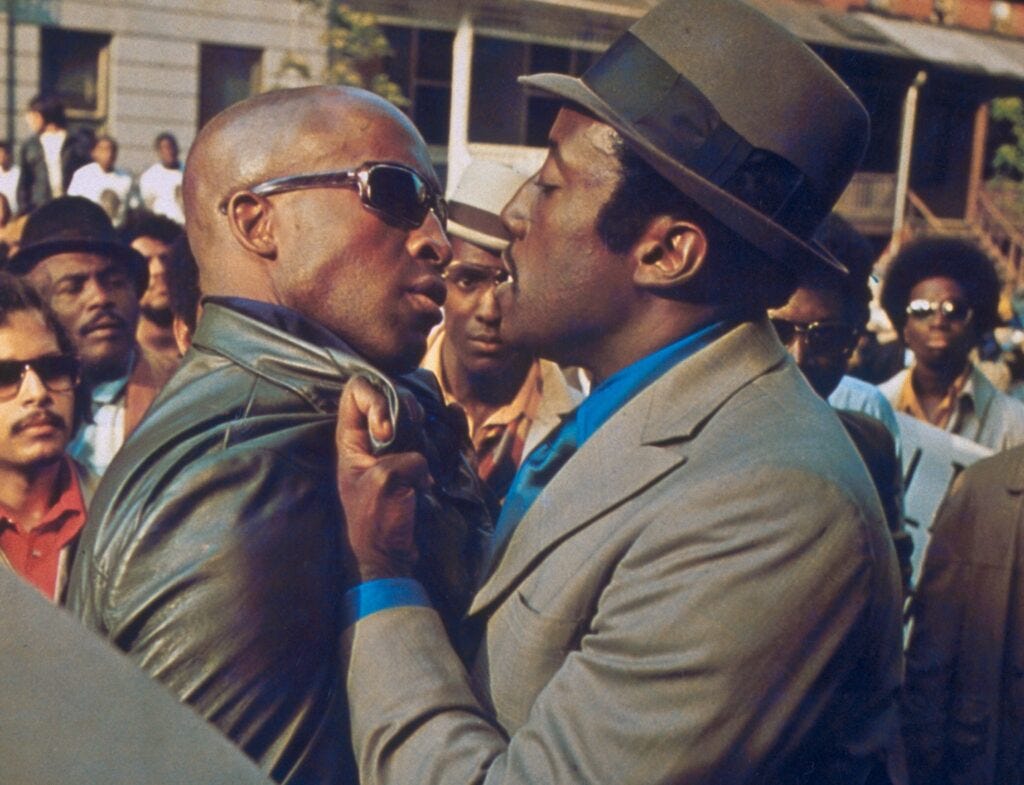
Chaos ensues when masked gunmen invade, steal the community’s donations (totaling $87,000), and escape. While Digger and Ed chase the thieves, a bale of cotton suspiciously falls out of the getaway van and onto the Harlem streets. Uncle Budd (Redd Foxx) finds the cotton and sells it to a junk dealer. As Digger and Ed investigate the death of one of O’Malley’s henchmen, they end up at the home of Iris (Judy Pace) and eventually deduce that the missing money has been hidden inside the bale of cotton. From there, they search for both the money and Uncle Budd, who has disappeared.
Though O’Malley is the antagonist of the film, he provides its first instance of a launching point to contextualize the city as a character. He establishes the city of Harlem and its people who are energized by the promise of no longer living under the thumb of their circumstances. Alongside introducing the film’s main players, the neighborhood is put on display as a prologue to the emotional core of the story.
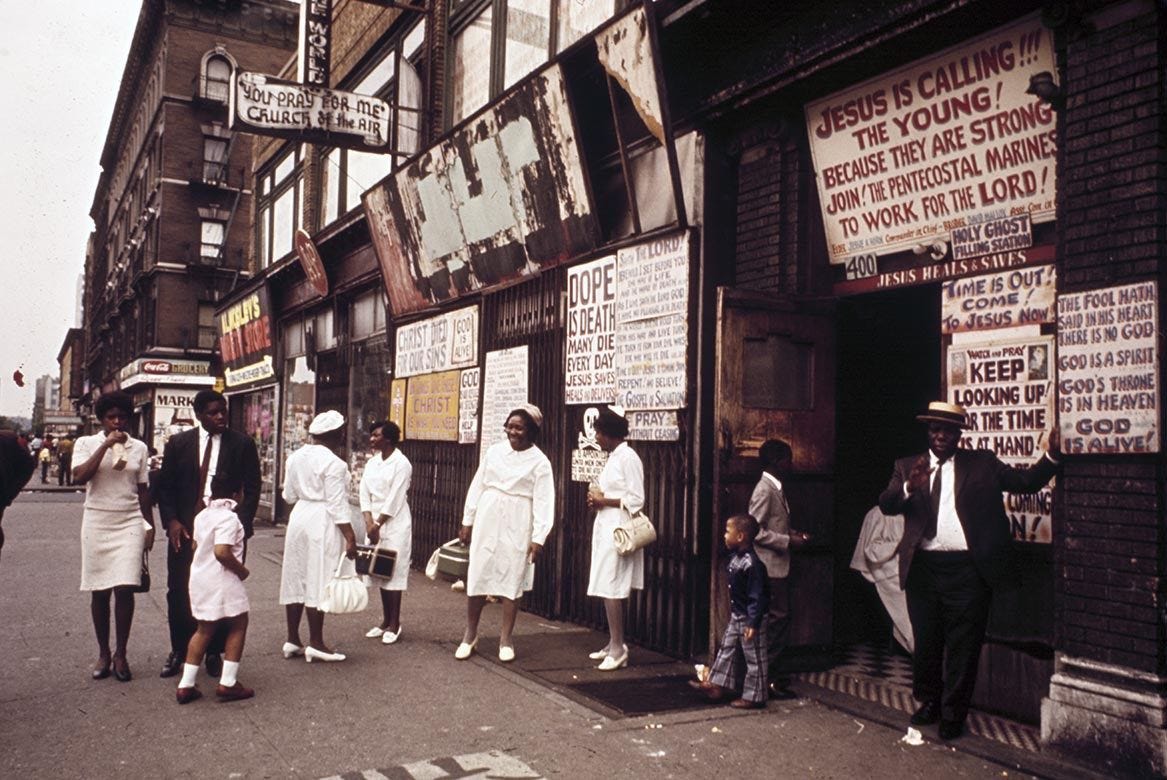
To connect with Davis’ film, it is crucial to understand the history of the city. Harlem was shaped by formerly enslaved Black Americans and thousands more through the Great Migration, seeking opportunities outside of the Jim Crow South. Quickly becoming a center of Black art, political thought, music, literature, and social innovation, the Harlem Renaissance established itself as an enduring symbol of Black creativity. By the late 1960s, Harlem confronted unemployment, poor housing conditions, and the growing distribution of recreational drugs. The film showcases these harsh realities in harmony with the neighborhood’s beauty.
Harlem’s rich history points to the complications of Digger and Ed’s roles within the community they serve; they often face significant backlash from their neighbors because of their roles as cops. A notable theme of Blaxploitation films, police officers represent a system working against the communities they claim to serve. Digger and Ed are revered more than they are hated because, unlike the white officers surrounding them, they police Harlem for Harlem, not for white institutions. They carry ancestral and communal knowledge and use it to their advantage in their police work, attempting to free the community from corruption. They understand the neighborhood, its humor, and its danger in ways the white officers cannot.
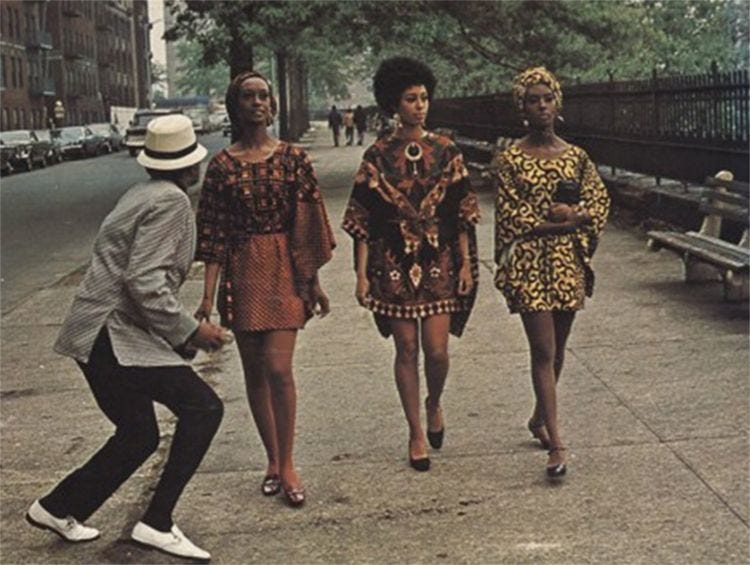
With much history and symbolism to draw from, the film excels at world-building, painting the eccentric streets with tall, striking Black women draped in kente cloth, trucks packed to the brim with watermelons, Swahili classes, scammers, and con artists who steal an older church lady’s wallet from beneath her dress. The strangest object to appear within this landscape is the bale of cotton. This introduces the film’s central question: Why is there a bale of cotton in Harlem?
A bale of cotton, one of the most recognizable symbols of Black exploitation, has been released into Harlem, a newly developed Black mecca, supposedly hiding money. The cotton rattles the streets and sends the leading characters scrambling, chasing, and conning for it. The final confrontation brings the bale of cotton centerstage at the Apollo Theater. The cotton ends in the hands of the community, transformed into an object of spectacle and expression placed in one of the city’s most beloved institutions. Uncle Budd recognizes its value long before anyone else, takes the money, and escapes to Ghana. Irony and greed intersect here in the film’s theme and core message.
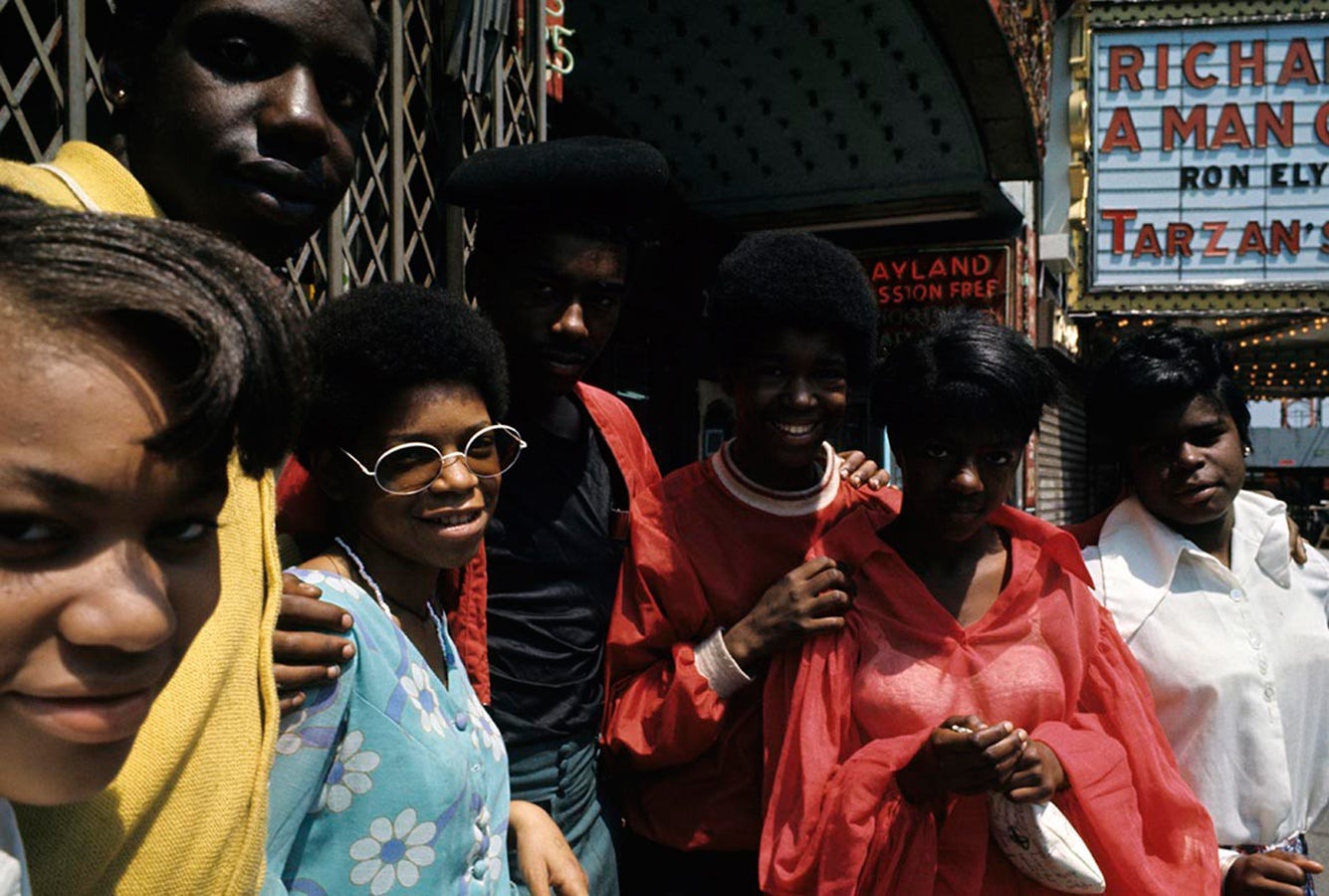
The Apollo is not only a convenient setting for the grand finale, but is a symbol of cultural triumph and a beacon of Harlem’s identity. Davis makes a sharp point, placing the cotton on its stage and reconstructing a symbol of pain into a performance piece. In doing so, the cotton is stripped of its power and reclaimed by the community.
Cotton Comes to Harlem stands on the cusp of the Blaxploitation era, often cited as an early example of the Black-centered narratives that Black American audiences were clamoring for. The film’s box-office achievement reinforced to studios how eager audiences were to see their stories on the big screen.
Harlem breathes, laughs, scams, organizes, protects, and survives for its residents. Digger and Ed succeed because they understand the community that shaped them. By the end of the film, the mystery of the missing money has been solved, but Harlem remains the film’s most unforgettable character.
This Substack is reader-supported. To receive new posts and support my work, consider becoming a free or paid subscriber.
Comments
Nothing yet. Say the first thing.
Sign in to join the conversation.