
About the Series: Blaxploitation and the Cities That Make Us is a 6-week analytical series exploring the relationship between Blaxploitation protagonists and the communities that shape them. Whether Los Angeles, Harlem, Oakland, or Detroit, these cities are living organisms that influence each protagonist’s identity. Through historical, cultural, and film analyses, this series examines how each project reflects the neighborhoods, struggles, and communities that gave rise to some of Black cinema’s most adored heroes.
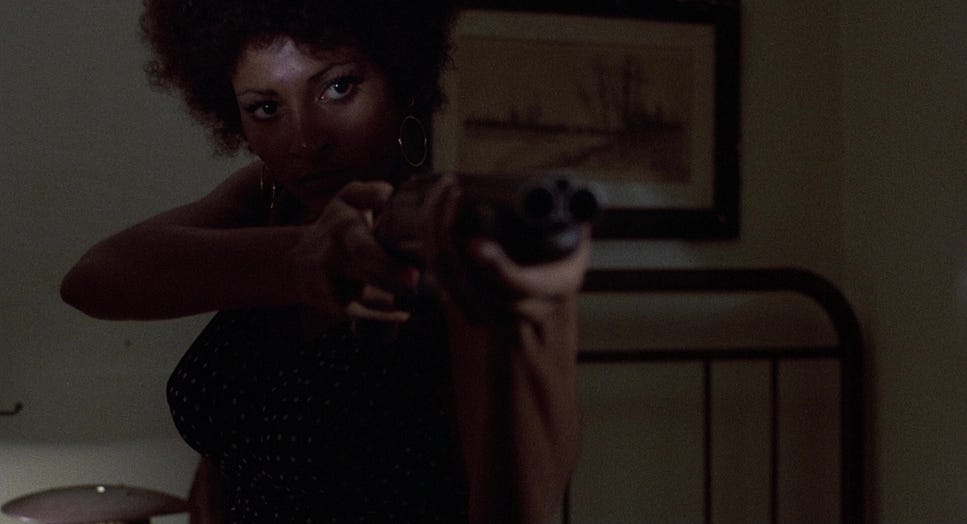
Los Angeles. 1973. Flower Child “Coffy” Coffin, portrayed by the illustrious Pam Grier, is on a mission to seek revenge on the Los Angeles streets and bring justice to her sister, LuBelle, a victim of heroin at the tender age of 11. Audiences are transported to a gritty Los Angeles as Grier shapeshifts from sex worker to nurse to vigilante and back. In Coffy, Grier is tasked with portraying vengeance and violence through the lens of a scorned sister, while Los Angeles becomes an exposé of the dark side of power. The further she ventures into the city, the greater the distance grows between Coffy and the communities she seeks to protect as she moves closer to the wealthy figures orchestrating the drug trade.
Coffy rips and runs through the streets. She follows her trail to the king of LA heroin distribution and flamboyant pimp, King George (Robert DoQui), who embodies everything Coffy loathes. After playing a major role in his demise, she continues her pursuit, encountering Arturo Vitroni (Allan Arbus), a high-end, wealthy Mafia don and criminal associate of King George whose overflowing wealth places him in direct conflict with the communities his business destroys. Later, Coffy discovers her lover, Howard Brunswick (Booker Bradshaw), is not the clean-cut politician he claims to be. His participation in the underground drug trade places Los Angeles’ political class in the same system opposing our protagonist. Through these interactions, the film exposes the devastation and corruption engulfing LA’s neighborhoods, perpetuated by wealthy elites tucked away in the mountains, toying with Black residents like puppets.
Yet, the corruption Coffy uncovers throughout Los Angeles is complicated by the film’s own troubling portrayal of race, gender, and violence. While discussing Coffy in relation to its iconic setting, it is impossible not to address the on-screen degradation. A clear sign of its time, director Jack Hill does not stray away from sexist imagery, overtly racist and tasteless behaviors, and concerning acts of violence and revenge. Though it features a woman who effortlessly slaughters those who wish her harm, it is difficult to enjoy those moments when they are paired with objectification and the constant reminder of the male gaze. This exact contradiction is what keeps Coffy an intriguing portrait of its era. Coffy fights against a society that commodifies the disenfranchised while existing within a film that frequently does the same for the sake of entertainment.
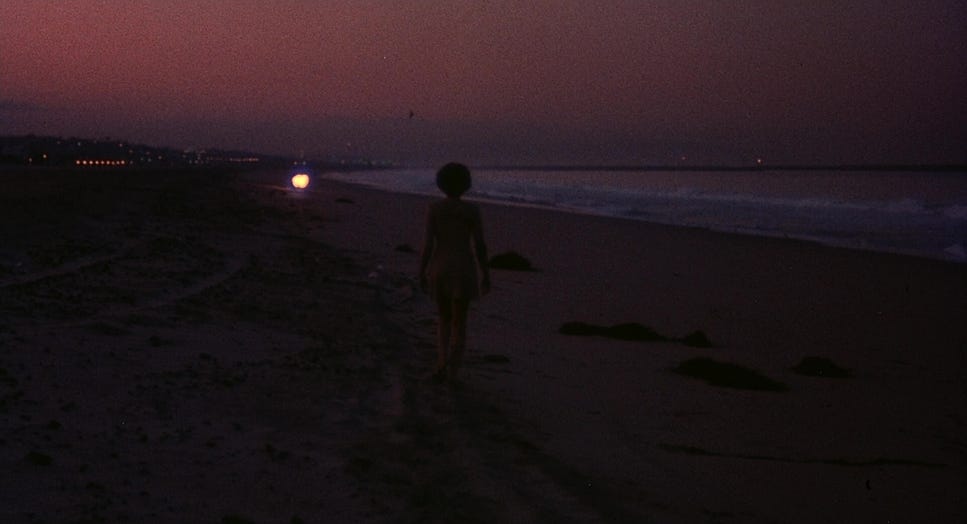
Eventually, Coffy gets her revenge, but at what cost? She can slaughter all the pushers, pimps, and gangers she wants, but the city has already revealed a reality much worse: a hierarchy connecting devastation in the streets to wealth and political power. She survives the city and her hardships, but the system remains intact. A heavy sense of sadness and grief underpins her victory, as defeating her opposition ultimately leaves Coffy with little more than the isolation created by endless violence. Alone, she steps into the bleak Los Angeles dream of 1973.
—
More from the series:
Cotton Comes to Harlem (1970) | Series 2: Blaxploitation and the Cities That Make Us
·
Jul 27
About the Series: Blaxploitation and the Cities That Make Us is a 6-week analytical series exploring the relationship between Blaxploitation protagonists and the communities that shape them. Whether Los Angeles, Harlem, Oakland, or Detroit, these cities are living organisms that influence each protagonist’s identity. Through historical, cultural, and fi…
Cleopatra Jones (1973) | Series 2: Blaxploitation and the Cities That Make Us
·
Jul 19
About the Series: Blaxploitation and the Cities That Make Us is a 6-week analytical series exploring the relationship between Blaxploitation protagonists and the communities that shape them. Whether Los Angeles, Harlem, Oakland, or Detroit, these cities are living organisms that influence each protagonist’s identity. Through historical, cultural, and fi…
More from the author:
Perfect Blue (1997) | Series 1: Women on the Verge (Of a Nervous Breakdown)
·
Jun 1

About the Series: In this 7-week series, I will review and analyze films specially curated for the theme “Women on the Verge (Of a Nervous Breakdown).” Enjoy analyses and thoughts on our cinematic favorites, underrated gems, and discover what makes the featured women protagonists, “On the Verge.”
No posts
Comments
Nothing yet. Say the first thing.
Sign in to join the conversation.