Birds and Freedom
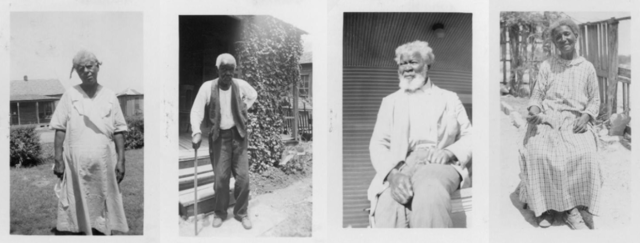
Enslaved men and women in America’s South developed their own ornithology. To them, birds meant forced labor. But they also meant food, opportunity, and sometimes even freedom.

Telling the stories of the birds of America - and the people who named them, ate them, studied them, and saved them.
Subscribe:.rss.atom.json.md.m3u.pls
Live Last read · last published · next check
Enslaved men and women in America’s South developed their own ornithology. To them, birds meant forced labor. But they also meant food, opportunity, and sometimes even freedom.
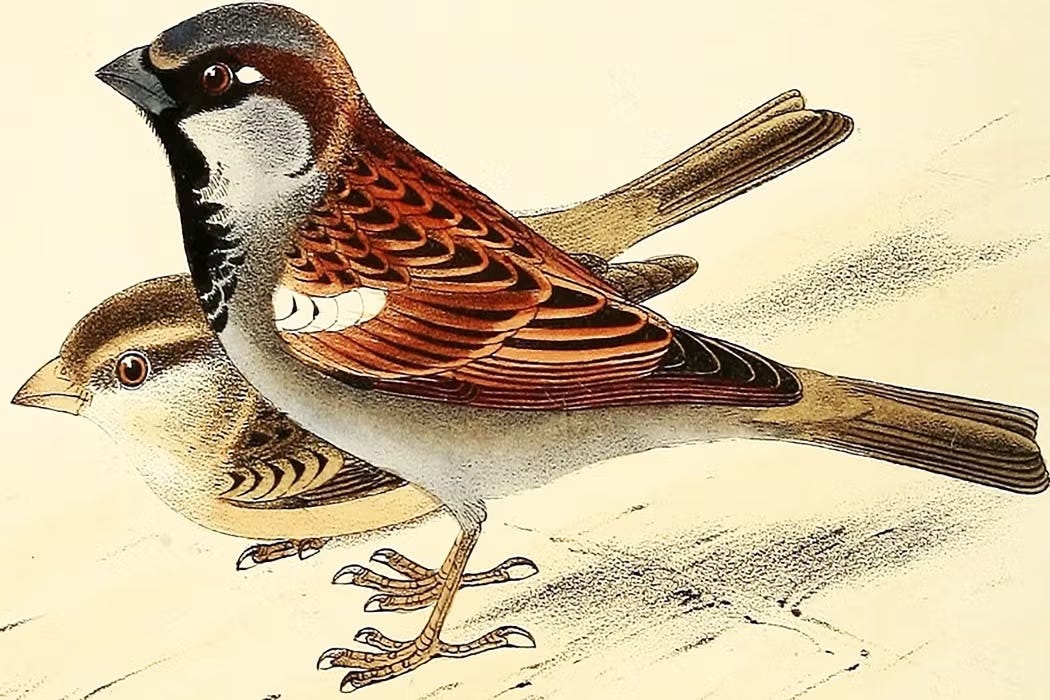
The House Sparrow Was the Bird America Asked For—and Maybe the One It Deserved
Making this list was the hardest thing I’ve ever done
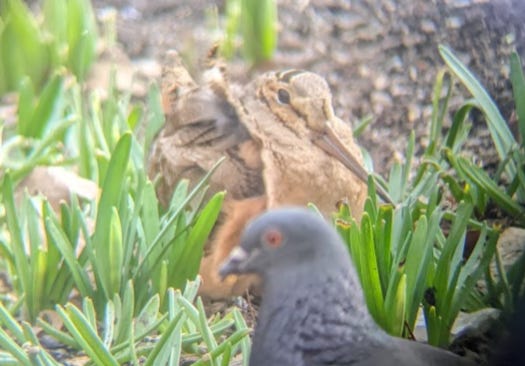
New York’s first celebrity woodcock
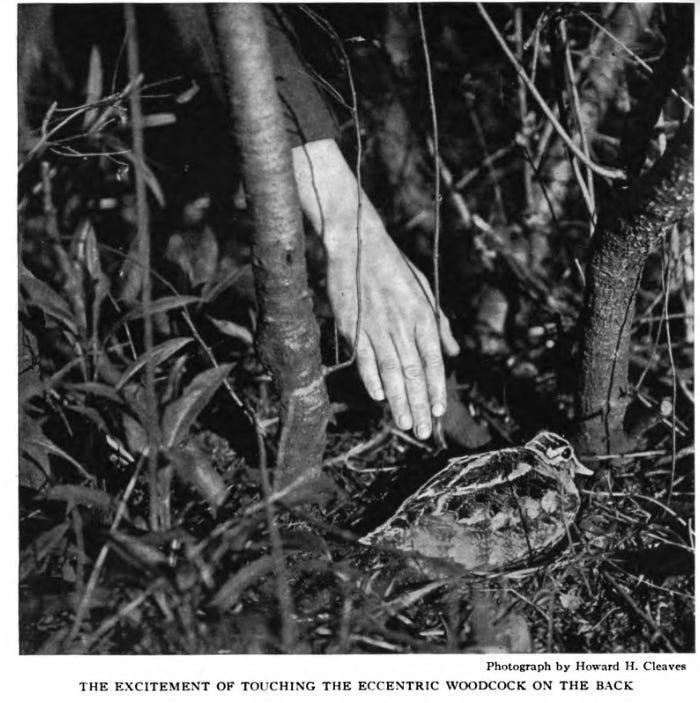
New to woodcocks? Sit down. They’ve been famous for centuries.
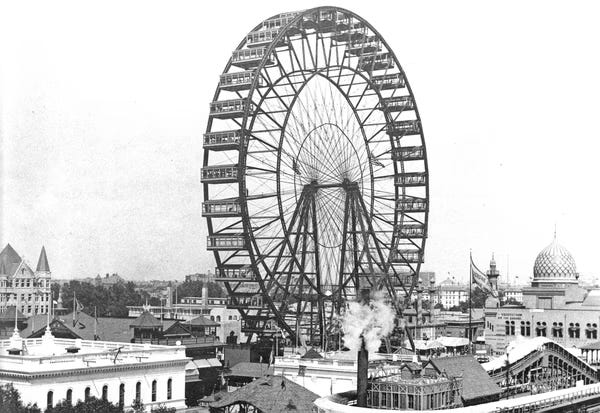
Birding at the 1893 Chicago World's Fair
Birds took over New Orleans in the middle of the state’s worst political crisis
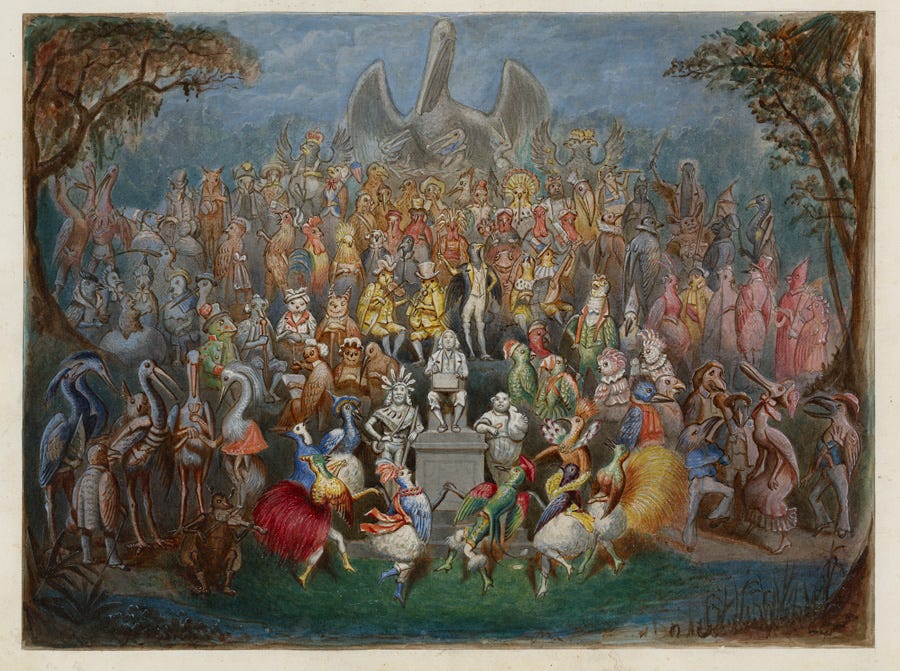
Nothing is more American than sitting down to a meal with seventy of your favorite wild animals.
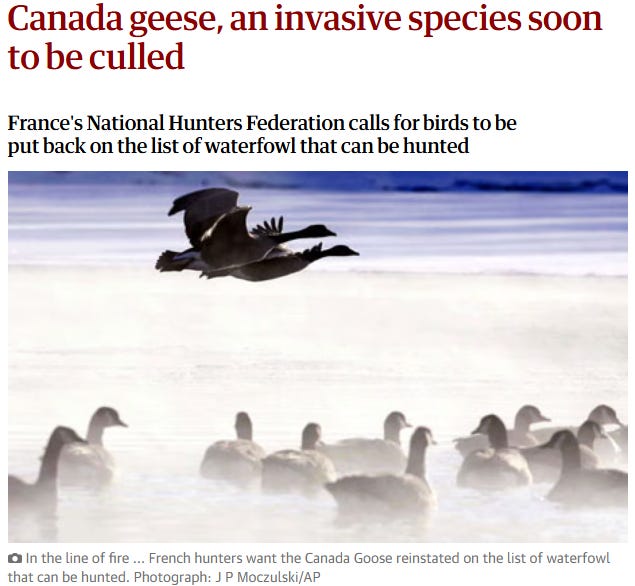
Americans have strong feelings about foreign birds naturalized in the U.S. It turns out we’ve also sent our fair share overseas.
To Europeans, America’s cardinals and mockingbirds were plenty exotic—and they couldn’t get enough of them.
I’m writing a book!
New York City Can’t Live With Its Birds, And It Can’t Live Without Them
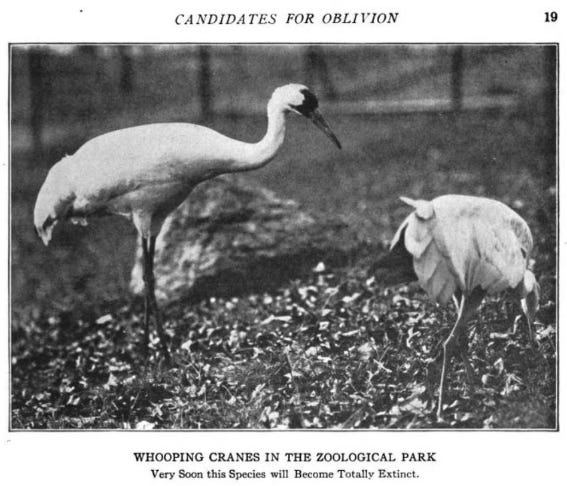
Fearing extinction at the turn of the century
Some stats, highlights, and lessons after 50 posts at Bird History
These used to be folk names for American birds. Where did they all go?
Six Fairy Penguins, bird import metrics, disappearing budgies, and luxury cockatoos.
A global trade in exotic pets brought millions of foreign birds to America. Some of them had other plans.
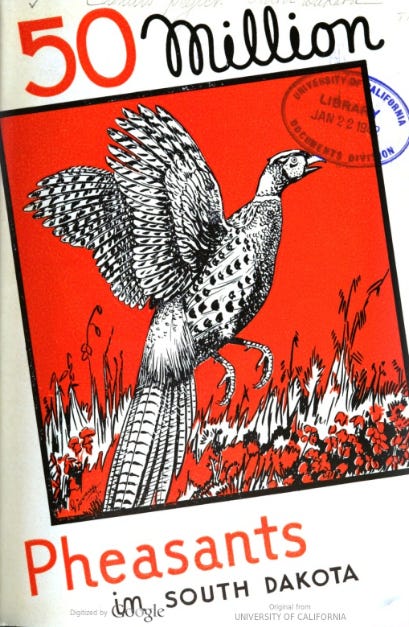
Ring-necked Pheasants and their uncomfortable place in South Dakota
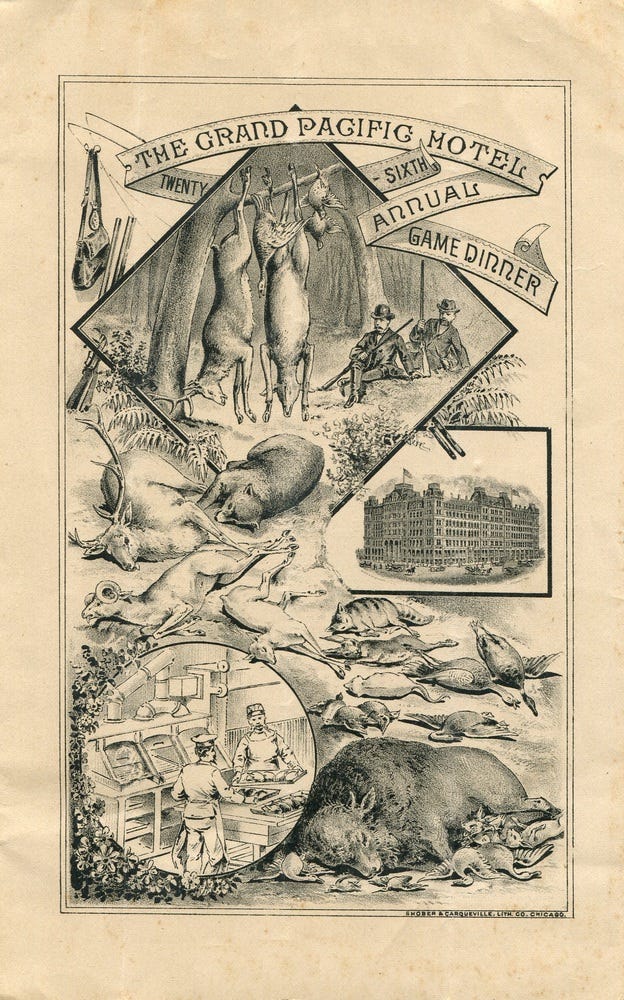
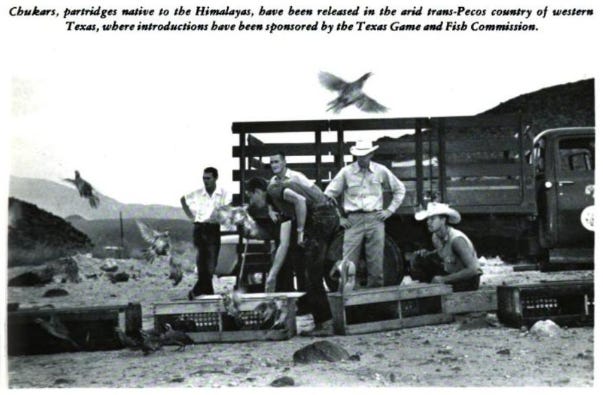
Inside the government’s twenty-year campaign to import the world’s most huntable birds
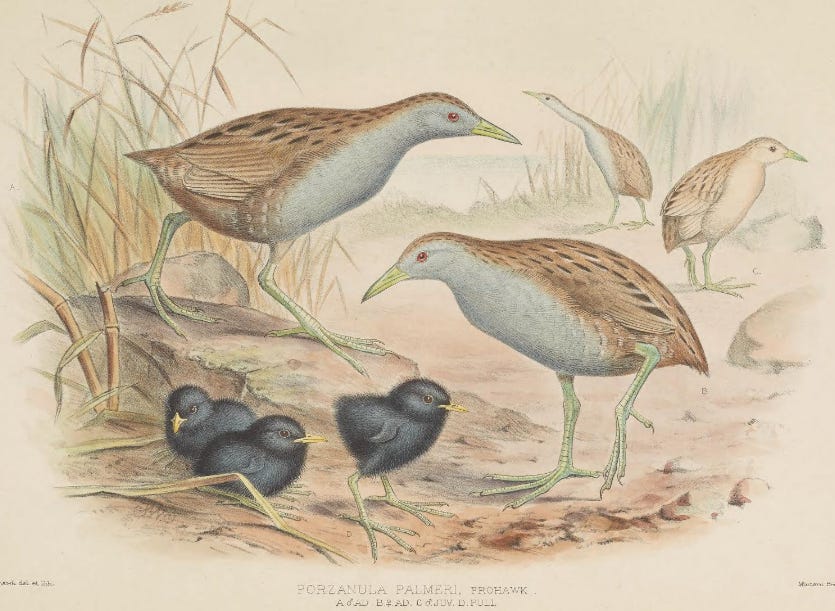
Laysan Rails, friendly albatrosses, deadly cisterns, and conservation proposals a century before their time.