
Have you ever wondered why your one-shots never actually end in one sitting? And because of that, you have to rush to the finish line to end on time, or turn your one-shot into a two-shot where the last part barely fills an hour? Anyone who has run multiple games has been there. So what can we do about it?
One-shots are designed to be short and direct with a solid dose of railroading. In the scheme of open-ended games and stories, they represent the quickest, most straightforward experience out there. Yet they require more experience than we often give them credit for, precisely because of the name: this is expected to end in one sitting. On average, a session runs three to four hours depending on breaks, newer players asking questions, or character introductions.
One-shots are often the response to scheduling challenges in a long-term campaign. Or we want to introduce friends to an easy story that doesn’t require much overhead. Or we want to gain more DM experience ourselves.
All great reasons to roll the dice and play. Even the most well-written one-shot can have pitfalls that you don’t think can slow you down but do. When running any session it is super easy to get bogged down in several key areas.
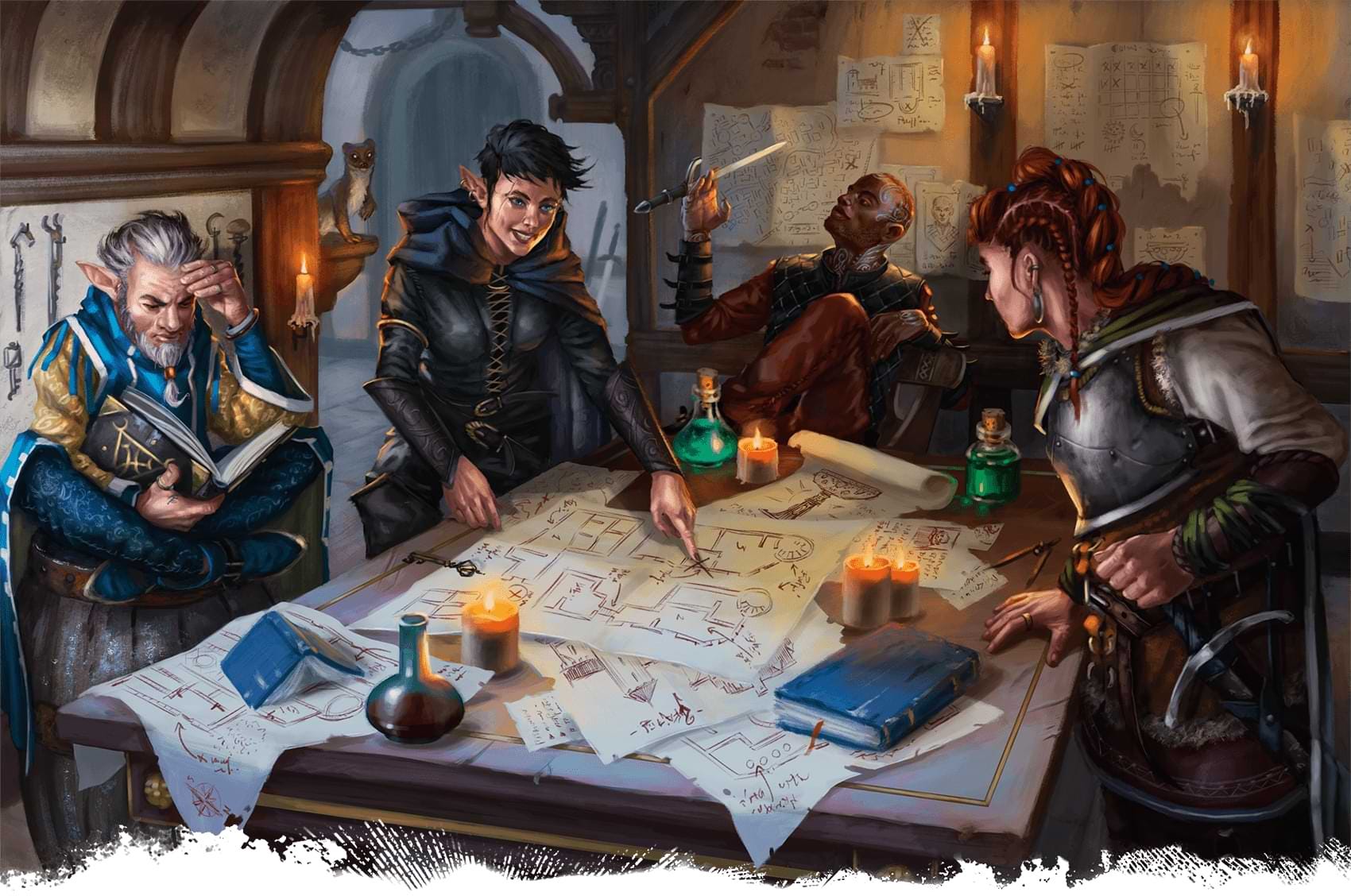
Sometimes we want to open a one-shot story the way we would a campaign: a broad introduction to what’s going on and, more specifically, character introductions. One-shots are not really the place for long, drawn-out backstory where a creative player recites the character’s entire history. Of course we love it when it happens, but what a one-shot needs is a character name, one to two sentences of flavor or backstory (for example, “My name is Grunk and I was bullied by goblin lepers”), and a mention of the character’s class. We don’t need players to go much further than that. In a multi-shot adventure, maybe.
Many one-shots (and adventures, of course) include some form of introductory meeting or scene where the characters receive a quest. There are a bajillion ways to give players this information, but it typically comes down to meeting an NPC or arriving in a town to learn what’s going on.
There’s nothing wrong with these introductions, but they often give players a choice in how to respond to the quest prompt. We already know this breadcrumb leads to the one-shot’s quest, so why lay it at all? Why not start where the story actually kicks off?
"After arriving in town and learning about the giant ant nest causing issues in the town farmlands, you've arrived at one of the main entryways into the nest. Giant worker ants the size of owlbears jut in and out dragging deer carcasses in their mandibles."
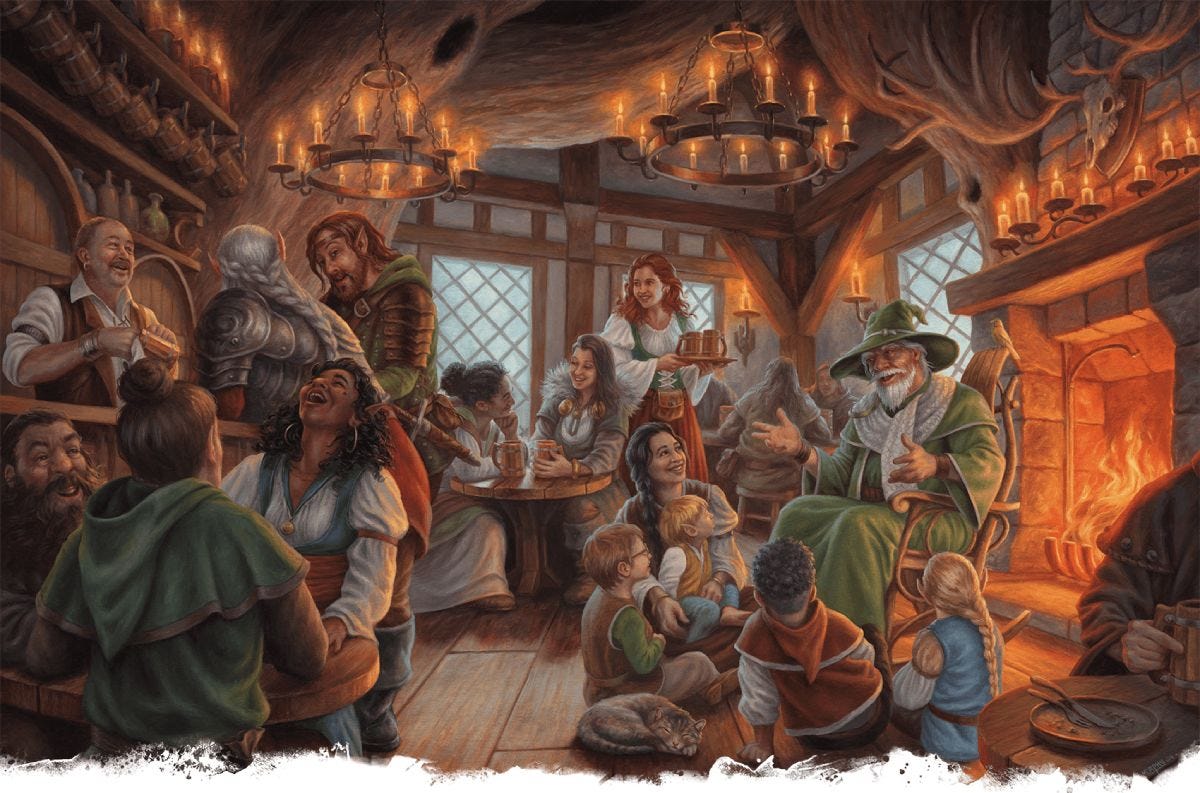
Encouraging players to solve the problems we throw at them is a good thing, and we know it. But it’s easy for players to overthink their options when they hit an unclear challenge. Say the one-shot requires them to sneak into a locked-down castle. If you don’t give them any tools to navigate it, they’ll ponder and debate approaches far longer than you’d like. “Do we try to persuade the guards? Okay, then what do we say? Should we scale the walls? Are there lookouts? Should we hop into a wagon and conceal ourselves in the hay? Okay, but what if they inspect it?”
It’s easy to get bogged down. One-shot challenges should build in a few solutions, some obvious and some not. Using that same example, make it clear that other groups of guards are patrolling (a disguise ruse, perhaps), or that a party is happening inside and the players need to find a way to get invited.
The point is this: if you veil every solution, the table bogs down in groupthink, trying to reach consensus before anyone moves. If players know about option A and option B, things stay simple even when they decide to do something else. If you say “do this thing” but give them no options, they might land on option H or Z. That’s great, but it can take a lot longer to get there.
I’ve written about this previously, but combat is often the single biggest source of getting bogged down when running a one-shot. Nearly every one-shot has a combat encounter, and some have multiple, especially if it takes place in a dungeon. It’s the most rules-heavy part of the game, and players will understandably have questions, especially if they’re new. Many one-shots don’t come with maps either, so you’ll need to decide between theater of the mind (faster) or a battlemap of your own design (slower to run, but more detailed).
If a one-shot is going to have combat, I think it should have just one encounter, usually the finale against a villain or monster. Many one-shots do exactly that, though some pile on a few more in the leadup.
It’s D&D. We wanna be inclusive and have fun with our friends. Totally fair! But the more players you have, the longer things take, because we want everyone to feel included. For a one-shot, I’d cap the table at four or five. With such limited play time, fewer players helps. And if you have a waiting list (the joy of everyone running games), you can run another one for them!
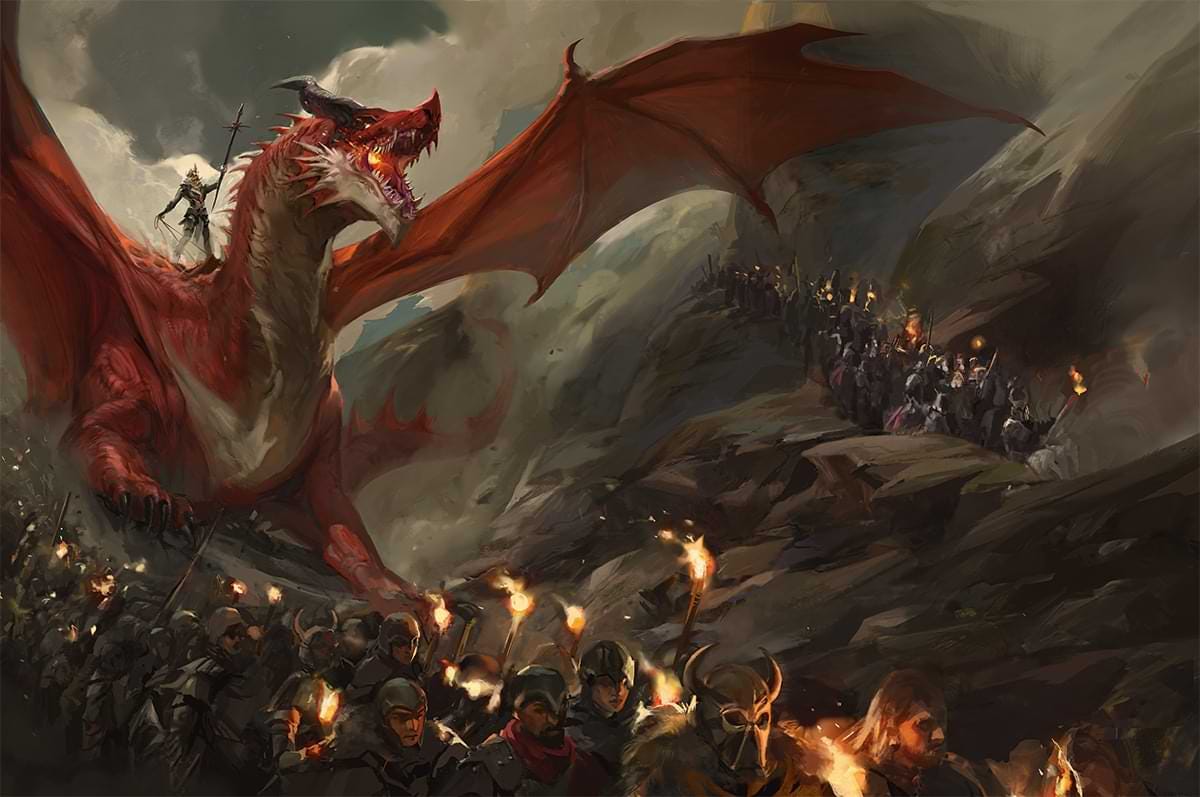
If you’re running an existing one-shot, here are some signs it might take longer than you’d expect.
Dungeons take a long time to run by their nature. They invite caution: treading carefully, checking for traps, analyzing every approach. A 10-room dungeon packed with content is a dead giveaway there’s too much to run in one go. Secret doors and hidden rooms slow things down too, especially if players must find them to progress deeper. Try to avoid requiring that. I’d say three to five rooms is plenty, but be mindful if every room holds an encounter. All combat? Ehh, that one’s tough to pull off. But an environmental challenge, a social challenge, or a puzzle that ends in a fight? That can be pretty reasonable if the encounters are straightforward.
Echoing the advice on dungeon size, the number of encounters matters too. Three to five encounters is more than enough. Encounters come in three types: exploration, social, and combat. In my experience, exploration encounters like navigating terrain are the quickest, often solved with a few skill checks. Social encounters come next, because we all love to talk and role-play, but ending them falls on us; at some point you decide the conversation has run its course. Combat is the slowest. Puzzles, depending on complexity, fall between social and combat, unless there’s a quick solution like flying over a bridge puzzle (that’s happened to me more than once).
An effective combat encounter makes use of monster synergy, tactics, and terrain. Many one-shot combats amount to running up to the villain and beating them up. Those are the fastest, though they still take time. Others add depth with mechanics like legendary or lair actions, or special terrain like lava or cover. The more things you layer into a combat encounter, the more elements you’ll need to track, which can take time too. A few seconds here or there can and do add up. Just be mindful of how many individual stat blocks you have to track (two or three is the sweet spot).
This one’s pretty self-explanatory. The higher the level, the longer things can take, simply because players have more solutions to the problems they face (for example, casting fireball at level 5 versus wall of force at level 10 to seal off an area or trap an enemy inside).
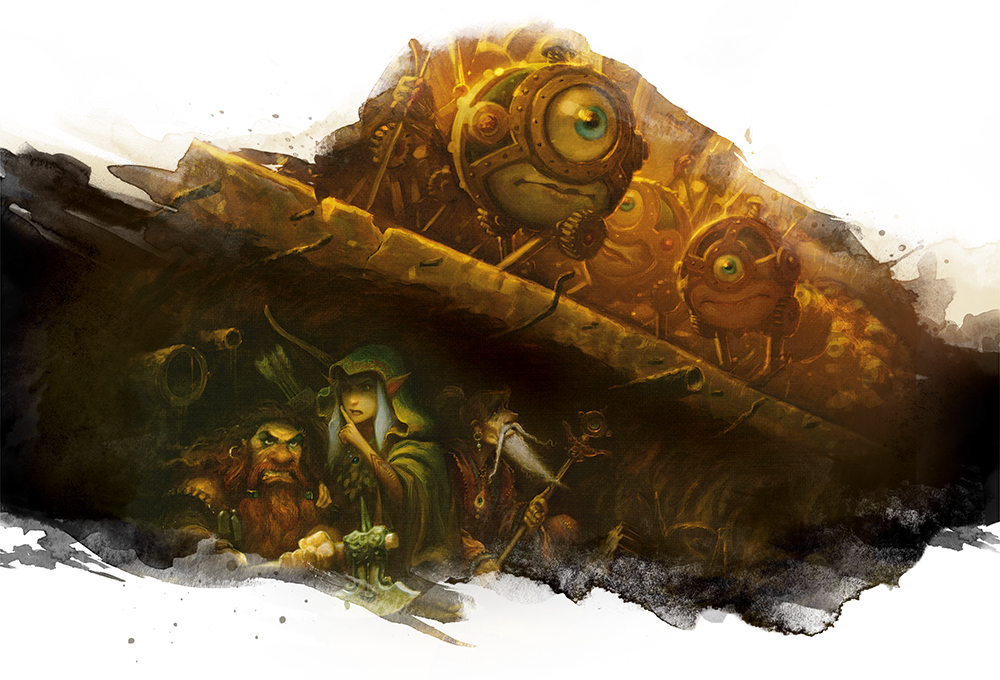
There are plenty of places to find one-shots, as most of us know, like DMsGuild and DriveThruRPG. But I’d also recommend content from the One-Page Dungeon Contest. And I’ll shamelessly plug one of my own: Dangerous Art: A Colorful Adventure (there’s a part two as well). It’s a focused adventure inspired by a quest in Elder Scrolls: Oblivion involving a mysterious painter and a magical painting you have to navigate from the inside.
No posts
Comments
Nothing yet. Say the first thing.
Sign in to join the conversation.