
Every NPC you prep exists to serve a situation. The bartender has a rumor, the guard has a post, the merchant has a price. A villain is different in kind, not just in degree. A villain doesn't serve a situation, a villain generates them. Their wants and their methods are the engine that produces the trouble your players have to respond to, session after session. That's the real line between a villain and a well-built NPC. The ordinary NPC is part of the situation. The villain is the reason the situation exists at all.
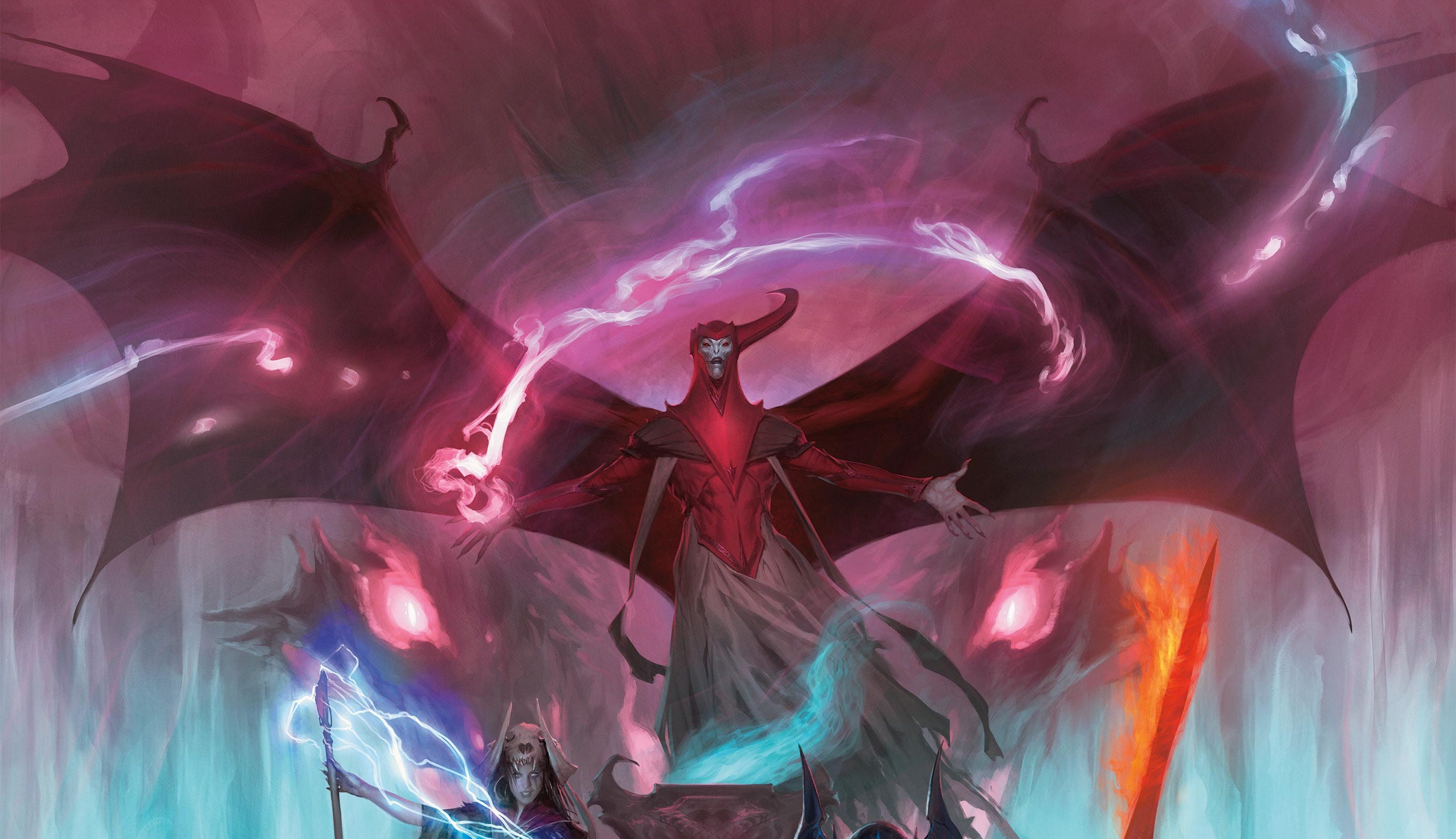
Two things follow from that. First, a villain has to be built for the long haul, with enough staying power to keep generating trouble across an arc or an entire campaign. Second, the strongest villains are connected to the players in some way, whether through a shared goal, a thread of a character's backstory, or a piece of the larger story. A villain with no connection to your table is just a monster with a name. A villain who wants something your players care about becomes personal, and personal is what keeps them coming back.
It also helps to remember that every villain is the hero of their own story. They don’t think of themselves as evil. They have a goal that makes sense to them and a plan to reach it. So the central question you’re answering when you design one is this: how would this person make antagonists out of the heroes?
This process works whether you’re building a campaign-spanning big bad, the villain of a single arc, or the antagonist of a one-shot. The work is essentially the same, but what changes is pace. A campaign villain reveals their presence and methods slowly, in layers, across many sessions. A one-shot villain has to land all of it fast, so the players feel their weight and reach the confrontation inside a single sitting. Same design, different tempo.
This guide is a companion to my situational prep series. If you’ve read the situational prep articles, this will feel familiar. Designing a villain uses the same bones I use for any NPC, wants and methods and assets, just with more tools on the table and more reach in the world.
What You’ll Walk Away With
By the end, you’ll walk away with two things: a repeatable method you can run on any villain concept, and one complete villain built from scratch to show you every step in action. That villain is Montgomery Dorn, a necromancer with a very specific reason for raising the dead.
Step One: What They Want and How They Get It
Everything starts with the same two questions from situational prep: what does your villain want, and how do they get it? Those answers are the cornerstone. They tell you how the villain thinks, how they move, and what kind of trouble they make. The difference with a villain is that you can’t stop at the surface. A villain has to carry a story for weeks or months, and a vague want won’t survive that kind of weight.
“Power” isn’t a want but merely a placeholder. If your villain wants power, ask what kind, and why. If they want to raise an undead army, ask what the army is for. The more specific you get, the more the villain runs themselves, because every specific answer hands you the next situation. Better yet, make the want personal. A want you can feel is a want your players can feel, and that’s the thing that gives a villain staying power and pulls the table in.
This is also where “every villain is the hero of their own story” earns its keep. Somewhere underneath the schemes is an individual who believes they’re doing the right thing. Find that belief and the rest of the design gets easier.
While you’re making them human, give them a real flaw. A flaw is what turns a villain from an obstacle into a person, and it quietly hands your players a way in, something to exploit when the spells come out or something to press on when the talking starts. The best flaws grow straight out of the want, so the very thing driving your villain is also the thing that can undo them.
The example, applied. Montgomery Dorn doesn’t want power; he wants his daughter back.
The want. A sickness swept his town years ago. The dead were burned to stop the spread, and his daughter went to the pyre over his objection. He’s not interested in dominion or revenge. He’s simply a father trying to make his family whole.
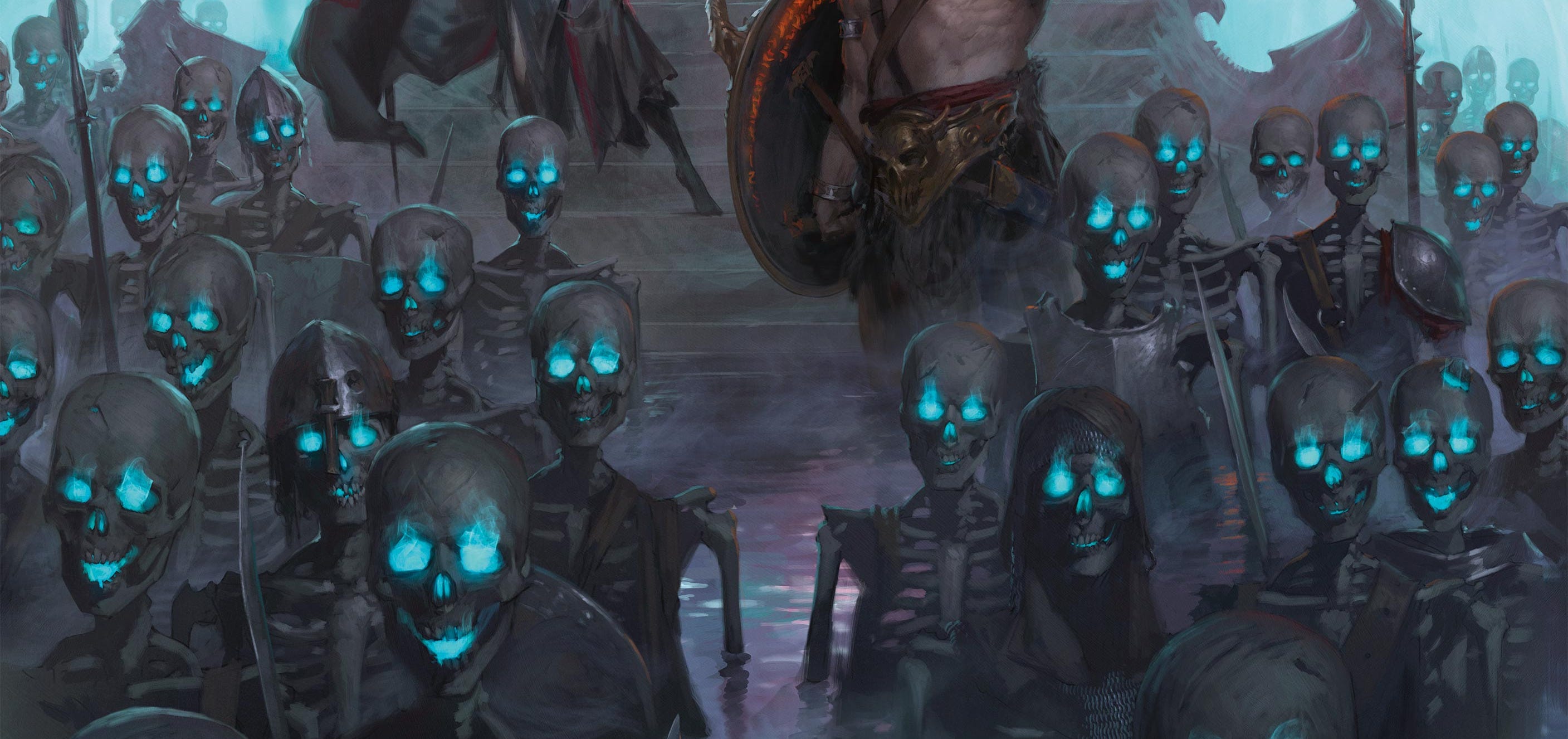
The how. He’s raising the region’s dead. They’re workforce and shield, but also raw material for his real project: a body worthy of his daughter’s soul. The flesh golem on his slab is one failed rehearsal after another.
What it generates. The dead stop staying buried, and it lands hardest when the townsfolk recognize the faces. Their miller shambling through the wheat. Someone’s mother at the treeline.
Scope. In a one-shot, let the players connect the dots fast. In a longer game, keep him veiled and let the mystery breathe before they learn his name.
The hook. You only need one: tie it to a character (a burned relative or mentor) or to a situation (drop the party into a town where the dead won’t rest).
Step Two: Assets
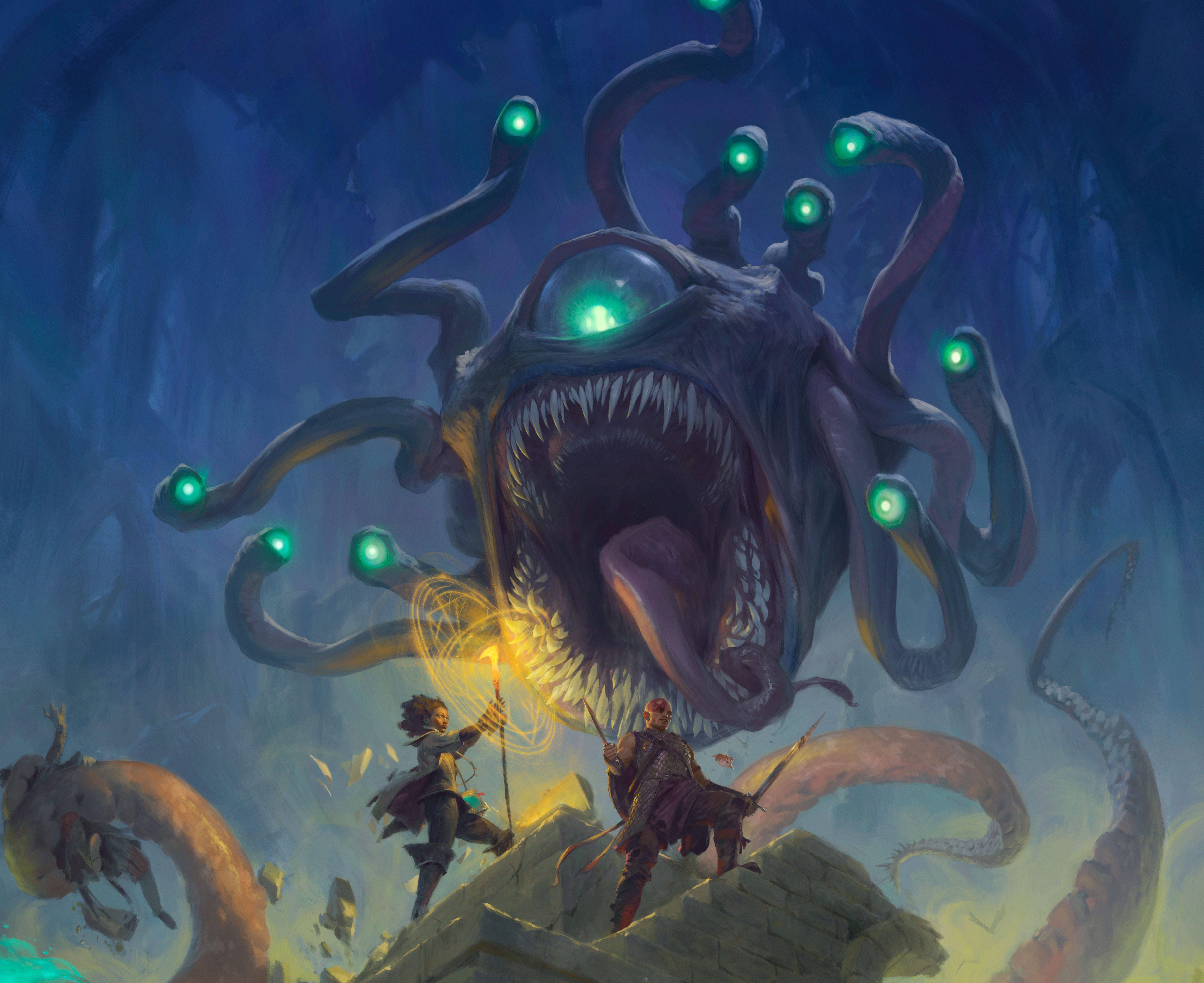
Assets are the tools your villain has on hand, but there’s a twist on the usual situational prep here. In a normal session you list the assets for the whole story: monsters, objects and items, traps and hazards, and social leverage. For a villain, you build that same list around one person and ask a sharper question of every entry: how does this become a challenge for my players? Everything flows from the villain outward.
Monsters
You don’t need statblocks yet, you need types. What does this villain surround themselves with, and why? Split it into the neutral and the loyal. A neutral monster is a threat the villain simply leaves alone, like a nest of giant spiders they’re strong enough to ward off but happy to let guard a back door. Loyal minions tell you more, because the kind of creature a villain keeps says who they are. Ask how that loyalty works too. Were they summoned, paid, bound, or ruled through fear? Then decide which of them are just monsters and which are real NPCs, the lieutenants and commanders worth a name and a voice.
Objects and Items
These are the tools of the trade: the books, reagents, relics, and curiosities the villain uses to do what they do. Some are practical, the raw materials of their craft, and some are personal. Either way, ask what the players could seize, break, or bargain with. An object the villain can’t afford to lose is a plot thread waiting to be pulled.
Traps and Hazards
Think in style before specifics. A villain’s defenses should feel like them. A goblin war band leans on numbers and shock. A careful schemer leans on misdirection and locked doors. Whatever their methods are out in the world, the same instincts show up in how they protect what’s theirs, and those are the challenges your players will run headfirst into.
Social Leverage
This is the optional one, and it’s worth saying plainly that not every villain needs it. Some don’t play the social game at all, and forcing it just waters them down. Scope matters here too. In a one-shot, a villain rarely has time to work a room. In a longer arc or a full campaign, their influence has time to spread, and even a villain who never lifts a finger socially can warp the NPCs around them: the frightened, the loyal, the desperate. Sometimes the social leverage doesn’t belong to the villain at all. It belongs to the people their existence has twisted.
The example, applied. Dorn’s assets all point back to the same grief.
Monsters. The dead, all raised by him, so their loyalty is absolute. Ogre zombies and wights stand guard, an animated armor hides a wraith, and the half-finished flesh golem waits on his slab.
Lieutenant. The exception is his wife, dead in the same sickness and his first success. She came back a revenant, colder than the woman he married, which is exactly why he’s so desperate to get their daughter right. The players likely meet her long before him.
Objects. Two that matter. His daughter’s ashes, the heart of the ritual and the one thing he’d never risk, which makes them your real leverage. And his necromantic tomes, the how of everything: take them and you slow him and learn what he’s building.
Traps. Quiet and everywhere. The dead that don’t stay down, ground that saps the living, ambushes from things the players mistook for corpses. His lair fights the way he does, patiently.
Social leverage. None, and that’s right for him. He’s a hermit with one obsession. But scope changes it: across an arc, his influence still bleeds into the town, a grieving mother hiding him for a promise, neighbors turning on neighbors. The fear he creates does his politics for him.
Step Three: Environments
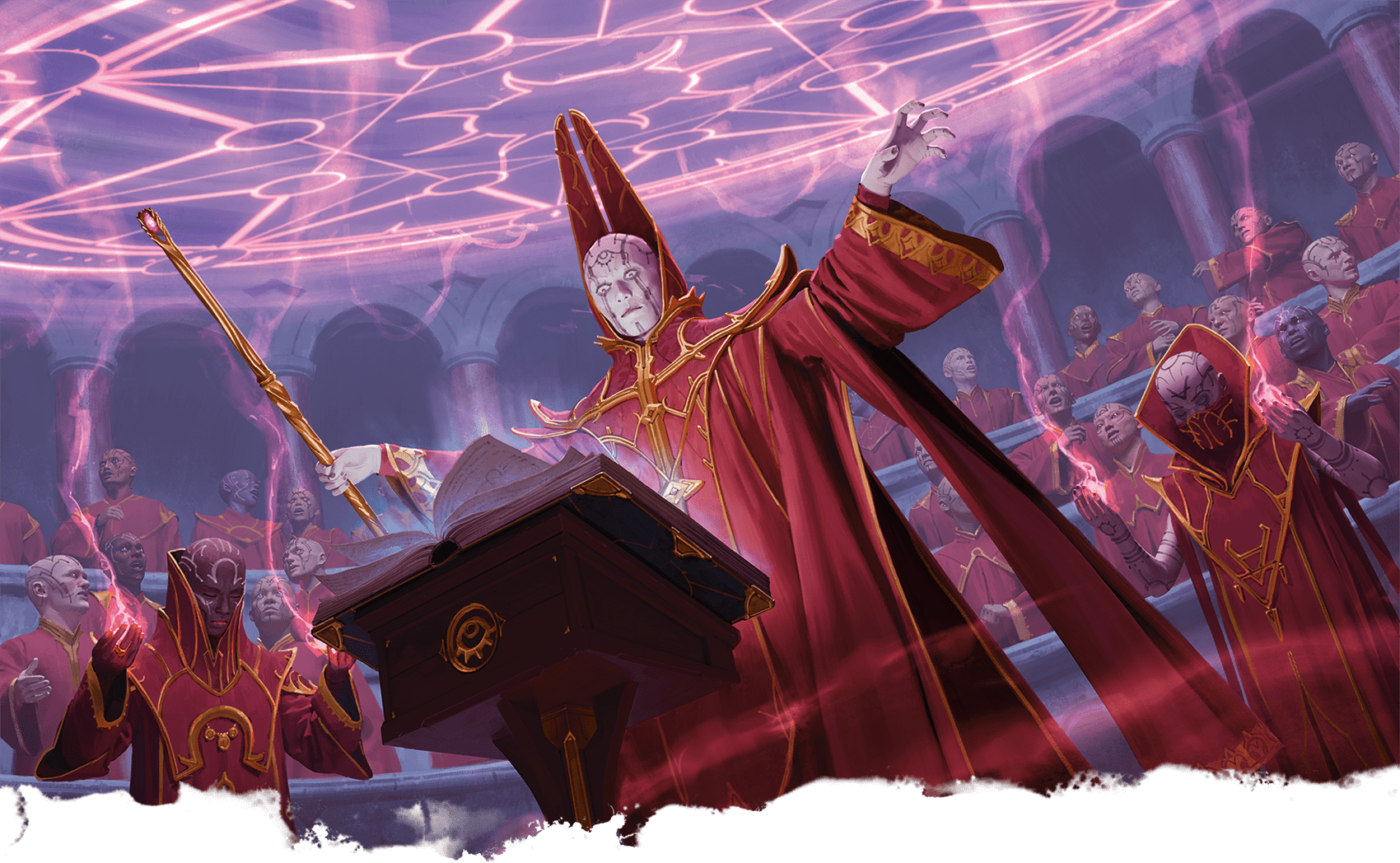
A villain’s environment is more than the room where the fight happens. Think of it in two layers: the lair they defend, and the footprint they leave on the world. You want both, because they do different jobs.
The Lair
The lair is the villain’s home ground, the place they’ve shaped to their own advantage and where a final reckoning often plays out. The trick is to make the lair express the villain. Every detail, the light, the layout, the defenses, the things kept close, should tell the players something about who lives here. A lair that could belong to any random monster is a missed opportunity. A lair that could only belong to this villain does half your storytelling for you.
The Footprint
The footprint is everywhere else the villain’s influence reaches: the roads, the villages, the wild places where their plans ripple outward. This is where the table feels the villain long before they ever stand face to face. Ask how the world changes under their hand. Where does their power press hardest, and who pays for it? Once you know the footprint, you never run out of scenes, because the villain’s reach is the adventure.
The example, applied.
The lair. The Den of Despair, a cave pressed against the town graveyard, so his larder is always full. The torches don’t burn, they glow a cold purple, lit by continual flame. A man who lost his daughter to a pyre can’t stand a flame, so he’s written his own fear into the walls. The players learn something true about him before he says a word.
The footprint. The whole grieving region around the cave. The dead won’t stay buried: a grave clawed open by morning, travelers avoiding the north road, a town watching familiar faces shuffle out of the dark. That dread does his work long before anyone learns his name.
I’ve gathered all of this into Dorn’s full dossier at the end of this guide.
Step Four: Presence and Staying Power
This is the part that separates a villain from a monster with a good backstory. Two questions carry it: how is the villain felt, and how do they last?
Making Them Felt
Every villain sits somewhere on a spectrum. On one end is the unseen hand, like Vecna, who your party might glimpse once and then never again, because a god has better things to do than trade blows with adventurers. On the other end is the ever-present cage, like Strahd, who could be watching from any shadow and step into the scene whenever he pleases. Those are published villains, but they’re the cleanest examples of the two poles. Decide where yours belongs.
Wherever they land, make them felt through influence instead of appearances. The players should feel the villain in the space between encounters: the aftermath they leave, the minions they send, the way the world bends around what they’re doing. The real question to answer is this: how do the players know they’re up against this particular villain and not some random threat? That’s what a calling card is for, a recognizable fingerprint, and it’s where breadcrumbs earn their keep, a trail of small, deliberate signs that all point back to one person.
Coming Back Changed
A villain you’ve made to carry a story shouldn’t die the first time the party corners them, at least not in a longer game. Give them a way to persist: a contingency, an escape, a return.
But the important part is this. If a villain comes back, they should come back changed. Not the same statblock with the same bag of tricks. A return that transforms them, costs them something, or escalates the threat is a story beat the table will remember. A return that’s just “surprise, he’s alive, roll initiative” is a cheat they’ll resent. And scope decides whether you need this at all. In a one-shot, the villain’s death is the ending, and that’s exactly as it should be. In an arc or a campaign, a good contingency is what earns them the title of big bad in the first place.
The example, applied. What gives Dorn presence and longevity?
Calling card. His dead. The corpses that rise are people the town recognizes, and every grave torn open from the inside points back toward the cave. The purple light is a nice touch once they arrive, but out in the world it’s the walking dead that announce him. That keeps him near the Vecna end early, unseen and inferred, looming larger as the trail tightens.
Coming back changed. He’s a necromancer, so of course he’s planned for his own death. In a longer game he doesn’t stay gone, and he doesn’t come back the way he left. What returns is colder and less human each time, until the thing still reaching for his daughter is barely a person at all. That tragedy is why he lasts. In a one-shot, skip all of it: his death is the point.
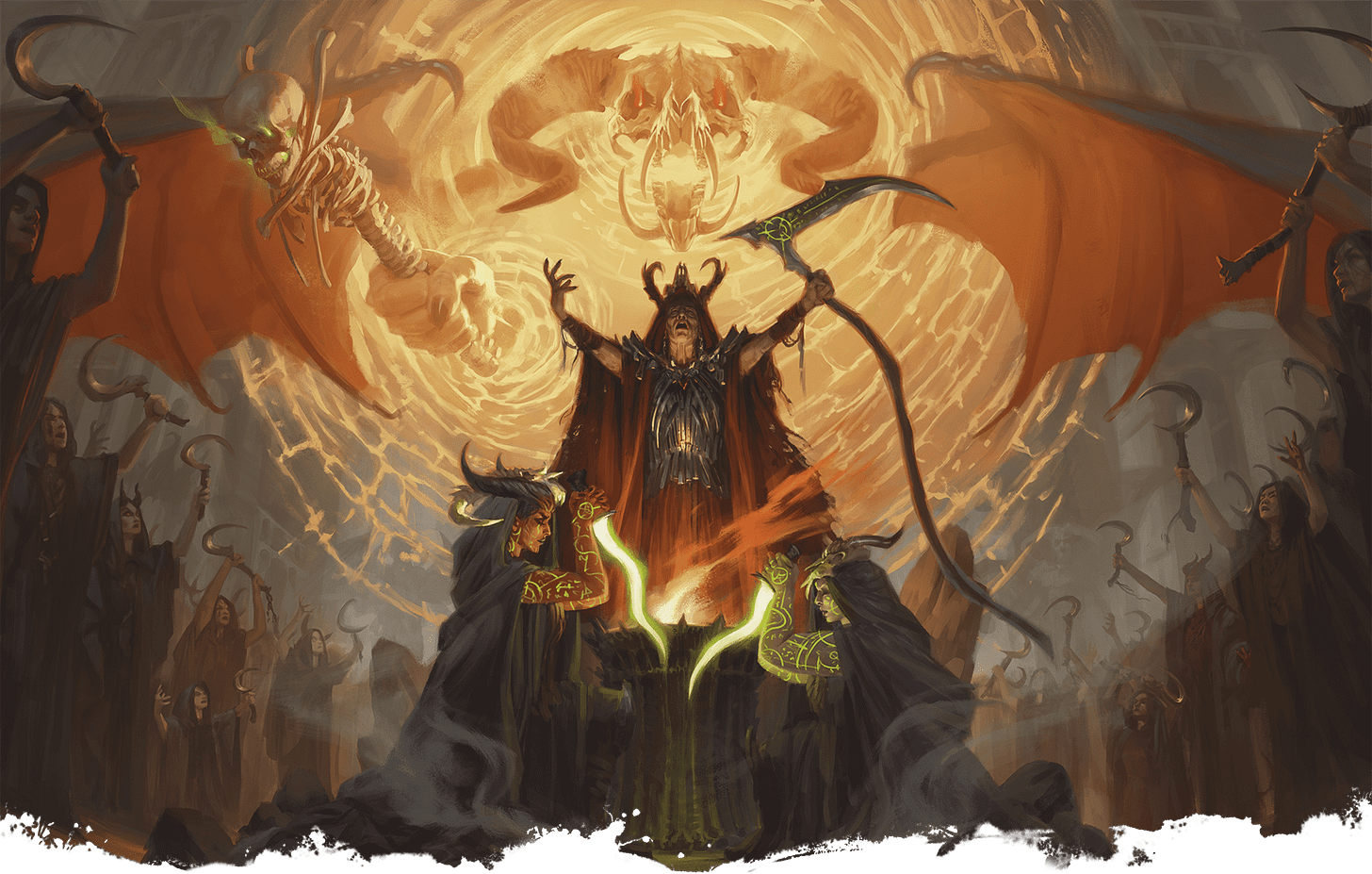
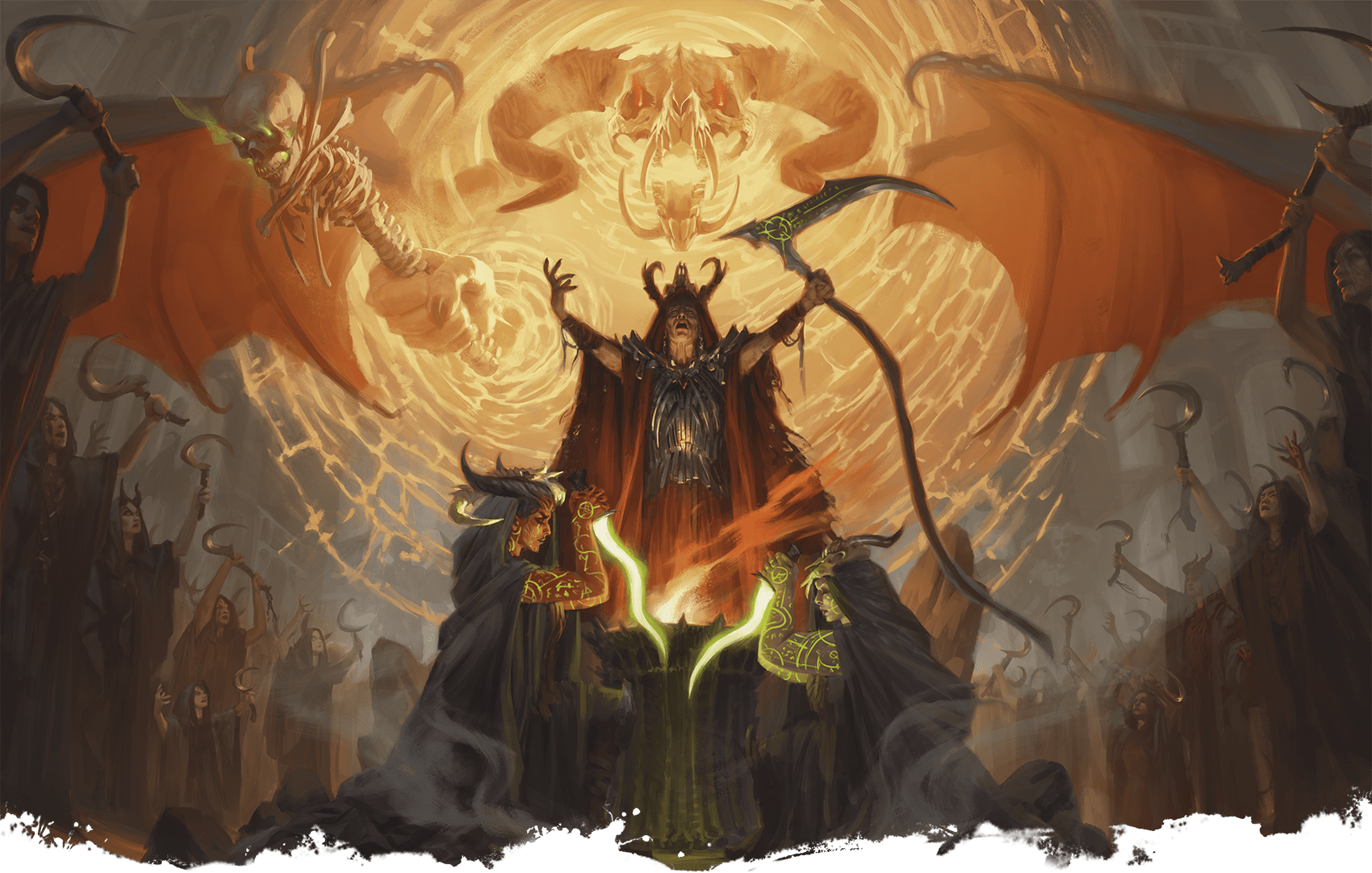
Death is only the beginning. Credit: Aurore Folny
Step Five: Mechanics
Here’s a fair question, and one I asked myself while writing this: does designing a villain really need a mechanics step at all? Statblocks, damage math, and save DCs feel like session prep, not character work. That’s fair, but it misses something. Mechanics aren’t separate from character. Done well, they’re one more way to say who the villain is.
Think of it as character expressed through mechanics. A villain’s signature abilities should reinforce everything you’ve already built, so the way they fight tells the same story as their wants, their lair, and their minions. When the players finally trade blows with them, the rules themselves should feel like an extension of the person. You don’t need a full statblock at this stage, just the handful of signature moves that could only belong to this villain.
The example, applied.
Lair actions. He pulses necrotic energy through the cave and raises fresh dead from the corpses around him, so the fight itself keeps restating his identity: death answers to him, and it never runs out.
Activation runes. The runes around the flesh golem turn his greatest experiment into a ticking clock the players can race to stop. His obsession, made playable. None of it is generic monster math but villain himself expressed via the rules.
You’ll find all of it pulled together in Dorn’s full dossier at the end of this guide.
Closing: Give It a Try
That’s the whole method. Five questions, asked in order, and a villain assembles themselves out of the answers:
What they want, and how they get it. Start personal and specific. The want is the engine that generates everything else.
Assets. Monsters, objects, traps, and social leverage, all built around one person and aimed squarely at your players.
Environments. The lair that expresses who they are, and the footprint where their influence is felt long before anyone sees them.
Presence and staying power. How the villain is felt between encounters, and how they come back changed when the story needs them again.
Mechanics. Signature moves that say who they are, not just numbers on a page.
The best way to make all of that click is to watch it happen once, start to finish. So here’s Montgomery Dorn, gathered into a single dossier just below, along with a handful of plot threads he throws off. Read him as a worked example, then take a villain of your own through the same steps.
And if pulling a finished villain straight off the shelf sounds better than building your own, I’ve got something in the works on that front. More on Drag & Drop Villains soon.
May your villains be devious and your players be challenged! Subscribe for more insights! :)
The Full Build: Montgomery Dorn
The whole method, run start to finish on one villain. Copy the shape for your own.
Want. To bring his daughter back, lost years ago when the town burned its plague dead over his objection. Not power, not revenge, just a father trying to make his family whole.
How. Raising the region’s dead as workforce, shield, and raw material, all bent toward building a body worthy of her soul. The flesh golem on his slab is his latest failed rehearsal.
Assets. Ogre zombies and wights for muscle, an animated armor hiding a wraith, and his wife raised as a revenant lieutenant. His daughter’s ashes are the heart of the ritual and his one true weakness. His necromantic tomes are the how. He plays no politics, but the fear he creates turns the town against itself.
Environment. The Den of Despair, a cave pressed against the graveyard that feeds him, lit by cold purple continual flame because he can’t stand a fire. His footprint is a whole grieving region where the dead won’t stay buried.
Presence and staying power. His calling card is the recognizable dead and the graves torn open from the inside. In a longer game he’s planned his own return, and he comes back colder and less human each time.
Signature mechanics. Lair actions that pulse necrotic energy and raise fresh dead, plus the activation runes racing his flesh golem to life. Every rule restates the same idea: death answers to him.
Plot Threads He Generates
A good villain hands you adventures so here are a few that fall straight out of Dorn:
The familiar dead. A grieving family begs the party to put down a loved one who won’t stay buried, then begs them not to.
The hidden benefactor. Someone in town shelters Dorn because he promised to return their child, forcing the players to decide what to do with a sympathetic accomplice.
The ashes. Word spreads that the necromancer guards a small urn above all else. Whoever holds his daughter’s ashes holds him.
The first success. His revenant wife moves through the region on her own errands. She found the players’ problem long before Dorn did, and she doesn’t need his permission.
The offer. Dorn doesn’t want to fight. He wants help, and he’ll trade for it. What will the party give a man who can return their own dead?
Comments
Nothing yet. Say the first thing.
Sign in to join the conversation.