RSS Amplifier

Podcast

BehaviorAl

Building trust and responsible products without manipulation or dark patterns in the world of AI. BehaviorAI - Responsible AI design library

behavioralinsight.substack.comSource feed ↗21 episodes

Live Last read · last published · next check

Written by

Latest episodes

From UX to human AI interaction. AI's ROI starts with human behavior.

AI is changing not only how we design products, but also the relationship between people and technology itself. Traditional UX is not enough to describe trust, agency, or decision making [EN/PL]

Why no compliance test will catch this. 3 gaps that are hard to catch in a product [AI]

The team passes the legal audit with a clear conscience. The product still fails the user exactly where it was supposed to protect them. [ENG/PL]

Not every shortcut is good design [Nie każde ułatwienie jest dobrym projektem]

One question has been coming back to me for a few weeks now. Is what we consider success in AI product design, meaning the removal of every possible friction, sometimes a mistake in our assumptions.

The gap between investment and use: where we’re getting AI adoption wrong

95% of companies see no measurable return on their AI investment. Because AI adoption isn't a technology problem, it's a behavior problem. [ENG/PL]

Nowe zasady transparentności AI: zgodne nie znaczy zauważone [New AI transparency rules]

2 sierpnia zaczynają obowiązywać przepisy, na które czekałam od dawna, i które jednocześnie napawają mnie lekkim niepokojem.

“AI should support people at work, not replace them.” Nobody is saying how to design that.

"AI supporting people at work," not as a declaration, but as a concrete design pattern.

Your team shipped AI. Nobody asked if users wanted it or if they should have it at all.

BehaviorAI Design Framework a methodology for designing AI interventions that starts with "why" before answering "what" and "how".

AI designers are getting coding tools. Nobody gave them tools for understanding people

BehaviorAI Pattern Library a design pattern library organized around behavioral moments, not interface categories.

Personalisation or manipulation? One design decision makes the difference.

The ban regulates content. What actually shapes user behavior is somewhere else entirely, and no regulation will change that until we learn to name it.

A label does not change behavior. The design of a label does.

The EU just published three icons for labelling AI-generated content.The EU just published three icons for labelling AI-generated content. Looks like a compliance detail.

The model is accurate. The UX is clean. So why don't users trust it, and why is that silence killing your data?

AI adoption problems get diagnosed as model issues or UX friction. This article is about the third cause: the one no benchmark surfaces and no A/B test catches.

What AI changes about UX and why microbehaviors matter more than macro-flows.

Automation does not eliminate effort. It moves it. Building good AI experiences requires understanding not just clicks, but the cognitive processes that produce them.

'Invisible layer' of AI Experience. Why a great model is not enough for product success.

AI adoption is not a tech problem. It’s a behavioral design problem..

Design is more than form. It's shaping how people think.

System 0 is an invisible layer of technology that selects, organizes, and translates information before a person even has time to think about it independently.

From patterns to decisions. The shift in AI design. BehaviorAI

The real value is not in browsing more patterns. Designers need to see not only what a solution looks like, but also why it works, what trade-offs were made, and where it might fail.

AI does not think. The problem is that we design as if it does.

You see “thinking”. You feel like the system understands. This is an illusion and we design products as if it were true.

Designing friction in human-AI interaction: when does making life harder for the user make sense?

As digital product creators, we’ve grown accustomed to one primary paradigm: artificial intelligence is supposed to make life easier. The user asks, the AI answers instantly.

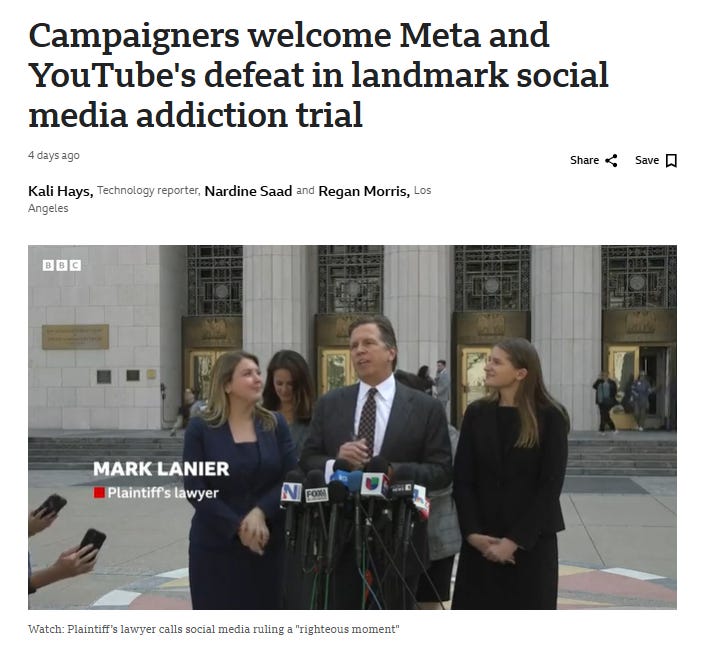
Addiction by design: AI, Dark Patterns and the global legal reckoning

Dark patterns have long been used to subtly manipulate users into making decisions that benefit platform creators, often at the expense of user privacy, time, or mental health.

How to design interfaces that communicate limitations and uncertainty. Build trust without deception

Artificial intelligence in many solutions is becoming a co-participant in decision-making rather than a mechanism operating in the background of a product.

AI that guides without manipulating: ethical design of suggested prompts

When a user interacts with an AI system, they rarely start with a blank page.

To już nie tylko nasza decyzja. Jak zmienia się sposób, w jaki szukamy

Przez lata wyszukiwanie było jedną z najbardziej stabilnych interakcji cyfrowych. Pole tekstowe, lista wyników, zestaw filtrów. Użytkownik zadawał pytanie, system odpowiadał