
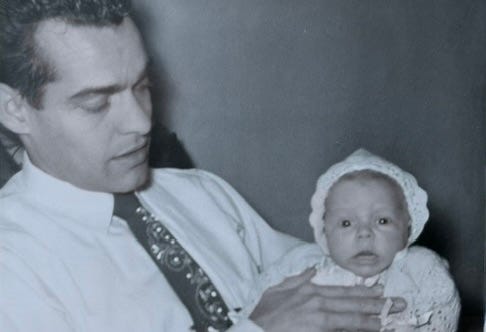
My father is over 100 years old and still won't engage with me.
It’s always been this way. He didn't come to my wedding (either of them). When I’d call to make plans to visit him, he’d give an enthusiastic yes! …and then quickly write to say he couldn't have me after all.
These weren't exceptions. This was the pattern, the same one that ran through my entire childhood and kept running well into my adult life. A person who said one thing and did another, so consistently that eventually I stopped being surprised and started filing it under of course.
For years, I dragged that baggage with me, replaying the conversations, revisiting the disappointments and carrying the weight of someone who was never quite there and never seemed curious about how that landed on me.
Eventually something had to give. But what cracked it open wasn't forgiveness (although that eventually found its place).
It was a single question: How do I want to live because of what I learned from him?
And I've been bringing that question into my work with clients and students for years, and it always starts the same way:
Make a list of everything a particular person failed to model for you.
This is not a gratitude list. This is a grievance list.
Most of us are already lugging those grievances around anyway. They run in the background, shaping how we see ourselves and how we move through the world in ways we never chose. Emptying them onto paper is already a kind of liberation. But the list isn’t the destination.
Under each grievance, you ask one question:
How do I want to live because of what I learned from this person?
That question turned years of resentment toward my father into a roadmap. Here’s what my own list looks like:
He taught me about unreliability. When he said he would do something, there was a good chance it wouldn’t happen.
Me: Reliability became one of the ways I show respect. When I give my word, I mean it. If I can't follow through, I say so. Importantly, I don’t over promise; I consider it a deadly sin!
He taught me about absence. Not the occasional missed call or forgotten plan. It’s the kind where you grow up not quite expecting anyone to be there.
Me: I became someone who shows up, not because it’s always easy, but because presence is one of the most concrete ways to say you matter to me.
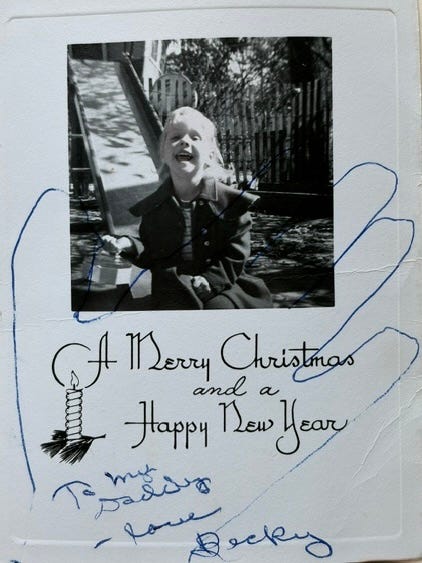
He taught me about Deception. There were times he made plans with me that, in retrospect, he never intended to keep. The phone call where he always said yes, then the letters that followed saying he couldn’t have me after all.
Me: The weight of my own words is something I stay very conscious of. If I say I will do something, I want people to know they can trust that.
He taught me about insincerity. He would say whatever was most expedient, whatever might make me think he was reaching out, whether he meant it or not.
Me: The work I've done around this fundamentally changed me. I no longer feel the pull to appear more together than I am. Showing up as I actually am turns out to be the most solid ground.
He taught me about emotional avoidance. Difficult conversations were not something he could do. Painful things were left unspoken, as if time alone would dissolve them. But, as we know, unspoken pain doesn’t disappear.
Me: Practicing emotional honesty became one of my deepest commitments. Learning to stay present with difficult feelings, and helping others build relationships where hard conversations aren’t avoided but rather used to deepen trust.
He taught me about selfishness. Having a great deal of money didn't change how he related to others. If anything, I observed a tendency toward being constricted rather than generous and expansive.
Me: My relationship with abundance is something I stay conscious of. I notice when I move into fear, scarcity, or holding back, and I intentionally practice being more open and willing to give.
He taught me about the cost of living in fear. I watched how fear can seal a person shut, keep them from reaching out or allowing connection to happen.
Me: I've learned that growth usually begins where comfort ends. So I practice moving toward what feels uncomfortable instead of avoiding it. Vulnerability, honesty, and emotional openness have become qualities I continue to strengthen.
He taught me about emotional inconsistency. He was always capricious and changeable. One mood one time, a completely different one the next. Looking back, I sometimes wonder whether an untreated mental health condition contributed to that unpredictability. Whatever the cause, living with that kind of inconsistency taught me how deeply children long for emotional steadiness.
Me: Years of learning to understand my own emotions came directly from this. Not pretending I don’t have them. Developing steadiness from within.
He taught me what it costs to be unseen, when someone is never curious about your inner world. When your thoughts and feelings don’t seem to interest anyone, as a young girl, I started to wonder if they’re worth noticing at all.
Me: That wound is one of the reasons I practice empathy as deliberately as I do. I want the people close to me to feel genuinely seen, their inner world taken seriously.
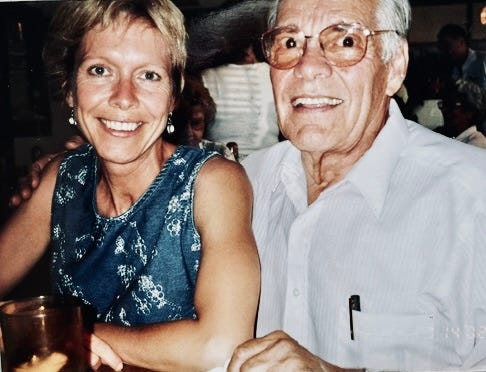
Perhaps the biggest lesson came from what he never practiced: accountability. He was never curious about how his behavior affected me and there was no willingness to explore it.
Me: I don’t always get this right. But it’s one of the values I hold most dear, because I know what the absence of it costs. Accountability asks, how did my actions affect you? and then having the courage to receive the answer.
None of this is about putting a parent on trial – my list (or yours) isn’t a prosecution. It’s a way to reclaim authorship of your own character.
Your deep inner knowing already holds the values you’re here to live. Sometimes the people who couldn’t model those values are the ones who make them most visible to you.
This is the kind of inquiry we move through in my Elevation Ceremony, a free monthly gathering I host online. It’s a space to honor the journey that brought you here, release the patterns that no longer serve you, and consciously step into the person you want to become. Details for my Elevation Ceremony.
Because healing isn’t only about understanding where you came from. It’s about deciding where you go next.
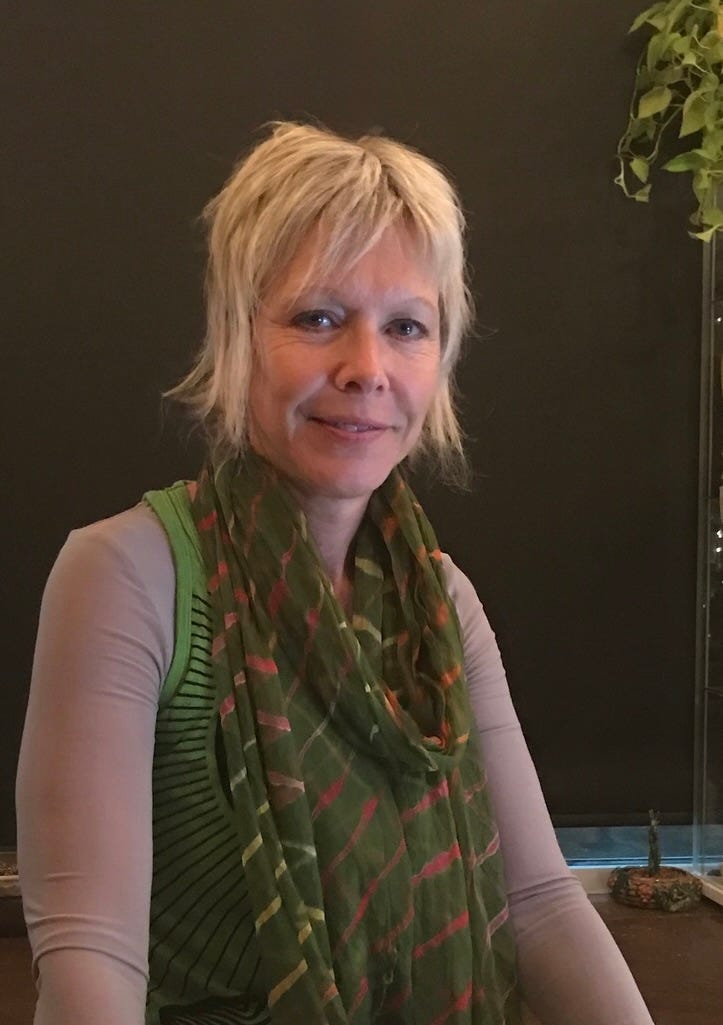
And sometimes the most powerful act in that decision is this: not becoming the people who shaped you, but consciously becoming the person you needed them to be.
With Love, Becca
P.S. Who is your list about? You don't have to name them. But if you want to share what they taught you, I'm here for it.
Comments
Nothing yet. Say the first thing.
Sign in to join the conversation.