
In the first half of my “career life” I dwelled in mainstream television and radio news as a reporter, producer and anchor. I eventually grew weary of the “if it bleeds, it leads” culture that dominated mainstream news and escaped to the world of mission-driven media.
In the early aughts, I became editor of the Chicago magazine, Conscious Choice, known as the journal of Ecology & Natural Living – and one of a network of mags under the umbrella of (the now defunct) Dragonfly Media.
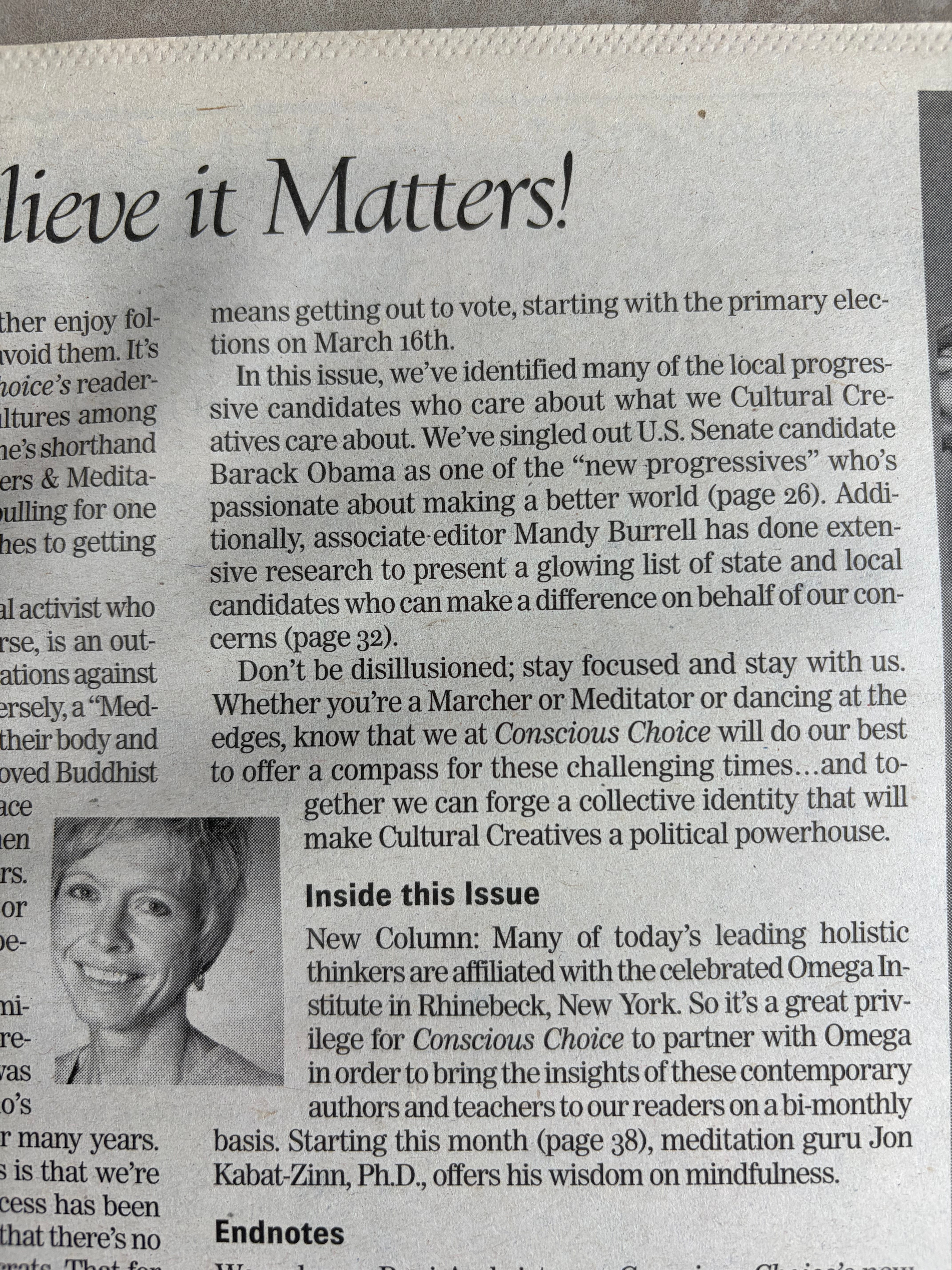
At that time, my national editor tasked me with choosing a candidate in a local or state race that a cover story might make some difference in. Someone most passionate about making a better world.
That theme was embedded in our values in the Dragonfly media family (when media having values was a thing). So I went in search of the candidate who most aligned with that assignment.
I chose Barack Obama.
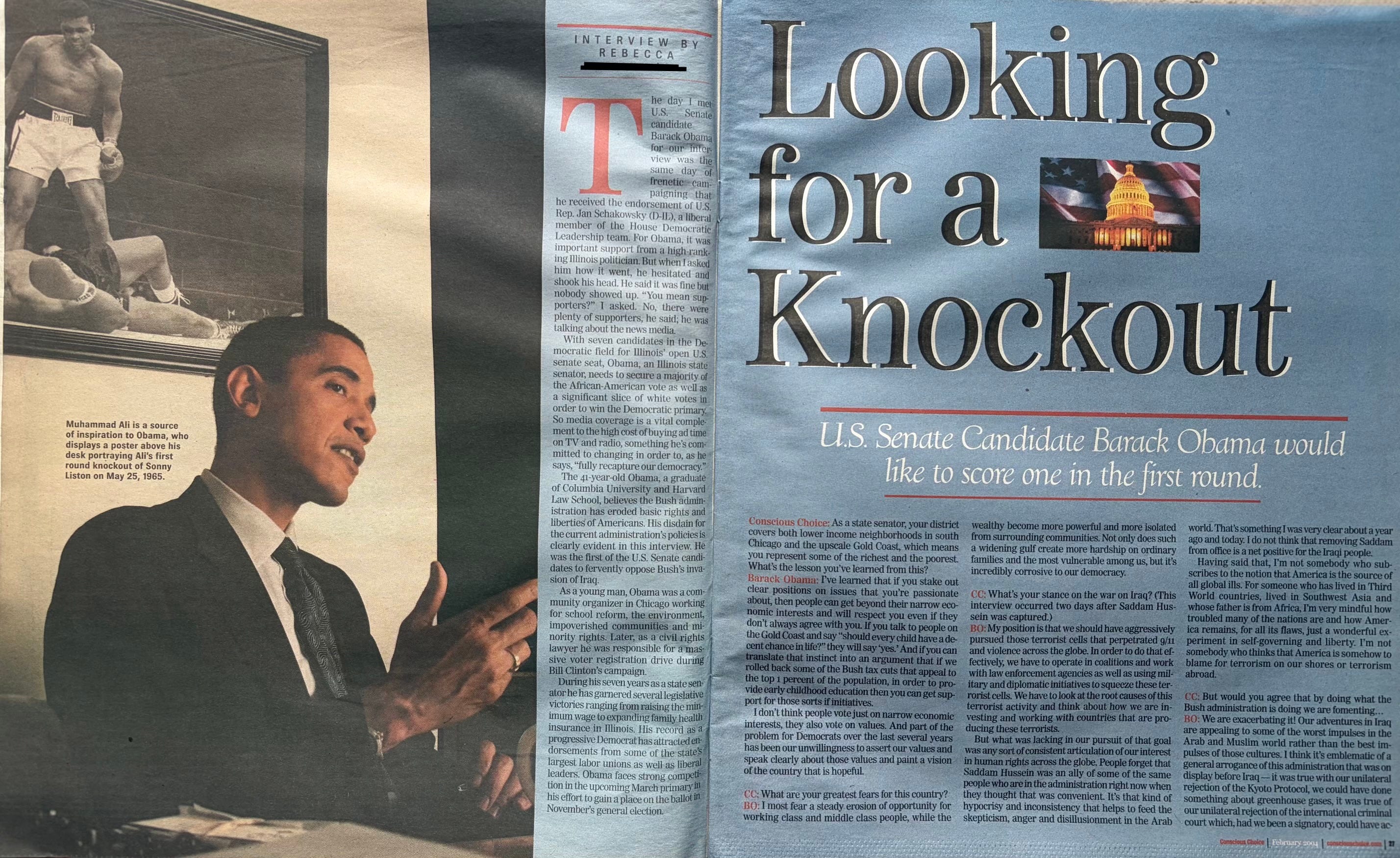
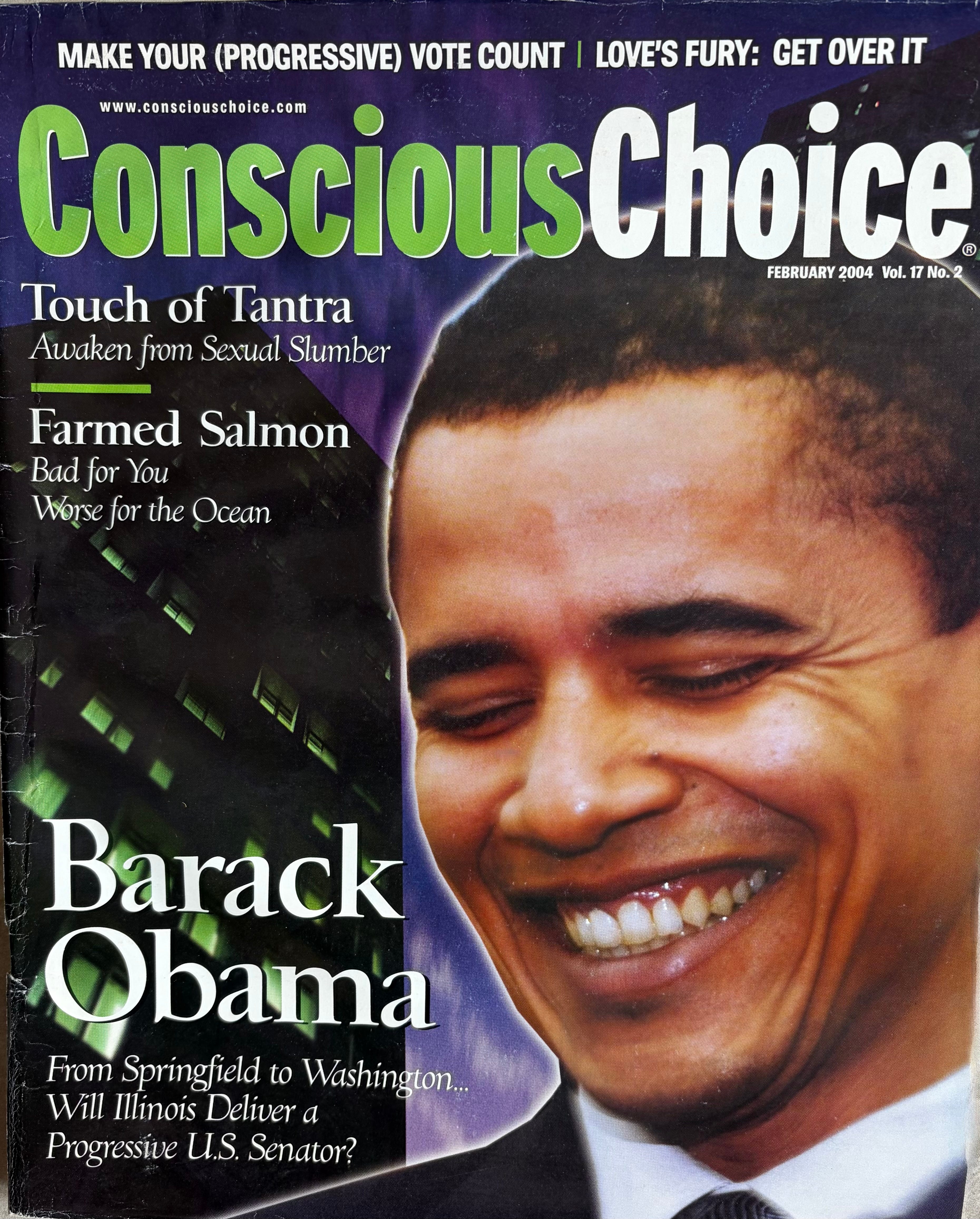
It was this recollection that came to mind as Barack Obama opened his Presidential Center in Chicago last week. I was pulled back to 2004, when I put him on the cover of our magazine before most of the world (and much of Chicago) knew his name.
Back then, he wasn’t a global figure beloved by millions or a former president. He was an Illinois state senator running what many considered a long-shot campaign for the U.S. Senate.
It was a crowded democratic field, with six better-known and better-funded candidates vying in the primary. Obama needed to secure a state-wide majority of the African-American vote as well as a significant slice of white votes to win the primary.
Yes, the piercing intellect, natural grace and smooth delivery were already present. But what caught my attention was that he didn’t campaign like most politicians. While many candidates focused on grievance, partisan talking points, or the mechanics of government, Obama often spoke in broader terms about possibility, responsibility, and the kind of country Americans could build together.
He wasn’t simply making a case for why voters should elect him. He seemed to be inviting them into a larger conversation about who they wanted to be.
Which is why, listening to his remarks at the opening of the Presidential Center the other day, I was struck by how familiar it all felt from when I sat down to interview him all those many years ago. The setting was different, the stakes were vastly different, and the years in between had transformed him from a state senator into a (distinguished and graying) former president.
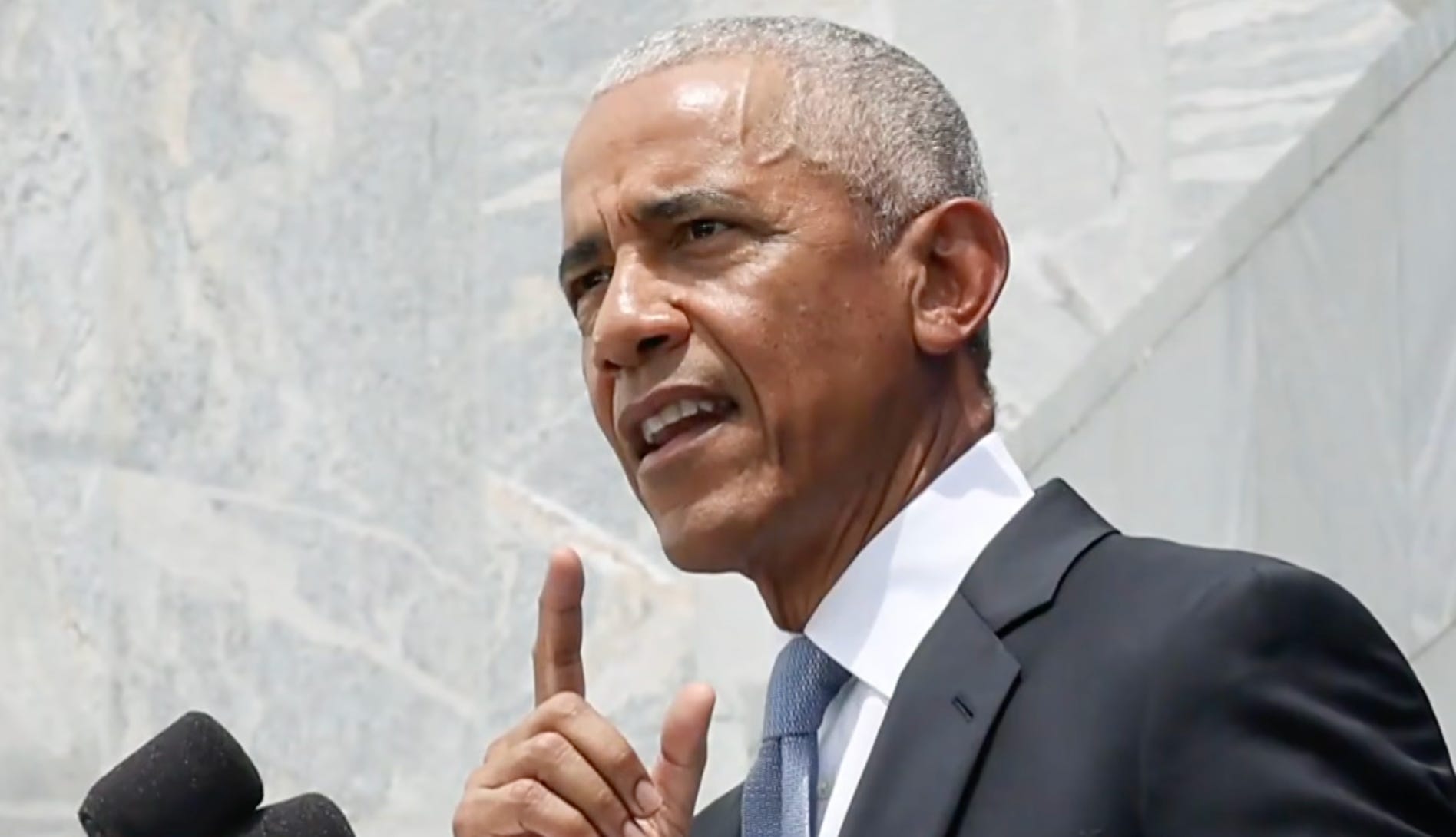
But the underlying message was remarkably consistent: a call to look beyond ourselves, to imagine what we might build together, and to take responsibility for shaping the future.
The questions I put to him are eerily relevant to today’s most pressing issues. The unsettling thing about reading my piece from back then is how little has changed, and how much has intensified.
Of course, I pressed him about the Iraq War as it was the defining political issue of the Bush era. By 2004, Americans were beginning to question the admin’s false rationale for a conflict that was growing more costly by the day.
You may recall, Americans had been told that Iraq possessed weapons of mass destruction, yet none had materialized, and the costs of the conflict continued to rise. (Sound familiar?)
As public confidence began to crack, Obama stood apart from many politicians because he could truthfully say that he had opposed the war from the very beginning.
During our interview, he called the Bush administration’s agenda “narrow and mean spirited,” saying it ignored the daily reality of “ordinary working families”.
“I most fear a steady erosion of opportunity for working class and middle class people,” he warned, “while the wealthy become more powerful and more isolated from surrounding communities. Not only does such a widening gulf create more hardship on ordinary families and the most vulnerable among us, but it’s incredibly corrosive to our democracy.”
More than two decades later, his warning is deeply and sadly relevant. Millions of Americans are fighting to afford the basics, from housing and food to childcare and healthcare, while billionaires accumulate staggering levels of wealth and influence. The gulf Obama described back then has become one of the defining realities of American life today.
But I digress.
In researching his earlier years, I learned that Obama, as a young man, had been a community organizer in Chicago working for school reform, the environment, impoverished communities, and minority rights.
This remarkable track record, more than anything else, is what earned him our profile as the candidate most passionate about making a better world.
Our little magazine probably didn’t make much of a difference in the outcome of that early race, but I will always look back with a mixture of gratitude for the opportunity to speak with him one on one and a little pride in that editorial decision.
The then 41-year-old Obama won the March 2004 Democratic primary in a landslide, taking more than 50% of the vote and stunning many political observers. That victory instantly elevated him from a promising local politician to a serious national prospect.
That July, while still a state senator and Senate candidate, Obama delivered the keynote address at the 2004 Democratic National Convention. The speech was a sensation. Overnight, he became a national political star. Many Americans first heard his name during that speech.
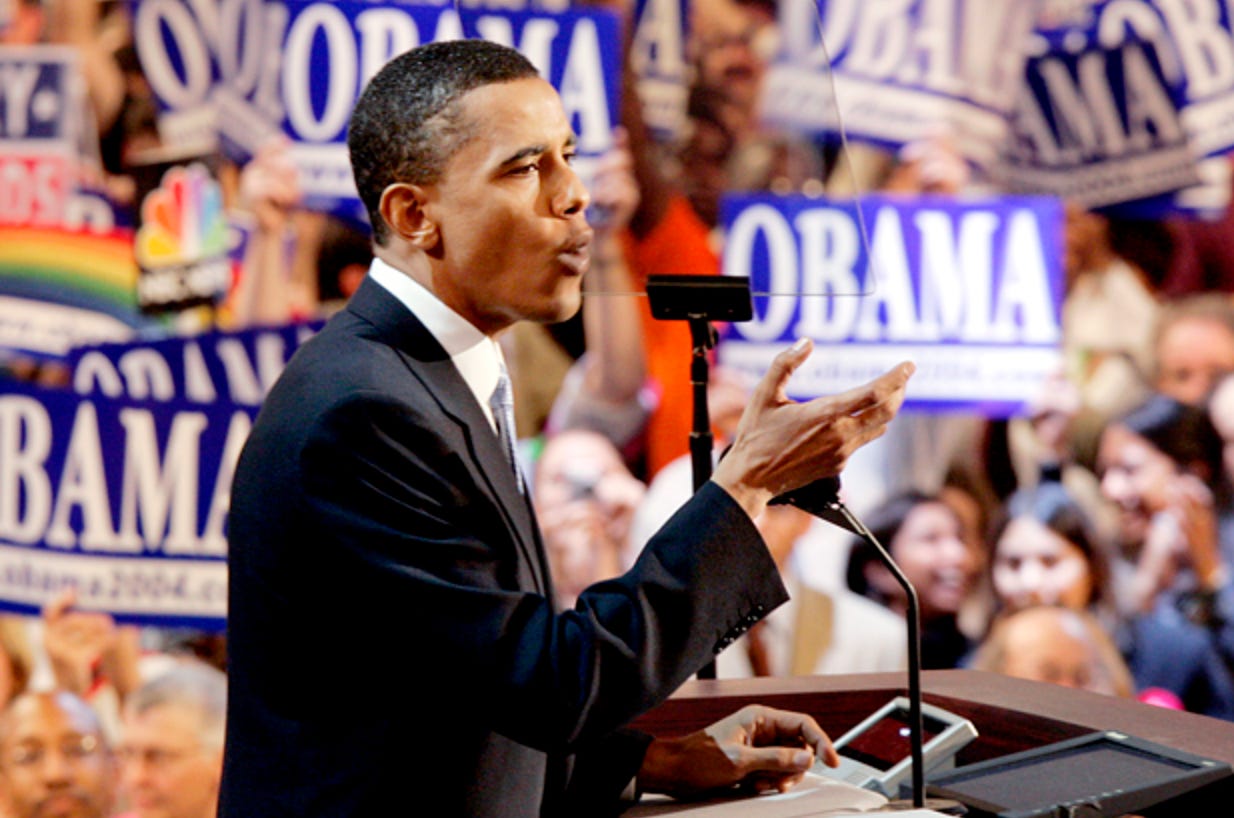
By the time the general election arrived, especially after the convention speech, Obama had moved from long-shot candidate to someone with a sense of destiny about him.
By Election Day, the race was essentially a rout. Obama took nearly 70% of the vote – one of the largest margins in Illinois Senate history. He carried 92 of Illinois’ 102 counties, including many areas that normally voted Republican.
Many political reporters at the time viewed him as an unusually talented speaker and candidate, but very few predicted that just four years later he would be elected president.
Looking back, what stays with me is not simply that I was interviewing a future president. It was that, in 2004, I was sitting across from a Black politician who was already bridging divides that had defined Chicago for generations: rich and poor, Black and white, neighborhood streets and political power.
The idea that a Black man with an unusual name and a biography stretching from Kenya to Kansas to Hawaii could become president of the United States carried enormous historical weight. Obama’s story is extraordinary, but so was the moment when millions of voters were willing to transcend this nation’s tragic racial history and expand their vision of who could lead the country.
I didn’t know then that the magazine cover we created would become part of a presidential story. I only knew I was looking for someone who seemed genuinely committed to making the world better.
That question has stayed with me.
This story is from a previous chapter of my life. Today, I explore the same territory from a different place, helping people reckon with fear, grief, and the courage required to create change. If you’d like to learn more about my work these days, I invite you to visit beccawilliams.org
The tools have changed. The question has not.
With Love, Becca
Comments
Nothing yet. Say the first thing.
Sign in to join the conversation.